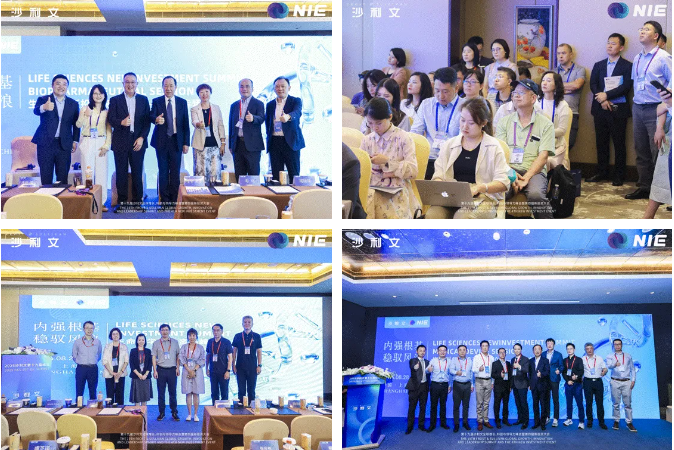
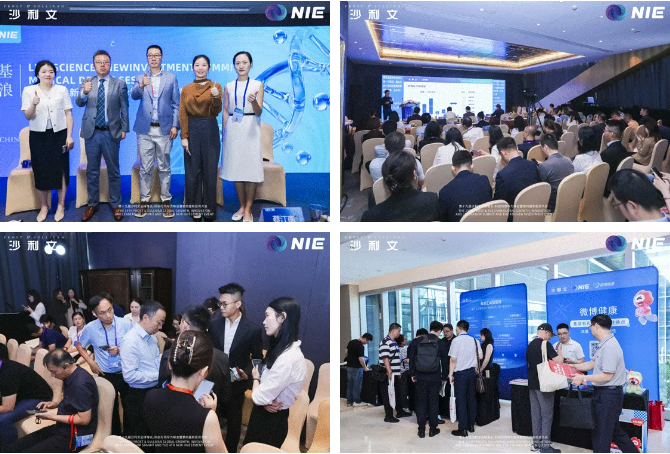
The 19th Frost & Sullivan Global Growth, Innovation and Leadership Summit and 4th New Investment Conference (hereinafter referred to as the 2025 Frost & Sullivan New Investment Conference), hosted by the world-leading growth consulting firm Frost & Sullivan (Frost & Sullivan, abbreviated as: Frost & Sullivan), was successfully held in Shanghai from August 27th to 28th, 2025.
During the 2025 Frost & Sullivan New Investment Conference, a new investment summit forum on life sciences was grandly launched. The forum brought together more than 50 industry leaders, biopharmaceutical companies, medical device enterprises, investment institutions, and professional service providers. With the theme of "Strengthening Foundations Internally and Steadily Riding the Waves," it focused on cutting-edge trends, innovative technologies, and globalization development strategies in the field of life sciences, aiming to promote industrial development and global cooperation.
The New Investment Summit Forum in Life Sciences successfully concluded on August 28th.
Highlights — August 28th —— New Investment Summit in Life Sciences (Parallel Session) —— Healthcare Special Session
Opening Remarks by the Organizer
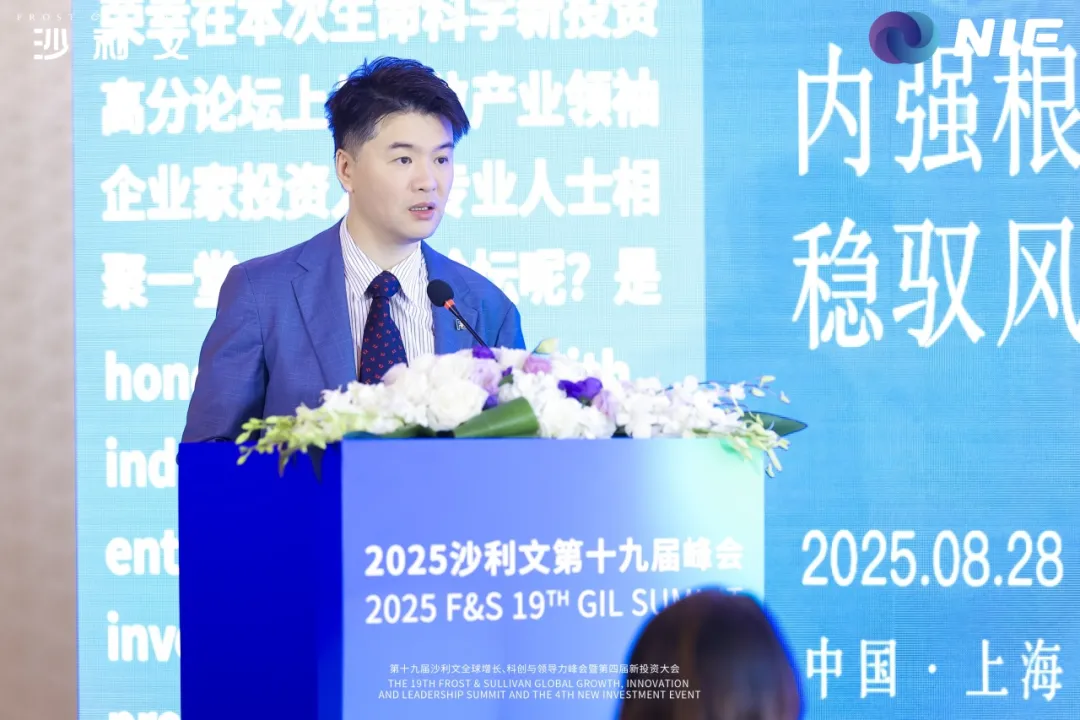
Mr. Wang Chenhui, Partner-in-Chief and President of Frost & Sullivan Greater China Region
The New Investment Summit in Life Sciences (Parallel Session) - Healthcare Special Session was opened by Mr. Wang Chenhui, Managing Partner and President of Frost & Sullivan Greater China.
Guest Speech
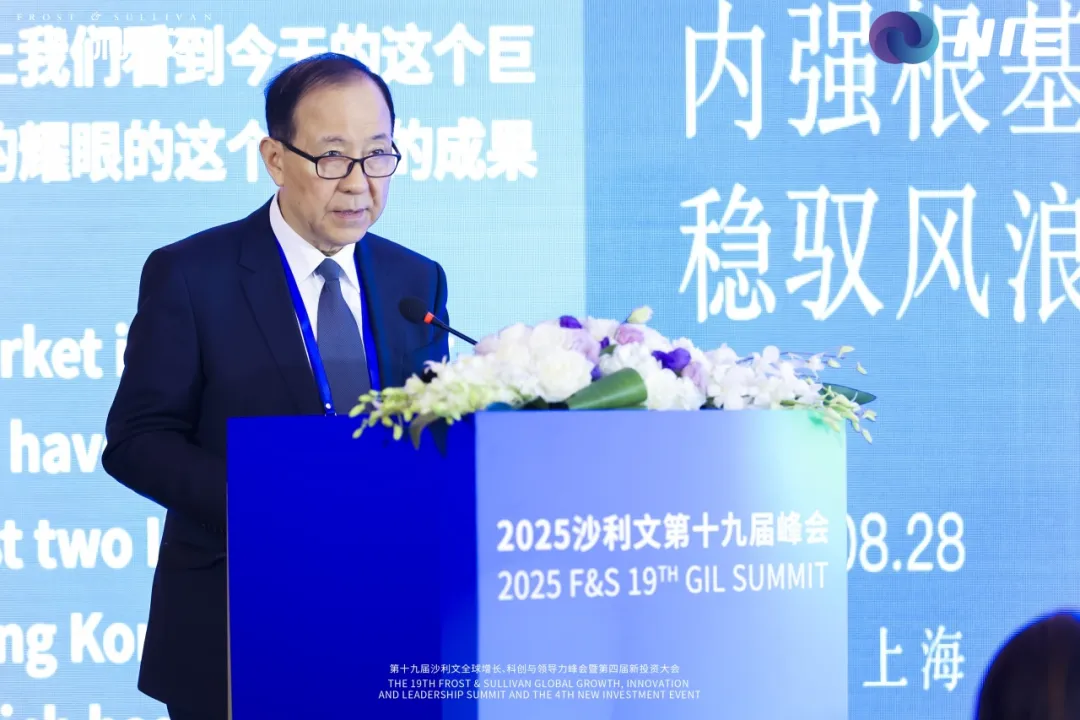
Professor Wang Yu, President of the China Foundation for the Prevention and Control of Hepatitis
Professor Wang Yu pointed out that China's biomedicine industry is surging with unprecedented momentum into the global health industry wave. In the first half of 2025, the National Medical Products Administration approved 88 innovative drugs and medical devices, setting a new historical record; the transaction volume of new drugs going global accounted for 50% of the global total, and six pharmaceutical companies made it into the top 50 in the world. From laboratories to clinical practice, from local markets to the global stage, China's biomedicine innovation has accumulated over time and is now a highly regarded new force. Looking ahead, only by adhering to long-termism, consolidating foundations, and innovating while maintaining integrity can we move steadily towards the future and create a new chapter in the shared community of human health.
Keynote
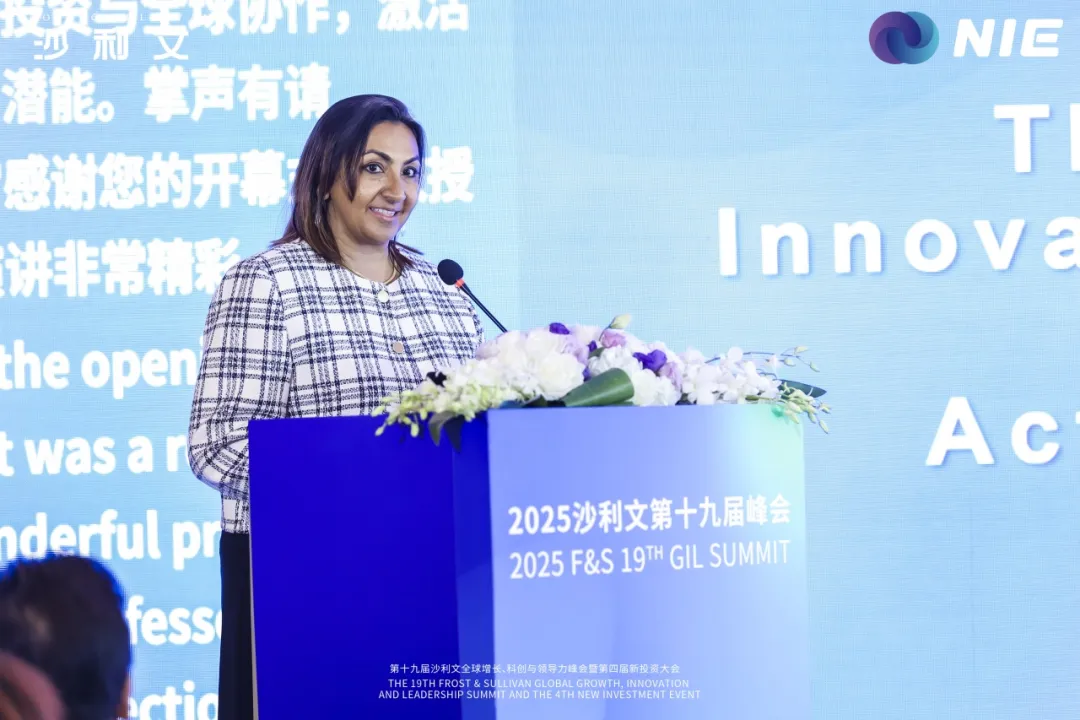
Rhenu Bhuller, Frost & Sullivan Life Science and Digital Health Strategy Advisor
Rhenu Bhuller pointed out that in the context of profound changes in the global healthcare industry, China is becoming a global innovation engine. Data shows that Chinese biotech stocks have risen by more than 60% in the past year, with steady cross-border trading volumes, demonstrating strong international competitiveness. Although Chinese pharmaceutical companies have embarked on a high-speed development path, how to achieve innovative breakthroughs at the core technology level remains a key factor for maintaining high-quality development. Companies also need to clarify their market positioning, strengthen collaborative cooperation with international pharmaceutical companies, accelerate global layout by flexibly adjusting collaboration models, and ultimately activate the potential for global pharmaceutical company cooperation.
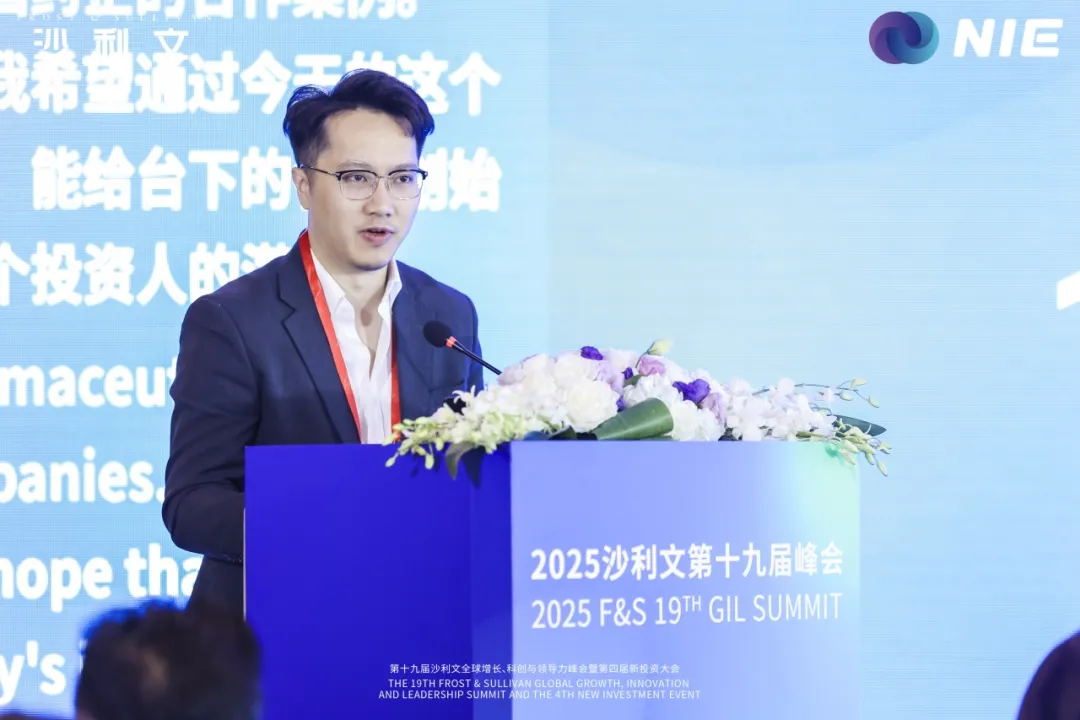
He Jianqi, Head of R&D Asia for Roche Pharmaceuticals
He Jianqi introduced that external innovation through business development has always been the cornerstone of Roche's R&D strategy, alongside our extensive internal R&D pipeline. Roche's win-win cooperation with external companies and scientists is at the core of bringing breakthrough drugs and healthcare solutions to patients. According to internal statistics, nearly 50% of our pharmaceutical business's R&D pipeline comes from external collaborations.
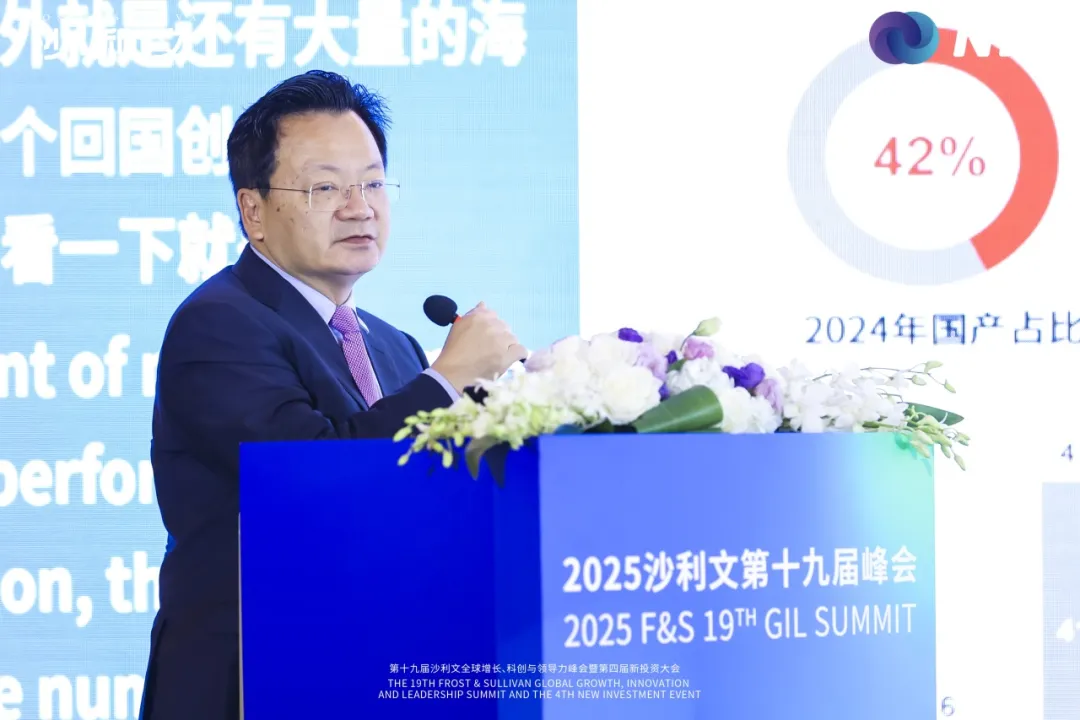
Xie Xin, Executive Director and Senior Vice President of China Biopharmaceuticals
Xie Xin pointed out that China's pharmaceutical industry is currently rising strongly with rapid growth rates. Its vigorous development is inseparable from the promotion and support of national policies. At the same time, enterprises have made significant breakthroughs in the research and development of various innovative drug pipelines through the empowerment of emerging technologies and are gradually showing a trend of leading the world. As a leading enterprise in the industry, Chinese biopharmaceuticals should improve the efficiency of R&D investment, strengthen their international competitiveness, and create a new ecosystem for pharmaceutical innovation in China.
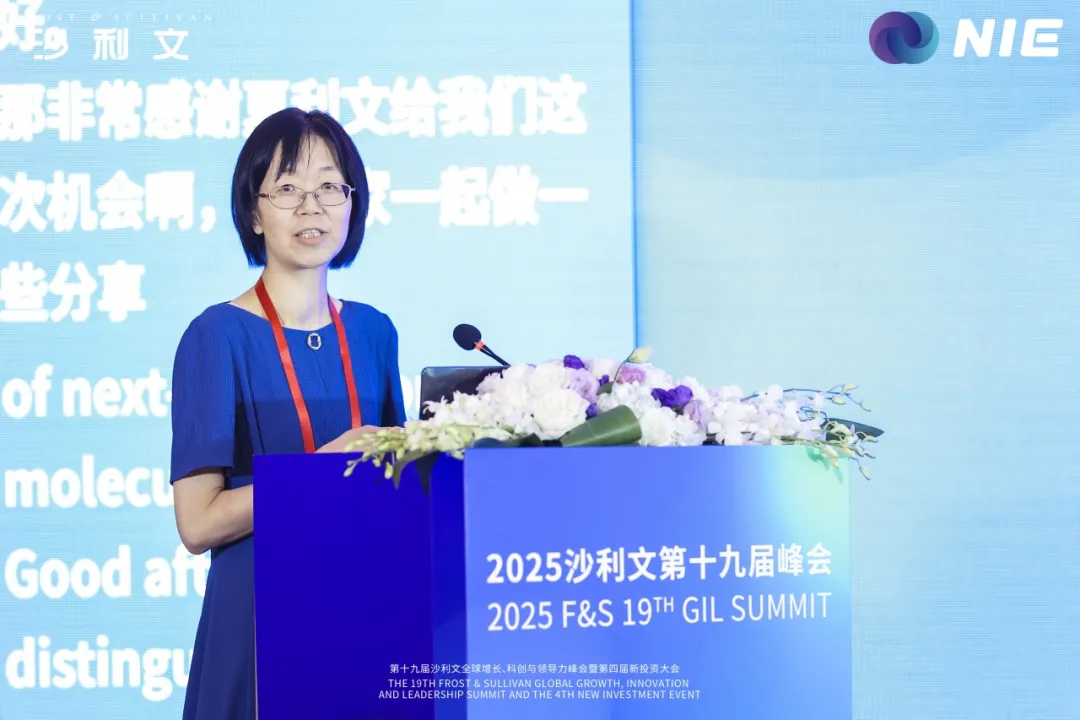
Dr. Sheng Zejuan, Vice President of Pharmaceutical Joy Health
Dr. Sheng Zhejuan pointed out that in the field of innovative therapies, small molecule drugs have proven their important advantages as the cornerstone of new drug research and development due to their high flexibility in target mechanisms, differentiated pharmacodynamics, low production costs, and strong synergies when used in combination therapies. Clinical data show that small molecule drugs have differentiated potential in tumor-targeted resistance mechanisms. Tinengotinib can be used as a representative case; it is the world's first FGFR/JAK dual pathway inhibitor, targeting multiple FGFR resistance mutations and filling the clinical gap after resistance to multiple FGFR inhibitors in various solid tumors; its breakthrough in targeting lineage remodeling resistance mechanisms has broad market potential in metastatic castration-resistant prostate cancer (mCRPC). In the field of immunology, when immune regulation enters the 'multi-pathway, multi-cell' era, the marginal benefit of single therapies decreases. Small molecule and large molecule targets complement each other's mechanisms, upgrading the immune network from single-point blockade to three-dimensional control, not only broadening the available drug space but also delaying the emergence of resistance.
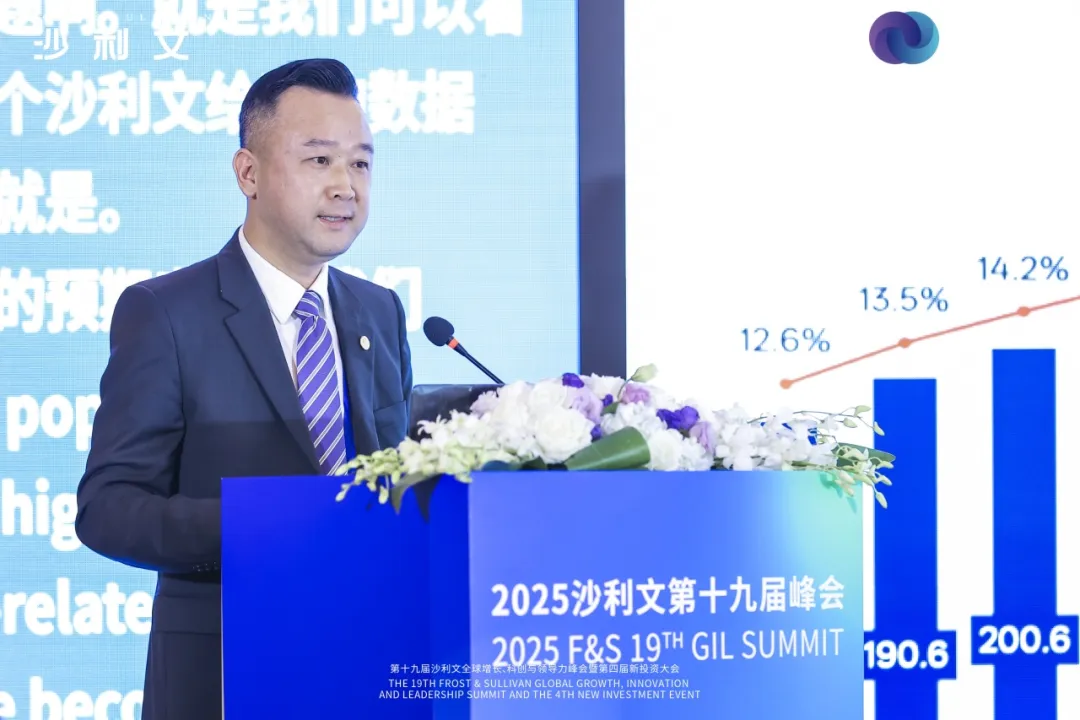
Executive Director of Canuo Biopharmaceutical Co., Ltd. Lin Zirong
Lin Zirong pointed out that, against the backdrop of continuously intensifying population aging and low fertility, promoting 'healthy aging' has become an important measure to cope with social structural changes. The deep integration of longevity medicine and mitochondrial medicine will provide a new scientific pathway for systematic intervention in the aging process. As a global leader in the field of mitochondrial medicine, Canoo Biotech possesses globally leading detection technologies for aging markers such as NAD+, as well as mitochondrial intervention methods, and owns the only approved NAD+ drug in the world - EnAdi. The company will continue to deeply cultivate the mitochondrial medicine track, taking mitochondria as a key target to build a closed-loop service system of 'detection-intervention-retest', combined with AI evaluation and quantification technology, to provide customers with precise and traceable anti-aging services. The company is committed to extending human health lifespan through technological innovation and contributing to the realization of the strategic goal of 'Healthy China 2030'.
NIE 2025
Release Ceremony of the 'White Paper on the Current Situation and Development Trends of the Mitochondrial Medicine Industry in 2025'
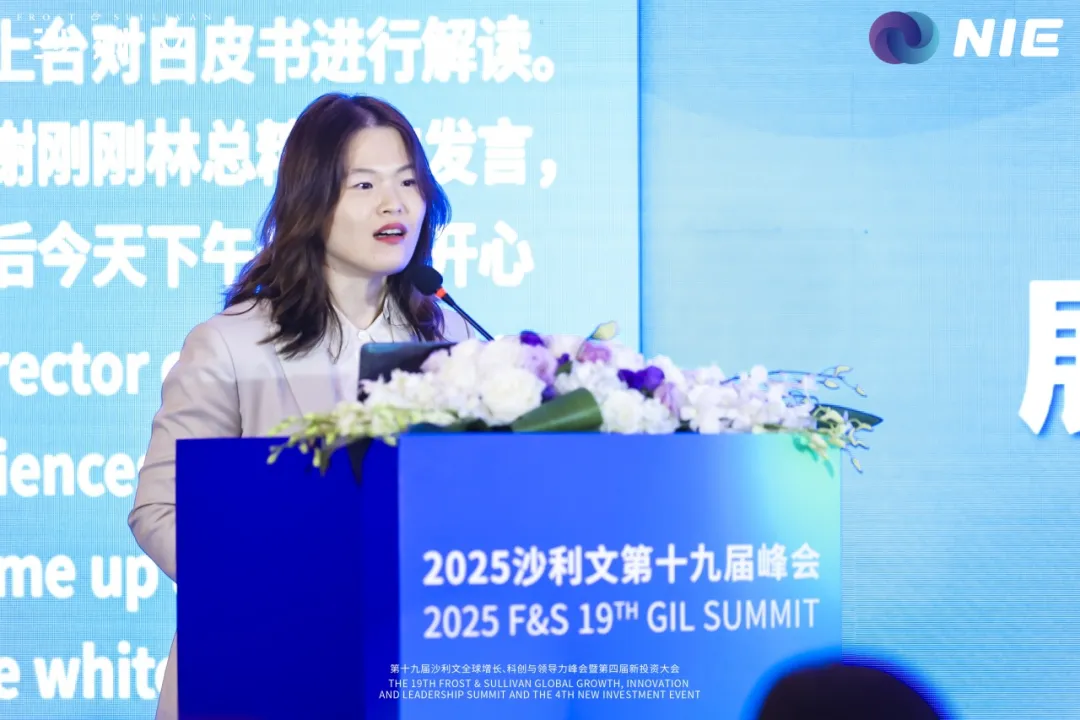
Zhang Chenyang, Consulting Director, Healthcare Business Unit, Frost & Sullivan Greater China
Zhang Chenyang introduced that the 'White Paper on the Current Development and Future Trends of the Mitochondrial Medicine Industry in 2025' takes the 'Detection - Intervention - Re-detection' closed-loop as the main line, systematically sorting out for the first time the leap of mitochondrial medicine from a single drug to a full-cycle ecosystem: In the medical field, Canuo Biotech has already become the world's only company to have obtained approval for the NAD⁺ injection 'EnAdi'.®"Combined with exclusive mitochondrial transplantation technology, we aim to penetrate markets worth hundreds of billions in cardiovascular and neurodegenerative diseases; in the consumer segment, targeting the elderly population and women seeking anti-aging benefits, nutritional supplements such as NAD⁺, NMN, and NR, combined with NAD⁺, ATP, and Sirtuins marker tests, are poised to unlock about 210 billion yuan in the health consumption blue ocean. The white paper further points out that with the standardization of mitochondrial clock, NGS, and metabolic function testing, the industry will form a global anti-aging system integrating 'diagnostic reagents + health products + therapeutic drugs'."
NIE 2025
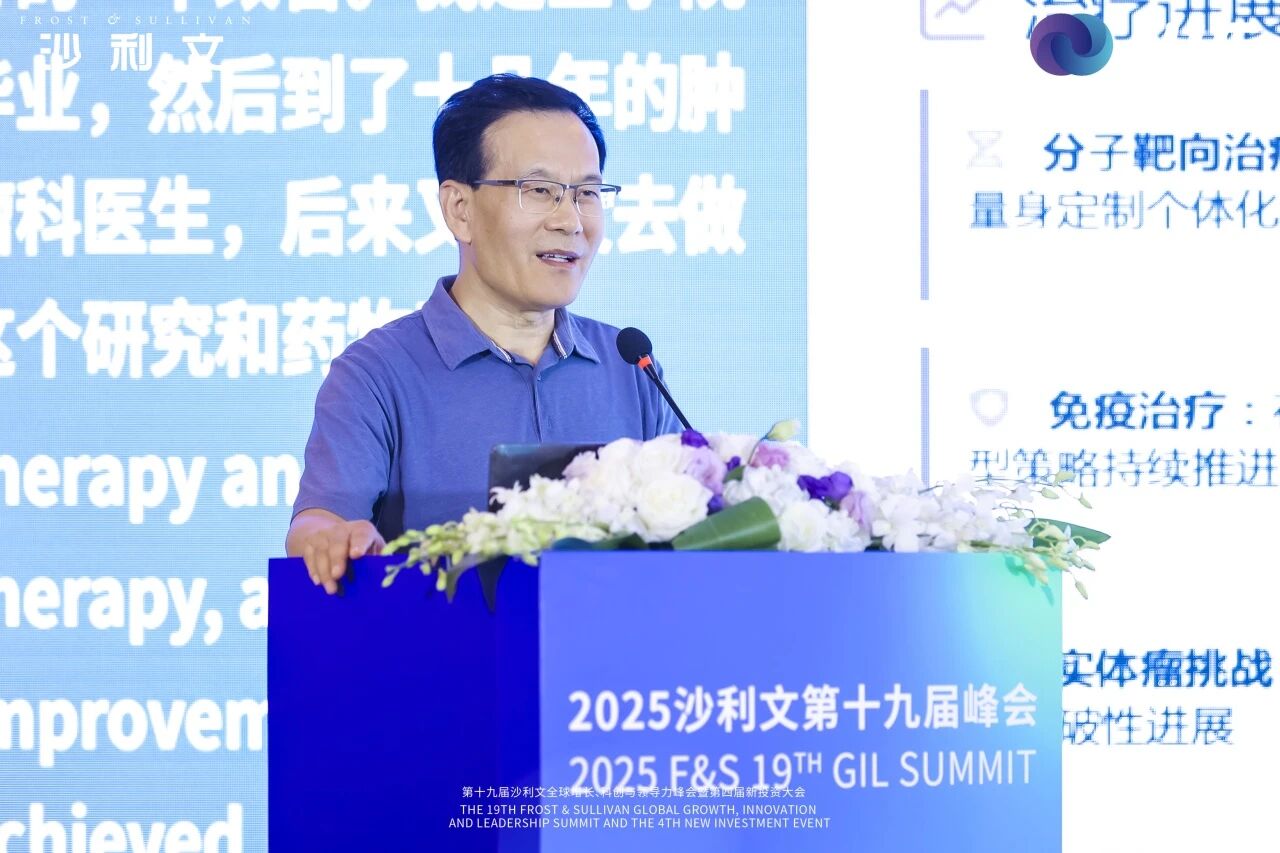
Dr. Xiaozhaoxiang, Chairman and CEO of Zhejiang Shimai Pharmaceutical Co., Ltd.
Dr. Xiaozuo Xiang pointed out that the global annual number of new tumor cases exceeds 19.96 million, with China accounting for 4.82 million. The treatment of solid tumors still faces significant challenges. T cell co-engagement (TCE) technology, as a new and efficient treatment regimen, has stronger targeting and safety properties and will become an important development direction in dealing with tumor diseases. Simcere Pharmaceutical will not only strengthen pipeline research and development but also promote its share in the Chinese TCE market, leading China's innovative drugs to break through technical barriers in the global TCE field.
NIE 2025
The Blue Book on the Current Situation and Development Trends of Antibody Drugs Industry 2025 is released
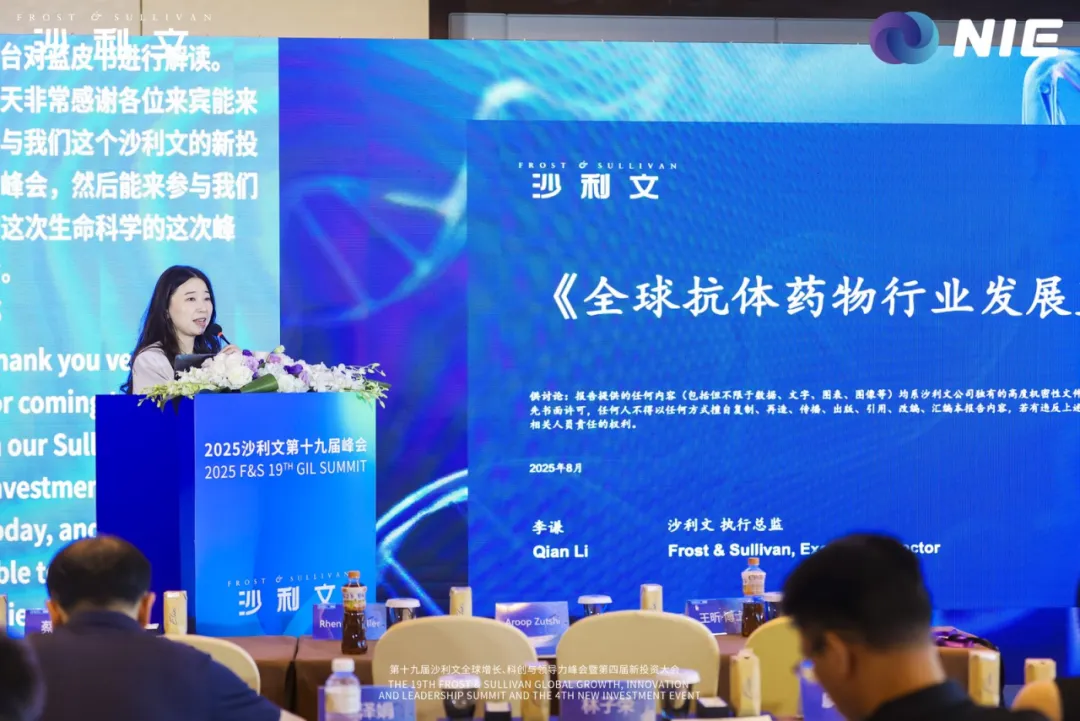
Li Qian, Executive Director of Healthcare Business Unit, Frost & Sullivan Greater China
Li Qian pointed out that the global antibody drug market exceeded $737 billion in 2024 and is expected to hit the one trillion-dollar mark at a compound annual growth rate of about 8.8% over the next decade. The Chinese market is projected to expand by a compound annual growth rate of 17.4%, from 226 billion yuan in 2024 to nearly 500 billion yuan by 2034, with ADC, TCE, and multi-antibody drugs spearheading the three engines. At the same time, China's innovation is accelerating its overseas expansion: the number of License-out events doubled from 2019 to 2024, and the total disclosed transaction amount exceeded $12 billion in 2025, with ADC leading the way. Against this backdrop, the 'Blue Book on the Current Situation and Development Trends of the Antibody Drug Industry in 2025' systematically sorts out the technological evolution, market size, industrial pattern, and development trends of the global and Chinese antibody industries, which is of great significance for understanding industry development.
NIE 2025
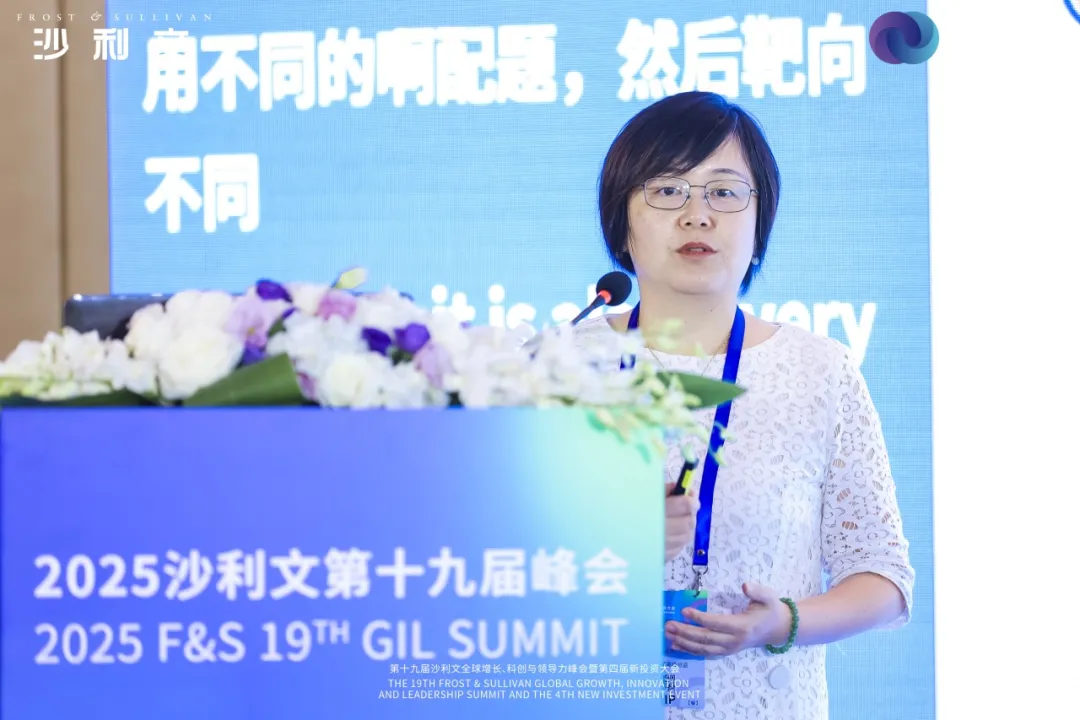
Dr. Jing Lan, Vice President for Corporate Development at Tongrui Biopharmaceutical (Shanghai) Co., Ltd.
Dr. Jing Lan pointed out that the global nuclear medicine track has officially entered a period of explosive growth worth tens of billions of dollars. Data shows that the quarterly growth rate of therapeutic radioactive drugs has surged to 72%, while that of diagnostic drugs is 33%. The market capacity will double within five years to $25 billion. Chinese enterprises should seize this development period, strengthen collaborative cooperation and industrial investment in research and development, solve the supply problems of the entire nuclear supply chain, and narrow the gap between domestic and international markets; at the same time, vigorously promote cost reduction and efficiency improvement in the production chain, and facilitate China's major transformation from a contract manufacturer to a global supply chain provider.
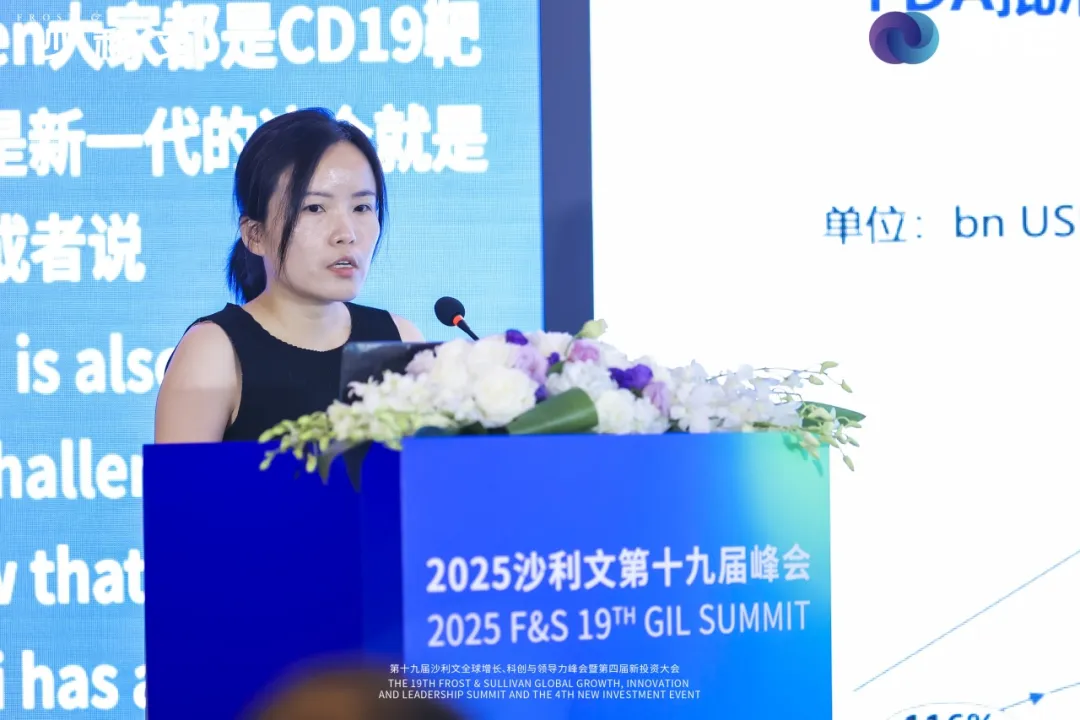
Vice President of Corporate Strategy Planning at Fosun Karry, Yu Zhiying
Yu Zhiying pointed out that cell therapy is leading global healthcare into a new paradigm. Data shows that global CAR-T therapy sales exceeded $4.5 billion in 2024, becoming the core engine of growth for innovative drugs with an average annual growth rate of over 20%. It is estimated that by 2030, the market size of cell therapy in China will exceed 58 billion yuan. At the same time, China, with policy support and clinical innovation advantages, accounts for 47% of the global R&D pipeline, surpassing the US-led industrial pattern. However, in the future, the industry should deepen research translation and production technology innovation to promote cell therapy from 'high-end customization' to 'universal accessibility'.
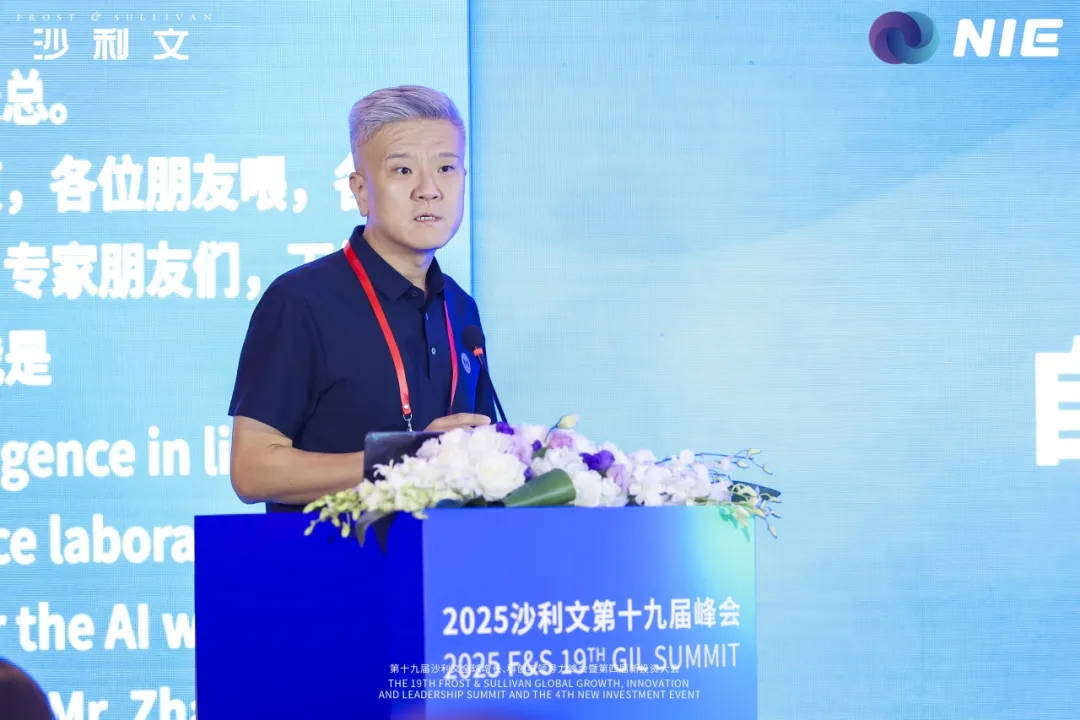
Zhang Yan, Co-founder and Senior Vice President of MagnesiumG
Zhang Yan pointed out that in the era of AI-driven life science innovation, China is accelerating the intelligentization and digital transformation of laboratories. MagnaTech has created a new 'Laboratory 5.0' paradigm through an evolutionary path from automation, digitization to intelligence. This approach enables China to integrate AI, automation, and industry applications, achieving full-link coverage from data governance, experimental management to intelligent decision-making. Relying on three core technical architectures: perception, conception, and execution, MagnaTech provides a series of autonomous intelligent agents for the industry, helping China's life science field improve R&D efficiency, break data silos, build an autonomous and controllable smart laboratory ecosystem, and provide important support for the high-quality development of national biomedicine and the enhancement of scientific research and innovation capabilities.
NIE 2025
Roundtable discussion
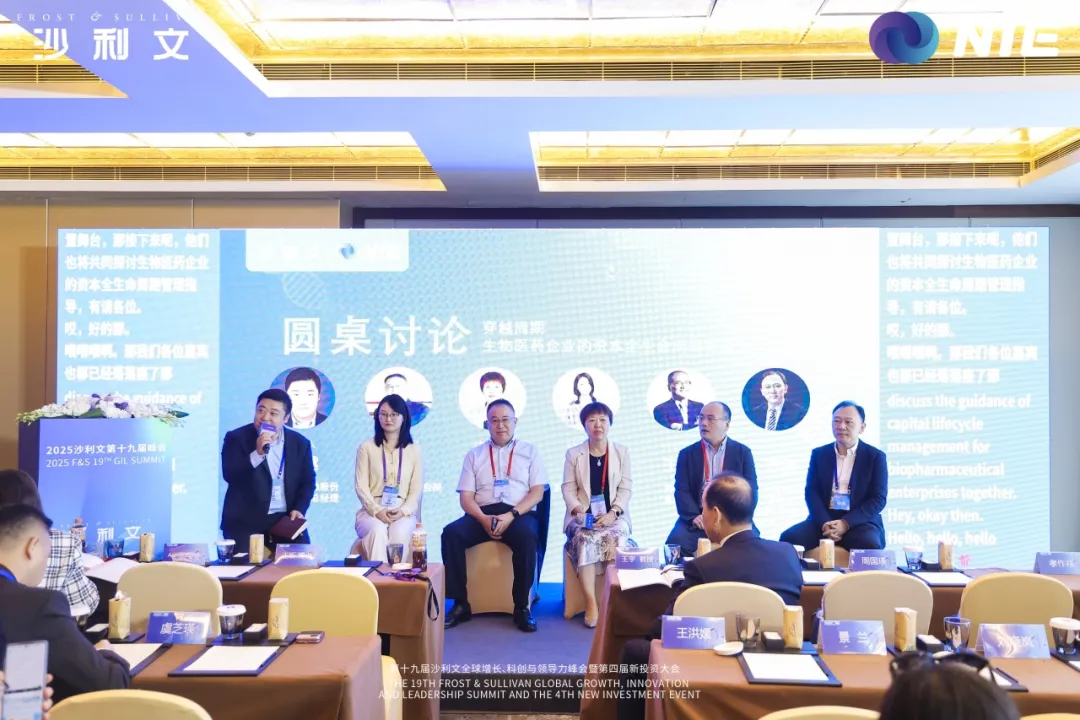
Roundtable Discussion: Transcending Cycles: The Capital Lifecycle Management Approach for Biotech Enterprises
The roundtable discussion was chaired by Wu Yue, Deputy General Manager of China International Financial Corporation. Guests participating included Cai Xuejun, Chief Scientist of the Central Research Institute of Shanghai Pharmaceutical Group, Li Lihua, Vice President of Scientific Research Management of Biotec Group, Wang Yiying, Advisor at the Shanghai Office of K&L Law Firm, Wang Haijiao, Partner of GaoTec Investment Group, and Wan Yong, Chairman of SULLIVAN TELE-TREND CLOUD TECHNOLOGY and Chief Executive Officer of TradeGo.
During this roundtable discussion, the guests delved into the strategies and implementation of biopharmaceutical companies in capital management throughout their entire lifecycle, analyzing how to identify and amplify the 'vitality' of capital during a period of involution. The guests shared insights from perspectives such as industry incubation, legal structure, investment judgment, and data tools. They engaged in an in-depth discussion on early valuation anchoring, cross-border listing in multiple locations, optimization of investor structure, and organizational capacity building for capital pathways, sharing valuable experiences in building a moat through capital paths, promoting continuous financing for enterprises, and transcending cycles.
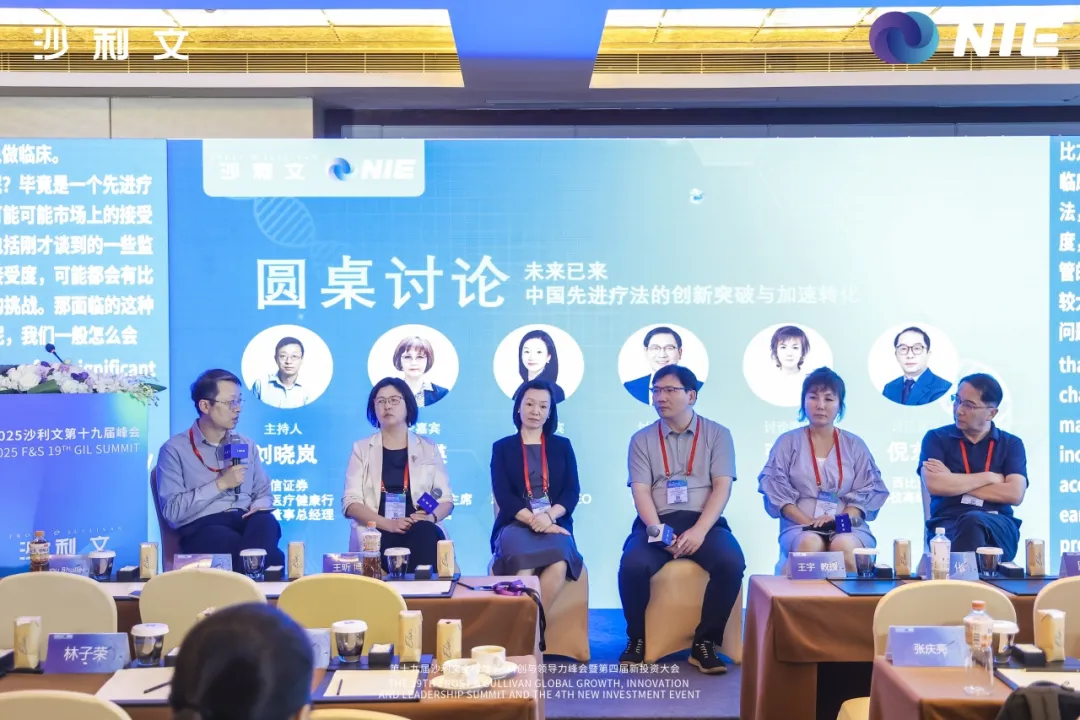
Roundtable Discussion: The Future Is Here, Innovations and Accelerated Translations of Advanced Therapies in China
The discussion was chaired by Liu Xiaolan, co-chair and managing director of the Healthcare Industry Group of the Investment Banking Committee at CITIC Securities. The panelists included Zhou Guoying, co-founder and chairman of the board and CEO of Yino MicroMedicine; Wei Jun, co-founder and CEO of Ruijian Medicine; Jinhua Jun, CEO and Chief Technology Officer of Jun Sai Biology; Zhang Qingliang, CFO of Suzhou Huayi Lejian Biotechnology Co., Ltd.; and Ni Dongyao, Senior Vice President of Xibiman Biotechnology.
During this roundtable discussion, the guests focused on the globalization journey of advanced therapies in China, engaging in intellectual exchanges around cutting-edge areas such as cell and gene therapy, oncolytic viruses, and novel antibodies. They analyzed the window period brought about by unmet clinical needs and technological dividends, discussed how to build a differentiated moat through R&D efficiency, cost advantages, and patient data insights; at the same time, they faced up to four major challenges: global clinical development, supply chain resilience, regulatory differentiation, and payment barriers, sharing the latest practices in cross-regional registration strategies, standardized process platforms, and risk-sharing business models.
Highlights — August 28th —— New Life Sciences Investment Summit Forum (Parallel Session) —— Medical Devices
Opening Remarks by the Organizer
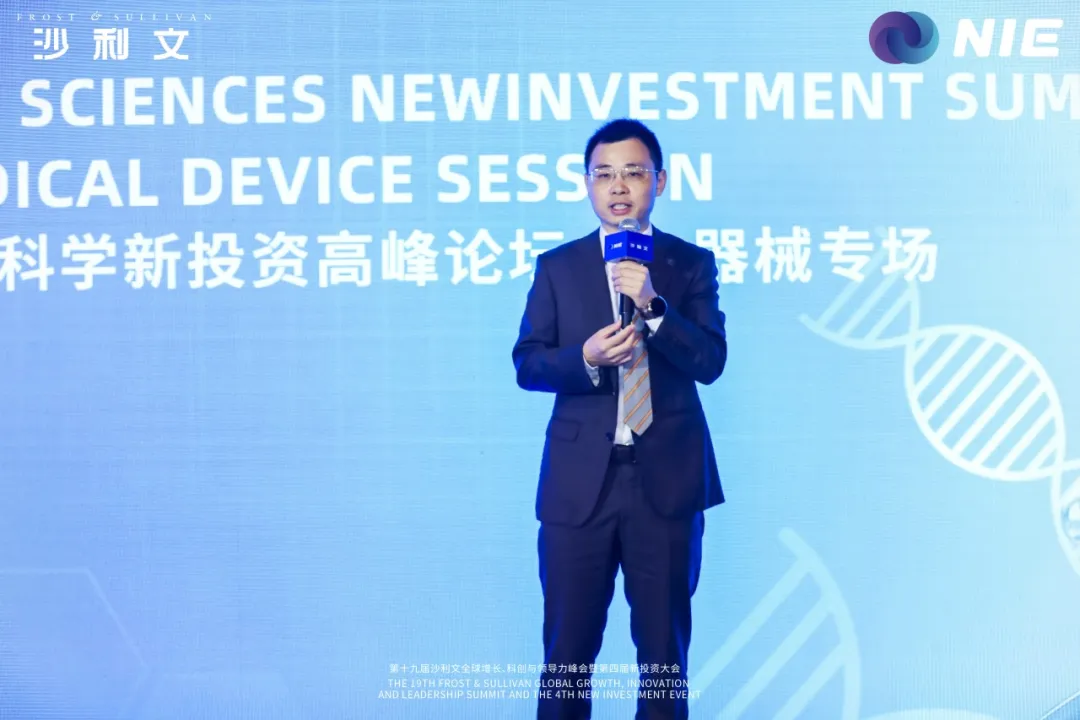
Mr. Mao Hua, Partner and Managing Director of Frost & Sullivan Greater China Region
The New Investment Summit in Life Sciences (Parallel Session) - Instrumentation Session was opened by Mr. Mao Hua, Partner and Managing Director of Frost & Sullivan Greater China.
Guest Speech
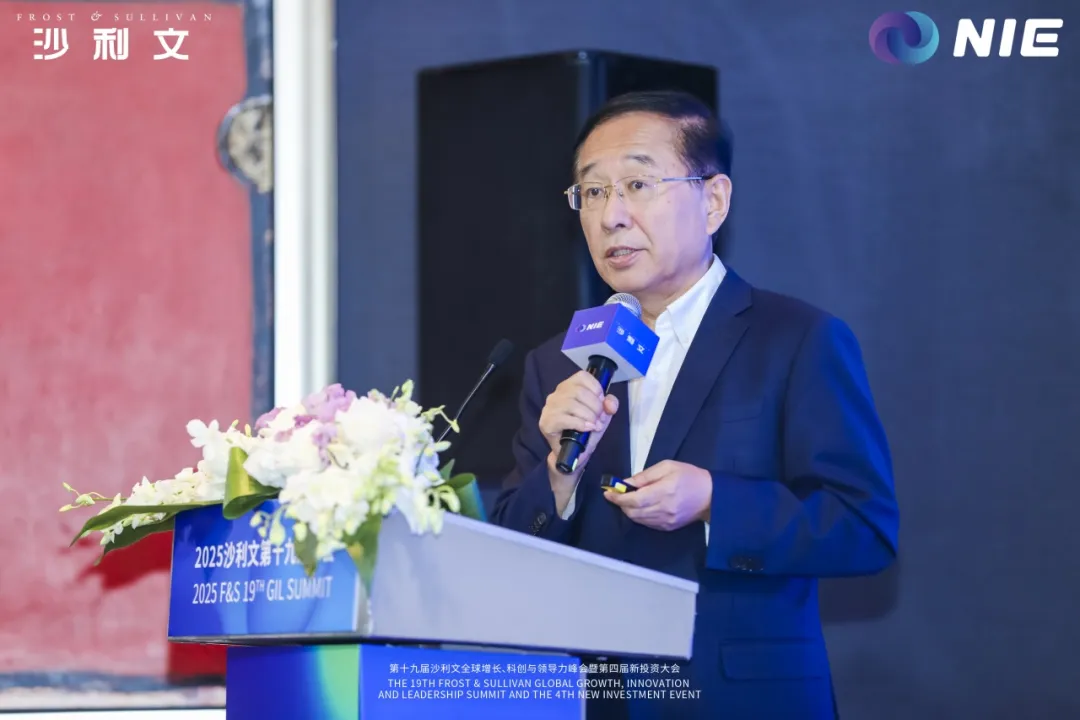
Professor Cai Jiangnan, Founder and Executive Chairman of Shanghai Chuangqi Health Development Research Institute
Professor Cai Jiangnan pointed out that during the rapid development stage of China's healthcare industry, the improvement of medical policies and regulatory systems is undoubtedly a booster for industry development. The state starts with healthcare policies, vigorously promoting the establishment of new medical insurance mechanisms and the improvement of payment systems to facilitate policy implementation and solve long-term security challenges, continuously empowering China's healthcare sector; at the same time, during the rapid R&D process of pharmaceutical and medical device products, the state should focus on upgrading and updating regulatory systems, accelerating product review processes, boosting innovation overseas, and creating unprecedented institutional dividends for the industry. Only by ensuring dual-driven policies and regulation can we maximize our support for China's internationalization of pharmaceutical and medical device industries.
Keynote Speech
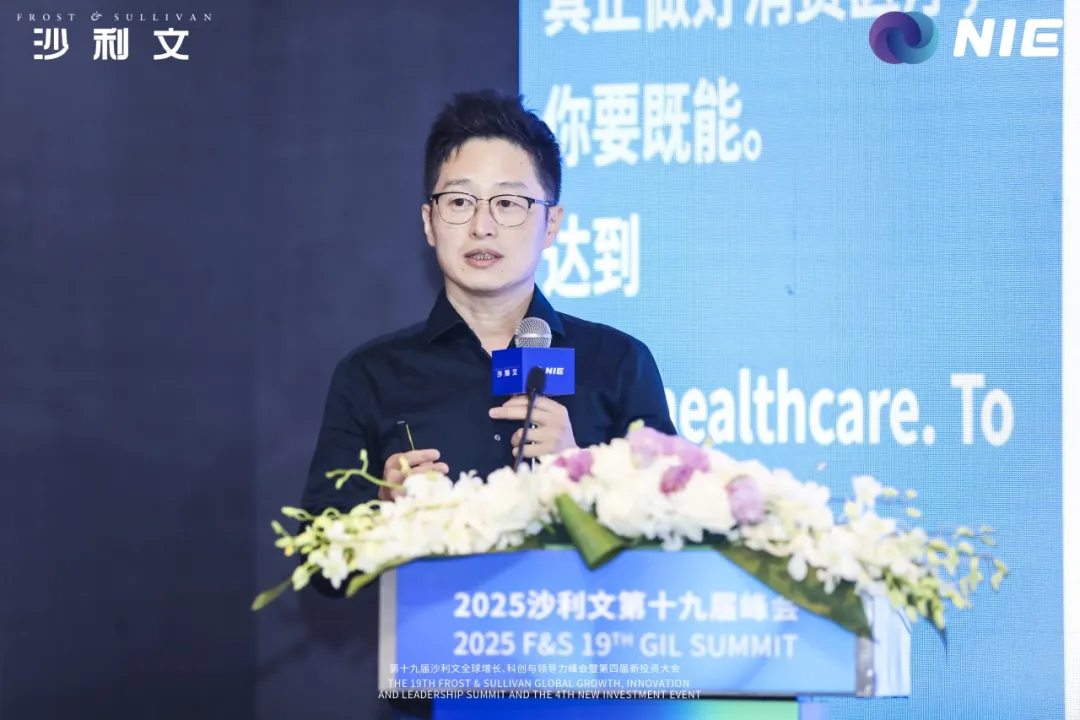
Director of Strategic Investment Asia-Pacific, Aiqi Technology, Cao Le
Cao Le pointed out that China's consumer healthcare market is currently in a critical stage of transcending cycles and moving towards a trillion-dollar scale. However, it still faces severe challenges such as homogeneous competition, tightening policy supervision, and doctor resources. China's consumer healthcare should vigorously promote consumer-centered whole-link health management, making technology-driven, digitalization, and AI deeply empowered as internal driving engines, promoting rapid product iteration. Under the principle of 'standardization, innovation, and win-win,' it should explore new models and cycles that suit national conditions, return to the essence of healthcare, rely on technological advantages and data assets, and build a global personalized health management ecosystem.
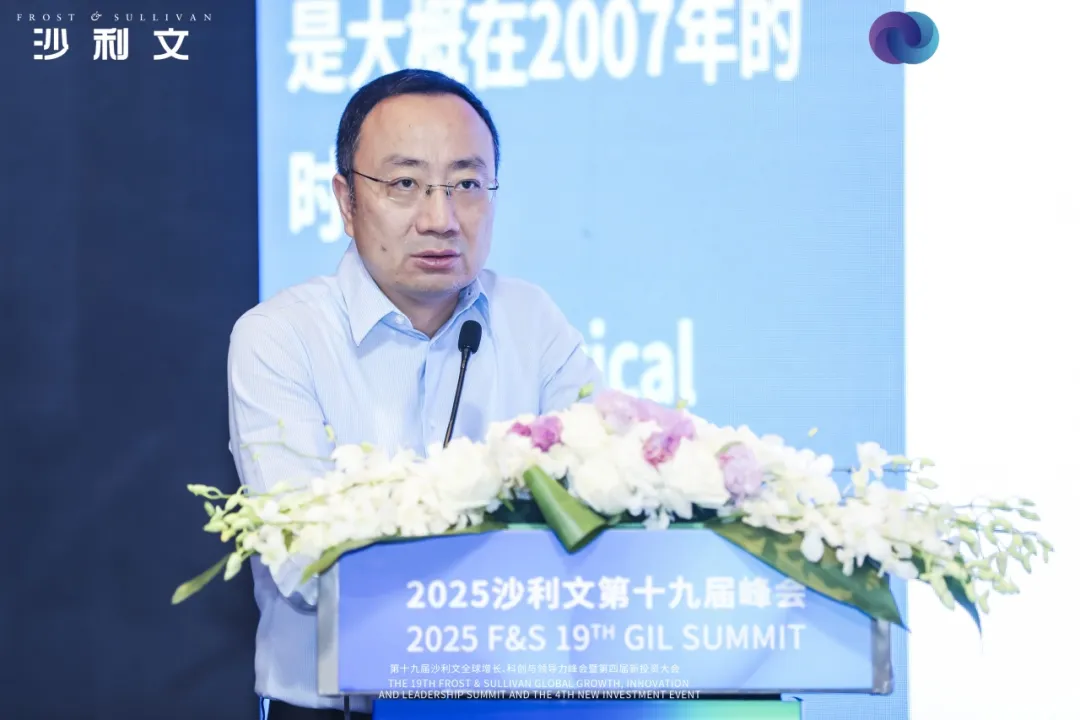
Zhang Jiangli, Chairman and CEO of Kunyuan Biology
Zhang Jiangli pointed out that cancer has become China's primary health threat. Data shows that cancer deaths account for 25% of total deaths among Chinese residents. How to improve the five-year survival rate for cancer patients has also become an urgent national problem that needs to be addressed. Kunyuan Biotechnology promotes early screening innovation with its leading DNA methylation technology, efficiently increasing the early detection rate of cancer. Through clinical practice with multiple products, it has formed a full-process management model of screening - diagnosis - monitoring, empowering the early screening market in China. At the same time, Kunyuan will continue to assist the national cancer prevention and control strategy with technological innovation, practicing the Healthy China goal of 'early detection, early intervention'.
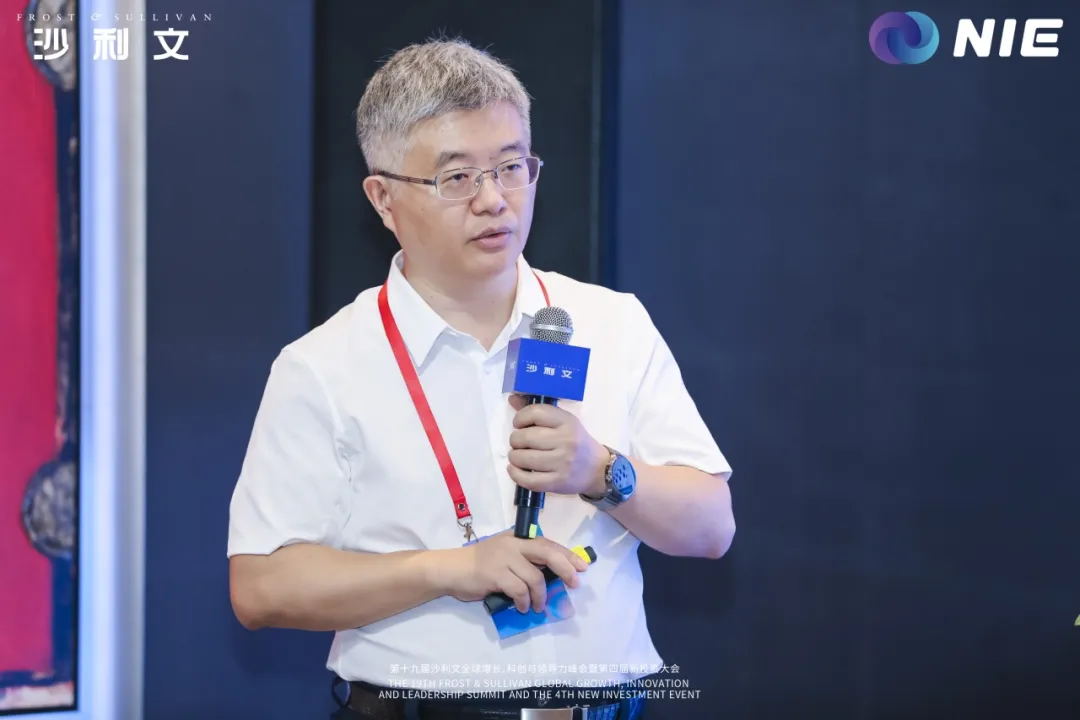
Founder & Managing Partner of Binlinxing Venture Capital, Sun Xiaolu
Sun Xiaolu pointed out that China's medical device industry is reshaping the global pattern with its full-chain advantages: device companies rely on a 100% domestic supply chain system and thousands of hospitals collaborating to build clinical systems, which helps products quickly complete clinical trials and significantly improve production capacity efficiency. At the same time, to sustain the steady development of Chinese medical innovation and promote industrial exports, companies can accelerate product research and development through cross-border collaboration, enhance domestic industry competitiveness, and drive China from a major medical manufacturing country to an innovation hub.
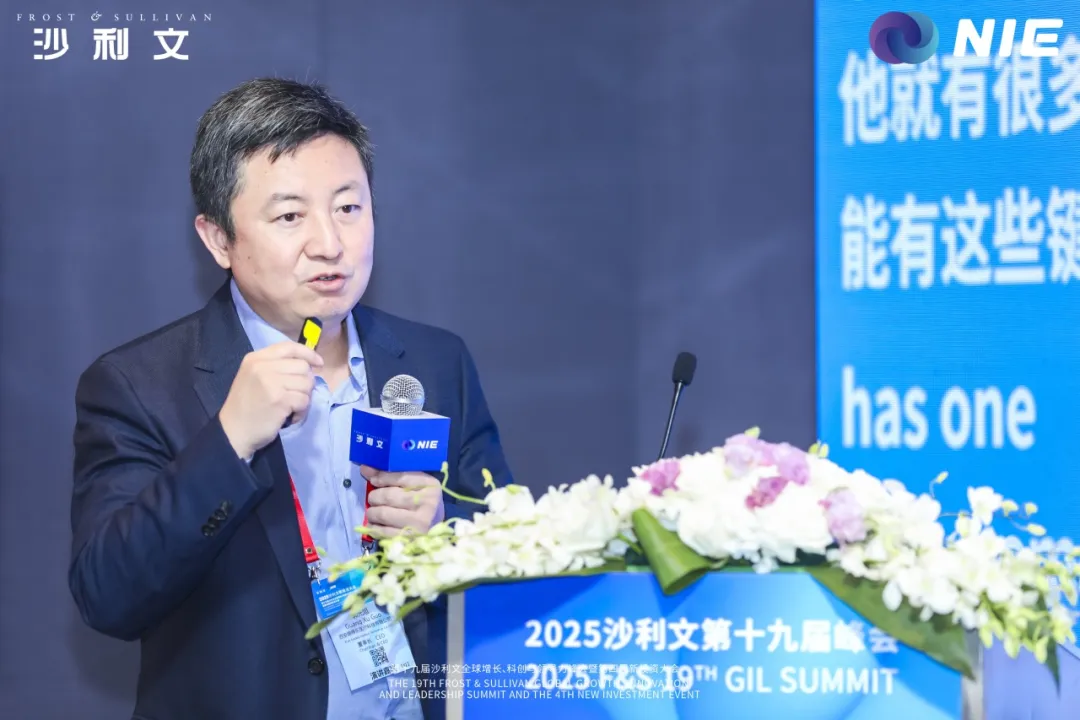
Guo Guangxu, Chairman and CEO of Xi'an EyeMed Medical Technology Co., Ltd.
Guo Guangxu pointed out that with the upgrading of national health needs, the source innovation of high-end medical implant devices is becoming a national strategic focus. The core challenge is how to solve the long-term biostability of implant materials. Enterprises should shift their focus on independent research and development of new materials to accelerate the pace of domestic substitution; at the same time, enterprises still need to strengthen material cooperation to accelerate global deployment and clinical popularization of products. Xi'an EyeMed will work with Chinese medical device enterprises to deeply cultivate the field of innovative device development, promoting China's leap from 'Made in China' to 'Intelligently Made in China' in the field of biomedical materials.
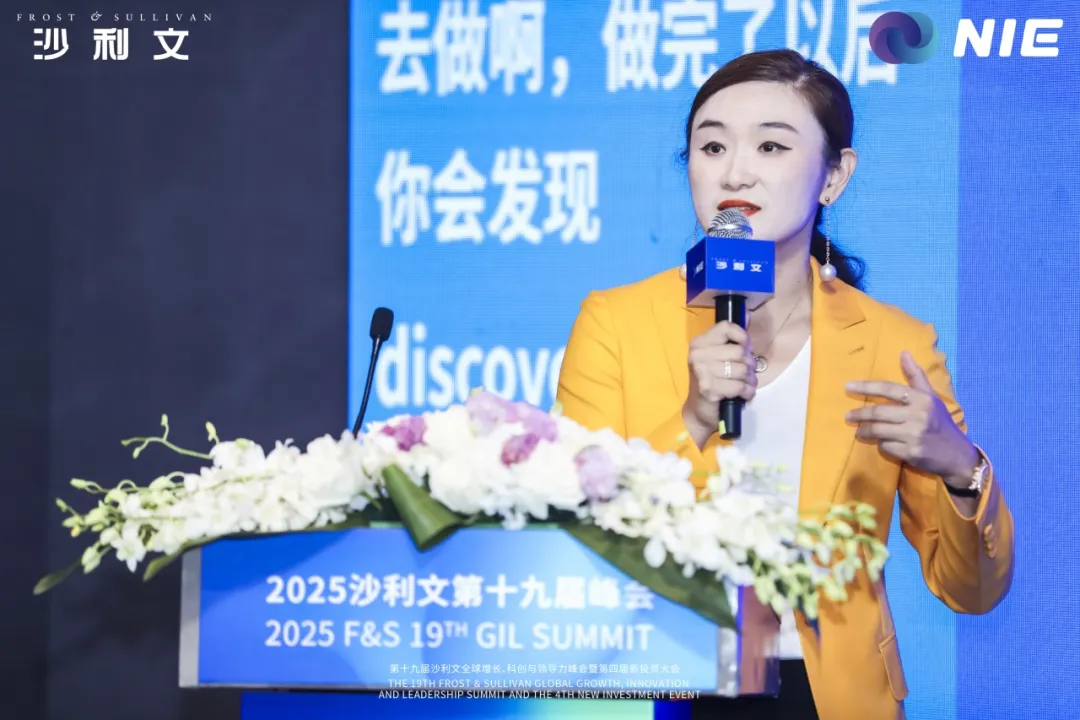
Wang Li, CEO & Chairman of XinYi Medical
Wang Li pointed out that the diagnosis and treatment of cardiovascular diseases are undergoing a technological revolution. Facing the high recurrence and repeated hospitalization challenges of over 64 million heart failure patients globally, the domestically produced new medical device, the ReDS Pulmonary Water Monitor, has risen to prominence. Clinical data show that with its precise detection and quantification capabilities, it can reduce the readmission rate and mortality within 30 days by up to 91%. At the same time, with breakthroughs in self-developed technology and intelligent automation processes, new treatment technologies and materials such as heart valves are becoming increasingly mature, enabling significant reduction in surgical risks while operating volumes surge. Heart Medical emphasizes that China's leading innovation not only solves clinical problems but also effectively promotes healthcare accessibility. China's innovation in breaking through global high-end medical fields and markets will make a huge contribution to all humanity.
NIE 2025
Release Ceremony of the "Blue Book on the Current Situation and Trends of China's Medical Device Internationalization in 2025"
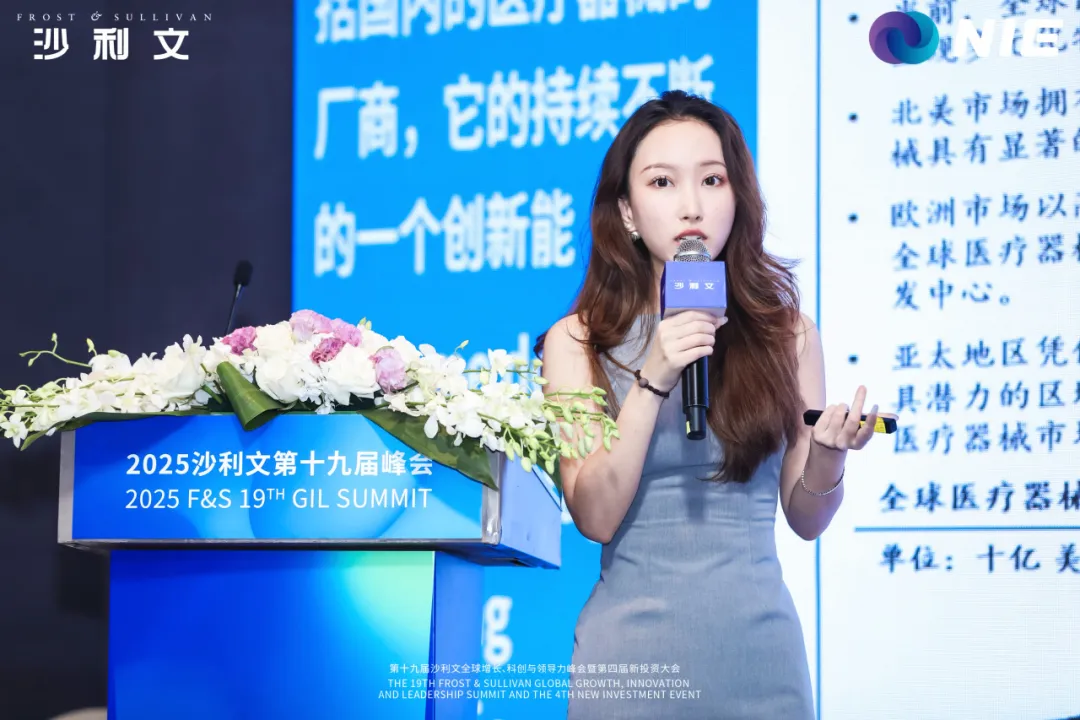
Hao Shuai, Consulting Director, Healthcare Business Unit, Frost & Sullivan Greater China
Hao Shuai introduced that China's medical device exports are undergoing a critical leap from quantity to quality. In 2024, the export scale exceeded one trillion US dollars, with over 32,000 manufacturing enterprises, but the unit output was only 320 million yuan. The dispersion of production capacity and insufficient high-end capabilities remain pain points. In the future, to break through in the medical device industry, efforts need to focus on three key capabilities: high-end product research and development (such as imaging equipment), intelligent production cost reduction, and differentiated access strategies to the high-end markets in Europe and America and emerging markets in Southeast Asia—this is not only the way to optimize production capacity but also the inevitable path for Made in China to climb up the global value chain.
NIE 2025
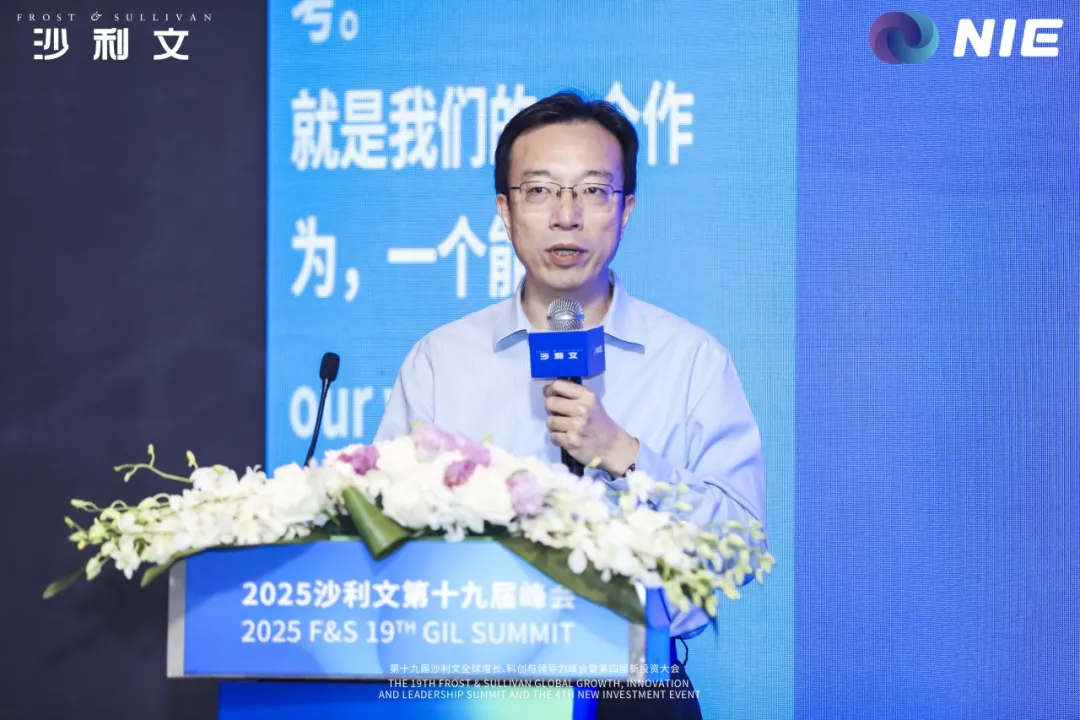
Zhu Jun, General Manager of Kangfeng Biotechnology (Shanghai) Co., Ltd.
Zhu Jun pointed out that the current innovative track of minimally invasive treatment is injecting vibrant vitality into Chinese healthcare. Minimally invasive interventional cryotherapy has been deployed in the field of chronic diseases, demonstrating great potential with its high precision, high adaptability, minimally invasive nature, pain relief, and high tissue selectivity. Kangfeng Biotechnology believes that China's medical device industry should persist in product deep cultivation and multi-field exploration of platform technology. By integrating interdisciplinary knowledge, it can accelerate product research and innovation breakthroughs. In an environment where innovative technologies continue to iterate, it can improve treatment efficiency and enhance the international competitiveness of domestic device treatments. Kangfeng Biotechnology has currently developed several internationally pioneering cryotherapy products.
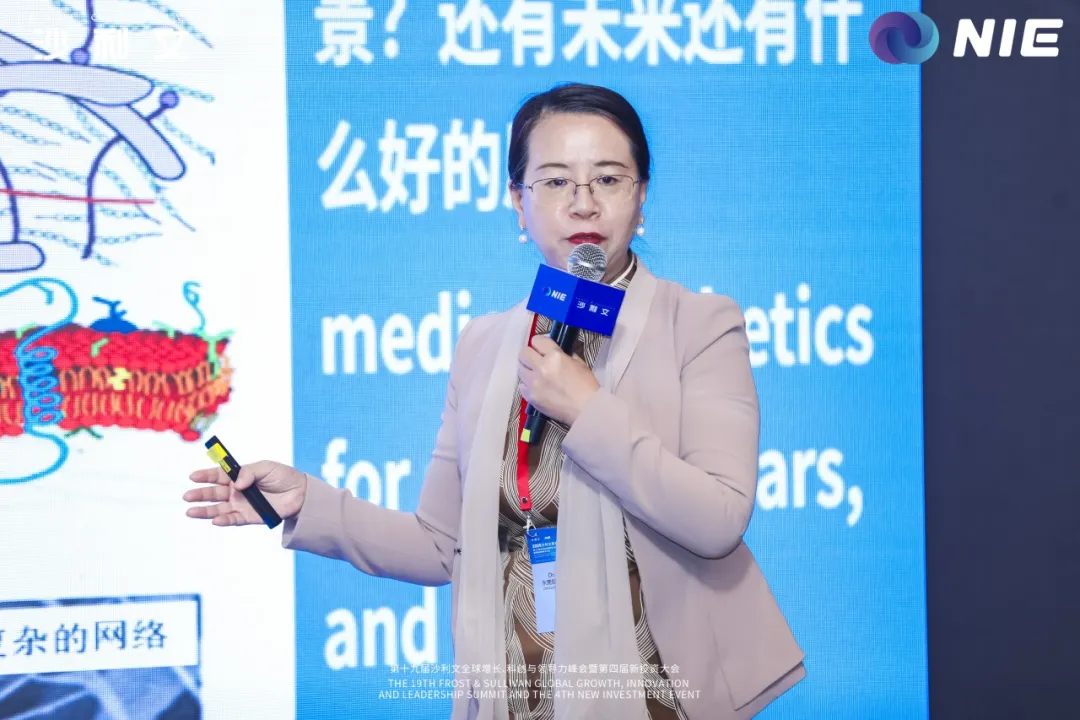
Zhang Chunli, CTO of Hengyi Biotechnology
Zhang Chunli introduced that driven by the huge wave of rise in China's healthcare industry, China's medical aesthetics and biomedicine fields show great application prospects. Biomedical enterprises continue to explore research and development, adhere to independent innovation, and accelerate the macro trend of domestic product substitution. Although the industry growth rate is obvious, enterprises still have a long way to go. They should broaden their horizons to look globally, strive to promote the global market layout of domestic products, and at the same time lay a solid technical foundation. They should form a research and development concept leap from 'ingredients' to 'ecosystems', and strive to achieve the business goal of Chinese enterprises moving towards high-end and internationalization.
NIE 2025
Release Ceremony of the "Blue Book on the Current Situation and Future Development of Medical Beauty Injection Products Industry in 2025"
Zhao Yidi, Consulting Director of Healthcare Business Unit, Frost & Sullivan Greater China Region
Zhao Yidi pointed out that the medical beauty injection market is embracing structural growth opportunities. The scale of non-surgical medical beauty continues to expand, with injection projects becoming the core driving force. Platforms such as Weibo, Rednote, and Douyin have become hubs for consumer decision-making, rapidly increasing the penetration rate of injection products through real case sharing and information transparency. Driven by both consumption upgrading and digital marketing, injectable medical beauty has shifted from luxury consumption to popular demand, with a market worth hundreds of billions accelerating towards standardization, efficiency, and personalization.
NIE 2025
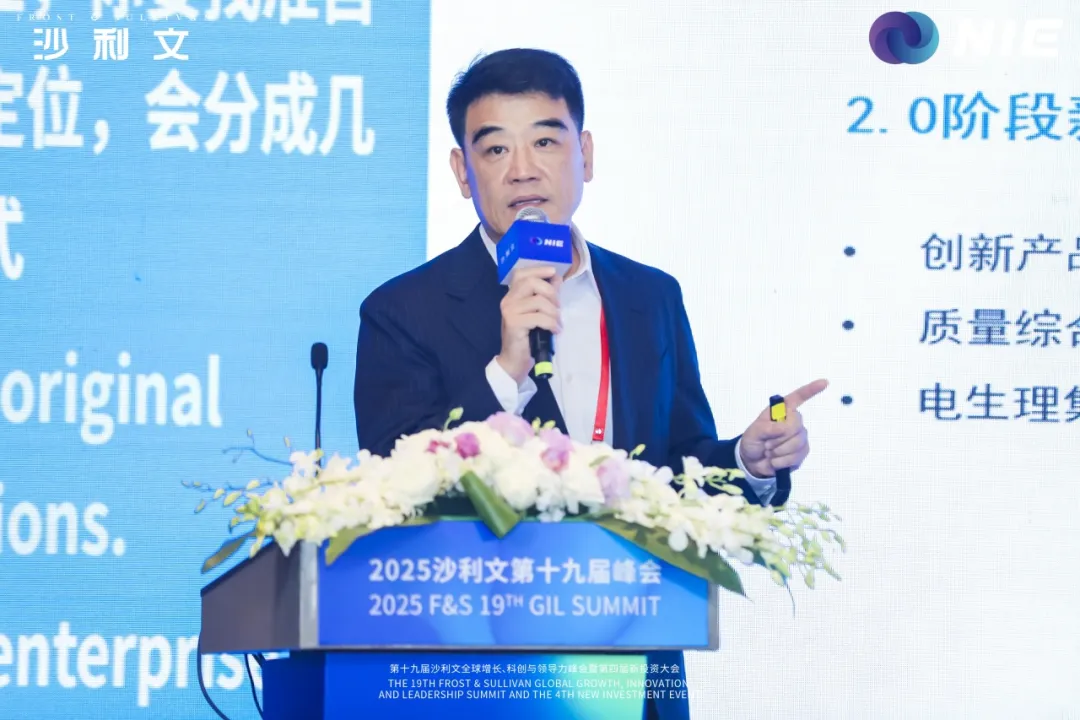
Cheerise Medical Technology Chairman Che Haibo
Che Haibo pointed out that as China's medical industry rises, centralized procurement policies have become the key core for cost reduction and efficiency improvement, as well as solving the problem of overcapacity on the supply side. Centralized procurement is an inevitable part of supply-side reform and inclusive healthcare, as well as increasing the accessibility of medical services. Currently, centralized procurement policies are reshaping the price market to continuously empower China's medical device industry. Data shows that the price of coronary stents has been reduced by 90%, and peripheral consumables by 40-75%. Behind the sharp cost reduction is a dual-wheel drive of healthcare inclusiveness and industrial upgrading, which has led to a rapid development trend in China's medical device industry characterized by 'giving up volume for price' to achieve scale effects and then feeding back into research and development.
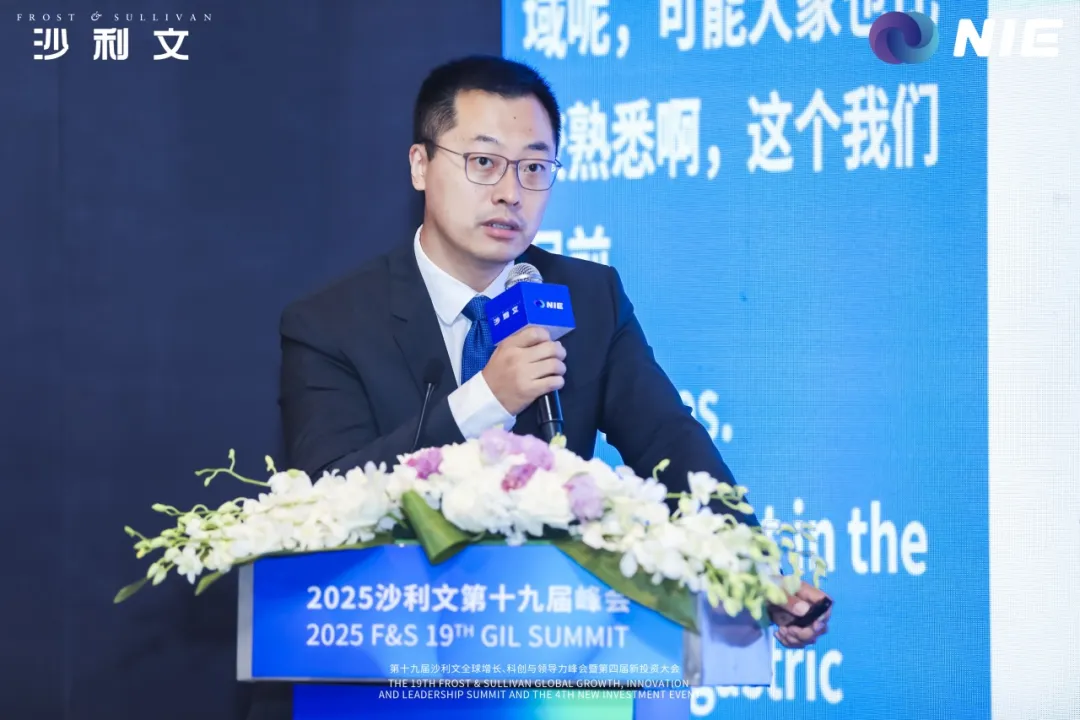
Dr. Chao Chongwei, CEO of DPM
Dr. Chi Chongwei pointed out that molecular imaging technology is gradually moving from research to clinical practice, and new technological innovations will reshape the future landscape of precision surgery. Data shows that the annual compound growth rate of minimally invasive surgical procedures in China exceeds 18%, and it is expected that the endoscopic market will exceed 60 billion yuan by 2030. At the same time, with the acceleration of import substitution policies, market demand will drive faster technological iterations, and intraoperative real-time cell and molecular level-guided precision surgery will become a reality. Based on the current situation, DPM Company is committed to independent innovation and looking ahead. With the support of previous national projects, it has overcome challenges in optical molecular imaging technology, leading a new journey in the niche industry through innovative products, providing a key paradigm for China's high-end medical equipment to enter the international market.
NIE 2025
Roundtable discussion
Roundtable Discussion: Innovation-driven and Ecological Synergy: The Breakthrough Path for the High-quality Development of Medical Devices in China
The discussion was chaired by Chen Qiqiang, Vice President of the Investment Banking Business Management Committee at CITIC Construction Investment Securities. Guests participating in the discussion included Yang He, CEO of Weima Medical, Zheng Hongzhe, President of the Strategy Department at Jiangsu Yuyue Medical Equipment Co., Ltd., Xing Zhikai, Director of the Engineering Technology Center at Shanghai MicroPort Medical Technology (Group) Co., Ltd., Du Peng, Business Development Director at Shanghai Haohai Biotechnology Co., Ltd., and Xu Qiang, Managing Director of Sequoia China.
During this roundtable discussion, the guests engaged in dialogue on how to break through the closed-loop integration of industry, academia, research, and healthcare, and how to implement domestic substitution for core components. They also analyzed the intersection points of three main lines: the dividend from innovative device approvals, DRG/DIP payment reforms, and internationalization breakthroughs. The discussion explored the strategic choices made by enterprises in different market access rules, supply chain resilience layout, and overseas brand building. In addition, the guests had an in-depth and inspiring exchange on how to transform the policy window period into sustainable global competitiveness through ecological collaboration and technological innovation.
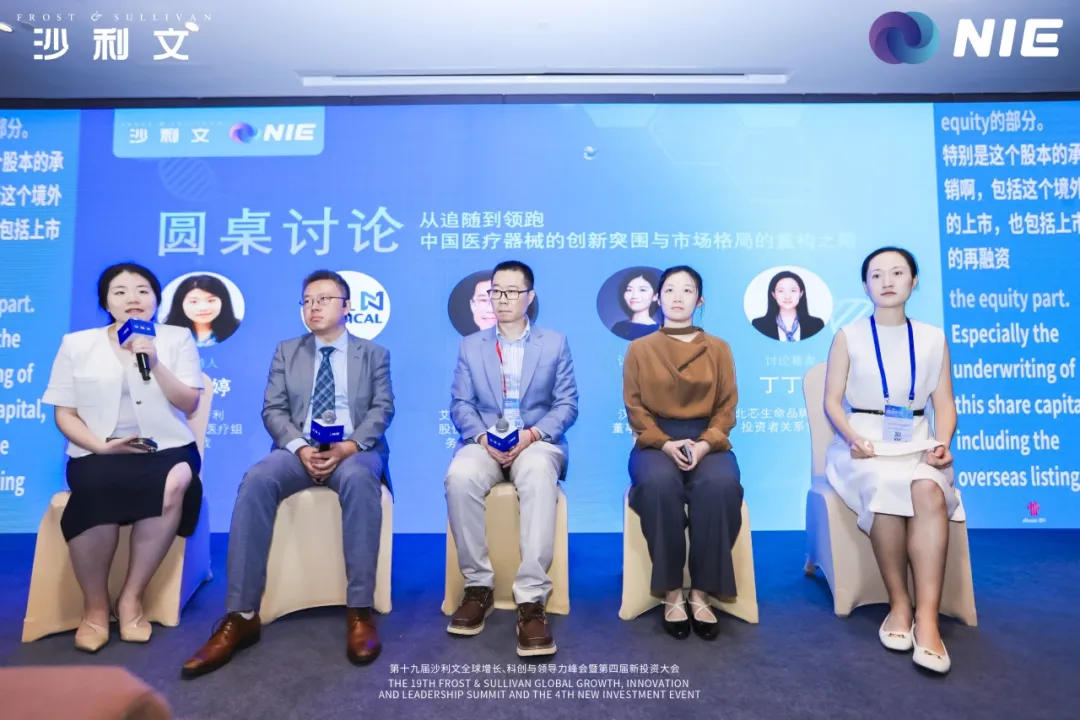
Roundtable Discussion: From Followership to Leadership: The Road to Innovation Breakthrough and Market Pattern Reconstruction in China's Medical Devices
The discussion was chaired by Cai Linting, Vice President of Healthcare at Morgan Stanley's Asia-Pacific Investment Banking Department. Guests participating in the discussion included Wang Tao, Secretary of the Board of Directors of Yongxin Medical Equipment Co., Ltd.; Ding Ling, Chief Financial Officer and Secretary of the Board of Directors of Aike Medical Devices (Beijing) Co., Ltd.; Ye Ying, Secretary of the Board of Directors of Hanuo Medical; and Ding Dingding, Head of Brand Communication and Investor Relations at Beixin Life.
During this roundtable discussion, the guests focused on the main theme of 'Order Reconfiguration and Value Breakthrough', delving into how Chinese medical device companies use innovative R&D as a spear to break through the 'first-mover advantage' of imported brands. They started from early commercialization pain points and shared practical responses in channel deployment, clinical education, cost control, and brand trust building. Looking ahead, the guests further exchanged strategies from 'offensive' to 'defensive': by continuously iterating product pipelines, building multi-level channel barriers, strengthening after-sales and data service capabilities, and creating an ecosystem-level cooperation network, they aim to consolidate their hard-won market position and achieve long-term value leaps.
More exciting moments from the conference