Recently, “Oriental Meigoo”, located in the Shanghai Hangzhou Bay Economic and Technological Development Zone, announced that it will initially build720The first launch site and pilot zone for the nucleic acid industry. The nucleic acid industry here does not refer to nucleic acid testing, but rather to new biotechnologies including vaccines and drugs.
From a global perspective, innovation capability has always been the foundation for the biopharmaceutical industry to thrive and is also the source of continuous development for the industry. Frost & SullivanFrost & Sullivan,Dr. Wang Xin, Global Partner and President of Greater China at Frost & Sullivan (hereinafter referred to as 'Frost & Sullivan'), was interviewed by CBN to discuss the current state and future development of the nucleic acid drug market industry.
CBN
Nucleic acid vaccines and drugs have sparked a third wave of biotechnology innovation globally. Recently, 'Oriental Biotech Valley' in Shanghai Hangzhou Bay Economic and Technological Development Zone announced that it will initially build720The first launch site and pilot zone for the nucleic acid industry per mu. It should be emphasized that the nucleic acid industry here refers not to nucleic acid testing, but to new biotechnologies including vaccines and drugs.
From a global perspective, innovation capability has always been the foundation for the biopharmaceutical industry's survival and the source of sustainable development. Shanghai has significant advantages in the fields of life health and vaccine innovation. The new industrial pilot zone also reflects an increasing enthusiasm for nucleic acid drug research and development, with continuous development and maturation of upstream and downstream enterprises in the industrial chain, which will promote the commercialization process of nucleic acid drugs.
According to a reporter from CBN, the park has gathered a group of nucleic acid drug companies, includingmRNAVaccine manufacturer Sinovac Biotech and its supplier Vector Biologics. Sinovac Biotech's factory in Fengxian is expected to be operational2The annual production of hundreds of millions of doses. According to official information, Zhaowei Biotech, as the world's largest oligonucleotide and gene monomer manufacturer, supplies about70%, with an annual output value reaching15Yuan; this year7Month, Zhaowei Biotech Investment25The R & D and production base for billion-yuan small nucleic acid drugs will also start construction.
According to the latest report released by research institution Frost & Sullivan, nucleic acid drugs developed using the translation or regulatory functions of nucleic acid molecules can address unmet clinical needs brought about by 'undruggable' targets and are expected to become the third major type of drug following small molecule and antibody drugs.
Globally, nucleic acid drugs have been developed for many years, and several blockbuster nucleic acid drugs have been launched, among whichmRNAMainly composed of small nucleic acid and two other types of nucleic acid drugs,mRNAVaccines are a typical example. According to the statistical data from Frost & Sullivan,2021Year, Pfizer/BioNTechandModernaTwo developed by the companymRNAGlobal sales revenue from COVID-19 vaccines reached587billion dollars.
In addition to vaccines,mRNAThere is also great potential in the field of tumor treatment.BioNTechandModernaAll have entered the clinical stage with corresponding pipelines.
"
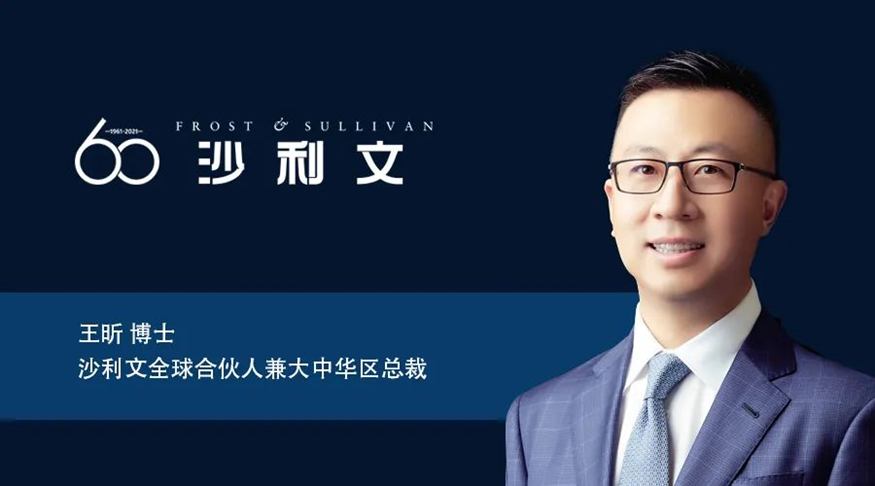
Dr. Wang Xin, Global Partner at Frost & Sullivan and President of the Greater China Region, told CBN reporters: “mRNAThe application of drugs in tumor vaccines is currently still in the concept validation phase; there are still key technical bottlenecks that need to be overcome, including two major obstacles: poor targeting and unstable expression.
Small nucleic acid drugs have also been a key focus in the biopharmaceutical field in recent years. According to Frost & Sullivan data, as of this year5months, globally14A small nucleic acid drug has been approved for marketing. The global market scale of small nucleic acid drugs has grown from2016year1000Ten thousand US dollars grew to2021year32.5billions, with an annual compound growth rate as high as217.8%and entered the field of chronic disease treatment, such as between Novartis andAlnylamA long-acting lipid-lowering drug developed by the company.
"
"Compared with traditional drugs, small nucleic acid drugs have multiple advantages such as a rich array of candidate targets, a wide range of indications, simple drug design, short development cycles, strong targeted specificity, and long-lasting effects," Wang Xin told CBN reporters.
However, small nucleic acid drugs also face issues such as how to efficiently enter target cells, release into the cytoplasm, and exert their effects efficiently and for a long time. 'Among them, the most critical core technology is nucleic acid drug delivery technology. Drug delivery protectionRNAIt plays an important role in aspects such as structure, enhancing targeting ability, reducing dosages, and minimizing toxic and side effects." he told a reporter from CBN.
Wang Xin introduced that the industrial chain of nucleic acid drugs includes upstream raw materials, midstream R&D and production, distribution and transportation, and downstream end-user use. Currently, domestic companies deploying nucleic acid drugs are mainly concentrated in the midstream R&D and production sector. Listed companies include Shengnuo Medicine, Ruibo Biotechnology, and Tengsheng Bopharm; self-developing companies include Aibo Biotechnology and Agnabio.
Academician Gao Fu of the Chinese Academy of Sciences mentioned our countrymRNAThe industry outlook has also been mentioned to CBN reporters,mRNAThere is great room for imagination, but currently, key core technologies are still in the hands of a few North American companies. Chinese researchers should keep up with the forefront of biotechnology and solve the problems of 'neck-sticking' and 'brain-sticking'.
*This article is reprinted from "CBN Financial News". The reporter is Qian Tongxin, Original title: Shanghai has increased its investment, setting off a third wave of biopharmaceutical research and development globally ">