From April 6th from 00:00 to 24:00, there were 1,284 new confirmed COVID-19 cases and 21,711 new asymptomatic infections in China. Among them, Shanghai added 322 new local confirmed cases and 19,660 asymptomatic infections; as of now, the cumulative number of positive infected individuals reported for this round of the epidemic in Shanghai has exceeded 100,000.
In response to the high incidence of this round of the epidemic in China, it is urgent to develop antiviral drugs that can combat COVID-19. Xu Chao, a pharmaceutical industry analyst at Frost & Sullivan (hereinafter referred to as 'Frost & Sullivan') for Greater China, was interviewed by CBN to discuss the research and development status of COVID-19 drugs by major pharmaceutical companies.
CBN
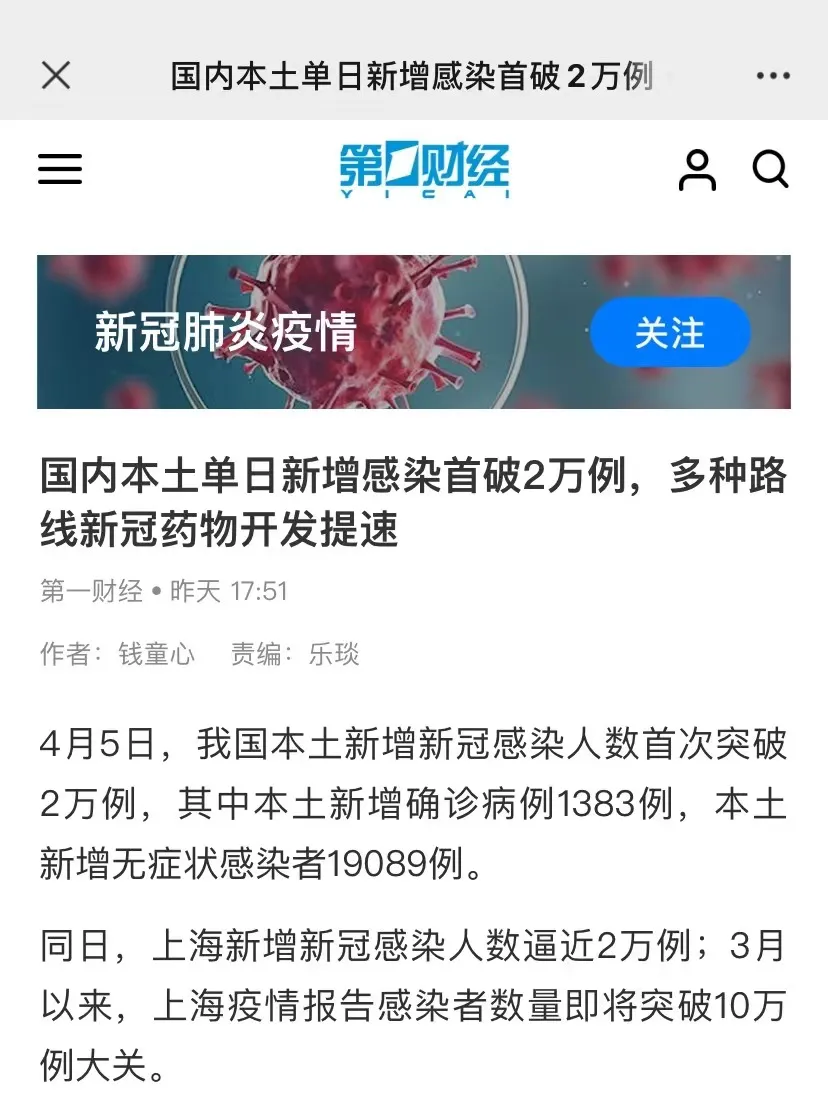
On April 5th, the number of new COVID-19 infections in China exceeded 20,000 for the first time, including 1,383 new confirmed cases and 19,089 new asymptomatic infections.
On the same day, the number of new COVID-19 infections in Shanghai approached 20,000; since March, the number of reported infected individuals in Shanghai is about to exceed the 100,000 mark (latest data: already exceeded 100,000).
In response to the high incidence of this round of the epidemic in China, it is urgent to develop antiviral drugs that can combat COVID-19. On April 6th, Kuaipo Pharmaceutical announced the global multi-center clinical data results of its oral COVID-19 drug Pekluram for treating mild to moderate COVID-19 cases, bringing hope to the research and development of small molecule drugs for COVID-19 in China.
As of the close on April 6th, the Hong Kong stock price of Kuaipo Pharmaceutical rose by more than 100%; the Hong Kong stock prices of Tengsheng Bio and Clover Biopharmaceutical also rose by more than 10%.
From the key data results of the Phase III global multi-center clinical trial of Pekluram announced by Kuaipo Pharmaceutical, for 730 patients who received at least one day of treatment, Pekluram reduced the risk of hospitalization or death by 50% compared to the control group; for 693 patients who received more than seven days of treatment, Pekluram reduced the risk of hospitalization or death by 100% compared to the control group.
However, the above research data are still relatively preliminary and face challenges such as insufficient sample size for clinical research data. Kuaipo Pharmaceutical responded to CBN reporters by saying: 'Detailed data are being compiled and will be disclosed through publishing articles or conference submissions.'
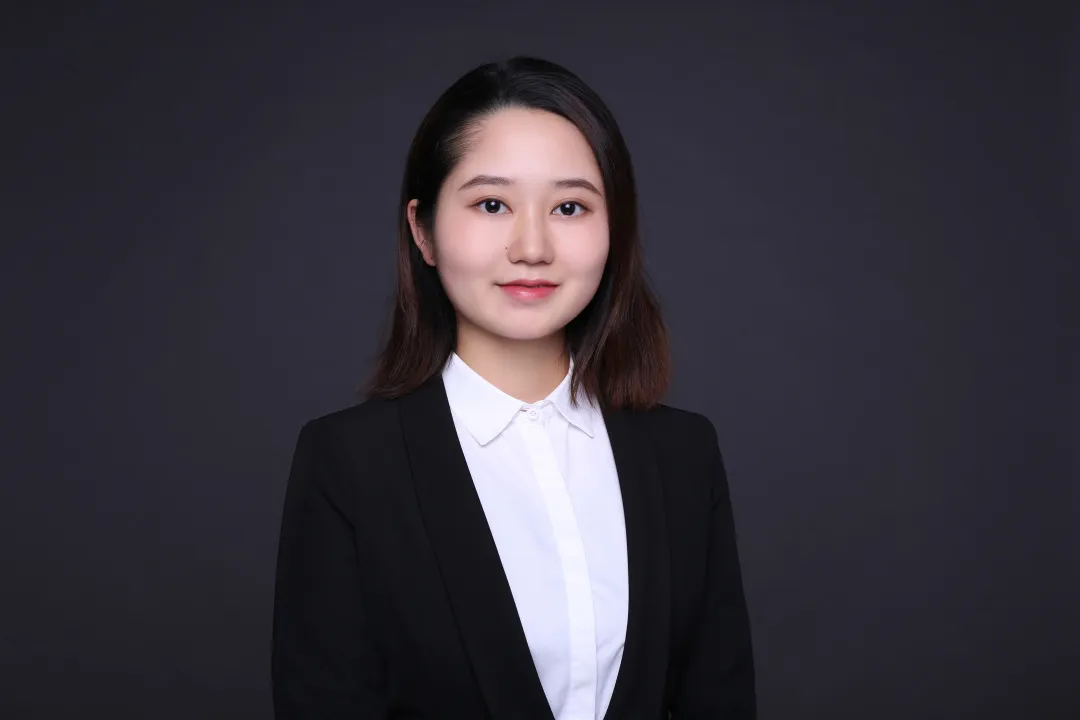
Xu Chao, Analyst at Frost & Sullivan Greater China Pharmaceutical Industry
'Pfizer's Paxlovid and Merck's Molnupiravir have been successively approved, and we look forward to domestic oral COVID-19 drugs benefiting patients as soon as possible. Currently, Lianhua Qingwen Capsules and Jinhua Qinggan Granules in China can be used for COVID-19 treatment. The antiviral drug Remdesivir/Alberta Ferrovir (RBAF) combination therapy from Tengsheng Bio has been approved, and several neutralizing antibody therapies and oral COVID-19 treatment drugs are in clinical trial stages.' said Xu Chao, an analyst at the research institution Frost & Sullivan for the pharmaceutical industry to CBN reporters.
In the 'Diagnosis and Treatment Protocol for Novel Coronavirus Pneumonia (Trial Version 9)', Pfizer's small molecule oral COVID-19 drug Paxlovid and Tengsheng Bio's monoclonal antibody RBAF/Remdesivir injection have been included. Currently, biotech companies including Junshi Biosciences are also developing related COVID-19 antibody drugs and seeking clinical trials and marketization in China.
Yu Zilong, Partner at PwC China Life Sciences, told CBN reporters that there are currently three main technical routes for COVID-19 drug research and development, including drugs that block the virus from entering cells (mostly antibody drugs), drugs that inhibit viral replication (mostly small molecule drugs), and drugs that regulate the human immune system (traditional Chinese medicine formulas, etc.). Kuaipo Pharmaceutical's oral drug Pekluram belongs to small molecule drugs.
'With the launch of Pfizer's small molecule oral COVID-19 drug Paxlovid in China, small molecule drugs continue to heat up, which will drive the development of various emerging technologies in this field in the long run, including artificial intelligence, PROTAC, molecular adhesives, etc.' Yu Zilong told CBN reporters.
Phase III clinical studies of domestic small molecule COVID-19 drugs are also underway. Last month, the Phase III clinical trial of VV16, a COVID-19 antiviral small molecule drug developed by Junshi Biosciences, was initiated among subjects with moderate to severe COVID-19, and the first patient enrollment and dosing have been completed.
'The subsequent large number of production orders brought about by COVID-19 drug research and development pose higher requirements for capacity.' Yu Zilong told CBN reporters, 'Benefiting from the rapid production of CDMO companies, the time required to successfully develop a drug can be significantly shortened compared to the past, bringing opportunities for humanity to resist diseases. Therefore, in the near future, the CDMO business model is expected to be promising.'
He also said that in the long run, continuous improvement in local production technology brought about by COVID-19 will enable stronger adaptability, a more stable supply chain system, and more efficient delivery efficiency in global emergencies.
*This article is reprinted from 'CBN', authored by Qian Tongxin, with the original title 'Domestic Local Daily New Infections Exceed 20,000, Multiple Routes of COVID-19 Drug Development Accelerate'.