Recently, Guangdong Hengjian Investment Holdings Co., Ltd., a wholly-owned enterprise of the Guangdong State-owned Assets Supervision and Administration Commission, and Guangdong Private Investment Co., Ltd. jointly established the Guangdong Prefabricated Food Industry Fund, with the parent fund reaching50RMB 10 billion, and in the future, a sub-fund group with a scale of tens of billions will be formed.
Many people have different views on the prospects of prefabricated dishes. Why does Guangdong support the development of prefabricated dishes so firmly and rapidly? What are Guangdong's advantages in developing prefabricated dishes? What kind of help or support do prefabricated dish enterprises currently need? What is the outlook for the prefabricated dish industry? Frost & SullivanFrost & Sullivan,Zhang Jian, Partner and Managing Director of Frost & Sullivan's Greater China Region, was interviewed by Economic Observer Network to discuss the reasons behind Guangdong Province's vigorous development of prefabricated dishes and the future development of the prefabricated dish industry.
Economic Observer Network
Unlike the stock market's fluctuating investment trend in prefabricated dishes, local governments' enthusiasm for supporting the prefabricated dish industry continues, and support measures are being implemented in an orderly manner.
According to the official website of the Guangdong Provincial Government,7month7On [date], Guangdong Hengjian Investment Holdings Co., Ltd. (hereinafter referred to as 'Hengjian Holdings') and Guangdong Private Investment Co., Ltd. (hereinafter referred to as 'Yuemin Investment') jointly established the Guangdong Prefabricated Food Industry Investment Fund, which is the first provincial-level prefabricated food industry investment fund in China, with the parent fund reaching50RMB 10 billion, with the expectation of forming a sub-fund group worth tens of billions in the future. Investment will be made in key areas and critical links of the industrial chain such as prefabricated food production, warehousing, distribution, consumption, and equipment manufacturing.
The Guangdong Prefabricated Food Industry Investment Fund, backed by Hengjian Holdings and Yue Min Investment, has gathered dual support from local state-owned and private capital in Guangdong. Public information shows that Hengjian Holdings was established in2007In [year], it was undertaken by the State-owned Assets Supervision and Administration Commission of Guangdong Province100%Holding is a major strategic investment platform of the Guangdong Provincial Party Committee and Government, as well as a provincial state-owned capital operation company, aiming to assist in industrial agglomeration and upgrading in Guangdong Province. Yuemin Investment was established in2016In [year], the initial founding shareholders included well-known private enterprises in Guangdong such as Midea Holdings, Yingfeng Investment, Country Garden, Jiadu Group, Haitian Group, Wanhe Group, Xiangxue Pharmaceutical, and Libai Group.
In fact, across the country, Guangdong can be considered a leader in supporting the prefabricated food industry.2022year3In the month, Guangdong Province introduced the 'Ten Measures to Accelerate the High-Quality Development of the Prefabricated Food Industry in Guangdong' (hereinafter referred to as the 'Prefabricated Food Ten Measures'), which is the first provincial-level policy for the prefabricated food industry in China.2022year5In the month, the General Office of Guangdong Province announced the list of members for the Joint Conference on the High-quality Development of the Prefabricated Food Industry in Guangdong. Guangdong is the first province in China to establish a provincial joint conference system in the field of prefabricated food. The main responsibilities of this joint conference include coordinating the overall planning of the development layout and strategy of the prefabricated food industry across the province, guiding and supervising localities and relevant units in formulating and implementing policies and measures, strengthening publicity and policy interpretation, and supporting and regulating the development of the prefabricated food industry.
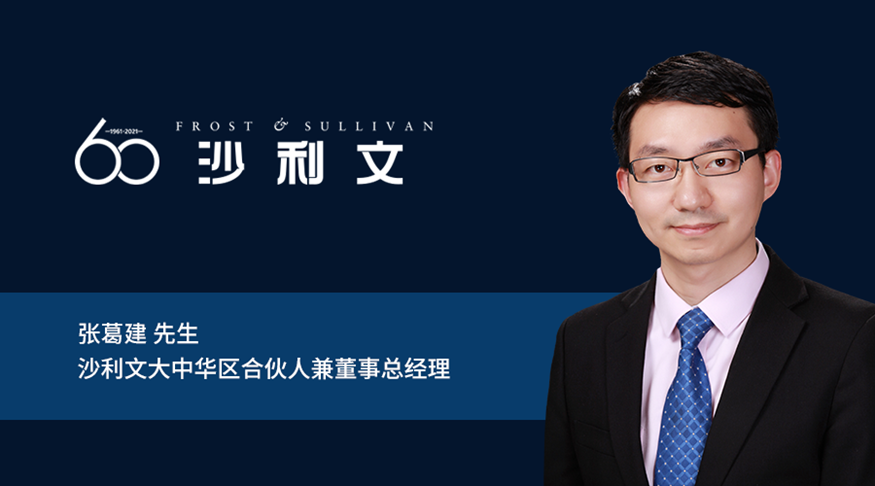
7month12On the same day, Zhang Jianshe, Partner and Managing Director of Frost & Sullivan Greater China, believed in an interview with an Economic Observer reporter that under the backdrop of normalized epidemics, for catering enterprises, prefabricated dishes may develop into a new business growth point. For agricultural product companies, prefabricated dishes can significantly increase the added value of agricultural products and contribute to rural revitalization.
Prefabricated dishes drive rural industrial upgrading
Prefabricated dishes refer to ready-to-eat or semi-prepared meals that are made by processing various ingredients with seasonings into finished products. Due to different ingredient combinations, they are categorized into vegetable prefabs, aquatic prefabs, livestock and poultry prefabs, etc.
since2021Since [start year], prefabricated dishes have received considerable attention. Industry statistics show that2021The year's catering industry prefabricated dish trackPE/VC investmentTotal investment events23Amount of financing started56100 million yuan, accounting for approximately the catering industry of that yearPE/VC investmentAmount of financing from investment events10%In the secondary market,2021year4Month, "The First Pre-prepared Meal Stocking Company" Wizzyxiang605089.SH) Log in to the SSE, and the issue price is28.53yuan/The stock price was once hyped up to exceed130Yuan, although the stock price has since fallen back, the current stock price is still65yuan/Shares on the left and right, with relative price increases exceeding100%. inAOn the stock market, many listed companies have also introduced their arrangements for prefabricated dishes.
"
In response, Zhang Jian told an Economic Observer reporter that against the backdrop of normalized epidemics, for catering enterprises, exploring the market for prefabricated dishes is a means to reduce costs and increase efficiency, as well as achieve transformation and upgrading. Prefabricated dishes could potentially become new business growth points for enterprises.
In the eyes of local governments, the potential for prefabricated dishes is even greater. "Prefabricated dishes represent a new model of integrated development of rural primary, secondary, and tertiary industries, a new business format that promotes the improvement and efficiency of the 'vegetable basket' project, and a new channel for farmers to increase their income and become prosperous by connecting one industry with another. It has positive implications for promoting entrepreneurship and employment, consumption upgrading, and rural industrial revitalization." The General Office of the Guangdong Provincial Government introduced the significance of the prefabricated dish industry in the 'Ten Prefabricated Dish Guidelines'.
"
Zhang Jian also saw the significance of developing prefabricated dishes for rural revitalization: 'For agricultural product enterprises, prefabricated dishes can greatly increase the added value of agricultural products, boost farmers' income, and effectively connect with rural revitalization policies.'
Chen Dong, member of the Party Leadership Group and Deputy Director of the Department of Agriculture and Rural Affairs of Guangdong Province7month10The case shared at the China Prefabricated Food Innovation and Development Summit held daily illustrates more vividly the impact of prefabricated dishes on enhancing the value of agricultural products—Maoming, Guangdong, is the largest tilapia farming and export destination in China, known as the 'Capital of Tilapia in China.' A considerable number of local farmers earn income from tilapia, with fresh tilapia prices ranging from3Yuan to5Yuan, but if tilapia is made into pickled fish or grilled fish, the price can soar to every jin40yuan or50yuan."
Zhang Jian believes that Guangdong has multiple advantages for developing the prefabricated food industry:
First is the industrial chain advantage, The upstream of the prefabricated food industry chain covers agriculture, forestry, animal husbandry, and fisheries. The midstream involves industrial manufacturing. The downstream corresponds to the food and beverage as well as catering industries. There are many links in the upper and lower industrial chains, which are relatively long. The prefabricated food industry chain in Guangdong has a relatively complete industrialization covering the upstream, midstream, and downstream;
Second is the technological advantage, Guangdong has a solid industrial technology foundation in food processing and other industries;
Third is the dietary culture advantage, Cantonese cuisine is one of the eight major cuisines, and 'Guangdong cuisine', 'Chaoshan cuisine', and 'Hakka cuisine' are very popular. The characteristics of Cantonese cuisine such as nutrition, health, lightness, and wellness have won the favor of many enthusiasts, which is conducive to the promotion of Cantonese prefabricated dishes;
Fourth is the demographic advantage, Guangdong leads the country in the number of floating population, and its large population base, combined with a fast-paced lifestyle, naturally creates a demand for convenient ready-made dishes;
Fifth is policy advantage. Not only has Guangdong taken the lead in introducing support measures for prefabricated dishes at the provincial level, but it has also made plans for how various regions within the province can develop prefabricated dishes. It proposes to build a highland for prefabricated dishes in Gaoyao, Zhaoqing, a food capital for aquatic prefabricated dishes in Zhanjiang, an industrial park for coastal seafood prefabricated dishes in Maoming, an import and export trade zone for prefabricated dishes in Nansha, Guangzhou, an international food city for prefabricated dishes in Nanhai and Shunde, Foshan, a world food capital for prefabricated dishes in Chaozhou, a global distribution center for prefabricated dishes by overseas Chinese in Jiangmen, as well as industrial clusters for Hakka prefabricated dishes in Meizhou, Heyuan, and Huizhou.
"Guangdong Province, under the active guidance of the government, has taken the lead in organizing and systematically developing the prefabricated food industry nationwide, and there is great potential for further development in the future." Zhang Jian commented.
The prefabricated cuisine industry in urgent need of development
Among local governments, not only Guangdong is supporting the development of prefabricated dishes, but also Weifang in Shandong, Liangping in Chongqing, and Fuping in Hebei have introduced support policies for prefabricated dishes.
"
In Zhang Jian's view, the prefabricated food industry is currently in its growth phase, with a highly fragmented market and a large number of small-scale enterprises. Most companies focus on a single category, and their business reach is limited. The prefabricated food boom reflects to some extent the evolution of prefabricated food fromBEndCThe trend of end penetration is evident. However, to gain the favor of individual consumers in the long run, prefabricated dish enterprises also need to cultivate capabilities in marketing, quality control, logistics management, brand building, and more.
At the same time, Zhang Jian believes that current prefabricated dish enterprises mainly need three types of assistance. The first is the formulation of industry standards. 'Industry standards are norms that prefabricated dish enterprises and every participant in the industry must follow, and they are also an important basis for consumers to safeguard their rights. At this stage, China's prefabricated dish industry still lacks detailed standards for each link. Therefore, prefabricated dish production safety standards endorsed by regulatory authorities and national industry organizations urgently need to be introduced to promote the standardization process of prefabricated dishes.'
Secondly, the improvement of cold chain logistics. 'Cold chain logistics is one of the key factors for the development of prefabricated dish enterprises. At present, the efficiency of cold chain logistics in China needs to be improved compared to developed countries, and the overall cold chain market has not yet fully matured. The government can cooperate with prefabricated dish enterprises to jointly explore ways to enhance the service capabilities and efficiency of the cold chain logistics link in the prefabricated dish industry.'
Thirdly, the cultivation of compound talents. The 'central kitchen' behind ready-made meals integrates support from multiple fields such as food processing and safety, cooking techniques, mechanical engineering, and supply chain. Traditional cooking technicians often lack this kind of knowledge. To meet the talent needs of ready-made meal enterprises, vocational schools and higher education institutions can try to cultivate compound talents with knowledge in various fields such as cooking techniques and food industry.
In the 'Ten Measures for Prefabricated Foods' in Guangdong Province, areas such as the research and development of prefabricated foods, regulatory norms, talent cultivation, warehousing and cold chain logistics, brand marketing, cultural science popularization, cultivation of demonstration enterprises, cluster expansion, and internationalization have all been taken into consideration. Related to the Guangdong Prefabricated Food Industry Investment Fund mentioned earlier, financial, banking, and insurance support for prefabricated foods is also within the scope of consideration in Guangdong Province.
The Guangdong Provincial Government has proposed to establish a development fund system for the prefabricated food industry in Guangdong, aiming to reduce the financing difficulties and costs for enterprises. Insurance institutions will be organized to connect with prefabricated food enterprises, and a series of special insurance products targeting prefabricated food products and raw material quality will be launched. Governments at all levels within the province should incorporate the development of the prefabricated food industry into their fiscal support scope. Under the premise of not forming hidden local government debts, eligible prefabricated food industry projects can apply for special local government bonds. Vigorously develop supply chain finance for the prefabricated food industry, and support financial institutions in developing special financial products for the prefabricated food industry.
this year6In [month], the Guangdong Branch of Industrial and Commercial Bank of China issued to a prefabricated food production and sales enterprise in Foshan City500A credit loan of ten thousand yuan, the first financing under ICBC's newly launched 'Ready-to-heat Meal Loan'; during the same period, Foshan also successfully launched its first comprehensive financial service business for the ready-to-heat meal supply chain; this year7In [month], PICC Property & Casualty Company Guangzhou Nansha Branch issued the first pre-fabricated food safety liability insurance in Guangzhou for an enterprise in Guangzhou, providing approximately300Ten thousand yuan for food safety liability risk protection.
*This article is reprinted from Economic Observer Network, Reporter Li Huaqing , Original title: Behind Guangdong's establishment of a provincial prefabricated food industry investment fund: leveraging the 'new business format' to boost rural industrial revitalization ">
Frost & Sullivan Insight & Extended Readings
Q: P prefabricated meals are indeed more popular than in the past, but even in the stock market, concept stocks related to prefabricated meals have experienced fluctuations. It can be said that many people have varying views on the prospects of prefabricated meals. Why is Guangdong so determined and swift in supporting the development of prefabricated meals?
A: Since “The First Pre-prepared Meal Product Company” Vegetable Flavor,2021year4The cumulative increase in the price of the stock since its listing on the Shanghai Stock Exchange has exceeded200%Leading the secondary market's prefabricated dish sector with continuous heat. In addition, there have been frequent investment and financing events for prefabricated dish companies in the primary market.2021Total investment and financing events in the prefabricated dish track of the catering industry in 202323Amount of financing500Hundreds of millions, accounting for the entire catering industry's financing amount10%Enterprises related to 'eating' have flocked in, viewing prefabricated meals as a new business growth point.
Against the backdrop of normalized epidemics, for catering enterprises, actively exploring entry into the prefabricated food industry is a means to reduce costs and increase efficiency, as well as achieve transformation and upgrading. At the same time, developing prefabricated food is also highly beneficial for boosting employment and supporting rural areas. For agricultural product enterprises, developing prefabricated food can greatly enhance the added value of agricultural products, increase farmers' income, and effectively connect with rural revitalization policies.
Guangdong Province, as a major populous and economic province in China, has a developed manufacturing industry, strong technological innovation capabilities, and a vast consumer market. Guangdong not only has strong local resource advantages (such as abundant agricultural products),The rich and long-standing dietary culture, along with the relatively complete modern supporting facilities (such as cold chain storage and transportation logistics systems), can all contribute to the development of the prefabricated food industry. In recent years, the Guangdong Provincial Department of Agriculture and Rural Affairs has organized several sessions for prefabricated food enterprises within the province to offer suggestions on the definition and classification of prefabricated foods, various proposals, and support policies. The recently issued 'Ten Measures to Accelerate the High-Quality Development of the Prefabricated Food Industry in Guangdong' put forward opinions on multiple aspects such as the entire industrial chain process, financial support, and talent cultivation. As the first province in China to introduce support measures for the development of the prefabricated food industry, the experience of Guangdong Province is highly worth learning from.
QWhat's your personal view on the prospects of prefabricated dishes?
A: At present, the prefabricated food industry is still in its growth phase, with a highly fragmented market. Most prefabricated food enterprises are in the early stages of small-scale development, and most focus on developing a single category, with limited business reach. With continuous breakthroughs in domestic cold chain technology and other positive industry news, mid-sized enterprises within the prefabricated food industry are expected to accelerate their sprint towards the top tier, driving up financing demand. It is estimated that in the next few years, the industry will see a financing boom, attracting more investors' attention to the prefabricated food market. At the same time, prefabricated food enterprises will continue to innovate technologically, improve their transportation efficiency, strengthen cold chain logistics data capabilities, and enhance their overall competitiveness.
In addition, affected by the trend of catering chain operation in China, it is expected that prefabricated dishesBConsumer spending in the terminal market will continue to increase. In recent years, with China continuously improving industry standard construction, upgrading supply chains, developing cold chain logistics, and customizing standardized ingredients, prefabricated dishes are gradually transitioning fromBEnd market toCEnd-market penetration. And forCIn the terminal market, affected by factors such as young people's 'lazy homebody' consumption habits and changes in consumer lifestyle after the pandemic, it is expected that the downstream market within the industry will move towardsCEnd acceleration offset, for prefabricated dishesCThe penetration rate in the terminal market is expected to gradually increase.