On March 17, the construction of two pumped storage power stations under the State Grid, namely Zhejiang Taishun Pumped Storage Power Station and Jiangxi Fengxin Pumped Storage Power Station, began, signaling that the State Grid is one step closer to its pumped storage planning goals. According to the plan, the State Grid will start new pumped storage power stations with a capacity of over 20 million kilowatts during the "14th Five-Year Plan" period. By 2025, the installed capacity of pumped storage in its operating area will exceed 50 million kilowatts, and by 2030, it will reach 100 million kilowatts. The Southern Power Grid also has ambitious plans, with its "14th Five-Year Plan" and "15th Five-Year Plan" periods respectively aiming for the commissioning of 5 million kilowatts and 15 million kilowatts of pumped storage, with an installed capacity of around 28 million kilowatts by 2030.
In the current era of intense interest in electrochemical energy storage, why does the power grid prefer pumped storage, and what kind of sparks could be ignited between the two? Mr. Jia Pang, Partner and Managing Director of Frost & Sullivan's Greater China Region, was interviewed by China Energy News.Jointly explore the logic behind the enhanced layout of pumped storage through the integration of the two networks.
China Energy News
This year's government work report proposes to advance the planning and construction of large-scale wind and solar power bases and their supporting regulating power sources, strengthen the construction of pumped storage power stations, and enhance the grid's capacity to absorb renewable energy generation.
On March 17, the construction of two pumped storage power stations under the State Grid, namely Zhejiang Taishun Pumped Storage Power Station and Jiangxi Fengxin Pumped Storage Power Station, began, signaling that the State Grid is one step closer to its pumped storage planning goals. According to the plan, the State Grid will start new pumped storage power stations with a capacity of over 20 million kilowatts during the '14th Five-Year Plan' period. By 2025, the installed capacity of pumped storage in its operating area will exceed 50 million kilowatts, and by 2030, it will reach 100 million kilowatts.
The Southern Power Grid is also ambitious, with plans to commission 5 million kilowatts and 15 million kilowatts of pumped storage capacity during the '14th Five-Year Plan' and '15th Five-Year Plan' periods respectively, aiming for a pumped storage installed capacity of around 28 million kilowatts by 2030.
In the current era where electrochemical energy storage is extremely popular, why does the power grid prefer pumped storage, and what kind of sparks will be ignited between the two?
Essentially, it is the basic unit of the power grid
Since last year, the state has successively introduced electricity price policies for pumped storage power stations and medium- and long-term development plans for pumped storage. The State Grid Corporation of China has released six important measures to accelerate the development and construction of pumped storage. The combination of favorable policies and industry demand has continuously accelerated the development of pumped storage.
Industry insiders told reporters that pumped storage has the full-element characteristics of 'source-grid-load-storage', and is essentially a basic unit of the power grid. For the power system, pumped storage has great capacity and good benefits.
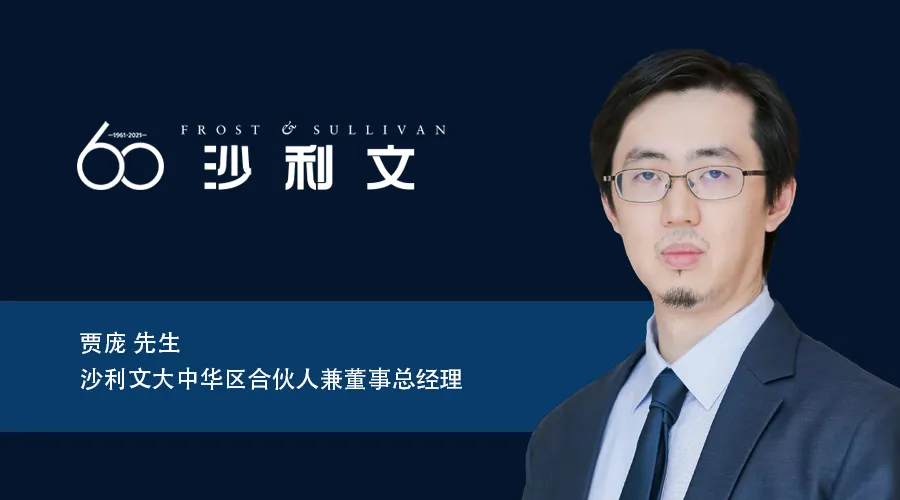
Jia Pang, Partner and Managing Director of Frost & Sullivan Greater China, told reporters that the development of electrochemical energy storage benefits mainly from the rapid development of the battery industry in recent years. It has characteristics such as a shorter construction cycle, low site selection requirements, and flexible scale. However, due to its economic and safety concerns, it is currently not capable of large-scale promotion on the power grid side.
Yang Meng, a senior power market researcher at the Planning and Research Department of Jinfeng Low-carbon Energy Design and Research Institute, believes that compared to electrochemical energy storage, pumped storage has the following advantages on the grid side: it can operate for more than 60 years, far exceeding electrochemical energy storage represented by lithium batteries; it is large-scale and more suitable for system-level applications; it has relatively mature regulation experience and is convenient to dispatch.
"Although pumped storage is limited to some extent by site selection conditions and a longer construction period, its technology is mature, has a long service life, large capacity, stable operation, and significant cost advantages. It remains the absolute mainstream in grid energy storage systems at present," said Jia Pang.
The industry shows a new development trend
Jia Pang believes that in addition to trends such as a significant expansion in development scale, a substantial acceleration in construction speed, and deeper integration with new energy sources, the new situation of pumped storage capacity construction in the future will also be reflected in aspects such as expanding social capital participation and activating the market through price mechanism reforms.
"For example, the State Grid has clearly stated that it will open up its proposed pumped storage projects to the public. The cooperation model allows for one factory per negotiation and flexible selection, with social capital participating and controlling as needed. For social capital that is willing and capable, it can hold a controlling stake in the construction and management of power stations, establishing a co-construction and sharing mechanism with all parties involved in society to achieve win-win cooperation," Jia Pang told reporters.
According to Jia Pang, Guangdong Province has clarified the costs of energy storage and pumped storage power stations, as well as related fees for demand-side response. These costs are shared by all industrial and commercial users who directly participate in market transactions and whose electricity is purchased on behalf by grid companies. This is conducive to diverting costs to all downstream industrial and commercial users, meaning that grid companies or investors in pumped storage power stations will obtain a certain level of investment return, which will greatly boost their motivation to expand their investment scale.
"Both can arbitrage between peaks and valleys over a longer period, and provide almost all auxiliary services, offering a flexible profit model." Yang Meng also believes that pumped storage, as the most mature large-scale long-term energy storage method, is an important flexibility resource for the power system. After the incentive mechanism for flexibility capacity is established, investments in pumped storage will be guaranteed through advance agreement on capacity.
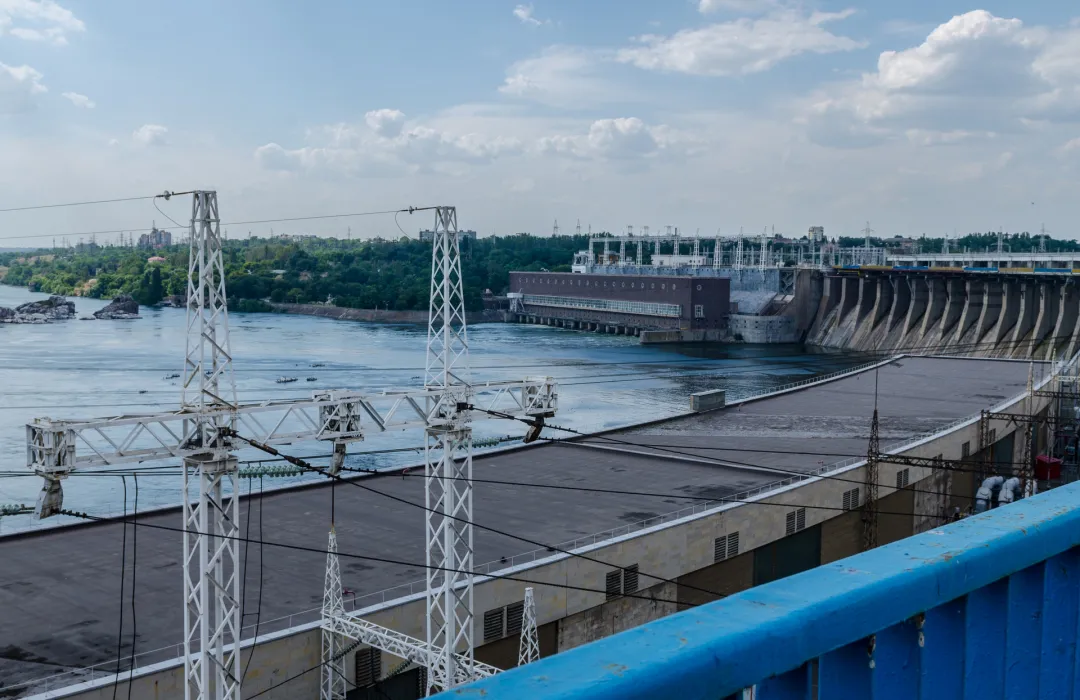
The power grid leads industrial development in two aspects
Under the guidance of carbon peak and carbon neutrality goals, the core feature of a new power system is that new energy becomes the main source of electricity supply. Energy storage devices can effectively smooth out power fluctuations generated by renewable energy sources such as wind and solar, making renewable energy relatively controllable.
"
Jia Pang stated that in the future, the power grid is expected to promote the better and faster construction of pumped storage stations from two main aspects. On one hand, the power grid should play its core hub role in the energy system, comprehensively and scientifically planning and deploying pumped storage stations to avoid coordination issues between station planning, ecological red line demarcation, territorial spatial planning, etc., which could affect the construction process and full utilization of the comprehensive benefits of pumped storage stations. On the other hand, the power grid should leverage its platform role in the market-oriented reform of electricity, further improving the pricing formation and diversion mechanisms for pumped storage stations, promoting equal participation of stations in medium- and long-term electricity transactions, spot market transactions, and ancillary service markets or ancillary service supplementary mechanisms, so that pumped storage stations can recover costs and obtain revenues through the market.
Yang Meng stated that with the resolution of the bottleneck in pumped storage electricity prices, the enthusiasm of the State Grid and the Southern Power Grid for the development of pumped storage has reached an unprecedented level. However, the procedures for verifying planning in the early stages of projects are still relatively complex. It is recommended to simplify the process and further enhance the certainty of investment returns.
*This article is reprinted from 'China Energy News', authored by Han Yifei, with the original title 'State Grid and Southern Grid Recently Actively Promote Project Implementation —— Two Networks Strengthening Layout for Pumped Storage'.