


MEDIA CENTER
For media cooperation, please contact
PR@frostchina.com
Rachel.zhang@frostchina.com

Company News
2024/01/25
Dragon soars across the seas, fulfilling its wishes—The 2024 Frost & Sullivan Spring Reception for VIPs was a great success
Dragon soars across the seas, fulfilling its wishes—The 2024 Frost & Sullivan Spring Reception for VIPs was a great success 2024 Frost & Sullivan Welcomes New Year's Guests for a Celebration Dinner
The dragon soars across the seas, fulfilling its wishes
2024 year 1 month 24 day
Frost & Sullivan Welcomes New Year's Guests for a Celebration Dinner
Grandly held at the Shanghai Waldorf Hotel
To gather friends and relatives together
Share friendship, enjoy the grand occasion
At the beginning of the event, Mr. Zou Yaru, Global Partner and Executive Director of the Board at Frost & Sullivan Mr. Aroop Zutshi Dr. Wang Xin, Global Partner of Frost & Sullivan and Chairman of the Greater China Region, joined forces with 'Frost & Sullivan' to add the finishing touch to the event. Subsequently, all guests witnessed the opening ceremony of the year-end celebration by Frost & Sullivan, raising their glasses to toast and welcome the New Year, officially kicking off the prelude to this VIP thank-you dinner.
At the event, Mr. Zou Yaru, Global Partner and Executive Director of the Board at Frost & Sullivan, Dr. Wang Xin, Global Partner and Chairman of the Greater China Region at Frost & Sullivan, and Mr. Wang Chenhui, Global Partner and President of the Greater China Region at Frost & Sullivan, delivered speeches.
Meanwhile, Frost & Sullivan has specially invited Professor Wang Yu, Chairman of the China Hepatitis Prevention and Control Foundation and former Director of the Chinese Center for Disease Control and Prevention, to share insights on biopharmaceutical development and investment opportunities as well as industry trends. Mr. Mark Duigan, Managing Director of Frost & Sullivan, ( Mr. Mark Dougan Taking the Australian electric vehicle market as an example, we will share how to estimate the potential market for products and services.
Frost & Sullivan
Based in Shanghai & Serving China
As a global growth consulting firm, Frost & Sullivan integrates the globe. 63 years of consulting experience, 26 Over the past year, we have dedicated ourselves to serving the booming Chinese market, helping SMEs with a global perspective 10,000 Our clients accelerate the growth pace of enterprises, helping them achieve growth, innovation, and leading benchmarks in the industry, as well as capital operation goals such as financing and listing.
Frost & Sullivan has deep roots in the global capital markets and corporate consulting services. Through its pioneering 'All-Region Investment Management (Total Investment Management, TIM (Frost & Sullivan) provides comprehensive investment and financing services as well as various other professional consulting services for enterprises. In recent years, Frost & Sullivan China has successfully helped nearly a thousand domestic and international companies list and raise funds on major global capital markets, serving over ten thousand listed companies in total.
2023 In 2019, Frost & Sullivan continued its excellent track record, assisting companies including Pinknote (2469.HK) Jitu Express (1519.HK) WuXi AppTec Collaborative Innovation (2268.HK) Beautiful Countryside (2373.HK) Bai Guoyuan (2411.HK) Dazhi Shares (1405.HK) , Yan's House (1497.HK) Meiss Health (2415.HK) Lvyuan Group (2451.HK) Hesai Technology (NASDAQ:HSAI) small i robot (NASDAQ:AIXI) Nearly a hundred companies, including Frost & Sullivan, have successfully listed in Hong Kong or overseas. Over the past decade, Frost & Sullivan has maintained its leading position as the industry research advisor with the largest market share for Chinese companies listing in Hong Kong.
At the same time, Frost & Sullivan's research reports are also widely cited A The brand awareness and influence of listed companies such as stocks and science and technology innovation boards, as well as research reports on primary and secondary markets, and other public documents of capital markets, are increasing day by day.
Frost & Sullivan seizes the opportunities of the times, is enterprising, transforms and upgrades itself, and continuously improves service quality. 2023 In [year], Frost & Sullivan established a market position confirmation system, pioneering “ FSBV The 'Frost & Sullivan' brand value model” has been translated into over 500 The enterprise provides market position confirmation and brand valuation services, continuously helping a large number of Chinese brands towards a growth-oriented future.
Frost & Sullivan in the Chinese market 26 The vigorous development over the past year has been inseparable from the trust, support, and assistance of all customers and partners. In particular, we would like to express our sincere gratitude to the expert consultants for their meticulous guidance and professional leadership. To express our heartfelt thanks, we are particularly awarding the “ 2024 Frost & Sullivan's Greater China Special Contribution Award
Mr. Zou Yaru and Dr. Wang Xin presented awards to Professor Wang Yu, President of the China Hepatitis Prevention and Control Foundation and former Director of the Chinese Center for Disease Control and Prevention.
Mr. Zou Yaru and Dr. Wang Xin presented awards to Academician Zhang Dan, an academician of the Russian Academy of Engineering and co-founder of Puxin Biotechnology.
Mr. Zou Yaru and Dr. Wang Xin presented awards to Mr. Wang Tingfu, Chairman and Founding Partner of Xingfu Capital
Frost & Sullivan
Global-oriented · Win-win cooperation
As one of the most powerful, professional and influential comprehensive industry research institutions in the industry, Frost & Sullivan has long been working closely with top global investment banks, accounting firms, law firms, investment institutions and industry-leading enterprises. We are committed to helping Chinese enterprises actively explore the path of high-quality development, creating long-term value for the country and society, and contributing to building a trustworthy and sustainable beautiful business world.
2023 In [year], Frost & Sullivan was approved as a contact member of the China Listed Companies Association and appointed as the vice-chairing unit of the Shanghai Information Service Industry Association.
Frost & Sullivan has always centered around the theme of innovation and technology, aiming for growth. It will accompany Chinese enterprises in their growth and success, jointly addressing market changes and challenges, seizing opportunities and creating value as its business and mission. It is committed to using professional knowledge to add value to corporate capital operations, energize industry transformation and upgrading, and serve national economic and social development.
2023 In [year], Frost & Sullivan successfully held the second New Investment Expo and the 17th Frost & Sullivan Global Growth, Innovation and Leadership Summit. The conference brought together nearly 150 Industry leaders at home and abroad, super 50 Home exhibitors and roadshow projects, attracting 3,000 Multiple professional audiences participated, and the online live broadcast received over 100 Ten thousand, total media exposure 108 Hundreds of millions, an unprecedented grand occasion, and great success.
since 2008 Since its inception in China in 2013, the Frost & Sullivan Summit has been held for its seventeenth session. To date, the Frost & Sullivan Summit has become an important platform for outstanding domestic enterprises, the investment community, and regulatory authorities to exchange successful experiences and jointly explore development directions. It is also a vital window for the world to understand China's most cutting-edge development trends.
Frost & Sullivan
Innovation Upgrade · Moving Forward with Stability
Frost & Sullivan resonates with the new era and is aligned with new markets. It always upholds the sustainable development concept of 'innovation for change', striving for excellence and continuously delving into and deciphering the 'codes' of industry development to help enterprises explore new possibilities for growth.
Challenging the status quo and reinventing the wheel are the common values of Frost & Sullivan's people. 2023 In [year], all members of the 'Frost & Sullivan' team worked together with one heart and one mind, forging ahead bravely to new heights and writing a new chapter in glory. To demonstrate the power of role models, at this dinner, Frost & Sullivan specially presented the Frost & Sullivan Rising Star Award, the Frost & Sullivan Analyst of the Year Award, the Frost & Sullivan Employee of the Year Award, and the Frost & Sullivan 5 Annual Contribution Award, Frost & Sullivan 10 Annual Contribution Award and Frost & Sullivan Chairman's Special Award 6 Grand Prize, awarded to a group of employees who have performed outstandingly and achieved remarkable results.
The time is right to advance with high spirits, and let us unite our hearts and efforts to set out anew. 2024 In 2019, Frost & Sullivan will continue to drive growth through professionalism and development through growth, with a strengthened 5R Value chain, expansion TIM Ecological Circle, uncovering new highlights for brands and markets, cultivating new drivers for innovation and entrepreneurship, benefiting more enterprises and partners.
All employees of Frost & Sullivan will continue as always to delve deeply into their work, excel in service, understand the industry, anticipate the future, assist client enterprises in seizing opportunities and meeting challenges, adhere to creating social value through more professional, higher-standardized and competitive knowledge services, and jointly promote the high-quality development of the Chinese economy.
Mr. Zou Yaru, Global Managing Partner and Executive Director of the Board at Frost & Sullivan, said, "The current world is undergoing tremendous changes, with new business models replacing traditional ones. This is both an opportunity and a challenge for all businesses around the world. China is leading global economic growth, and Frost & Sullivan will fully leverage these opportunities to help more Chinese companies gain a leading position globally."
Dr. Wang Xin, Global Partner at Frost & Sullivan and Chairman of the Greater China Region, said, "Frost & Sullivan has a vision, which is to be the global leader in advisory services for emerging markets." 63 Accumulated over the years, deeply rooted in China 26 Building a century-old brand of knowledge services on the foundation of [the previous year]. Thank you all our important peers and mentors in the process of transformation and upgrading at Frost & Sullivan. Whether in the past or the future, we always look forward to working with you for win-win results, to create new glories and achieve great ambitions!”

Company News
2024/01/22
Frost & Sullivan has been invited to attend the 4th HEC Innovation Salon Forum of the Suzhou Alumni Association of European and American Students
Frost & Sullivan has been invited to attend the 4th HEC Innovation Salon Forum of the Suzhou Alumni Association of European and American Students Haichuang Salon
1 month 20 day, ESG Against the backdrop of carbon neutrality, the current situation and new development patterns of the automotive and new energy industries ——— The fourth SUEA (Suzhou Association of Returned Overseas Students) Overseas Chinese Entrepreneurs Forum was held at Xi'an Jiaotong-Liverpool University. This Overseas Chinese Entrepreneurs Forum was guided by the United Front Work Department of the Suzhou Municipal Party Committee, sponsored by the Suzhou Association of Returned Overseas Students (SUEA), and organized by units such as the Xi'an Jiaotong-Liverpool University Harmony Management Research Center, the Jiangsu Alumni Association of Xi'an Jiaotong-Liverpool University, the SUEA, and the Alumni Affairs Office of Xi'an Jiaotong-Liverpool University.
On the day of the event, people from all walks of life including “government, industry, academia, research, and finance” 200 Several distinguished guests gathered together, where entrepreneurs, university scholars, and investment industry experts collided their wisdom to discuss and exchange ideas. ESG (Ecosystems, Society and Corporate Governance) and the paradigm for green and low-carbon transformation and development of society and enterprises under the dual carbon agenda.
Frost & Sullivan Frost & Sullivan Mr. Zhang Zhiwei, Executive Director of Frost & Sullivan Greater China, was invited to attend the event and served as the moderator for the roundtable forum .
Executive Director, Greater China, Frost & Sullivan Mr. Zhang Zhiwei
Under the chairmanship of Mr. Zhang Zhiwei, Mr. Wang Rongjin, co-founder of Xuan Yuan Capital, and former executive director of Linear Capital / Mr. Liu Mu, Vice President of Investment at Mingshi Capital, and Chief Commercial Officer of China at the Dezhou-Tianjin Science and Technology Exchange Foundation / Ms. Luo Lan, Partner of Tianxi Capital, and Mr. Hu, Executive Director of a well-known state-owned financial institution, discussed ESG A lively discussion was held on the topic of "New Investment Logic under the Dual Carbon Background", covering ESG In terms of corporate development and overseas expansion strategies under the dual carbon backdrop, investment opportunities in niche tracks, as well as government services and guidance.
Mr. Zhang Zhiwei summarized: For corporate development strategies, ESG This is an inevitable issue that Chinese enterprises will encounter when going global, and enterprises should actively address it. ESG And the changes brought about by carbon neutrality, through early understanding of different countries and regions ESG Relevant policies, and with the assistance of professional institutions, can help avoid many potential risks. In the capital market, investment institutions are also paying increasing attention ESG Investment opportunities brought about by the dual carbon background, driven by technology, are emerging in areas such as industrial automation and new materials. The government's ESG It has also provided extensive support and guidance to help enterprises go from understanding to becoming familiar with and then implementing carbon neutrality. ESG Help was provided.

Media Coverage
2024/01/22
21st Century Economic Report | Frost & Sullivan Executive: The Biopharmaceutical Industry is Moving Towards a Mature and Rational Stage, with 'Steady Progress with Improvement' Becoming the Development Tone
21st Century Economic Report | Frost & Sullivan Executive: The Biopharmaceutical Industry is Moving Towards a Mature and Rational Stage, with 'Steady Progress with Improvement' Becoming the Development Tone for 2023 In the healthcare industry in [year], the 'capital winter', "Rational Return", Words such as 'seeking change within tradition', 'settling in', and 'resilience' can be used to summarize the industry trends of this year.
Judging from the performance of the capital market, with 2023 year A share IPO listing The pace has slowed down, and the number of companies entering the biopharmaceutical market is also shrinking. 21 Century Economic Report based on wind Shenyin Wanguo Industry Classification Statistical Analysis 2023 The number of biopharmaceutical companies going public and the total fundraising amount decreased significantly, both year-on-year. 57.14% and 70.15% Specifically, 2022 total for the year 49 The listing of a biopharmaceutical enterprise, with the total initial public offering funds 749.00 100 million yuan; 2023 Only a year old 21 The listing of a biopharmaceutical enterprise, with total fundraising 223.56 yuan. Among them, 2023 yearly 6 A home biopharmaceutical company's share price hit an all-time low, with a decline of 1% till 17% Within, Hongyuan Pharmaceutical's largest decline on its listing day was 16.1% , Minsheng Health had the largest increase on its first day of listing, reaching 227.8% .
As the high valuation bubble of innovative drugs burst, the biopharmaceutical industry has entered an adjustment period. A stock market IPO listing Tightening, insufficient liquidity in Hong Kong stocks 2024 In [year], how can biopharmaceutical companies break through financing difficulties? And how should they plan their development paths?
With these questions, 21 A reporter from Century Economic Report interviewed Mao Hua, Partner and Managing Director of Frost & Sullivan Greater China. He stated that due to the cooling capital market in the biopharmaceutical industry and the market environment, the industry's expected growth rate will decline in the next two years. Although the pace of progress has slowed down, it is not stagnant. Looking at the long-term development curve of the biopharmaceutical industry, the current industry has entered a more mature and rational stage, and 'stable progress with improvement' may become the tone of industrial development.
"The underlying logic of the biopharmaceutical market remains unchanged; competitive advantage and profit growth come from continuous product innovation and growing market demand. In the face of future uncertainties, companies should proactively innovate their development strategies, strengthen their self-developed capabilities, broaden their international perspectives, and improve their adaptability to navigate through the current downturn and prepare to lead the next phase of new growth," said Mao Hua.
01
The cooling cycle is still advancing steadily
Affected by factors such as the relatively insufficient commercialization and hematopoietic capabilities of macroeconomics, geopolitics, biotech companies, and homogeneous R&D assets, the overall index of biotechnology is currently showing a downward fluctuating trend. At the same time, the cooling in the secondary market has compressed the valuation space of enterprises, which has also affected financing in the primary market to some extent.
Under this situation, Mao Hua also pointed out that although the number and total amount of investment and financing events have decreased compared to before, truly valuable enterprises have still stood out. Many enterprises have delivered impressive financing results, exceeding 5 RMB 10 billion financing events, such as Hisense Biology, Baimingxin Kang, Xiantong Pharmaceutical, Shenshi Technology, and Yanming Biology, with business segments covering cardiovascular metabolism, autoimmunity, allergic immunity, radiopharmaceuticals, AI Pharmaceuticals, as well as small molecule innovative drugs, etc.
For example, 2023 year 4 Month, Haisen Biology Completes 3.15 $100 million in financing; same year 5 In the month, the company acquired Roche's long-acting broad-spectrum cephalosporin antibiotic Rocephin, and obtained exclusive licenses for Sitaxin's commercialization rights in Greater China and Switzerland; 9 Month ago, Hisense Biology obtained a long-acting lipid-lowering drug Lerodalcibep In terms of development and commercialization rights in Greater China, the construction of two major commercial territories for chronic diseases and critical illnesses has been completed.
As SinoPharmaceutical Group Co., Ltd. announced the completion of its initial public offering 11 RMB 10 billion in a new round of financing, 2023 Since the beginning of this year, the largest financing in the domestic healthcare sector has been made. 2023 year 1 Month-on-month, Adenosine Injection (trade name: Ouladale), a medicine for the respiratory system, saw a significant increase. ® ) Obtained approval from the National Medical Products Administration ( NMPA Approved for marketing, it is used for myocardial perfusion imaging and echocardiogram drug loading tests to assist in the diagnosis of coronary heart disease. It is currently the only loading drug in China with both indications, helping to create an integrated radiological targeted diagnosis and treatment solution.
"The healthcare industry is influenced by many factors such as the macroeconomy, national policies, and breakthrough technologies, and its development has its own unique cyclical nature. In previous years, there was a surge in investment and financing activity in the global healthcare industry. However, as the macroeconomic development slowed down and the capital market cooled down, activity began to decline, leading to a 'deflationary bubble'. This is a rationalization and maturation of the pharmaceutical industry. Once the bubble has dissipated, truly outstanding companies will grow and become globally competitive enterprises," said Mao Hua.
This is also because R&D capability, as a key indicator testing the 'value' of pharmaceutical companies, has drawn particular attention from exchanges for companies with lower R&D expense ratios than their peers, longer-established companies with fewer approved products on the market, and those with 'large market space.' For instance, behind the termination of listings for Taolue Biotech and Huahao Zhongtian, detailed lists were required including the expected sales, market space and share of major products, and the progress of competitors.
In fact, 2023 Since the beginning of this year, China's pharmaceutical industry has continued to move forward steadily despite a cooling cycle. For example, the rules for medical insurance negotiations have become clearer, and at the same time, support is provided for the development of innovative drugs. 23 The negotiation for innovative drugs outside this catalog was successful, with a higher success rate than the overall effort. 7.4 Percentage points, with a low average price decline 4.4 Percentage points. Secondly, the overseas launch of innovative drugs is experiencing another small peak. The innovative drug products of BeiGene, Junshi Biosciences, Yifan Medicine, and Hutchison MediTech have been successfully approved for overseas marketing, once again recognizing China's innovative R&D capabilities. In addition, China has a huge patient population, and many clinical needs remain unmet. The improvement in patients' health literacy further drives demand, which in turn drives the development of the pharmaceutical industry for the long term.
Continuous innovation remains the driving force and core competitiveness of the pharmaceutical market. In the changing landscape, many companies are also focusing on innovation, including increasing investment in innovative pipeline development, developing differentiated technical products, introducing innovative talents, and integrating innovative technologies such as artificial intelligence. In addition, the vast overseas market is also an option for domestic companies to cope with the current environmental uncertainties. Biotech implement license-out operation Cooperating with large pharmaceutical companies can complement each other's strengths, generate a certain amount of cash flow, and concentrate resources on advancing pipeline projects.
02
The enthusiasm for pharmaceutical companies to 'go global' will continue
at License-out of the Mainland level, whether 2023 At the end of the year, 2024 At the beginning of the year, they are always the "keywords" that the industry focuses on. Especially around ADC This popular track, related License-out of the Mainland Events kept coming one after another.
2023 year ADC blockbuster in the field License-out of the Mainland Events include and pivmune, Pfizer, Balyx Biologics and Wuxi Pharmaceutical, Innovent Biologics and BioNTech Haosen Pharmaceutical, GlaxoSmithKline, Hengrui, Merck, etc. According to the latest data, 2023 In the year, nearly 70 Pen-invented drugs License-out of the Mainland transaction, more 2022 Throughout the year 44 The pen has grown 32% In terms of transaction volume, disclosed 2023 year License-out of the Mainland The total transaction amount exceeds 465 billion US dollars, compared to 2022 year 275.50 $100 million growth 69% Among them, 2023 Multinational pharmaceutical companies made a mad dash for stocks ADC Pharmaceuticals, over half of which come from Chinese pharmaceutical companies, and this wave is in 2024 The year is expected to continue.
"At present, domestic pharmaceutical companies are actively exploring new models for 'going global'. Whether it's through licensing commercialization after independent clinical trials or adopting a model that combines independent clinical trials and commercialization to control the details of clinical development and commercialization, they are leveraging their strengths to strive to open up broad overseas markets and seek new incremental growth," said Mao Hua.
However, while accelerating their layout, every innovative pharmaceutical company aiming to 'go global' will inevitably face market challenges. Currently, with the continuous enhancement of innovation capabilities, more and more Chinese innovative pharmaceutical companies are on the path to accelerating their 'going global'. Over the past two years, local innovative pharmaceutical companies have also frequently improved the quality and safety of their drugs by strengthening R&D and technological innovation to gain FDA Approval and opportunities to enter the international market. At the same time, Chinese innovative pharmaceutical companies are also continuously collaborating with domestic and international partners to jointly carry out clinical trials, drug registration, and other work, in order to accelerate the research and development and market launch of drugs.
On one hand, a major challenge pharmaceutical companies face when 'going global' is that clinical trials are becoming increasingly complex. At the same time, innovative pharmaceutical companies must generate local clinical data in their home countries if they want to 'go global'. The current challenge in the US market is that the number of patients is very small, and there are fewer professionals in clinical trials, which has led to slower progress in clinical trials in the US. However, for Chinese innovative pharmaceutical companies, the US market is a must-visit destination and must be pursued.
On the other hand, the overall complexity of clinical trials is currently very high. This is why many companies now focus on combining data from China with that from the United States and other countries in Australia, as this provides a better basis for proving the reliability of clinical trials using data from two different regions. In addition, there is a clear regulatory direction, which requires companies to strengthen communication with local governments, fully understand local laws and regulations, and avoid taking 'detours'.
After all, from drug discovery to preclinical trials, and then to clinical trials and commercialization, innovative drugs face many uncertainties. Coupled with factors such as the rational return to rationality in the external economic environment and capital markets, the return on investment of innovative drug companies has attracted much attention.
"At present, many enterprises are also facing the reality of cutting expenses and streamlining pipelines. Behind this is actually a focus on innovation and rationality. This also requires enterprises to concentrate on advantageous tracks, optimize pipeline layout, and integrate resources into core projects to help innovative pharmaceutical companies improve resource utilization efficiency and reduce the uncertainty of overall R&D investment," Mao Hua further stated. As the R&D strategies of innovative pharmaceutical companies gradually mature, with some pipelines advancing into later stages and shifting from a broad pipeline strategy towards lean and efficient development, they should focus on investing in pipelines with high technological content and clinical value. Adopting a lean R&D strategy can, on the one hand, achieve the effect of 'concentrating efforts on major projects,' which is expected to accelerate the market launch of innovative drugs and realize innovation returns; on the other hand, resource integration and optimization help innovative pharmaceutical companies smoothly navigate the current 'changing landscape.'
03
2024 Integrated development is becoming a trend?
With the continuous changes in the global pharmaceutical market environment, how to better navigate cycles and achieve healthy development is a topic that multinational pharmaceutical companies must consider. Against this backdrop, there are instances where multinational pharmaceutical companies are frantically buying local products in China, as well as those purchasing local innovative pharmaceutical companies at premiums...
According to 21 Century Economic Report reporters sorted out, since 2023 year 12 month 26 Since 2024 year 1 month 9 Today, in just 15 Within the day, at least 5 A large-scale M&A case involving AstraZeneca, Novartis, Merck, Johnson & Johnson, and GlaxoSmithKline GSK ) and other global leading pharmaceutical companies. This includes, 2023 year 12 In January, AstraZeneca announced that it would pay a total 12 The acquisition of GenScript for $1000 million is the first time a multinational pharmaceutical company has acquired a domestic company Biotech Events. Following the acquisition of GenScript by AstraZeneca, this year 1 Yuenova Pharmaceuticals announced the acquisition of Xinrui Pharmaceutical to strengthen its presence in the nephrology field, among other things.
Speaking of this market performance, Mao Hua pointed out that under the combined effects of a cooling industrial environment in biomedicine, stricter listing requirements, and increasingly severe investment and financing conditions, biotech companies IPO listing The contraction in volume and slowdown in pace have affected the exit mechanisms of enterprises to a certain extent. Therefore, current core products that have not yet been commercialized and lack their own self-sustaining capabilities Biotech Faced with complex survival tests, investors also face tremendous exit pressure, especially for those who have entered early on.
"The recent two acquisitions in China's biopharmaceutical industry indicate that being acquired can provide investors with new exit routes, in addition to successful listing and development Biopharma company , Biotech The ending actually has more possibilities. Globally, there are more possibilities for multinational pharmaceutical companies to make acquisitions. Biotech It has already become a mature operating business model. In the midst of capital freezes, multinational pharmaceutical companies with abundant capital chains are making repeated investments. Based on aligning with their own development strategies, multinational pharmaceutical companies conduct meticulous evaluations Biotech After acquiring pipeline assets and innovative value, the target company is acquired to perfect the industrial layout. Biotech In the current industry environment, being acquired by multinational pharmaceutical companies can be considered a new option to break through survival difficulties.
"Multinational pharmaceutical companies possess mature drug development and commercialization experience, and in the future Biotech We can leverage the resources of multinational pharmaceutical companies to continue advancing the development and operation of optimization projects." Mao Hua said. However, we have also found that domestically Biotech The number of integrated mergers and acquisitions is on the rise, but it will not become the mainstream trend in the short term. In the future, there may be more. MNC acquisition Biotech The event occurred, and China, holding high-quality assets Biotech You will see more industry opportunities.
thus, 2024 year, Biotech How can we seize industry opportunities and achieve high-quality development? In this regard, Mao Hua emphasized that products with technological innovation and clinical value are always in demand by the market, demonstrating their development potential. New breakthroughs continue to emerge in the fields of traditional macromolecular drugs, small molecule targeted drugs, and monoclonal antibody drugs. ADC Dual-antibody drugs, CGT As the track has become a research hotspot in recent years, significant progress has also been made in technological innovation and clinical advancements. For example, gene therapy. 2023 In CRISPR-Cas9 system Gene editing therapy Casgevy Received successively MHRA and FDA Approved for marketing.
At the enterprise development level, on one hand, companies should attach importance to continuously promoting innovation and research and development, establishing technology platforms with high technical barriers and independent intellectual property rights; building differentiated innovation pipelines, focusing on core pipelines, and developing products that can meet high clinical needs; forming strong R&D teams, and actively introducing innovative talents from home and abroad.
On the other hand, we are actively promoting improvements in operational quality BD Work, focusing on patient needs and market dynamics, to proactively adjust strategic decisions; pay attention to overseas markets, seek partners or build an overseas operation team internally, and seek more commercial value through going global; consider more flexible and diversified ways to introduce funds, such as technology licensing, equity investment in joint ventures with clinical pipelines, etc., to raise funds and share R&D risks.
"In the face of a complex development environment, enhancing innovation capabilities, optimizing the effective combination of resources, and improving operational quality are the keys for pharmaceutical companies to achieve sustainable development," said Mao Hua.
* This exclusive interview is published in 21 Century Economic Report Author: Ji Yuanyuan Published with media authorization.

Media Coverage
2024/01/19
China Weekly | Wang Xin: Frost & Sullivan's Transformational Growth Journey in China
China Weekly | Wang Xin: Frost & Sullivan's Transformational Growth Journey in China The construction of a quality-strong country has been incorporated into the report of the 20th National Congress of the Communist Party of China as a key strategy. Last year 2 In the month, the Central Committee of the Communist Party of China and the State Council jointly issued the 'Outline for Building a Quality Powerhouse', outlining a development blueprint centered on 'three transformations': namely, the upgrade from Made in China to Created in China, the transformation from pursuing speed to pursuing quality, and the evolution from product export to brand building.
Frost & Sullivan Frost & Sullivan, Under the strategic guidance of Frost & Sullivan's Greater China region, it has actively promoted its own digital transformation and service, model innovation, committed to high-quality development, embarked on a journey of transformational growth, and has become a leader in the investment and enterprise growth consulting industry. With the global 62 With the rich experience and brand assets accumulated over the years, Frost & Sullivan Greater China has continuously deepened its professional services under the leadership of Wang Xin. It helps the enterprises it serves achieve a qualitative leap on the basis of the 'three transformations' and leads the enterprise brands towards outstanding growth.
Dr. Wang Xin
Global Partner and Chairman of Frost & Sullivan Greater China Region, Founder and Chairman of LeadLeo
In the industry, many people know Wang Xin as well as they do Frost & Sullivan. As the soul figure of Frost & Sullivan's Greater China region, Wang Xin is deeply ingrained with the firm.
20 Before the New Year, Wang Xin took the lead in introducing the role of industry advisor into Hong Kong and overseas capital markets, making outstanding contributions to establishing and standardizing the business processes and service standards for industry advisors in the investment and financing sector. From New York to Hong Kong, and then from Beijing to Shanghai, Wang Xin has been deeply involved in the consulting industry, leading his team to continuously assist tens of thousands of Chinese enterprises in entering the international capital market, helping domestic and foreign investment and financing institutions understand and invest in Chinese enterprises.
2023 year 4 month 20 Today, Frost & Sullivan and LeadLeo Research Institute, as strategic partners, jointly released with the Organizing Committee of the Boao Forum for Global Health at the Boao Forum for Asia International Health Industry Forum 4 Report of the Conference
Frost & Sullivan Greater China 25 Anniversary Celebration Launch Ceremony
20 Over the past year, Frost & Sullivan has retained its leading position as the professional industry advisor with the largest market share for Chinese companies listing in Hong Kong and overseas. 20 After the New Year, this agile thinker and eloquent leader still expressed confidencefully, "In the face of choices, I believe we must stick to our original intention and focus on our core business. We are optimistic about China and the future development of Chinese enterprises; this is our original intention and our core business."
Frost & Sullivan's goals and direction have never changed, but under Wang Xin's leadership, the ways in which business growth is achieved are becoming increasingly diversified.
For the consulting industry, model innovation and service innovation are two core indicators for evaluating the quality of a company, and Frost & Sullivan has been increasing its investment in innovation.
In recent years, Frost & Sullivan has established a market position validation system and pioneered the launch of ' FSBV The 'Frost & Sullivan' Brand Value Model&rddquo;. Today, Frost & Sullivan has served more than 500 The firm provides market position validation and brand valuation services, helping many Chinese brands move towards sustained growth together. Frost & Sullivan's research reports are also widely cited. A The brand awareness and influence of listed companies such as stocks and science and technology innovation boards, as well as research reports from primary and secondary markets, and other public documents in the capital market are increasing day by day. What Wang Xinjinzi is most proud of is the digital future empowered by technology.
Actively explore the path of innovative development
Wang Xin introduced that Frost & Sullivan actively responds to the call for the construction of 'Digital China', and in recent 15 Before the Spring Festival, we started implementing the traditional consulting model of "transforming mindset". During the transformation process, the company adopted AI We have also made many attempts in sequence, leveraging advanced digital technologies such as large models and cloud computing. 2018 In [year], Wang Xin founded LeadLeo (hereinafter referred to as 'LeadLeo'), breaking through the high-price barriers and pain points of the traditional consulting industry such as 'repeating the same wheelsets' through model innovation.
Over the past five years, 'LeadLeo' has focused on exploring paths and applications for digital transformation, and pioneered an open-source, multi-party collaborative, scalable AI-driven research platform, 'BrainPower', for knowledge management and research assistance. KaaS System. Currently, LeadLeo's 'BrainPower' is equipped with ' AI reasoning +AI Searching for ”Dual engines can not only help analysts improve work quality and efficiency, but also save the enterprise at least 10% — 20% The cost is also able to further empower the transformation and upgrading of the knowledge service industry. It has been widely applied in government parks, financial institutions, investment institutions, securities firms and investment banking, various enterprises, research institutions, media, universities, etc. 20 Tens of thousands of institutional and individual users.
Frost & Sullivan was established in 1961 year, and 1998 Entering the Chinese market in [year], the company has consistently focused on transformational growth. 20 century 90 In the late 2010s, the company began to expand its growth consulting business and 2010 The business of 'Knowledge as a Service' growth analytics was launched in 2019. Wang Xin further innovatively proposed 'Artificial Intelligence Empowered, Blockchain-based Knowledge Services as a Solution'. In Wang Xin's view, 'Knowledge Services' are first and foremost Frost & Sullivan's 'unchanging core'. 'We start with knowledge, identify unmet market needs, use digital tools to develop diversified businesses, and adapt services to different scenarios. This is the path of innovation I understand.'
2022 In [year], Wang Xin first proposed the construction of 'Full-Region Investment Management ( TIM )”—— It is an ecological service system that covers the entire life cycle and entire industrial chain of enterprises, and it is also an innovation in investment concepts and methodologies. In Wang Xin's view, whether it is PR Public Relations, IR Investor Relations, GR government relations, or AR Analyst relationships can all be summarized as VR Value relationship. Through VR Management, Frost & Sullivan helps enterprises position themselves and enhance value, tell capital market stories effectively, and achieve efficient communication with investment institutions, investors, industry affiliates, stakeholders, etc. Through rich practice, a unique service model has been formed to comprehensively assist Chinese enterprises in achieving growth.
Wang Xin has identified this path of 'translating one's own experience to others', allowing Frost & Sullivan to thrive on the land of China, exuding new vitality, and precisely validating the inevitable trend of China's manufacturing evolving into Chinese creativity and innovation.
The transformation from speed to quality
In the theme of China's economic and social development during the 14th Five-Year Plan period and beyond, high-quality development is an important aspect related to the overall situation of socialist modernization. China's economic miracle has shifted from a 'speed miracle' to a 'quality miracle,' a change that is quietly taking place.
"In less than half a century, China's GDP increased 350 "Ten times faster than before, which is an unprecedented feat globally." Wang Xin believes that China's rapid economic growth is due to its massive market size, improved labor quality, supporting industrial chain structure, complete logistics and infrastructure, stable policies and regulations, as well as a secure political environment.
2023 year 9 month 27 day, 2023 The 2nd New Investment Expo and the 17th Frost & Sullivan Global Growth, Innovation and Leadership Summit grandly opened in Shanghai.
As a pioneer in the global consulting services industry, Frost & Sullivan also holds a leading position in China's consulting services sector. They have accumulated a wealth of accurate data and rich research experience across various sub-industries. They are committed to closely integrating professional consulting services with technical insights to provide clients such as enterprises, investors, and government agencies with coverage of investment and financing activities, business growth, and development planning. 15 A knowledge solution for multiple scenarios to help achieve higher-quality development. As of 2022 At the end of the year, Frost & Sullivan established a presence in Greater China. 7 The office covers multiple important cities including Beijing, Shanghai, Hong Kong, Shenzhen, Nanjing, Chengdu, and Taipei, providing professional services in a more customer-centric manner. Wang Xin introduced that Frost & Sullivan's global layout, including high localisation in China, can enhance service flexibility and responsiveness, increase understanding of customer needs, significantly reduce communication costs, and provide customers with a better sense of gain.
During the rapid development of the Chinese economy, Frost & Sullivan has always played a positive role and made concrete contributions to promoting the high-quality development of China's economy and society.
For example, Frost & Sullivan has nearly 500 The human analyst team at Frost & Sullivan has been tracking high-growth and emerging sectors for a long time, and they have insights into the trends in technology and industry development. Through initiatives such as the 'Pioneers Program', 'Best Practice Awards', and others, they help hundreds of enterprises at different stages of development focus on innovation and R&D capabilities, establish effective investment and financing strategies, talent strategies, thereby building core competitiveness and achieving deeper long-term driving growth. At the same time, Frost & Sullivan places great emphasis on corporate social responsibility. Through integration of industry and education, training, university competitions, and cloud internships, they cultivate future industry talents for society, benefiting tens of thousands of college students. In addition, they continue to pay attention to the 'dual carbon' field, producing a large number of forward-looking reports on green industries, guiding investors to focus on China's green industries.
Wang Xin stated, 'China's favorable open policies and inclusive business environment have provided a huge stage for Frost & Sullivan and the driving force for its vigorous development. Therefore, we must 'reciprocate kindness' by actively demonstrating the vitality of Chinese enterprises, the potential of industries, the resilience of the economy, and the bright prospects of Chinese-style modernization.' At the same time, he also mentioned that Frost & Sullivan needs to keep pace with the times, maintaining both speed in competition and adhering to the quality baseline. 'As a globally renowned brand in our industry, we have the responsibility to set an example in integrating quality (product) with efficiency (process).'
Build a Brand with Professionalism
Brand building is crucial for high-quality development. It is a long-term, strategic task and a systematic project. Especially for the service industry, strengthening and refining brands is of utmost importance.
Against the backdrop of the country's advocacy for service industry standardization and branding, Shanghai, as a major economic center in China, is rapidly emerging as an important hub for knowledge-intensive services. With the intention of locating the company's Chinese headquarters in Shanghai CBD For Frost & Sullivan, this presents an excellent market environment and historical opportunity.
after 62 With years of dedicated management, the Frost & Sullivan brand enjoys a high reputation in the industry. The Global Growth, Innovation and Leadership Summit, founded by Frost & Sullivan, has been held globally 50 Successfully held in a country or region 30 For many years, it has been held in China for seventeen sessions. It is an important platform for outstanding enterprises, investment institutions, and regulatory authorities from all sectors in China to exchange successful experiences and jointly explore development directions. It is also an important window for the world to understand China's most cutting-edge development trends.
Against the backdrop of global economic integration, cross-field cooperation has become an important trend in the consulting service industry. Wang Xin deeply understands that the integration and exchange between different industries provide consulting services with broader development opportunities. 2023 year 9 The annual Frost & Sullivan Summit, held monthly, was once again convened in Shanghai for two days. The theme covered cutting-edge areas such as specialized and sophisticated products, high-end manufacturing, new energy and carbon neutrality, life sciences, and the digital economy, attracting 3000 The event was attended by a large number of professional viewers, setting a new record for attendance and becoming a concentrated manifestation of the brand influence of Frost & Sullivan.
2023 The year marked the entry of Frost & Sullivan into the Chinese market for the first time 25 years. 25 Over the years, Frost & Sullivan has always centered around the theme of innovation and technology, aiming for growth. It has accompanied Chinese enterprises through their growth and success, jointly responding to market changes and challenges, seizing opportunities and creating value as its business and mission. The firm is committed to using professional knowledge to add value to corporate capital operations, energize industry transformation and upgrading, and serve national economic and social development. Wang Xin admits, 'I am a person who persistently challenges myself. The pressure to keep going is great, but no one in the market will remember second place, so we can only become more specialized, refined, and better.'
In recent years, Frost & Sullivan's business has been continuously diversifying, extending its services to the entire lifecycle of enterprises, and transforming its organization as a whole towards digitalization. When talking about future plans, Wang Xin has a firm gaze, 'We aim to evolve from a consulting company into a brand company, building a century-old brand in the knowledge service industry. Based in Shanghai, serving China, facing the world, and achieving win-win cooperation.'
Let us jointly look forward to the transformative growth journey of Frost & Sullivan China, which will shape a brighter future in a more vivid and innovative way, continuously injecting new vitality into Chinese enterprises and the global economy.
* This exclusive interview was published in China Weekly, authored by Li Li and Wang Xin, and released with media authorization.

Company News
2024/01/17
Frost & Sullivan is invited to attend the 2024xRNA Nucleic Acid Drug Development and Innovation Forum and deliver a speech
Frost & Sullivan is invited to attend the 2024xRNA Nucleic Acid Drug Development and Innovation Forum and deliver a speech xRNA Nucleic Acid Drug Development and Innovation Forum
The development of nucleic acid drugs has been tumultuous but has finally borne fruit, being widely used in the treatment of genetic diseases, tumors, viral infections, and other diseases. Small nucleic acid drugs have significant advantages, including rapid target screening, high success rates in research and development, resistance to development, a wider range of therapeutic areas, and long-lasting effects. mRNA Vaccines are also developing rapidly against the backdrop of the COVID-19 pandemic. With mRNA In vitro synthesis and delivery technology are mature, mRNA The stability and translation efficiency of drugs have been significantly improved, mainly in the field of vaccines. In addition, mRNA Immunotherapy , Protein replacement therapy , Cell therapy , There is great potential for applications in fields such as regenerative medicine. According to predictions mRNA The total market scale is in 2035 Will reach in 230 billion dollars.
2024 year 1 month 16 day -17 day, xRNA The Nucleic Acid Drug Development and Innovation Forum was held in Suzhou, bringing together experts in nucleic acid vaccine and drug research and development from home and abroad, focusing on the new generation mRNA/circ RNA Vaccines, drugs, oligonucleotide drug development, preclinical and clinical research, delivery technology and process development are accelerating the industrialization and marketization process.
Frost & Sullivan Frost & Sullivan Guo Jing, Senior Consulting Director of the Life Sciences Business Unit of Frost & Sullivan's Greater China Region, was invited to attend the meeting mRNA Special Forum on Vaccine and Drug R&D, focusing on mRNA Delivered a keynote speech on "The Current Situation and Development Trends of the Pharmaceutical Market".
Senior Consulting Director, Life Sciences Business Unit, Frost & Sullivan Greater China Region Guo Jing
Guo Jing pointed out, mRNA The drug has high R&D efficiency, a simple production process, and can be extended to a wide range of disease areas, making it an innovative therapy. Currently, it is already available globally. 8 model mRNA Vaccine approved, domestic manufacturer mRNA Vaccine research and development has also made progress. Along with COVID-19 mRNA The wave of vaccine research and development is prompting domestic and international pharmaceutical companies to actively explore mRNA Drug frontier technologies, with indications gradually expanding into the field of non-communicable disease prevention. In the future, based on mRNA The anti-cancer therapy may change the direction of cancer treatment. Guo Jing stated that driven by factors such as key technological breakthroughs, multi-party R&D cooperation, and policy support, mRNA The pharmaceutical market has great potential for development.
According to a Frost & Sullivan study, there are currently 162 model mRNA The drug is in clinical development, mainly comprising mRNA vaccines, and most mRNA The drug is still in I period and II Phase clinical stage. In terms of therapeutic domains, mRNA The drugs under clinical research mainly focus on infectious diseases, oncology, and other fields. LNP The most widely used delivery system. " mRNA The drug production process is simple and fast, with the upstream and downstream industries of the industrial chain becoming increasingly mature. In the future, as the R&D system gradually becomes complete and technological applications mature, mRNA The pharmaceutical market in the treatment sector will continue to expand, and the industry will achieve synchronous development, realizing commercial cooperation." Guo Jing said.
More exciting moments from the event arena
About Frost & Sullivan's Life Sciences Practice
The Life Sciences Practice of Frost & Sullivan has professional analytical capabilities and extensive project experience in the field of life sciences. Leveraging Frost & Sullivan's global think tank resources and cross-industry business development platform in Greater China, the Life Sciences Practice has unique core advantages in investment and financing services for the life sciences industry. The Life Sciences Practice has a wide range of corporate clients in China and in the past 20 In the year, a vast customer network was established, accumulating extensive project experience in various subfields of life sciences.
Project types include Knowledge Center projects (in-depth content, promotional activities). Pre-IPO financing project DCF model Valuation, Business Plan Services), IPO listing We provide listed projects (industry consulting, clinical audits, fundraising and investment writing), market research, market value management, and strategic consulting. We also cooperate with well-known domestic and international information platforms and investment and financing institutions, offering one-stop solutions for enterprises in specialized fields such as pharmaceuticals and medical devices, which has attracted widespread attention from investors.

Company News
2024/01/13
Executives from Frost & Sullivan are invited to attend the 2024 High-End Forum on Innovative New Drug R&D Strategies
Executives from Frost & Sullivan are invited to attend the 2024 High-End Forum on Innovative New Drug R&D Strategies Advanced Forum on R&D Strategies for Improved New Drugs
Against the backdrop of industry development slowdown, the motivation and funding for innovative drug research and development are somewhat insufficient. Affected by drug centralized procurement policies, generic drug profits are becoming increasingly low, making it more difficult to initiate research projects. Improved new drugs are receiving increasing attention from enterprises due to their relatively shorter research and development cycles, lower costs, and higher returns.
In response to the above issues, 2024 year 1 month 13 day after tomorrow 14 day 2024 The Annual High-End Forum on Innovative New Drug R&D Strategies was successfully held in Yueyang, Hunan Province. The forum was organized by the People's Government of Yueyang County and the Hunan Pharmaceutical Association. 505b2 platform Co-organized by the School of Pharmacy, Xiangya Medicine College of Central South University, Yueyang High-tech Industrial Park, Hunan Huize Biomedical Technology Co., Ltd., Beijing Zhaoyan New Drug Research Center Co., Ltd., and Nuozhen Technology ( shanghai ) Jointly organized by a limited liability company, with the National Federation of Industry and Commerce Pharmaceutical Business Chamber of Commerce serving as the guiding unit.
This forum invited experts who have long been engaged in new drug review to share project initiation strategies; experts from Peking University, China Pharmaceutical University, Shenyang Pharmaceutical University, Central South University, Jinan University, and other institutions shared their expert insights; preclinical research and clinical trial experts shared R&D application strategies; industry experts shared successful case experiences; pharmacoeconomic evaluation experts and industry experts shared commercialization strategies from the perspectives of policies and successful cases. In addition, the conference specially invited Academician Zhang Lihe as the chairperson of the conference and Academician Zhang Qiang for a keynote speech.
This forum aims to build an open, equal, and close-knit communication platform between enterprises and experts, as well as a session for exchanging the latest research and development achievements and progress, to seek cooperation opportunities and discuss 'pharmaceutical' strategies for improvement.
Frost & Sullivan Frost & Sullivan Mao Hua, Partner and Managing Director of Frost & Sullivan's Greater China Region, was invited to attend the forum and delivered a speech on 'Analysis of the Investment and Financing Assets Market for Improved New Drugs'.
Partner and Managing Director of Frost & Sullivan Greater China Region fattening
Mao Hua briefly analyzed The current industry status and future development trends of improved new drugs. He pointed out that improved new drugs are based on existing drugs and undergo modifications, possessing significant clinical and industrial advantages. The research and development of improved new drugs requires low investment and risk, with high commercial returns. In recent years, the number of clinical applications for improved new drugs has been increasing year by year, as of 2023 year 12 Month, there are already in China 40 An improved new drug has been approved for marketing, 276 An improved new drug is in the clinical trial and marketing application stages.
Mao Hua said that although China's innovative new drug development started relatively late, it has now entered a stage of rapid growth. In recent years, there has been an increase in transactions in the global field of innovative new drugs, with an increase in the number of collaborations, licensing, and transactional agreements among Chinese innovative new drug companies. In the future, with the growth and upgrading of therapeutic needs, the improvement of innovative formulation technologies, and favorable policy drivers, the market for innovative new drugs will develop rapidly.
The administration routes of innovative formulations are diverse, capable of meeting the clinical needs of different patients. Currently, the formulation innovation of innovative formulations is developing in a diversified manner. According to Frost & Sullivan research, the innovative formulation products under development cover multiple indication types, with main research areas including nervous system drugs, anti-tumor drugs, endocrine and metabolic drugs, and cardiovascular system drugs. Mao Hua pointed out that innovative formulations are an important factor driving the growth of the market for improved new drugs. Compared to traditional formulations, innovative formulations can improve medication compliance, enhance drug therapies, fill medication gaps, and reduce toxic and side effects. Therefore, they account for the largest proportion in the approved and under-development landscape. It is expected that in 2030 In 2024, innovative formulations will account for nearly half of improved new drugs.
"Innovative formulation products are continuously upgrading and iterating towards longer drug efficacy durations and lower dosing frequencies, enhancing the clinical advantages of products while extending their lifecycle. In addition, there will be more products with different new technology types for the same active ingredient, which may change the market landscape of innovative formulations in China. In the future, under the premise of policy subsidies and equivalence, domestic innovative formulations "There is huge room for import substitution," Mao Hua said.
More exciting moments from the event arena
About Frost & Sullivan's Life Sciences Practice
The Life Sciences Practice of Frost & Sullivan has professional analytical capabilities and extensive project experience in the field of life sciences. Leveraging Frost & Sullivan's global think tank resources and cross-industry business development platform in Greater China, the Life Sciences Practice has unique core advantages in investment and financing services for the life sciences industry. The Life Sciences Practice has a wide range of corporate clients in China and in the past 20 In the year, a vast customer network was established, accumulating a wealth of project experience in various subfields of life sciences.
Project types include Knowledge Center projects (in-depth content, promotional activities). Pre-IPO financing project DCF model Valuation, Business Plan Services), IPO listing We provide listed projects (industry consulting, clinical audits, fundraising and investment writing), market research, market value management, and strategic consulting, among others. We also cooperate with well-known domestic and international information platforms and investment and financing institutions to offer one-stop solutions for enterprises in specialized fields such as pharmaceuticals and medical devices. Our services have received widespread attention from investors.

Company News
2024/01/12
Executives from Frost & Sullivan are invited to participate in the TradeGo·2023-2024 Annual Hong Kong Stock New Issue KOL Carnival Year-End Celebration
Executives from Frost & Sullivan are invited to participate in the TradeGo·2023-2024 Annual Hong Kong Stock New Issue KOL Carnival Year-End Celebration Hong Kong stock subscription KOL (Key Opinion Leader) carnival
1 month 12 On the 1st, hosted by TradeGo 2023 - 2024 Hong Kong stock subscription KOL The carnival has come to a successful conclusion. This year's carnival featured “new shares FINI The platform held a new issue launch event themed "New Opportunities for Investors" ” and invited industry heavyweight figures KOL Guests shared their investment experiences, insights over the years, as well as current investment opportunities.
Frost & Sullivan Frost & Sullivan Yang Xiaocheng, Partner and Managing Director of Frost & Sullivan's Greater China Region, was invited to attend and delivered a presentation on 2023 Hong Kong stocks for the year IPO listing "Research Review and Analysis of Popular Tracks" was presented for sharing.
Yang Xiaocheng pointed out, from Hong Kong stocks IPO listing In terms of industry distribution, Hong Kong stocks over the past three years IPO listing There have been changes in the industry structure.
Among them, biomedicine in the overall Hong Kong stock market IPO listing It continues to rank first in industry distribution, however its proportion has been declining year by year, from 2021 year 34.% reduce to 2023 year 17.9% In contrast, energy and chemicals, food and catering, and software and SaaS The industry proportion has been significantly enhanced, rising from 2021 year 1.0% , 3.0% and 6.0% Grew to 2023 year 10.4% , 9.0% and 7.5% . in 2021 Among the industries with a high proportion ranking, the real estate construction industry's proportion has seen a significant decline in the past three years, from 2021 year 18.0% Falling to 2023 year 6.0% .
Source: Analysis by Frost & Sullivan
Data shows that compared with the past two years, 2023 Hong Kong stocks for the year IPO listing The quantity decreased slightly, as of 2023 At the end of the year, the number of newly listed companies reached 73 Home. Among them, looking at the industry track distribution of companies listed on the Hong Kong Stock Exchange, the top three industries in terms of proportion are biomedicine, energy and chemicals, and food & catering. Among these industries, those that have successfully gone public in Hong Kong IPO listing Listed companies include Wuhan Biomarker, Neusoft Xikang, Pharmacist Assistant, Jinyuan Hydrogen Energy, and Fourth Paradigm, among others.
Source: Analysis by Frost & Sullivan
Subsequently, Yang Xiaocheng covered Hong Kong stocks in biomedicine, medical aesthetics, food & catering, automotive and technology sectors respectively IPO listing A brief analysis of popular tracks has been conducted.
2023 Biopharmaceutical companies listed in Hong Kong each year are in the fields of oncology medical services, ADC And broader biologics outsourcing services and digital healthcare services, etc. With the continuous release of demand for cancer treatment, it will drive further growth in China's oncology medical service market. Calculated by revenue, the scale of China's oncology medical service market is from 2016 year 2,656 RMB billion growth to 2022 year 4,951 Yuan. In addition, based on the global ADC Rapid growth in pharmaceutical sales 2022 Global ADC And the market value of broader bioconjugation drug outsourcing services reaches 15 Billions of dollars. The digital healthcare service market in China has developed rapidly in recent years, 2022 In China, the scale of the digital healthcare service market reached RMB 1,751 100 million yuan.
Source: Analysis by Frost & Sullivan
2023 The medical beauty companies listed in Hong Kong each year mainly consist of sub-sectors such as traditional beauty services and non-surgical medical beauty services. The total revenue of the traditional Chinese beauty service market is composed of 2017 Renminbi in [year] 3,451 RMB10 billion grew to 2021 Renminbi in [year] 4,032 Yuan, with an annual compound growth rate of 4.0% The total revenue of China's non-surgical medical beauty service market has risen from 2017 Renminbi in [year] 401 RMB billion growth to 2021 Renminbi in [year] 977 Yuan, with an annual compound growth rate of 24.9% The total scale of China's beauty and health management service market is 2017 Renminbi in [year] 3,882 RMB billion growth to 2021 Renminbi in [year] 5,078 Yuan. Estimated 2030 RMB will reach 1,084.9 100 million yuan.
Source: Analysis by Frost & Sullivan
at 2021 - 2023 Between January and December, Chinese catering companies listed in Hong Kong included segments such as packaged food and beverages, fresh produce, fruits, ready-to-eat dishes, and chain restaurants. The consumption of leisure food in China has been steadily growing over the past few years, with an explosion of online and offline retail channels across the country. Due to the increase in per capita disposable income and the diversification of consumer preferences, the market size of leisure food in China has grown from 2016 Renminbi in [year] 6,277 RMB 10 billion grew to 2021 Renminbi in [year] 7,961 yuan, with a compound annual growth rate of 4.9% The growth of China's catering industry is mainly driven by the improvement of disposable income, urbanization level, penetration of dining out and takeout services, as well as improved food safety and a favorable regulatory environment. Driven by these development drivers, the revenue scale of China's catering industry has from 2016 Renminbi in [year] 35,799 RMB billion growth to 2019 Renminbi in [year] 46,721 100 million yuan.
Autonomous driving is a hot investment area in the automotive sector at present. As a key development technology in the passenger vehicle industry, the market scale of autonomous driving has been increasing year by year. This is mainly driven by factors such as increased consumer acceptance, more affordable autonomous driving solutions, and advancements in autonomous domain controller research and development technology. It is expected that by 2026 Global sales of autonomous passenger vehicles will reach 42.2 One million units, penetration rate 56.8% , to 2030 Will reach in 60.6 One million units, penetration rate 78.3% At the same time, it is expected that by 2026 In China, the sales volume of autonomous passenger vehicles will reach 18.6 One million units, penetration rate reaches 73.5% , to 2030 Annual achievement 24.7 One million units, penetration rate reaches 92.7% .
Source: Analysis by Frost & Sullivan
2023 In the year 2023, the Hong Kong stock market welcomed the 'first humanoid robot' BYTON. Currently, market participants in China's intelligent service robot and intelligent service robot solutions industry have begun to gather and exhibit synergies. Anticipated cutting-edge artificial intelligence technologies will significantly impact the development of China's intelligent service robot and intelligent service robot solution markets in the coming years, exploring diversified application scenarios. 2022 Year-end 2028 In [year], the market scale of intelligent service robots and intelligent service robot solutions in China will reach RMB 1,832 yuan, with a compound annual growth rate of 23.5% .

Company News
2024/01/12
Executives from Frost & Sullivan are invited to attend the China Pharmaceutical Biotechnology Industry Annual Report Meeting and the Release Ceremony of the Top Ten Advances in China's Pharmaceutical Biotechnology
Executives from Frost & Sullivan are invited to attend the China Pharmaceutical Biotechnology Industry Annual Report Meeting and the Release Ceremony of the Top Ten Advances in China's Pharmaceutical Biotechnology China Biopharmaceuticals Annual Report Conference
Co-hosted by the Chinese Association of Medical Biotechnology, the journal Chinese Medical Biotechnology, and the People's Government of Tonglu County The 'Fuchunshan China Biopharmaceutical Industry Annual Report Meeting and Top Ten Advances in China Biopharmaceutical Technology (2023)' was held from January 12th to 14th, 2024, in Tonglu, Hangzhou.
Affected by various factors such as global social politics and the COVID-19 pandemic, global economic development has continued to fluctuate. The fields of biopharmaceutical research and investment have been significantly impacted, causing certain negative effects on the development of biopharmaceutical research, especially in the areas of innovative drugs and new therapies. To objectively analyze and understand the current situation at home and abroad and actively respond, this event has specially designed The special forum 'Ice-breaking Journey - Seizing Opportunities in Biomedical Development and Investment' has invited relevant academicians and experts, heads of well-known enterprises, representatives from investment institutions, and representatives from renowned consulting agencies to attend. The forum aims to jointly discuss how to seize opportunities in an ever-changing environment, formulate practical strategies, and achieve healthy development in the field of pharmaceutical biotechnology.
Frost & Sullivan frost & Dr. Wang Xin, Global Partner and Chairman of Frost & Sullivan's Greater China Region, was invited to attend a special forum. He reported and exchanged ideas with leaders, experts, entrepreneurs, and researchers on 'how to seize opportunities in biopharmaceutical development and investment'.
Dr. Wang Xin (first from left), Professor Wang Yu (second from left), President of the China Foundation for the Prevention and Control of Hepatitis and former Director of the Chinese Center for Disease Control and Prevention, Academician Chen Kaixian (second from right), an expert in drug research at the Shanghai Life Sciences Institute of the Chinese Academy of Sciences, and Professor Cai Jiangnan (first from right), Executive Chairman of Chuangqi Health Research Institute
Dr. Wang Xin's main viewpoints are as follows:
The development trend of the global biopharmaceutical industry is shifting towards personalized, precision medicine, and preventive healthcare. With the rapid development of technologies such as gene sequencing and cellular immunotherapy, the biopharmaceutical industry is expected to make significant breakthroughs in areas such as cancer and genetic diseases. At the same time, with the application of artificial intelligence and big data technology, the biopharmaceutical industry will also enter an era of greater intelligence and efficiency.
In China, the biopharmaceutical industry is also developing rapidly. The Chinese government has increased its support for the biopharmaceutical industry, encouraged innovation and R&D investment, and accelerated the development of the industry. At the same time, China's population aging and increasing health awareness have also provided broad market space for the biopharmaceutical industry. In the next few years, China's biopharmaceutical industry will continue to maintain a high growth rate and is expected to become one of the important centers in the global biopharmaceutical industry. In terms of market size, the current market size of China's biopharmaceutical industry is about RMB 1.6 trillion, expected to exceed RMB 2.8 trillion by 2030. The main growth in the market comes from the rapid development of generic drugs, which will maintain a 10% rapid growth rate over the next five years.
Overall, the development trends of the global and Chinese biopharmaceutical industries in the coming years are very clear. Technological innovation and market demand growth will jointly drive the development of the industry. At the same time, further strengthening is also needed in aspects such as government policies, capital investment, and talent cultivation to promote the sustainable development of the industry.
Dr. Wang Xin pointed out, comparison From 2019 to 2021, the Chinese biopharmaceutical capital market was booming. However, since the second half of 2022, the activity of the Chinese biopharmaceutical market has indeed declined. From the perspective of capital investment, compared with In 2021 and the first half of 2022, investment generally exceeded 8 billion US dollars. In the first half of 2023, investment in the biopharmaceutical sector in the Chinese market has fallen back below 6 billion US dollars.
Source: Analysis by Frost & Sullivan
However, from an industrial perspective, China's biomedicine industry is still moving forward on its development path. In 2023, a large number of innovative biopharmaceutical companies that were previously listed as unprofitable entities have now launched commercial products. Companies such as BeiGene, CanSino Biologics, CStone Pharma, and Fosun Pharma have all seen their commercial product revenues grow by more than 50%.
Not only that, but a large number of local companies have also started to The pace of 'going global' has also seen enterprises no longer solely rely on capital investment from the pure capital market for R&D. According to statistics, as of At the end of October, there were a total of 28 domestic innovative drug projects going global through license-out arrangements, with a total upfront payment exceeding $2.1 billion and a total transaction amount reaching $227 billion. The product forms included small molecules, antibodies, ADCs, CAR-Ts, etc., among which ADC was the most popular track and area of deployment. For example, Fosun Pharma, Hengrui Medicine, Rongchang Biologics, and Yilian Biotech have successively disclosed their global equity cooperation arrangements.
Dr. Wang Xin said, looking at The Chinese biopharmaceutical market after 2015 is essentially one of continuous innovation, with more new and effective drugs beginning to enter clinical trials. In the past few years, the newly revised 'Drug Registration Management Measures' and 'Drug Production Supervision and Administration Measures' implemented by the state have laid a solid foundation for the development of China's biopharmaceutical market.
On one hand, the state has made its policies on new drug regulation more stringent and standardized to ensure the safety and effectiveness of drugs. On the other hand, it has also increased supervision over generic drugs, raised the quality standards for generic drugs, and created a better market environment for the research, development, and marketing of innovative drugs.
Secondly, the government has simplified the approval and marketing process for new drugs, accelerating their launch speed. For instance, the country has implemented a priority review and approval policy, giving priority to eligible new drugs in terms of approval, shortening the approval cycle, and accelerating the launch process of new drugs. In addition, the government has established a special approval channel for innovative drugs, providing more convenient services for the research, development, and marketing of innovative drugs.
In addition, the Chinese government has introduced support policies for biopharmaceutical innovation enterprises, such as tax exemptions and financial support, to encourage companies to increase investment in innovative drug research and development. At the same time, the government also encourages enterprises to collaborate with universities and research institutes for industry-university-research cooperation, promoting the R&D process of innovative drugs.
"Although the performance of biomedicine in the capital market has slightly declined in the past year, considering the national development direction, the favorable policies continue to support the Chinese biomedicine market in its development and exploration into deeper areas," said Dr. Wang Xin.
Dr. Wang Xin further emphasized the importance of patents, pointing out that like most technology industries in China, early patent layouts of Chinese biopharmaceutical companies were not perfect. In the face of global patent challenges, they also lack suitable talent and mechanisms to ensure compliance. For example, Zanubrutinib, an innovative drug independently developed by BeiGene, a leading domestic innovative drug company, encountered setbacks in the US with AbbVie The incident of AbbVie's subsidiary suing for patent infringement is essentially a global market challenge to Chinese pharmaceutical companies using patent tactics for business purposes.
Going global is one of the main focus areas for biopharmaceutical companies at present, and it is also an important moment for Chinese domestic biopharmaceutical companies to prove their R&D capabilities in the global market. This poses a significant challenge to local enterprises. There are differences in the originality and protection regulations of pharmaceutical patents among different countries. Chinese companies not only need to strengthen their internal awareness of intellectual property protection but also establish and maintain their intellectual property rights internationally. At the same time, they should better understand international legal situations to adapt to complex litigation procedures in countries such as the United States.
Finally, Dr. Wang Xin concluded, "In the year 2023, due to the pressure brought about by the external macro environment, China's biopharmaceutical industry faces numerous challenges and uncertainties. 'Seeking change within the midst of stability, and preparing for a comeback after a period of stagnation,' biopharmaceutical companies are finding new support and balance amidst periodic fluctuations. With the industry's development stabilizing, corporate strategies maturing, and resource allocation becoming more perfect, I believe that more industry opportunities and market opportunities will eventually emerge in the coming year."
Dr. Wang Xin (left) and Academician Chen Kaixian (right), an expert in drug research and a member of the Chinese Academy of Sciences, from the Shanghai Life Sciences Institute of the Chinese Academy of Sciences

Media Coverage
2024/01/12
China Daily | Frost & Sullivan executive: Growth in ice and snow tourism consumption during the New Year's holiday indicates strong consumer demand for travel and leisure
China Daily | Frost & Sullivan executive: Growth in ice and snow tourism consumption during the New Year's holiday indicates strong consumer demand for travel and leisure Recently, more and more tourists have flocked to winter hotspots such as Harbin, the "Ice City," in Heilongjiang Province. Data shows that the index of the ice and snow industry sector rose on the first trading day of the New Year's holiday 1 month 2 day after tomorrow 1 month 9 Daily Accumulative Increase 6.4% It significantly outperformed the broader market, with many stocks showing a hot trend of consecutive daily limit-ups.
The growth in ice and snow tourism consumption during the New Year's Day holiday exceeded expectations. Does it help boost confidence in the capital market? Frost & Sullivan Frost & Sullivan Jia Pang, Partner and Managing Director of Frost & Sullivan's Greater China Region, was interviewed by China Daily, looking ahead to the development of China's ice and snow industry.
China Daily
Q
The growth in ice and snow tourism consumption during the New Year's Day holiday exceeded expectations. Does it help boost confidence in the capital market?
The growth in ice and snow tourism consumption during the New Year's Day holiday indicates strong consumer demand for travel and leisure, significantly driving demand in related destinations such as transportation, accommodation, and catering. This consumption growth reflects, to some extent, the recovery of consumer confidence and an optimistic outlook towards the future. When consumers are willing to spend high amounts on special holidays, it shows their optimistic attitude towards the overall economic environment and personal economic prospects. Capital markets pay more attention to the overall situation and long-term development trends of industries and economies. Consumption growth and confidence recovery have a positive impact on capital markets.
Judging from the secondary market's reaction to the ice and snow industry, according to data from Tonghuashun, the index of the ice and snow industry sector rose on the first trading day of the New Year's holiday 1 month 2 day after tomorrow 1 month 9 Daily Accumulative Increase 6.4% The market outperformed the broader index significantly, with many stocks showing a continuous trend of daily limit-ups. At the same time, investments related to the ice and snow industry, such as ski resorts and vacation hotels, are gradually increasing, and delayed construction projects are also gradually resuming.
* This interview was published in China Daily Reporter: Zhu Wenqian, original title: Tourism boom boosts tourism sector shares .

Company News
2024/01/11
Frost & Sullivan has been invited to attend the China Pharmaceutical Developers Conference and Western Innovation Summit to analyze the global market landscape and trends of ADC drugs
Frost & Sullivan has been invited to attend the China Pharmaceutical Developers Conference and Western Innovation Summit to analyze the global market landscape and trends of ADC drugs China Medicine Developers Conference
" 722 "Restarting China's pharmaceutical R&D, accelerating review and approval processes, medical insurance reforms, policy incentives, capital support, the pressure of centralized procurement, and joining ICH Under the favorable situation of aligning with international standards, China's pharmaceutical research and development has accelerated. CDE accepted 1 New drug-like IND Number of Varieties 2017 year 208 The number has increased to 2021 year 953 one, 4 An increase of 3.6 After that, it enters a stable state. Over the years, by introducing international advanced scientific research achievements, China has rapidly enhanced its pharmaceutical R&D capabilities. However, now, China's pharmaceutical research is shifting from mere input to a combination of input and output. Pharmaceutical products independently developed by Chinese enterprises are frequently going global, recognized by international leading pharmaceutical companies and purchased at high prices. Currently, China's pharmaceutical R&D has entered a new stage. With the increasing market launch of innovative drugs, the commercialization and internationalization of these drugs have become focal points. Only by quickly recovering research costs and achieving profitability can a virtuous cycle of R&D be realized.
In order to further promote the R & D technology level of domestic pharmaceutical enterprises, Pharmaceutical Knowledge 2024 year 1 month November - December The China Medicine Developers Conference is held in Chengdu on the day 2024 The 'Western China Innovation Summit' includes a main forum and nine sub-forums held concurrently, focusing on new drug research and development and process studies of protein drugs, antibody drugs, and small molecule chemical drugs.
Frost & Sullivan Frost & Sullivan Chen Zhenrong, Consulting Director of the Life Sciences Business Unit of Frost & Sullivan in Greater China, was invited to attend the conference and participate in the development sub-forum of conjugated drugs. He also shared his views on “ ADC Keynote speech on "The Global Market Structure and Trends of Pharmaceuticals".
Chen Zhenrong briefly introduced the current global and Chinese situation ADC Overview of drug research and development. From the currently approved ones ADC In terms of drug status, as of now, globally 15 model ADC The drug has been approved for marketing, starting from 2019 Since the beginning of this year, with outstanding clinical manifestations, ADC The drug has seen a peak in intensive approvals and launches. At the same time, globally, there are currently more than 300 an ADC Candidate drugs have entered or completed clinical trials. Although most drugs are still in the early research and development stages, globally, ADC Drugs have demonstrated a rich diversity, covering multiple classical and emerging targets.
In recent years, China ADC The number of clinical trials for drugs stands out particularly in the global proportion. In terms of target distribution, China's overall trend is highly consistent with that of the world. Domestic clinical research is ongoing ADC Among the companies with a large number of new drugs, Hengrui Medicine relies on its HER2 and Trop-2 has attracted much attention due to rapid progress at the target site. Meanwhile, companies such as Duoxi Biotech and Bio-Thera have also ADC The field has made remarkable progress. In terms of specific indications, all of China's current ADC Clinical trials are concentrated in the field of oncology treatment.
Chen Zhenrong pointed out that since 2020 starting from year ADC Investments in the sector have begun to enter a stage of explosive growth. Especially in China. ADC The primary market financing in the sector has always maintained a high enthusiasm. Even in a more severe market environment, there is still capital willing to invest in outstanding ADC Drug R&D enterprise support. In addition, globally ADC The authorization and licensing transactions in the field are also showing an active trend. Judging from the data of the past few years, ADC The number of events for domain authorization licensing transactions since 2021 It has been increasing continuously since year
"Enter 2023 year, ADC The development of the field shows new trends, such as target innovation becoming mainstream, combined immunotherapy, and the continuous expansion of multinational enterprise layouts. ADC Medications are known for their precise targeting. It is believed that with the joint efforts of pharmaceutical companies, the future ADC Drugs can not only be further developed in the field of tumor treatment but also make breakthroughs in other treatment areas." said Chen Zhenrong.
Finally, Chen Zhenrong mentioned that Frost & Sullivan is preparing to write the 'Blue Book on the Current Situation and Development Trends of the Conjugated Drug Industry', aiming to provide an overview of the conjugated drug field (including ADC , RDC , PDC , SMDC Conduct in-depth analysis, comprehensively elaborate on its structure, mechanism of action, marketed drugs, research pipelines, market scale, capital enthusiasm, etc., from multiple dimensions. Track the development context of the industry and technology, explore the huge potential for industry development, and analyze the driving factors behind market development. Frost & Sullivan's Life Sciences Practice is now inviting partnering pharmaceutical companies to participate in the Blue Book Jointly explore the development direction and prospects of conjugated drug fields.
👉 Cooperation Invitation | Frost & Sullivan to Release 'Blue Book on the Current Situation and Development Trends of the Conjugated Drug Industry'
More exciting moments from the event arena
About Frost & Sullivan's Life Sciences Practice
The Life Sciences Practice of Frost & Sullivan has professional analytical capabilities and extensive project experience in the field of life sciences. Leveraging Frost & Sullivan's global think tank resources and cross-industry business development platform in Greater China, the Life Sciences Practice has unique core advantages in investment and financing services for the life science industry. The Life Sciences Practice has a wide range of corporate clients in China and in the past 20 In the year, a vast customer network was established, accumulating extensive project experience in various subfields of life sciences.
Project types include Knowledge Center projects (in-depth content, promotional activities). Pre-IPO financing project DCF model Valuation, Business Plan Services), IPO listing We provide listed projects (industry consulting, clinical audits, fundraising writing), market research, market value management, strategic consulting, etc. We also cooperate with well-known domestic and international information platforms and investment and financing institutions to offer one-stop solutions for enterprises in specialized fields such as pharmaceuticals and medical devices, attracting widespread attention from investors.


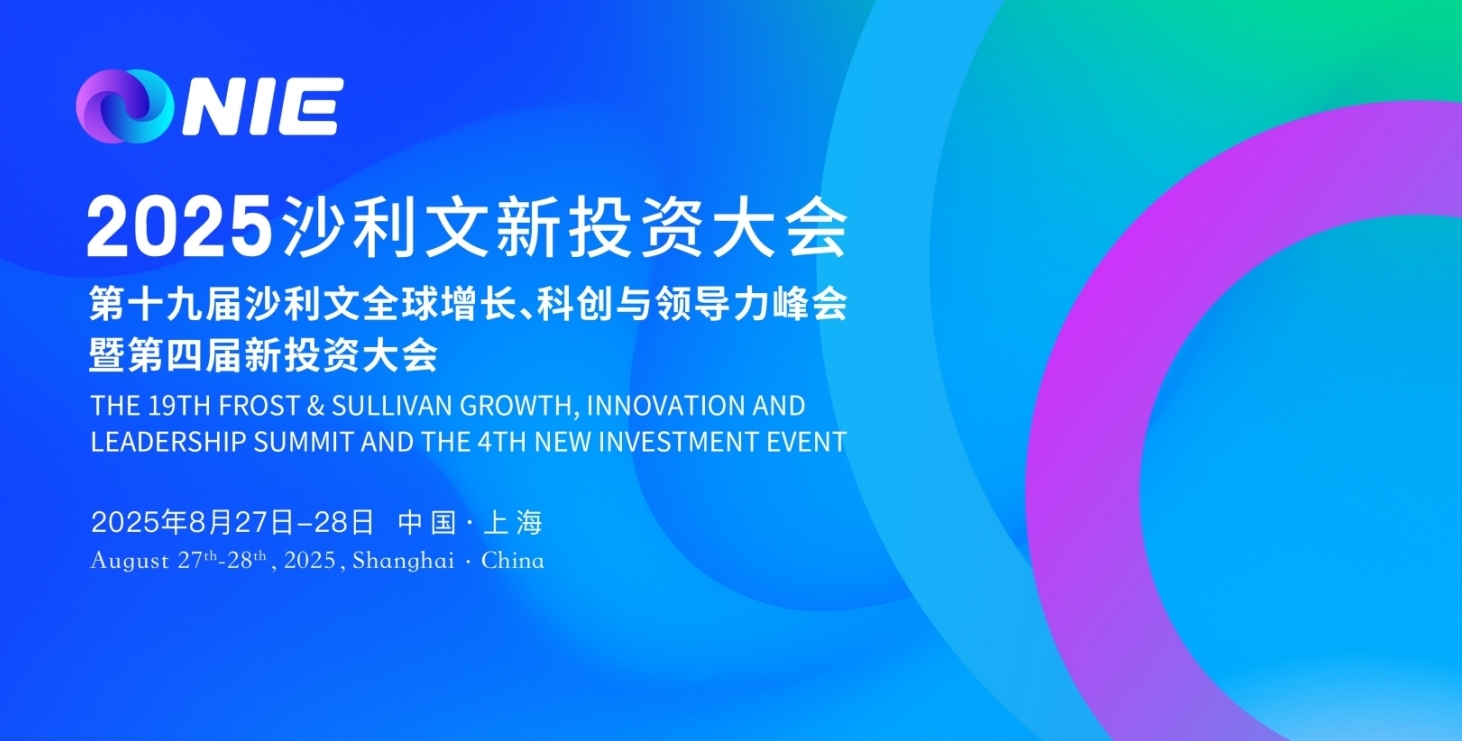
Other Info Columns
Related Recommendations
Hot Tags

Contact Us

Business Consultation Hotline
(021) 54075836


Scan to add official WeCom customer service for online support.

Scan to follow our official WeChat

Back to Top