With the rapid evolution of gene and cell engineering technologies, gene and cell therapy has made significant progress and become one of the most promising treatment methods for many traditional incurable diseases. Cell and gene therapy are ushering in a new era of medicine.
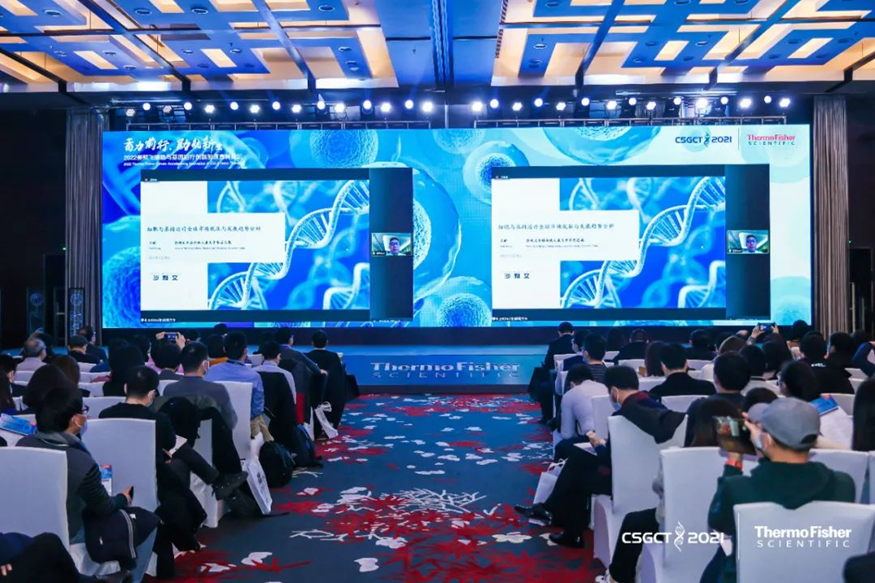
2022year2month24day-25Date, hosted by MedMakers2021 CSGCTThe Gene and Cell Therapy Medicine Summit was successfully held at the Shanghai Longmeng Hotel. The theme of this conference is 'Ramping Up Efforts & Assisting in New Beginnings'. The summit focused on multiple industry perspectives such as cutting-edge innovative technologies, market development trends, regulatory review regulations for cell and gene therapy globally, safety of genetically modified products, innovative production processes for gene drugs, current clinical treatment status of solid tumors and rare diseases.
Frost & SullivanFrost & SullivanDr. Wang Xin, Global Partner and President of Greater China at Frost & Sullivan (hereinafter referred to as 'Frost & Sullivan'), was invited to attend this summit and delivered a speech on the current global market situation and development trends of cell and gene therapy.
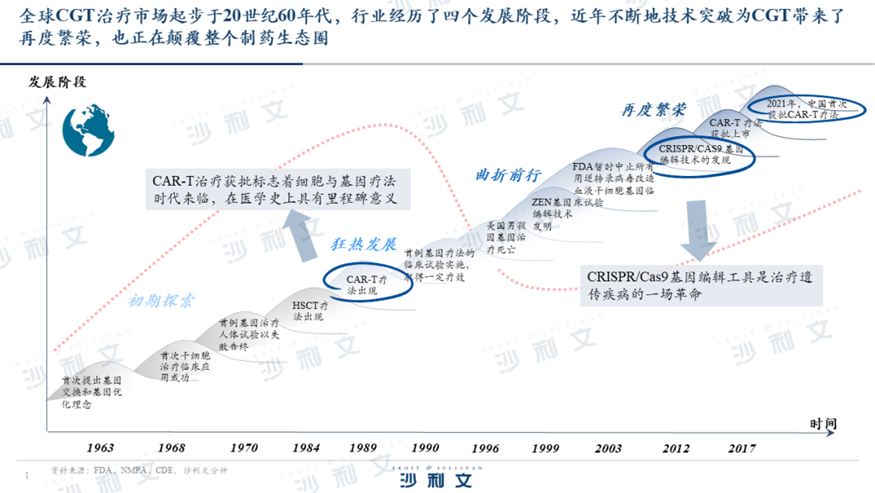
 With the development of medical technology and the increasing maturity of regulatory systems in various countries, globallyCGTThe treatment market has entered a golden age, with cell and gene therapy showing a trend towards development that combines traditional cell therapy with gene therapy. Dr. Wang Xin pointed out that the limitations of traditional cellular immunotherapy have driven the combined development of cell therapy and gene therapy. The continuous progress in genetic engineering technology, expression vectors, and gene delivery methodsCGTThe development provides broad space for innovation. 1970era, restriction enzyme,DNAThe combined discovery of ligases and gel electrophoresisDNASpecific fragments can be moved from one environment to another, for example, by cutting a specific gene from a chromosome into a plasmid.2019In [year], the world reported for the first time the use ofCRISPRGene editing technology knocked out hematopoietic stem cells in patientsCCR5Gene therapy, followed by the successful reinfusion of cells into patients to treat those with AIDS complicated by acute lymphoblastic leukemia.
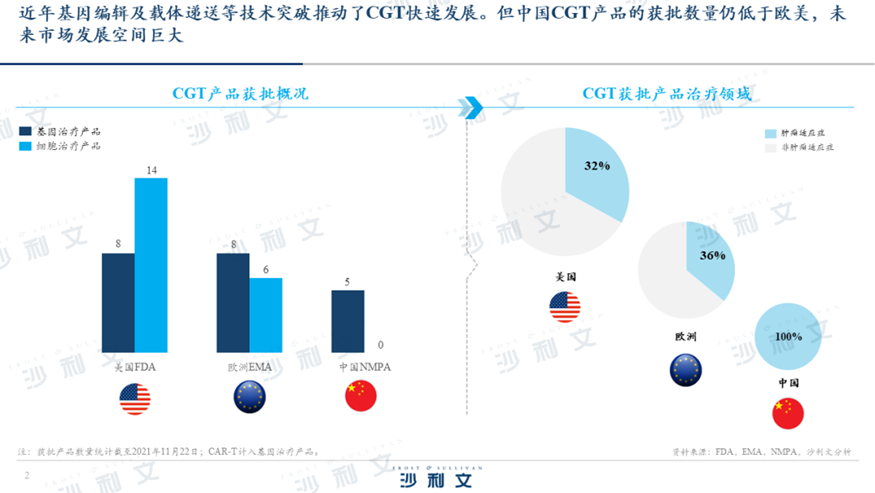
Dr. Wang Xin stated that breakthroughs in gene editing and vector delivery technologies in recent years have drivenCGTrapid development. Currently, the United StatesFDAApproved for saleCGTProducts in total20one, of which8A for gene therapy
Products; Those approved for sale in EuropeCGTProducts in total12one, of which6A gene therapy product; although in ChinaCGTThe approved quantity of the product is still lower than that in Europe and America, but there is huge market development potential in the future.
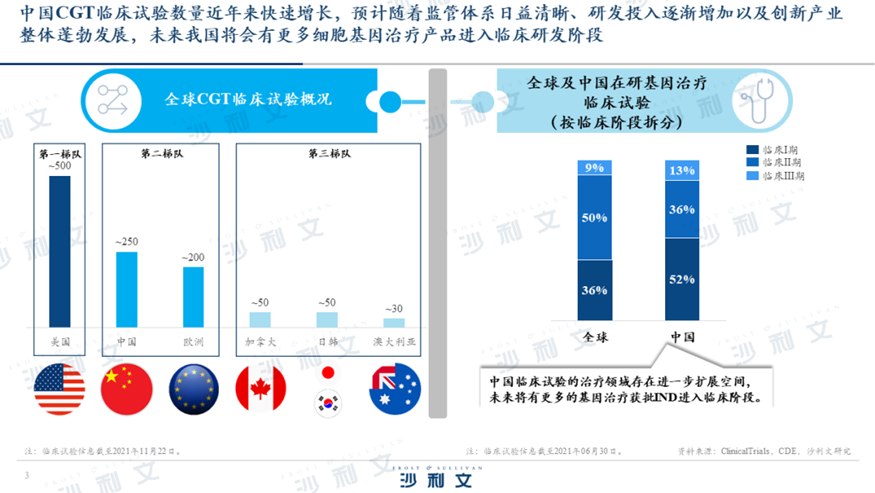
since2015Starting from this year, ChinaCGTThe number of clinical trials for therapies has seen explosive growth.2015Year to2020Over the year, approximately250itemCGTClinical trials have become the second-largest region in terms of volume, with an annual compound growth rate exceeding60%ranked first globally. Currently, China is conductingCGTClinical trial approximately100items, involving approximately80Home. A large number of gene therapy drug research and development projects have entered the clinical stage. It is expected that with increasingly clear regulatory systems, gradually increasing R&D investment, and the overall vigorous development of innovative industries, more cell and gene therapy products will enter the clinical research and development phase in China in the future.
By clinical stage, globally36%The ongoing clinical trials are in clinicalIperiod50%Conducting clinicalIIperiod9%In clinical useIIIPhase. Approximately half of the globally ongoing clinical studies are at a criticalIIPhase, entering clinicalIIIThe success rate of post-hive gene therapy research and development will double. Meanwhile, gene therapy clinical trials in progress in China are mainly at the clinical phase.IPercentage of the phase, approximately52%, forCGTThe research and development is still in its early stages, but clinicalIIIThe proportion of the period is higher than the global average, accounting for approximately13%It is expected that the proportion of successful research and development and market launch in ongoing clinical trials will also be relatively high. In the future, it will be in ChinaCGTA period of rapid development in research and development.
According to the research results of Frost & Sullivan, as of now,FDAandEMAApproved in total4A gene therapy for hereditary rare diseases that is currently available. In recent years, with continuous technological improvements, the safety and effectiveness of gene therapy have been enhanced. Breakthrough results have been achieved in the clinical treatment of various hereditary rare diseases such as hemophilia, leukodystrophy, Duchenne muscular dystrophy, and congenital amaurosis. In addition,CGTThe application areas of clinical trials are gradually expanding, and their use in chronic diseases such as diabetes and cardiovascular disease, as well as infectious diseases like AIDS, is also increasing, bringing hope for the cure of these diseases.
Subsequently, Dr. Wang Xin demonstrated the market scale of gene therapy globally and in China. The data shows that the global market scale of the gene therapy industry has been2016Since the beginning of the year, it has witnessed rapid growth. Against the backdrop of favorable policies and increasing R&D investment, the market scale of China's gene therapy industry has also shown a trend of rapid expansion.CAR-TThe future market potential for therapies is enormous.2016Year to2020In the year, the global gene therapy market compound annual growth rate was153%It is predicted that the market scale of future gene therapy will still maintain a rapid growth trend, estimated to2025The global overall market size will reach305.4billion dollars2020Year-end2025The annual compound annual growth rate reaches71%. and2016Year to2020In [year], the China gene therapy market grew from0.02USD billion growth to0.03billion US dollars, with a compound annual growth rate of12%are expected to2025The overall market size in the year will rise to25.9billion dollars2020Year to2025The annual compound annual growth rate reaches276%.

Globally,CGTThe industry is widely favored by capital, with mainstream capital markets such as public offerings, private equity funds, and venture capital showing great enthusiasm for the cell and gene therapy industry.
The total amount of investment and financing is from2016year27.86billion US dollars, increasing to2020year105billions, although private equity funds and venture capital are still the main entities in investment and financing, occupying the vast majority of market share, but public offeringsIPO listingThe method is gradually taking up a larger share, from2016year5.94Billion USD increased to2020year37billion US dollars, exceeding the scale2016year6times, highlighting the unprecedented enthusiasm of the secondary market for cell gene therapy.
Additionally, in the field of mergers and acquisitions, large multinational corporations are also actively deploying in the cellular gene therapy sector through acquisition. Among them, Bayer, Eli Lilly, Sanofi, and Novartis are particularly typical. According to Dr. Wang Xin, the acquisition of Eli Lilly's gene therapy for neurodegenerative diseases has brought a series of pipelines related to these diseases, broadening its competitive options; Bayer's acquisition of Pompeii disease gene therapies and a full set of adeno-associated virus technologies has, on one hand, increased its stakes in the gene therapy field, and on the other hand, the acquisition has brought more than500A patent related to the development and production of adenovirus has made Bayer a global leader in viral vector technology.

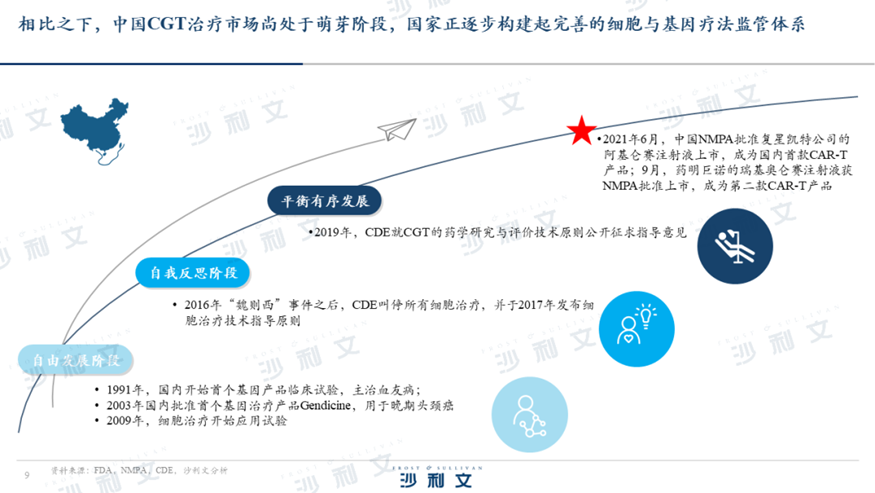
"Compared with European and American countries, China has a shorter development time for cell and gene therapy, which is still in its infancy. However, with continuous technological innovation and policy support,CGTThe industry can achieve rapid development, helping China's biopharmaceutical industry enter a new era." said Dr. Wang Xin. He introduced that China's cell and gene therapy in20century90There have been clinical studies for many years, up to2005There are two drugs targeting solid tumors each yearCGTProducts, but then the popularity faded in the following years, until2010After the Spring Festival, cell therapy has begun to attract the favor of major pharmaceutical companies and research institutions. To this day, domesticCGTThe industry has formed a relatively complete industrial chain, mostly focusing on the development of downstream treatment products. In the upstream field of key raw materials and production processes, imported brands still dominate, leaving significant room for domestic substitution.
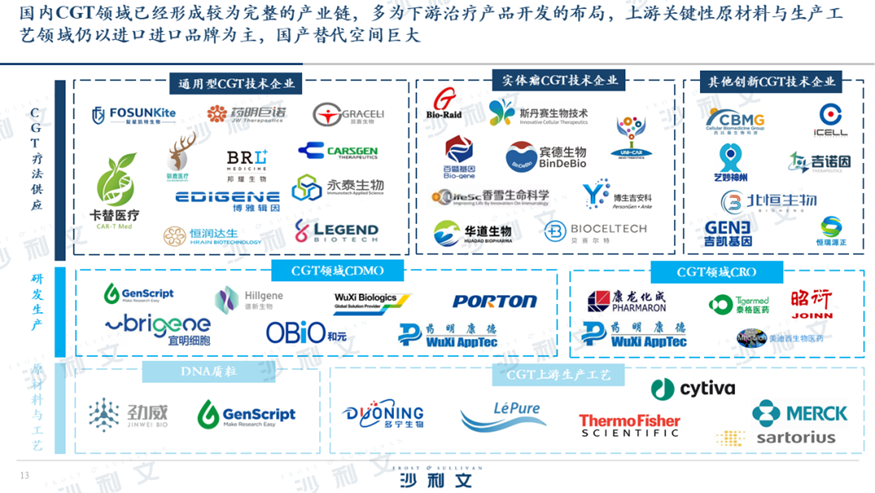
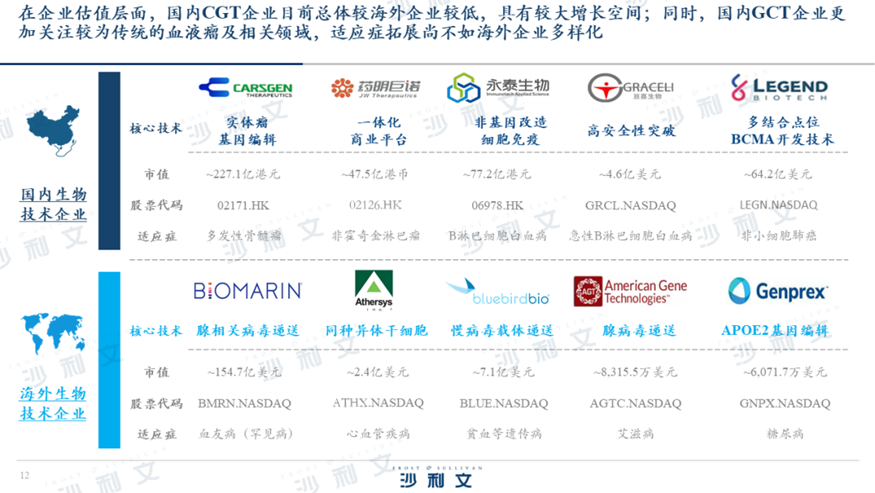
Dr. Wang Xin pointed out that China's vast potential patient baseCGTAs demand continues to grow, coupled with the emergence of a large number of biotech companies adapting to various indications and the capital market's investment boom, China's futureCGTThe market will show the following development trends: (1Expansion of therapeutic areas,CGT,CDMORapid development and reduced R&D costs.2At the corporate valuation level, domesticallyCGTThe overall level of enterprise performance is currently lower than that of overseas companies, indicating significant growth potential;3) At the same time, domesticallyGCTEnterprises are paying more attention to relatively traditional hematology malignancies and related fields. The expansion of indications is not as diverse as that of overseas companies, and in the future, domesticallyCGTThe market still has significant room for growth.
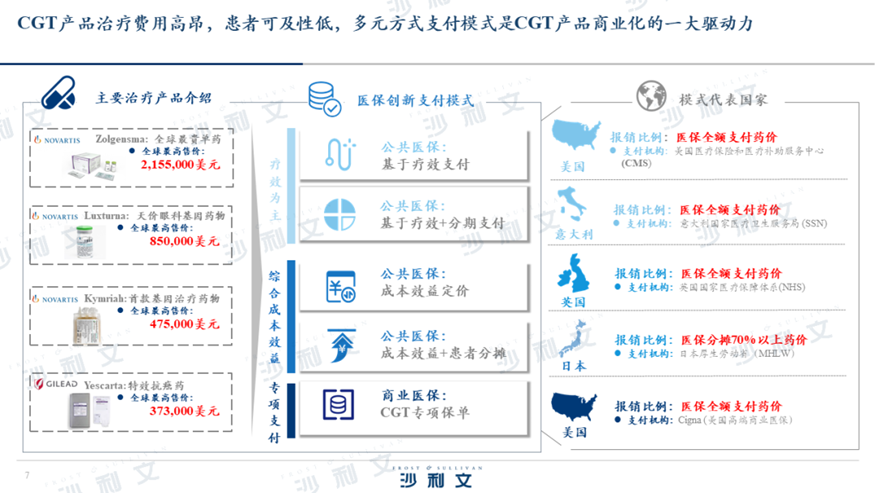
In addition,CGTThe treatment cost of products is high, and patients have low accessibility. He believes that a diversified payment model isCGTA major driving force for product commercialization is the diversified medical insurance payment models in major European and American countriesCGTCommercial development has provided support, It is expected that China's diversified medical insurance system will also driveCGTIndustrial development.
"
Finally, Dr. Wang Xin said, With policy, capital, and talent support, the Chinese pharmaceutical market is highly favored by the capital market, supporting biomedicine/Biotechnology has always been a hot investment area in China's healthcare industry, especially in recent years.CGTThe field has gradually become a focus of investment attention. According to ChinaCGTThe sector's financing transaction data shows that currently, private equity financing,IPO listingVarious transaction forms such as mergers and acquisitions, cooperation, etc., are booming.
Heavyweight trades keep emerging.2020annualCGTThe total amount of field financing is about126billion dollars2016Year to2020The annual compound annual growth rate reaches59.3%Looking at treatment modalities by investment segment,CAR-TTherapy is the most focused treatment method.
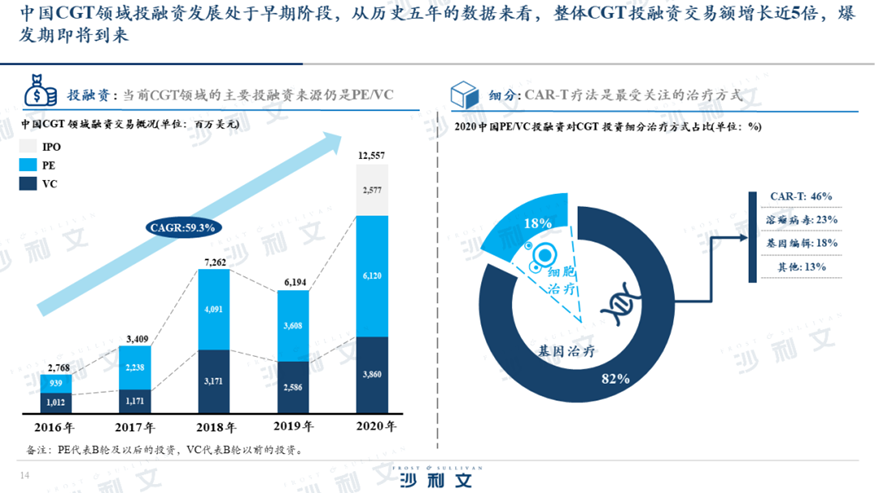
"It is expected that the entire pharmaceutical investment and financing market will continue to be highly active in the future.CGTThe continuous increase in capital investment in the field will also driveCGTIndustrial development. China has a large population base and a high number of patients with rare diseases and tumors, resulting in a significant unmet clinical medical demand. R&D innovation is being carried out based on the current situation to introduce globally leading technologies.CGTtechnology, and utilize the current ChinaCGTChina, with a favorable policy and investment environment for the track industryCGT"The treatment market holds broad development opportunities and prospects," concluded Dr. Wang Xin.