2022Since the beginning of this year, affected by complex international situations and environmental changes, the global economic recovery and financial market fluctuations have been fraught with uncertainties. The 'New Asset Management Regulations' were officially implemented at the beginning of the year, and the financial ecological environment has continuously shown new changes. The asset management market has also entered a new development stage.
Against this backdrop, hosted by the Economic Observer "Integrate & Symbiate"2022Industrial investment+Asset Management Summit ” is held on2022year7month26Held online, Frost & SullivanFrost & SullivanZhang Jian, Partner and Managing Director of Frost & Sullivan's Greater China Region, was invited to attend the forum and delivered a speech on the latest global industry technology trends.
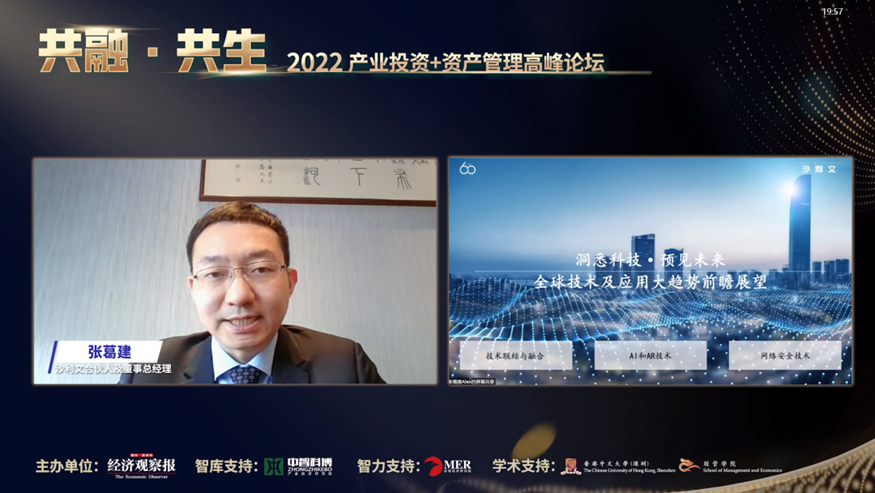
Zhang Jianhua centered on2020Year to2025This report conducts an in-depth study and interpretation of emerging technologies that promote work efficiency, introducing the trends in technology integration and convergence.AIAutomation and robotics trends, as well as cybersecurity trends, are analyzed, and strategic advice and predictions are provided for each trend from 'macro to micro'.

Trends in Technological Connectivity and Integration
According to a Frost & Sullivan survey, from2020Year-end2025In the year37100 million smartphones,5.2100 million wearable health-related devices and7Hundreds of millions of tablets. Device diversity will profoundly impact the backend and frontend of enterprises. Among all trends in technology connectivity and integration,ARTechnology has the greatest potential for enterprise applications because it can improve performance whileVRTechnology has greater mobility.
Zhang Jian stated that the number of users collaborating globally through enterprise social networks will continue to rise. Currently, in North America alone, there are already more than72%Enterprises are using internal social networking software for office work and communication. Smartphones, tablets, laptops, and current wearable devices will continue to improve people's work efficiency. Companies, even small and medium-sized enterprises, need to design a device strategy that considers long-term scalability and solution unification.
reach2025In 2021, the usage rate of wearable devices in workplaces will increase significantly, with the market growth rate for smart glasses expected to be the highest. Wearable devices, especially when combined with augmented reality functions, will achieve rapid growth in the enterprise sector. Workplace wearable devices will quantify and analyze employee behavior to help management make data-driven decisions, and the United States has already deployed this technology on a large scale and rapidly.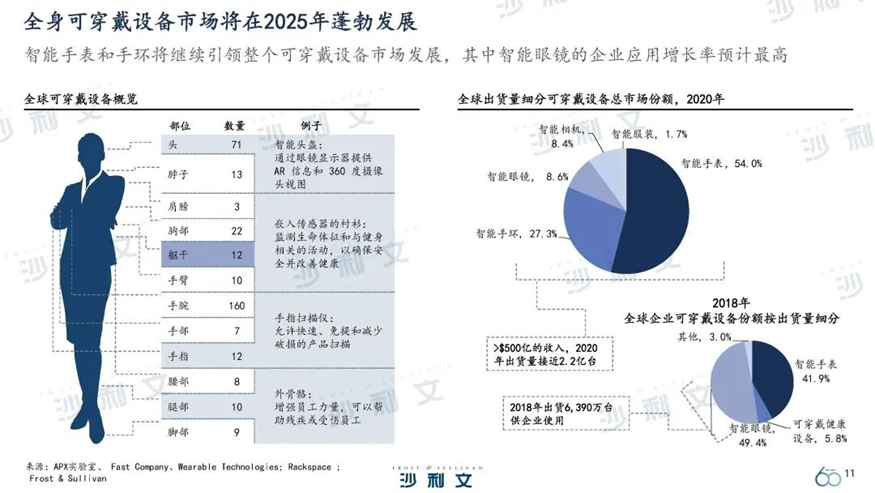
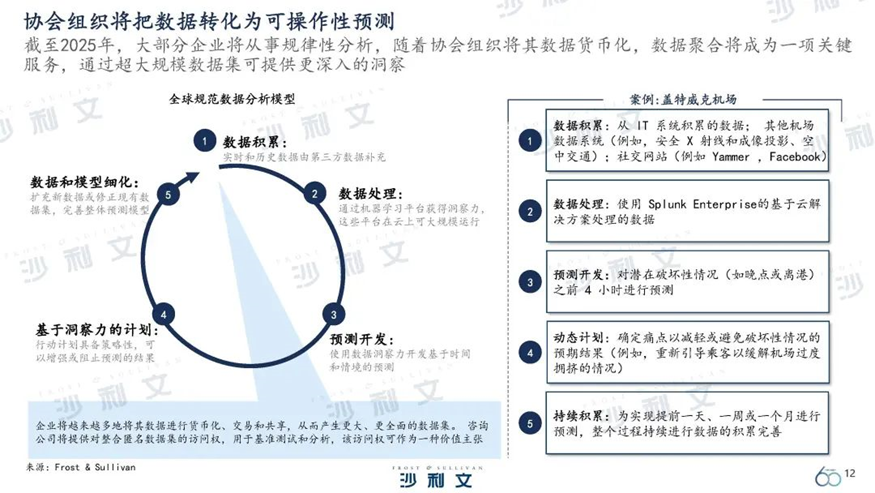
The next big thing in big data is to transform structured and unstructured data into actionable predictions, such as using normative analytics hours, days, or even weeks in advance to avoid emergencies. As of2025In the year, most enterprises will engage in regular analysis. As association organizations monetize their data, data aggregation will become a key service, providing deeper insights through extremely large datasets.
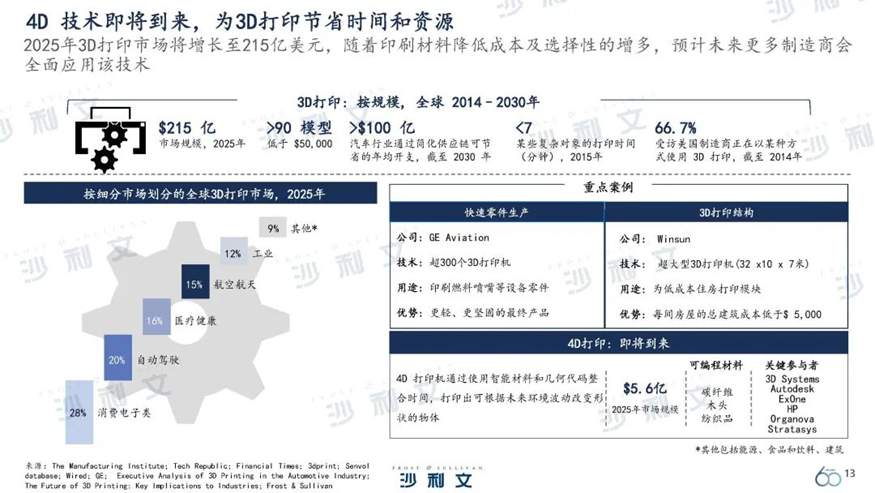
In addition,2025year3DThe printing market will grow to215Billions of dollars, with the reduction in costs and increased choice of printing materials, it is expected that more manufacturers will fully adopt this technology in the future.
AIAutomation and robotics trends
reach2021In the year, the global automation market exceeded800billion US dollars, with the industrial Internet of Things sensor market exceeding110Billions of dollars highlight the importance of automated internet solutions in manufacturing. Given the potential scope of applications and the ongoing progress in security and usability, professional service robots will have a significant impact on future workplaces.
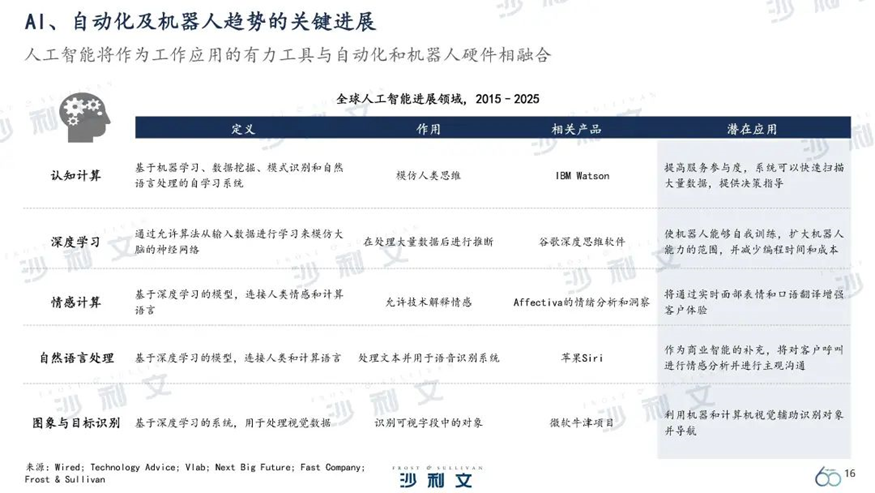
Zhang Jian pointed out that one direction in artificial intelligence development is the shift from consumer-oriented personal digital assistants to enterprise digital assistants. However, before this technology develops formally, privacy and security issues still need to be addressed. The improvement in artificial intelligence capabilities will continue to drive progress in most technology fields, with natural language processing and image recognition technologies serving as long-term enablers for customers looking to grow their businesses in the corporate sector. In terms of enterprise readiness, employees need to adapt to AI-derived technologies and corresponding outputs, which requires appropriate training and a workplace culture that is curious about technology and encourages participation.
Given industrial networking and sensorization, the Industrial Internet of Things will be in2025The year began with widespread adoption. Due to improved data quality and reduced latency, production is more sensitive to demand, leading to fundamental changes in manufacturing. Both technology providers and users will form their own ecosystems. For suppliers, providing holistic solutions is crucial for maintaining partnerships, while manufacturers will adopt the sharing economy model to reduce downtime.
The industrial robot market is relatively mature, and continuous innovation and application will maintain a sustained growth trend. Data shows that2025In [year], the number of industrial robots in use globally may exceed500One hundred thousand units. Therefore, globally, manufacturing centers will become increasingly automated. Service robots will become more flexible and user-friendly, and there is a certain possibility that they could fundamentally change the way many types of work are done. "In other words, these robots, which are positioned as collaborative machines, still require human supervision rather than job replacements," said Zhang Jianshe.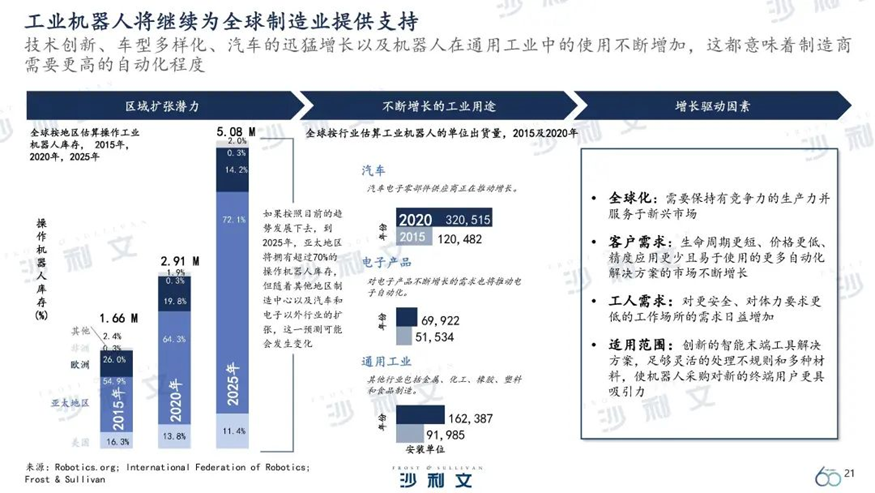
Network security trends
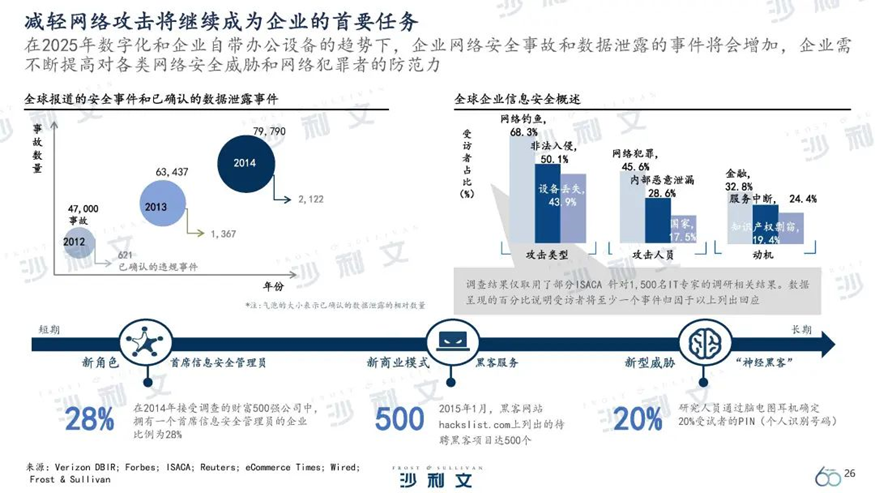
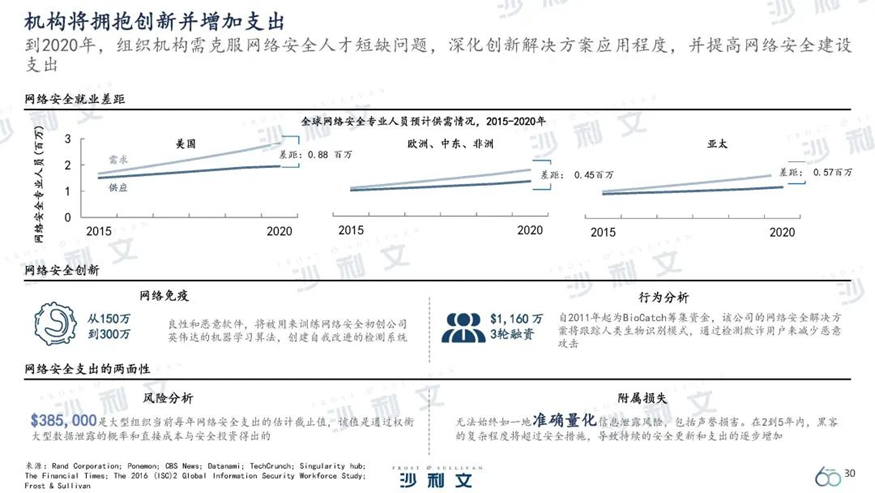
Zhang Jian pointed out that with the growth of connectivity trends, cybersecurity incidents will increase and evolve, thus requiring all enterprises to continuously carry out defense work. At the same time, as cybersecurity becomes a higher priority for enterprises, new roles will emerge, such as Chief Information Security Officer (CISO). For enterprises, recruiting qualified information security administrators will become a continuous challenge. In the future workplace, cybersecurity will include emerging technologies such as blockchain and machine learning.
Network security information exchange centers that share threat intelligence will become increasingly popular, as the advantages gained from sharing information outweigh the competitive advantage brought by information secrecy. Globally, network security information exchange centers will play an important role in sharing threat mitigation strategies with organizations in developing countries, which may not have government support but still need protection to avoid endangering global value chains.
Countries will advance the implementation of cybersecurity strategies to protect the information of enterprises, citizens, and governments. However, by2020In [year], the global cybersecurity market was close to1,550billions, with a global shortage of skilled cybersecurity professionals reaching200One hundred thousand people urgently need investment in new talent.
Industry application scenarios
Finally, Zhang Jian summarized, 'The technologies needed in future workplaces (especially those stemming fromAR,AIConnected technologies (IoT) will affect the working environment of most industries, leading to an overall improvement in productivity. The agricultural sector will adopt more robots, autonomous platforms, and aerial vehicles to increase yields and input accuracy, compensating for rising labor costs and shortages. Due to the integration of automation, the internet, and data analysis technology, industrial IoT technology will stand out in office technology scenarios within the industrial field. In office settings, artificial intelligence and big data technology can identify patterns that were previously unrecognizable and improve work efficiency by automating time-consuming tasks.