PwC Wuhan Biomedical Innovation Acceleration Camp
Focus on the capital roadmap for enterprise growth, and deeply analyze the insights from practical cases.9month7day-8On the day, the Wuhan Biomedical Innovation Acceleration Camp, hosted by the government and industry associations and co-organized by PwC, was held in Wuhan. The event focused on helping innovative enterprises in the biomedical field overcome development bottlenecks, connect with market, technology, customer, and capital resources, and access professional service resources to quickly achieve1reachNThe breakthrough growth is achieved by creating a first-class soft business environment, matching the rapid hardware development of the park with precise coordination and optimization of resource investment. This accelerates the rapid development of enterprises that possess innovative technology, explore new business models of the times, and assemble outstanding professional teams.
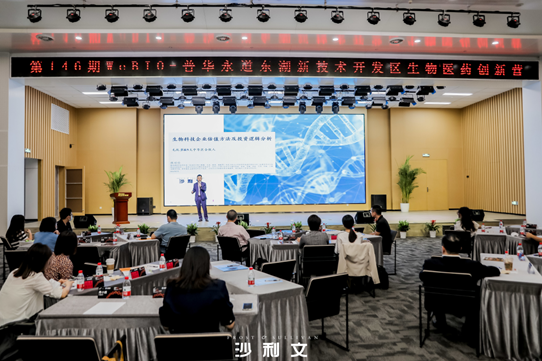
Frost & SullivanFrost & SullivanMao Hua, Partner and Managing Director of Frost & Sullivan's Greater China Region, was invited to attend the event and delivered a speech on A speech was delivered on the valuation methods and investment logic analysis of biotech companies.
 Partner and Managing Director, Greater China, Frost & Sullivan fattening
Mao Hua said that the choice of valuation method should be combined with two dimensions: the enterprise lifecycle and industry characteristics.DCF modelThe valuation method is currentlyBiotechThe most commonly used valuation method. DCF modelThe valuation method adopts the logic of discounting future cash flows, taking into account both dynamic growth potential of the enterprise and risk factors such as clinical failures.
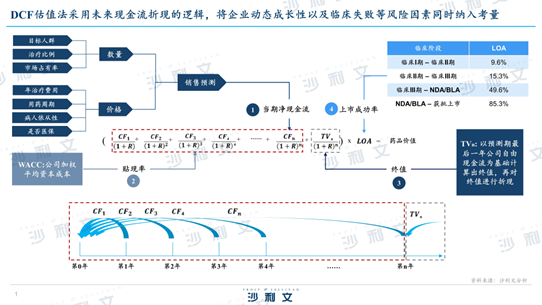
Among them, the product sales forecast isDCF modelThe most important part of the valuation method is that the target patient volume determines the market space for the product's segment in the therapeutic field, and the calculation methods vary for different types of indications. Same type of treatment/The permeability of a drug determines the size of the company's target patient pool, while the competitive landscape and commercialization capabilities of the same type of drugs determine the company's market share.
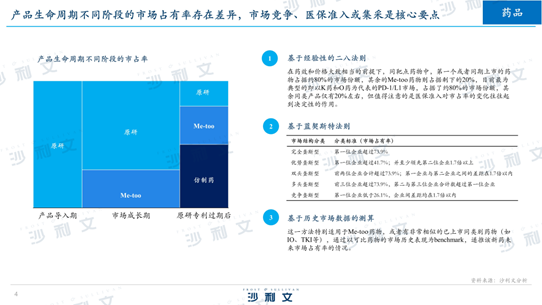
In addition, there are differences in market share at different stages of the product lifecycle. Market competition, medical insurance access, or centralized procurement are key points. The market share of drugs during the introduction phase, growth phase, and after the expiration of original research patents all change. It is particularly noteworthy that medical insurance access often plays a decisive role in changes in market share.
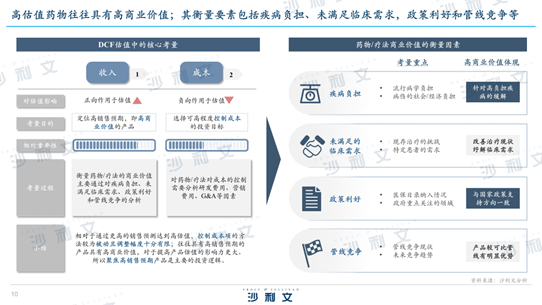
Mao Hua pointed out that drugs with high valuations often possess high commercial value, which are measured by factors including disease burden, unmet clinical needs, policy benefits, and pipeline competition.
At the same time, new drug projects that pursue high commercial value come with high risks. Investment requires a comprehensive balance of risks from research and development to post-marketing stages. The risks of new drug projects are mainly divided into pharmaceutical properties risk and commercialization risk. Pharmaceutical properties risk focuses on the drug research and development stage, with different research and development difficulties corresponding to different pharmaceutical properties risks. Commercialization risk, on the other hand, is concerned with the risks of drug review and approval, drug production, and post-marketing sales.
"How to find a balance between business value and risk is at the core of the investment logic of biotech companies," said Mao Hua.
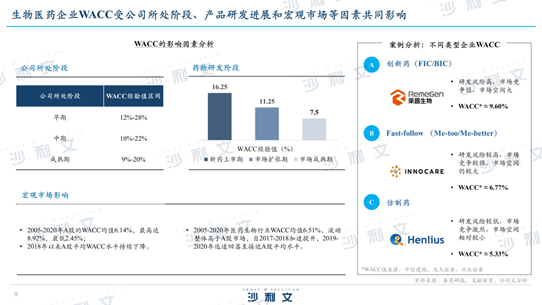
In addition, Mao Hua said that biopharmaceutical enterprisesWACCAffected by factors such as the company's stage, product R&D progress, and macro market conditions. Data shows that2005 - 2020Annual Pharmaceutical and Biological IndustryWACCmean6.51%The overall volatility is higher thanAMarket for equity securities, since2017 - 2018Accelerate growth,2019 - 2020The year quickly fell back to nearAAverage stock price.
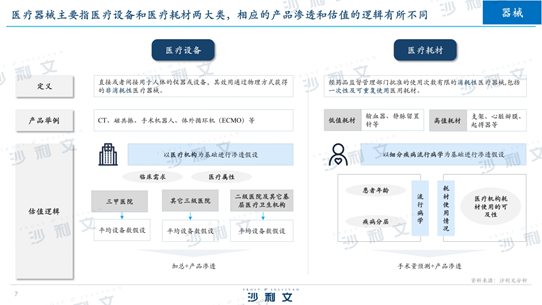
After introducing the valuation logic of drugs, Mao Hua explained to the guests present the valuation logic for medical device products. Medical devices mainly refer to two categories: medical equipment and medical consumables, with different product penetration and valuation logics accordingly.
The valuation of medical equipment needs to be based on penetration assumptions, taking into account the clinical needs of patients and the penetration rate of medical institutions. Medical consumables are valued based on the epidemiology of specific diseases, considering patient epidemiology, consumable usage patterns, and the penetration rate of medical institutions.
Finally, Mao Hua introduced, Frost & Sullivan has rich research experience in the healthcare industry, providing consulting services to healthcare enterprises throughout the entire process from early strategy to business operations. It particularly focuses on corporate growth and investment and financing decisions. recent20Over the years, the Frost & Sullivan team has provided financing and financial advisory services, as well as sales forecasting, to many outstanding healthcare enterprises at home and abroad./valuation,IPO listingIndustry consulting, strategic consulting, management consulting, and other services are provided to clients across various sub-sectors such as biomedicine and medical devices.