Since the beginning of this year, a number of hot pot brands such as Xibap Xibap, Nan Hotpot, and Seng Hotpot have successively raised their prices.2020Around the New Year, the hot pot market experienced a wave of consumption upgrade, with per capita average orders per visit in hot pot restaurants increasing. A meal at a hot pot can cost hundreds or even thousands of yuan. Why has the hot pot market collectively reduced prices now? Where is the hot pot industry heading next? Is the popularity cycle (variability cycle) of hot pots getting shorter? Why? The trend towards fast foodization in hot pots is becoming more evident. Is the fast-food hot pot industry a proactive move or a helpless response? Compared to regular hot pots, what are the advantages of the takeaway hot pot category that combines with fast food? What new business forms will emerge in the hot pot industry in the future?
Frost & SullivanFrost & Sullivan,Xie Shuqin, Executive Director of Greater China at 'Frost & Sullivan' (hereinafter referred to as 'Frost & Sullivan'), was interviewed by Blue Whale News to discuss the development of the hot pot industry.
Blue Whale News
*Click at the end of the article Read the original text View the full report
Q: What's your opinion on the price cut of hot pot?
From the perspective of market competition, the hot pot industry has entered a stage of fierce competition, with an oversupply in market supply and serious brand homogenization issues. Therefore, in order to stand out in the competitive market environment, many hot pot brands have successively reduced prices in an attempt to attract more new consumers and enhance the loyalty of existing customers. Some hot pot brands have lowered the prices of dishes and base sauces, while also launching more discount packages and adding small portion options to the menu specifications.
In addition, the current economic situation and consumers' purchasing power have also affected the pricing strategies of the hot pot industry. As the new economic situation becomes normalized, many consumers are more focused on cost-effectiveness, especially the younger consumer group. They are more sensitive to prices and hope to enjoy high-quality services and products at lower prices. Therefore, many hot pot brands are responding to changes in market demand by reducing prices or offering discounts to gain a foothold in the highly competitive market.
However, from the perspective of a brand's long-term development, although price cuts can bring certain benefits in the short term, they may also lead to issues such as damaged brand image and blurred positioning. Price wars are not suitable for all brands, and the successful implementation of cost-performance or quality-price models depends on highly standardized production and outstanding supply chain capabilities. Therefore, leading enterprises can achieve price cuts through scale and chain effects; while small and medium-sized brands lack scale and cost advantages and are often forced to compress labor or ingredient costs in the supply chain, which may have an adverse impact on product quality control. In the long run, hot pot brands still need to pay more attention to product innovation and differentiated competition to truly achieve sustainable development and win the long-term favor of consumers.
Q: 2020Around the New Year, the hot pot market experienced a wave of consumption upgrade. The average per capita order price at hot pot restaurants has been increasing, with a single meal often costing hundreds or even thousands of yuan. Nowadays,5The annual cycle has not arrived yet, so why have the hot pot market seen a collective price cut? Where is the hot pot industry heading next?
As China's economy enters a new development cycle, the catering industry has shifted from a period of rapid growth to maturity, with market focus shifting from incremental expansion to in-depth cultivation of existing assets.2020Since the beginning of the year, the hot pot market has seen explosive growth, attracting numerous enterprises and capital to pour in, intensifying the competitive landscape within the industry. Not only are there fierce competition among large chain brands, but small hot pot restaurants also face survival challenges.2024In the first quarter of the year, the number of hot pot restaurants decreased month by month, further confirming that the hot pot market has entered a new normal of stock competition. On the other hand, against the backdrop of macroeconomic consumption downturn, the public generally pursues cost-effectiveness more than ever, with a significant increase in sensitivity to price and portion size. This has led hot pot brands to compete for traffic by optimizing product quality and adjusting pricing strategies. Therefore, price cuts in the catering industry are currently a major trend.
Against this backdrop, hot pot brands should regard price cuts as one of their effective competitive tools in the short term and continuously explore diversified strategies to cope with market changes. For example, the subsidiary brand of Haidilao, Xiaohai Hotpot, increases product added value12Yuan's premium experience encompasses a variety of drinks, snacks, cold dishes, and fruits, successfully capturing consumers' attention. At the same time, interactive marketing such as egg roll machine lottery, free promotional cards, and free packages not only enhances the customer's consumption experience but also effectively promotes traffic growth. In addition, by implementing flexible price fluctuation strategies and adjusting prices in a timely manner according to market changes such as seasonal transitions and holidays, the brand maintains its price competitiveness in a way that better meets consumer needs. However, continuous innovation and differentiated competitive strategies remain key for hot pot brands to successfully break through boundaries. In the increasingly differentiated hot pot market, brands may achieve differentiation by innovating flavors, exploring niche categories, and new business formats. For example, launching unique base sauces or dishes based on local characteristics can help them stand out in homogeneous competition and win consumers' favor.
Q: Is the popularity cycle (variability cycle) of hot pot getting shorter? Why is this happening?
The fast fashion concept has had a significant impact on the trend cycle and consumer behavior of the catering industry. Modern consumers have rapidly changing demands and tastes for dining, with new trends and novel experiences emerging continuously, shortening the entire trend cycle of the catering industry. Against this backdrop, although some hot pot categories have quickly become popular due to their unique charm, bringing traffic exposure, they lack capabilities such as product quality control and in-depth supply chain management. Relying solely on formal innovation driven by check-in effects is often unsustainable, with a relatively short lifecycle. When some innovative concepts have harvested their traffic and the market enters saturation, consumers begin to seek more fundamental and authentic dining experiences. At this time, the essence of hot pots and the catering services behind them are once again highlighted, and the industry gradually enters a calm period of 'de-networking celebrityization' and will still return to in-depth work on ingredient quality, cooking skills, and service details.
Q: The trend of hot pot becoming fast-food is becoming increasingly evident. Is the fast-food hot pot industry a proactive move for change or a helpless response?
The current trend towards fast-foodization of hot pot is becoming increasingly evident. This is not only a natural result of market demand changes but also a wise move by the hot pot industry to actively seek change. The fast-foodization of hot pot largely caters to market demand changes, especially the pursuit of young consumers for a fast, delicious, and value-for-money dining experience. In the fast-paced modern life, the fast-foodization of hot pot perfectly fits the young people's dietary trend that emphasizes efficiency and quality.
Secondly, hot pot fast food has provided an effective way for brands to rapidly expand their market by standardizing operations. By flexibly locating in high-traffic areas such as shopping malls and office districts, fast-food hot pots not only greatly increase brand exposure but also offer consumers more convenient dining options. Hot pot brands can quickly expand their market share through standardized processes and dishes. In addition, the fast-foodization of hot pots helps merchants better control costs. Standardized operating procedures and menu settings simplify service processes and improve production efficiency, thereby effectively reducing labor and time costs. This efficient operational model enables merchants to further enhance profit margins while ensuring quality.
Overall, the trend towards fast foodization of hot pot is a positive manifestation of the hot pot industry's adaptation to the times and proactive innovation. This transformation not only meets the market's demand for convenient dining but also provides an effective way for brands to rapidly expand their market and reduce operational costs.
Q: What are the advantages of the lunch hot pot category, which combines fast food with hot pot, compared to regular hot pots?
At present, the hot pot industry is constantly seeking innovation and change to meet consumers' demand for convenience and diversity. 'Dinner-in-Hand Hot Pot' is an innovative category. Compared with traditional hot pots, 'Dinner-in-Hand Hot Pot' combines characteristics such as fast food and small shop models, focusing on affordable and essential dining for one person, offering faster and more convenient service, high flexibility, and a certain degree of standardization.
Typically, there are diverse options for single or double servings, as well as a wide range of flavor customization options. For instance, there are various hot pot bases and carefully selected side dishes. Everyone can choose different hot pot bases and side dishes according to their personal preferences. This personalization and flexibility not only enrich the dining experience of consumers but also make hot pot more accessible.
In addition, from the perspective of operational management, the production process of the 'Lunchtime Hotpot' is relatively unified and easy to standardize. This is a significant advantage for brand expansion and management. A standardized process can not only ensure consistent quality of each meal but also improve service efficiency, reduce operational difficulty, and labor costs. In this way, hotpot brands can expand into the market faster while ensuring that consumers in different regions can enjoy the same high-quality meals.
Q: What new business forms do you think will emerge in the hot pot industry in the future??
Firstly, with the continuous advancement of technology, the penetration rate of intelligent devices in the hot pot catering industry is expected to continue to rise. Robots can undertake tedious tasks such as serving food and cleaning, reducing labor costs and improving efficiency. In addition, intelligent ordering systems can provide faster and more accurate ordering services while ensuring food safety and controlling dish quality. Such intelligent operation not only enhances the operational efficiency of hot pot restaurants but also brings a better dining experience to consumers. For example, intelligent delivery robots have been gradually put into use.
In addition, with the rapid development of the takeaway market, hotpot restaurants also need to keep up with trends, strengthen their takeaway channel layout, and provide high-quality takeaway hotpot services. Consumers can enjoy the delicious hotpot experience at home without being restricted by time or location. Hotpot restaurants can ensure the quality and taste of takeaway hotpot through excellent packaging and delivery services, meeting consumers' needs for convenience and deliciousness.
At the same time, 'hot pot+The concept is also expected to become a new business model for industry development, such as hot pot.+Market, hot pot+Tea drinks, hot pot+The innovative and integrated formats such as taverns also provide diverse choices and combinations for hotpot brands to innovate and break through, as well as to push the industry forward with new ideas.
*This interview has been published in Blue Whale News Reporter: Zhang Jinglun, original title: 'Hotpot Restaurant Becomes a 'Roll King' in the Catering Industry: Opened for a Year and a Half10Wanjia Store, it's difficult to make money through collective price cuts
Recommended
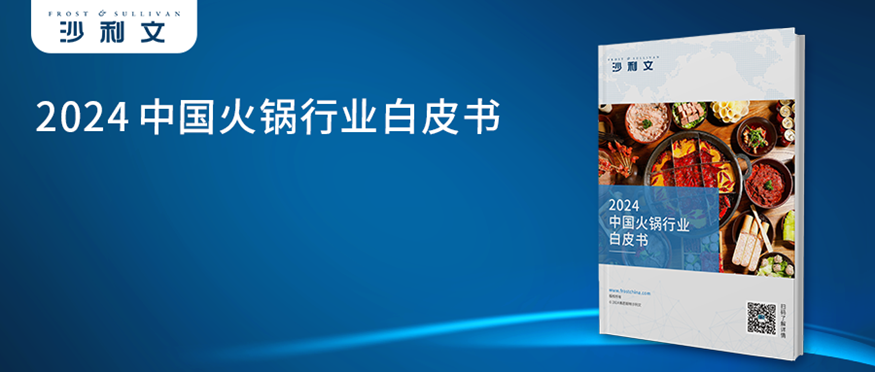
As the haze of the epidemic completely dissipates,2024The Chinese hot pot industry in [year] has welcomed unprecedented development opportunities and changes, with its recovery momentum and vibrant vitality becoming the focus of attention from all sectors of society. With the comprehensive recovery of consumer confidence and the continuous release of market demand, hot pot, a dining form that combines social interaction, culture, and deliciousness, is leading a new round of growth boom in the food and beverage industry.
2024year8month30Today, Frost & Sullivan will2024The New Consumption and Food & Beverage Industry Investment Summit grandly released2024"China Hotpot Industry White Paper," which deeply analyzes the market dynamics and development trends of China's hotpot industry. It closely focuses on four core topics: "Brand Innovation," "Model Innovation," "Product Innovation," and "Supply Chain Innovation," presenting a comprehensive, in-depth, and forward-looking view of the vibrant vitality and infinite potential of China's hotpot industry.
This white paper particularly focuses on the quality and supply stability of Mao Dun belly as a top dish in hot pot, which has become a key focus for brand innovation to help sustain the continuous prosperity of the hot pot industry. This white paper will provide valuable references and guidance for upstream and downstream enterprises in the hot pot industry chain, helping them accurately grasp the industry's pulse, explore new growth points, jointly face industry challenges, and create a more brilliant future for China's hot pot industry.
Learn more about the meeting details👇
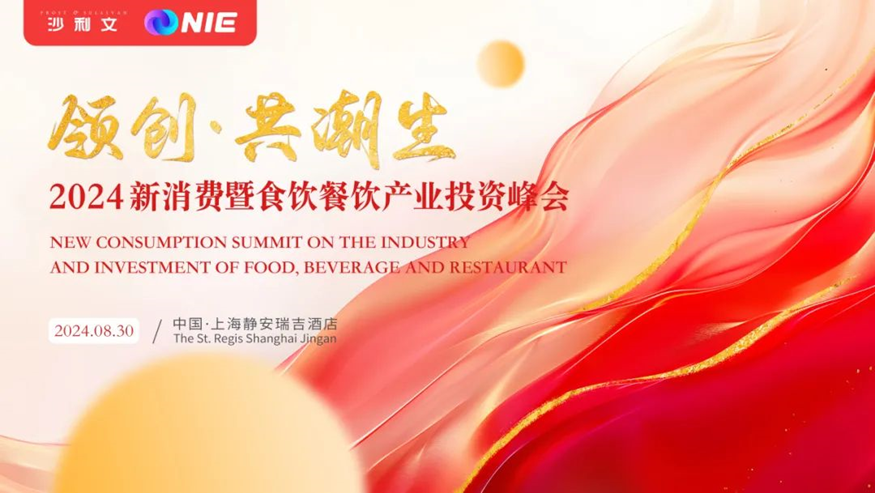
🔗Announcement of the first batch of key speakers! Frost & Sullivan2024The New Consumption and Food & Beverage Industry Investment Summit invites you to meet in Shanghai in August