2025 International Beer Brewing Summit Business Forum
On April 15, 2025, the annual grand event of the Asian craft beer industry - CBCE 2025 - was grandly held at the Shanghai New International Expo Center. As the largest professional event for craft beer in Asia, this summit, themed 'Cross-Border Integration', gathered leaders, scientific pioneers, and innovators from the global beer industry to jointly discuss cutting-edge trends and business transformation paths in the industry.
Mr. Zhang Jian, Partner and Managing Director of Frost & Sullivan Greater China, was invited to attend the event. From an industry perspective, he conducted an in-depth analysis of the development trends of the craft brewing and restaurant markets from a capital perspective.
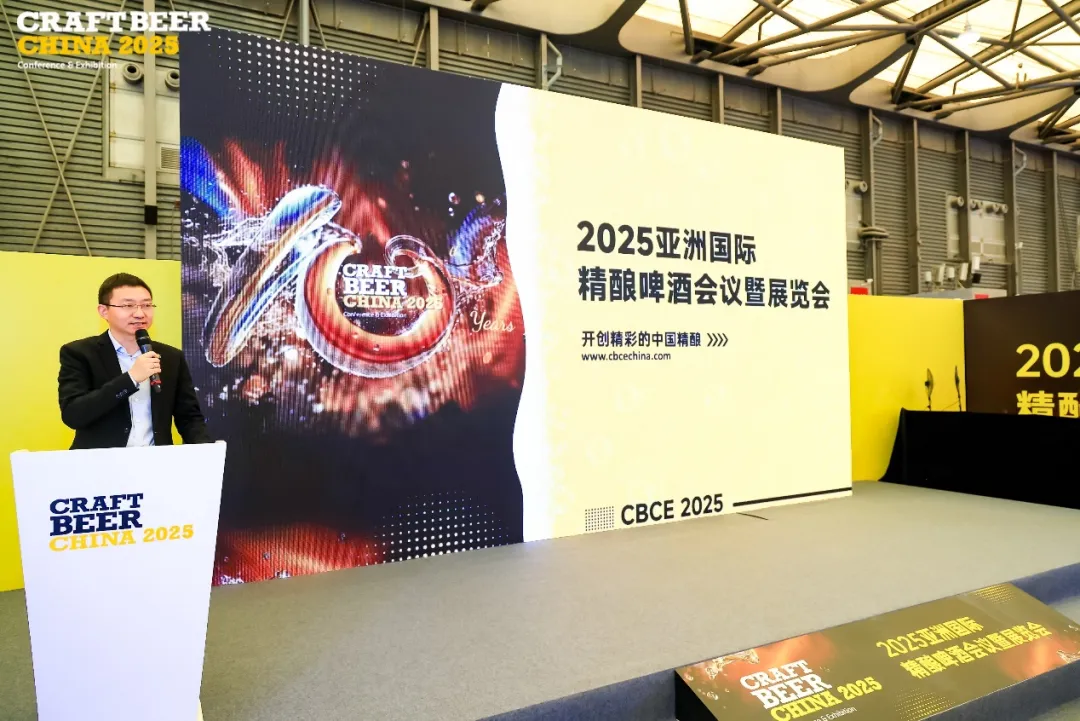
Zhang Jian, Partner and Managing Director of Frost & Sullivan Greater China Region
Zhang Jian stated that the watershed for investment and financing in China's beer industry was 2013. Before 2013, the beer industry was in a growth phase, with leading enterprises rapidly expanding through investment and mergers and acquisitions of local breweries to complete market integration. Afterward, the industry entered a stockpiling stage, with top companies shifting towards high-end and product upgrades, leading to a slowdown in investment and financing activities. Craft brewing, as an important direction for the industry's high-end transformation, saw an investment and financing peak between 2021 and 2022. Subsequently, affected by the overall cooling of the consumer market, its popularity declined, and the investment style shifted from early angel/A rounds to mature targets, reflecting that capital values profit model validation and scalability.
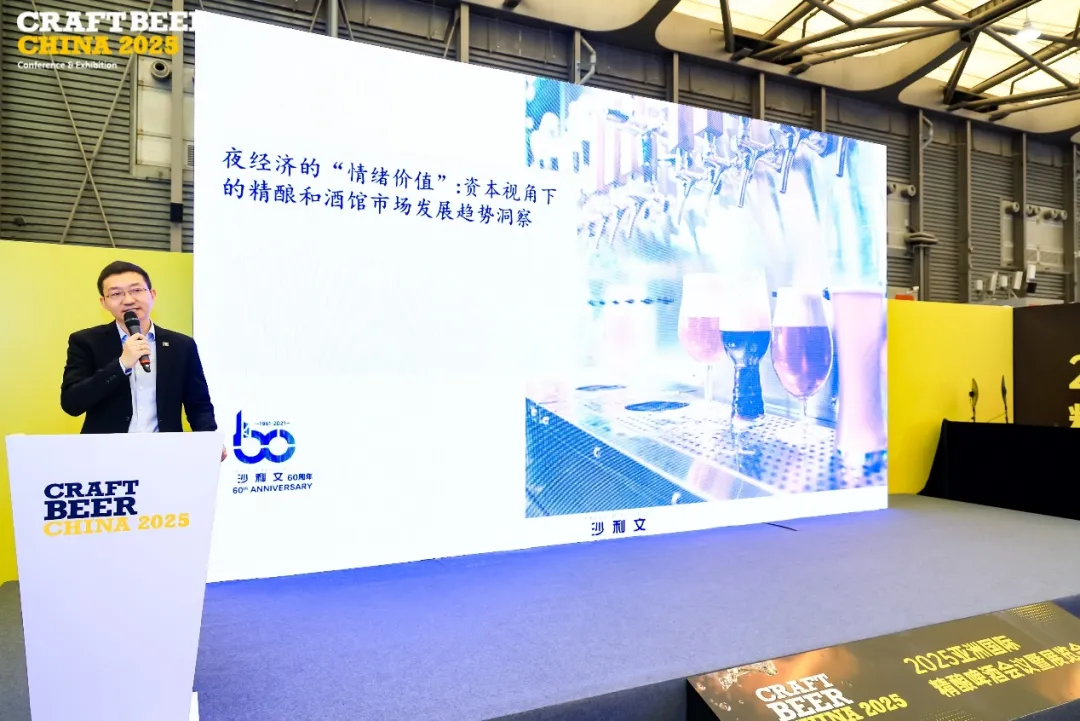
Zhang Jian, Partner and Managing Director of Frost & Sullivan Greater China Region
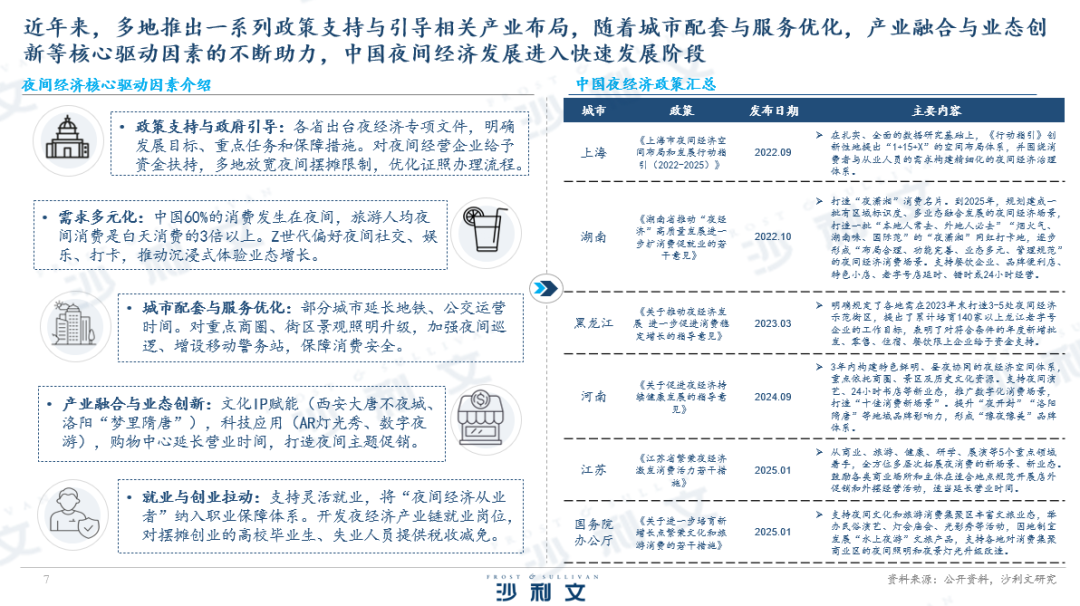
Zhang Jian pointed out that 'nightlife' is gradually becoming a fashionable lifestyle pursued by citizens. The booming development of China's nightlife economy market is conducive to participants in the restaurant and bar market further creating offline social platform attributes at night, promoting the further development of the industry. In recent years, many places have introduced a series of policies to support and guide the layout of related industries. With the optimization of urban facilities and services, and the continuous assistance of core driving factors such as industrial integration and business format innovation, China's nightlife economy has entered a stage of rapid development.
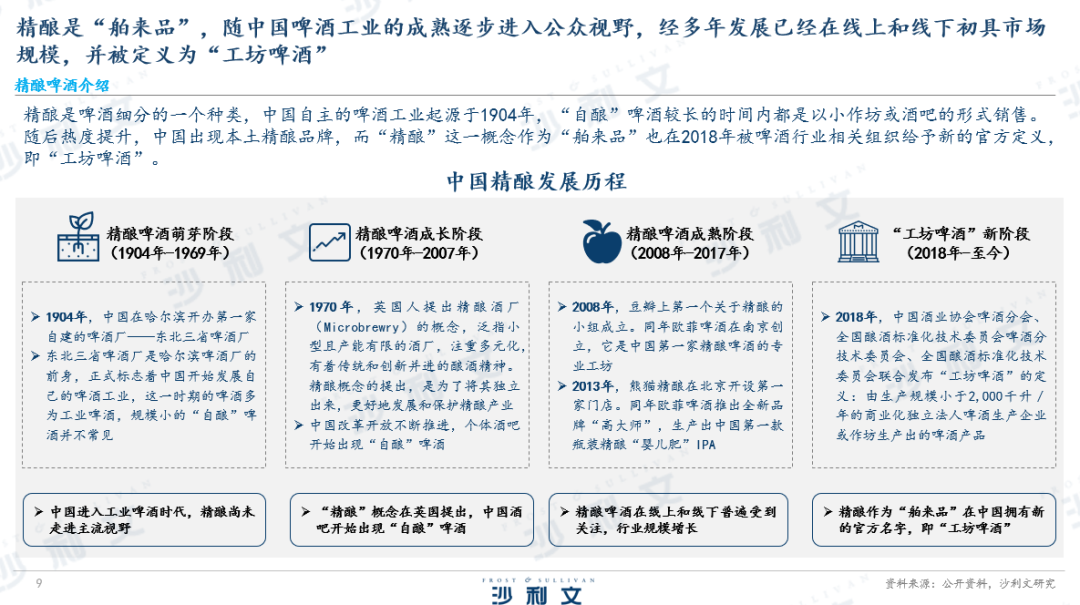
He stated that craft brewing is an 'imported product' that has gradually come into public view with the maturity of China's beer industry. After years of development, it has initially established a market scale both online and offline and has been defined as 'artisan beer'. It has gone through four development periods, including:
-
Industry infancy (early 20th century - 1960s): China entered the era of industrial beer, and craft brewing had not yet entered mainstream consciousness;
-
Developmental phase (1970s - early 21st century): The concept of 'craft beer' was introduced in the UK, and Chinese bars began to serve 'self-brewed' beer;
-
Maturity period (about 2008-2017): Craft beer received widespread attention online and offline, with industry scale growing;
-
The new phase of 'Craft Beer' (since 2018): Craft brewing, as an 'imported product', has acquired a new official name in China, namely 'Craft Beer'.
With the increasing heat, the concept of 'craft beer' has been given a new official definition as an 'imported product' by beer industry-related organizations in 2018, which refers to 'brewhouse beer'.
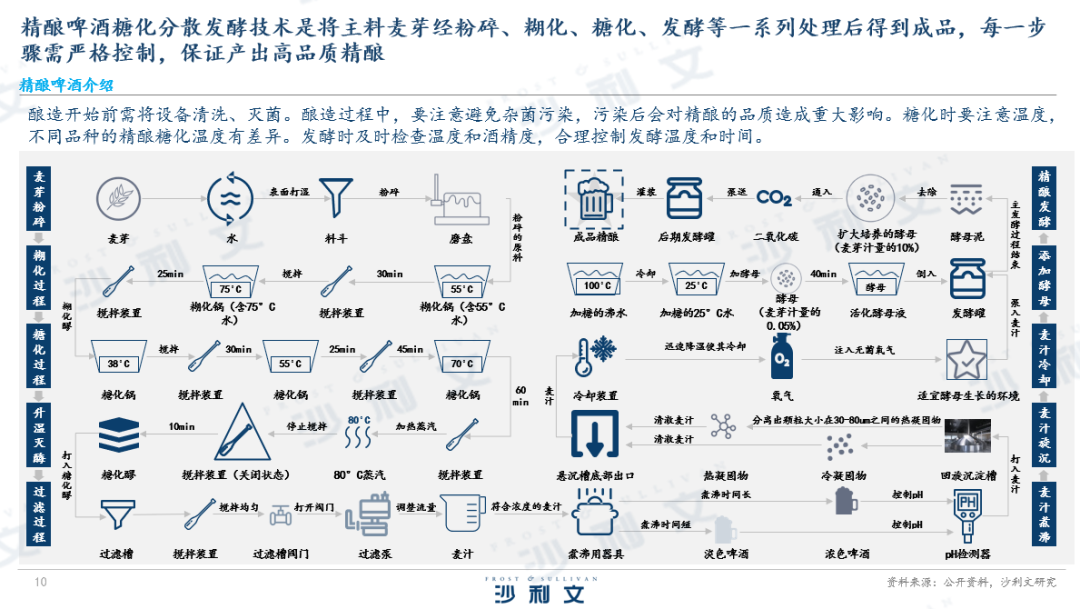
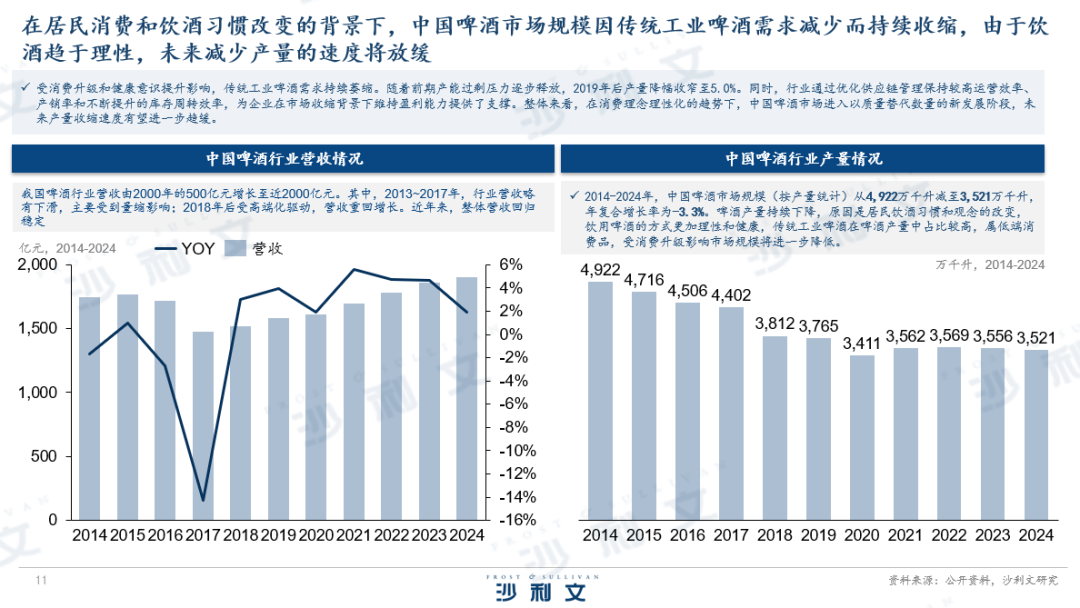
The brewing beer saccharification and dispersion fermentation technology involves a series of processes including crushing, gelatinization, saccharification, and fermentation of the main ingredient malt to obtain the finished product. Each step requires strict control to ensure high-quality brewing output. Affected by consumption upgrading and increased health awareness, the demand for traditional industrial beer continues to shrink. With the gradual release of excess capacity pressure in the early stages, production volume decreased by only 5.0% after 2019. At the same time, the industry maintains high operational efficiency, production and sales rates, and continuously improves inventory turnover efficiency through optimized supply chain management, providing support for enterprises to maintain profitability under market contraction conditions. Overall, under the trend of rationalizing consumption concepts, the Chinese beer market has entered a new development stage where quality replaces quantity, and the future rate of production contraction is expected to further slow down.
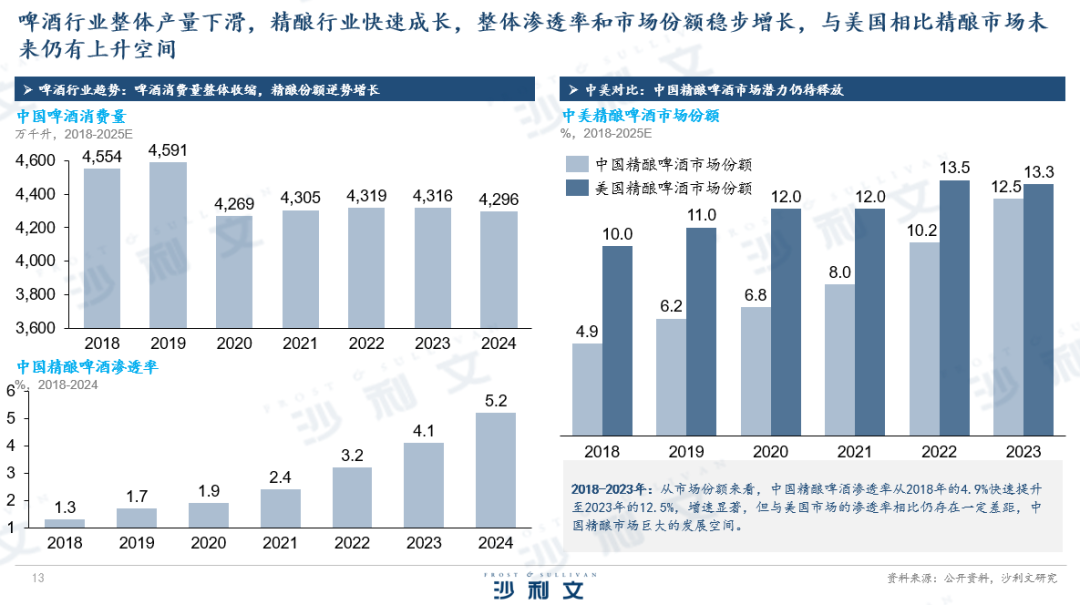
He pointed out that looking at the development processes of the United States and Japan, both beer industries have gone through a phase of transformation from quantity to quality. The trend towards high-end products is clear, and craft beer, as the core carrier of beer's high-endization, is becoming a key driving force for industry development. The overall production of the beer industry has declined, while the craft beer industry has grown rapidly, with steady increases in overall penetration and market share. Compared to the United States, there is still room for growth in the craft beer market in the future.
He stated that the Chinese restaurant industry is booming, with industry revenue exceeding 110 billion in 2024. However, the current chain rate is relatively low. Based on the experience of developed countries, it is estimated that there is significant room for concentration improvement in the Chinese restaurant industry in the future.
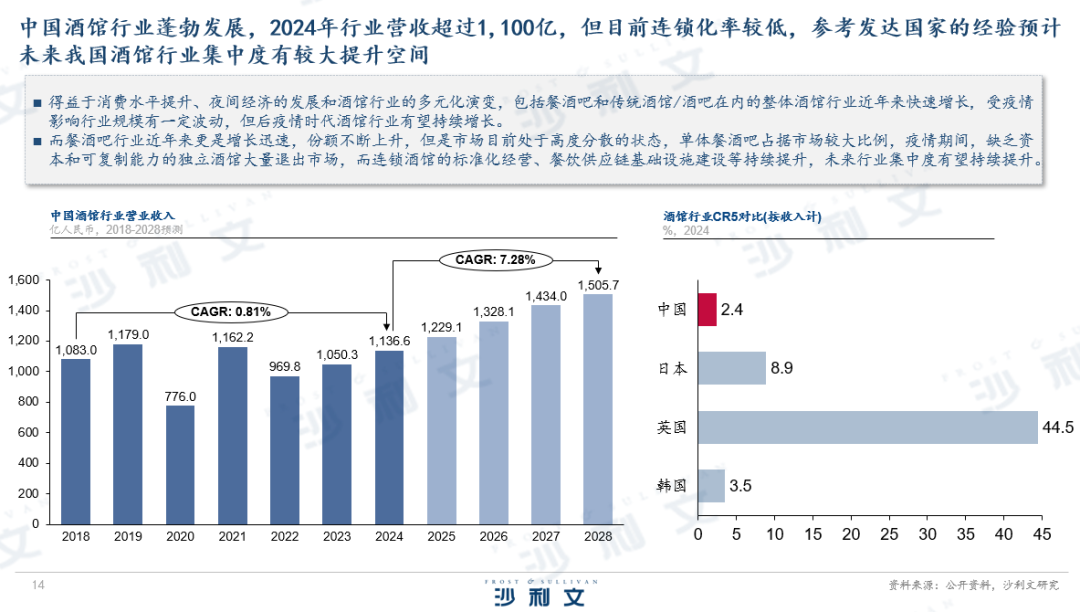
Finally, Zhang Jian stated that the integration of dining and drinking is becoming a new trend in the restaurant industry. By extending operating hours to 16-18 hours to cover all consumption scenarios, it not only meets the diverse needs of young people for dining and then moving on to drinking, but also optimizes operational costs by improving floor efficiency, becoming an important direction for restaurant transformation and upgrading. The restaurant industry will exhibit the following four main development trends:
I. In the face of intensified industry competition and rising operating costs, restaurant businesses are accelerating their transformation into integrated formats. By extending operating hours, enriching consumption scenarios, and expanding delivery services, these innovative models effectively distribute fixed cost pressures while improving floor efficiency, achieving continuous optimization of operational benefits. Against the backdrop of consumer upgrading and the booming development of the nightlife economy, the dining bar format has risen rapidly. With a 16-18 hour all-day operating model, it precisely covers the diverse consumption needs of young customers, successfully connecting the complete consumption chain from daytime dining to night markets;
II. As a strong scenario for dining consumption, the meal bar is distinctly different from other hotel regular dining experiences. For the younger consumer group, products mainly consist of casual dining and comfortable-tasting alcoholic beverages to meet consumer needs, while also being integrated into consumption scenarios that match these needs, including small gatherings with friends, stress-relieving drinks, leisurely relaxation, etc. Meal bar consumption emphasizes conveying product and brand values to consumers within the context of the scene, not only achieving precise reach but also enhancing the brand stickiness of the meal bar through the establishment of emotional resonance;
III. Restaurants and bars primarily operate under the 'drinking + dining model', typically focusing on alcoholic beverages and food. They attract many young consumers with personalized decor, all-day operation, and a variety of products. Compared to traditional taverns, restaurants and bars have medium pricing, offer a wide range of menu options, a relaxed environment, and possess social and stress-relieving attributes, making them suitable for activities such as friends' gatherings. At the same time, restaurants and bars are also marketing themselves through developing high-tech ordering systems, continuously launching their own brands, utilizing new media, cross-border collaborations, and other methods to create unique gathering spaces that are deeply loved by young people.
IV. The restaurant industry is accelerating its digital upgrade. Through the deep application of intelligent business systems and local life platforms, operational efficiency has been comprehensively improved, and the industry has entered a new stage of refined operation. Local life platforms such as Meituan have opened up SaaS and big data platforms, promoting the onlineization and digitization of catering operations. They provide data solutions such as food delivery order scheduling, online reservation management, and intelligent restaurant management systems, helping catering chains enhance store operations and backend efficiency, and providing intelligent decision support for various chain restaurants. The development of the internet has established new connections between restaurant operators and consumers. Consumers can more conveniently place food orders and share reviews through online social media; in addition, the rapid development of online social media has also brought about a fan economy for restaurants, as they have accumulated a wide range of fans on online social media.