What is the current market outlook for online luxury retail in Asia? What are the main development trends of China's luxury industry after the COVID-19 pandemic? What is the recent outlook for second-hand luxury e-commerce?Recently, Cai Jinfeng, Executive Director of Frost & Sullivan Greater China, was interviewed by South China Morning Post to discuss the future development prospects of the luxury market and second-hand luxury e-commerce.
South China Morning Post
Q: What is the current market outlook for online luxury retail in Asia?
Cai Jinfeng:Online luxury retail in Asia has always had higher growth potential compared to markets in Europe and America. In addition to benefiting from the relatively stable luxury consumption demand in the Japanese market, the main source of growth in the Asian market is the Chinese market. Among them, online luxury retail sales in the Chinese market also increased significantly in 2020.
The reasons for this change are mainly driven by the following aspects. First, it is due to the upgrade in consumer demand for luxury goods brought about by the consumption upgrading in the Chinese market; second, because overseas channels have become difficult to purchase luxury goods due to the impact of the pandemic, this part of consumption has also shifted to domestic channels for luxury goods consumption; third, due to pandemic control restrictions, many offline stores cannot operate, prompting them to open online channels and transfer some non-online consumption needs to online; fourth, the consumer group is getting younger, and the rise of these highly internet-dependent consumers has also promoted an increase in online luxury consumption.
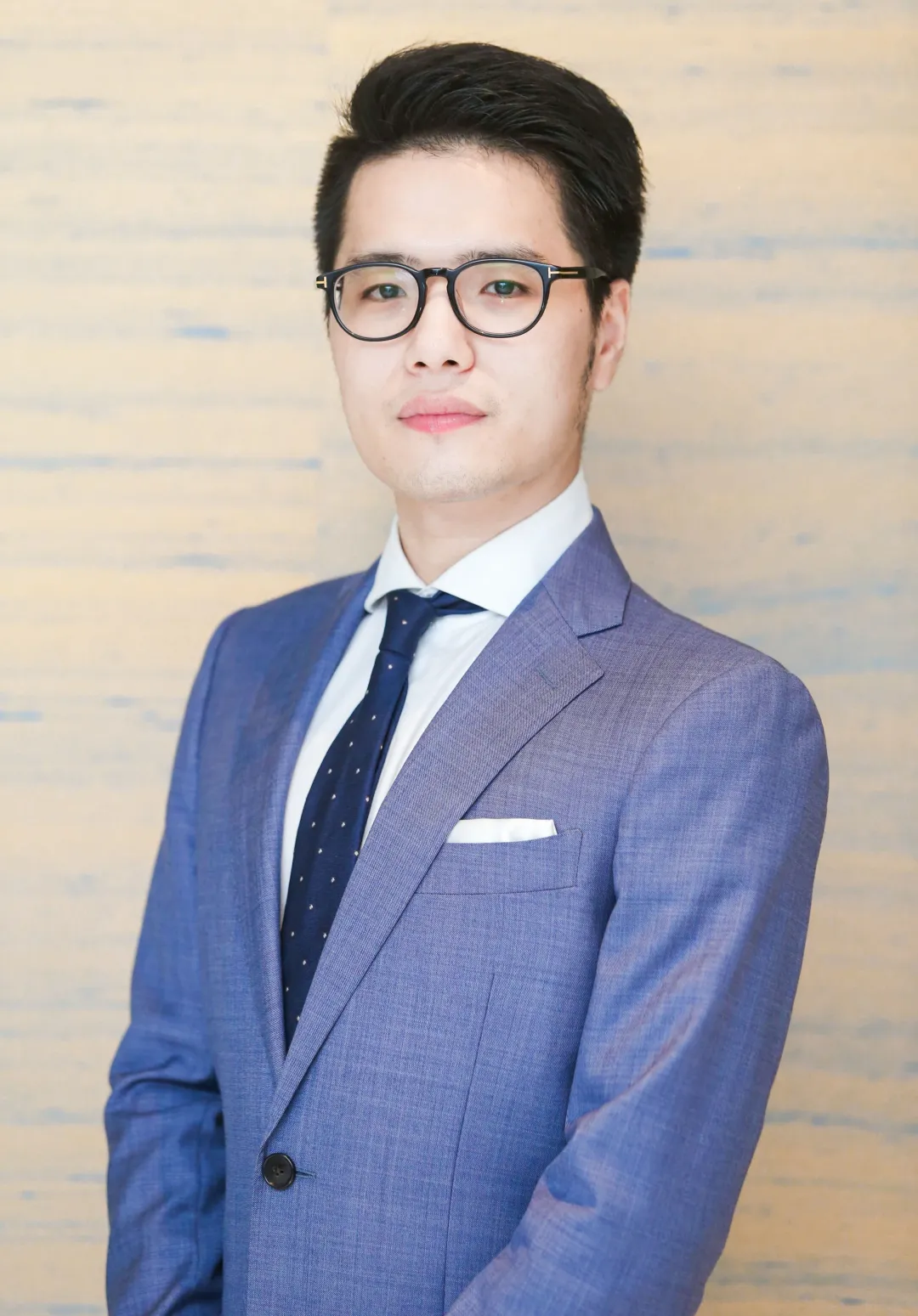
Cai Jinfeng
Executive Director of Frost & Sullivan Greater China
Q: What are the main development trends of China's luxury industry after the COVID-19 pandemic?
Cai Jinfeng:
a) The trend of omnichannel integration is obvious
Before the COVID-19 pandemic, Chinese consumers focused on offline consumption and overseas channels for purchasing luxury goods. At the same time, luxury brands also hoped to emphasize brand uniqueness and convey brand images through offline experiences. With the outbreak of the pandemic, due to pandemic control restrictions, many consumers were unable to make offline purchases, and overseas purchase channels were also restricted. This accelerated luxury brands to develop more online purchase channels and improve online shopping experiences, providing customers with a high-quality customer experience through omnichannel integration.
b) The consumer population is accelerating its youthfulness
With the deepening process of urbanization in China and the increase in per capita disposable income, China has also entered an era of consumption upgrading. The young group growing during this period, due to their rich economic foundation from childhood, shows a stronger willingness to consume luxury goods. Before the pandemic, young people mostly relied on online purchase channels, but there were fewer online layouts for luxury goods, so the overall penetration rate of luxury goods was relatively low. After the pandemic, the development of online luxury channels has attracted many young consumers, and the overall penetration rate of luxury goods has increased significantly.
c) Digital customer experience
Before the COVID-19 pandemic, luxury brands had relatively single contact customer channels, and the differences among customers were not very obvious. After the pandemic, with the completion of omnichannel layout, the number of consumers that can be reached and the differences have also been greatly improved, and the data that can be obtained is increasing. Luxury brands will also need to strengthen their digital capabilities, transform the customer experience journey into consumer insights, and while meeting the differentiated needs of consumers, they can also keep abreast of changing market trends and improve internal operational efficiency.
Q: What is the recent outlook for second-hand luxury e-commerce?
Cai Jinfeng:With the increase in luxury consumption, the scale of existing luxury goods is also constantly expanding. On the one hand, overall consumer consumption has become increasingly rational, emphasizing cost-effectiveness, and the second-hand luxury market will be accepted by more consumers. On the other hand, in terms of asset preservation, the stable high value of luxury goods provides a value-added space for second-hand goods, which will also prompt more consumers to buy second-hand luxury goods for investment. Market demand will gradually grow, but how market participants on the supply side identify the authenticity of goods and ensure the circulation of genuine second-hand luxury goods are urgent issues to be solved before seizing new market growth opportunities in the future.