On May 10th, the National Development and Reform Commission issued the '14th Five-Year Plan for the Development of the Bioeconomy', which is China's first five-year plan for the bioeconomy and also the first top-level design in the field of bioeconomy. The 'Plan' identifies four key development areas of the bioeconomy: biomedicine, bio-agriculture, biomass alternative applications, national biosafety risk prevention and control, and the construction of governance systems.
What is the background for the introduction of this policy? Why was it introduced at this juncture? How should we understand the concept of bioeconomy? What is the current status of bioeconomy in China? Which sectors will benefit from this policy? Mr. Mao Hua, Partner and Managing Director of Frost & Sullivan's Greater China region, was interviewed by 21st Century Business Herald to discuss the development status of the bioeconomy sector in China and the impact that the 'Plan' will have on the sector after its implementation.
21st Century Economic Report
"The bioeconomy has always been well-known in the industry and is not a newly emerging concept. The development of some core technologies and related technology applications are gradually forming industrial scale, such as agricultural breeding and super rice. The release of this 'Plan' is an even more proactive approach to facing up to the bioeconomy, but it is also because related industries are still in their initial stages and require further national planning to form an industrial discussion circle." Recently, Dr. Tian Shilin, Chief Scientist at Novogene, analyzed for reporters from 21st Century Business Herald.
The aforementioned plan mentioned is the '14th Five-Year Plan for the Development of the Bioeconomy' (hereinafter referred to as the 'Plan'), which was recently released by the National Development and Reform Commission. This is China's first five-year bioeconomic plan and the first top-level design in the field of bioeconomy. At present, China has achieved great success in the development of the bioeconomy, with the industrial scale continuing to grow rapidly. A complete and functional industrial system has taken initial shape, and a number of bio-industrial clusters have become new engines leading regional development. Important original breakthroughs have been made in basic research in the biofield, and innovation capabilities have been significantly enhanced.
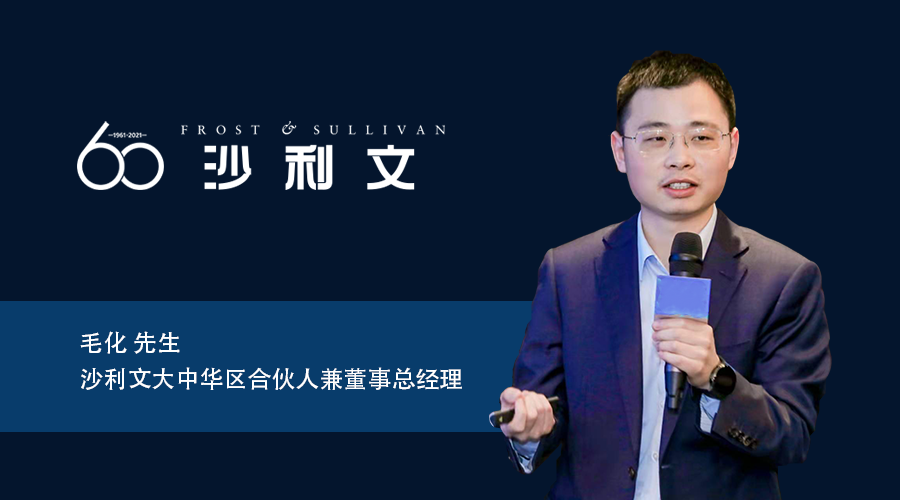
Mao Hua, Partner and Managing Director of Frost & Sullivan Greater China, explained to the 21st Century Economic Report that the bioeconomy refers to the sum total of all economic activities that produce food, energy, biotechnology products, and services through sustainable methods using renewable natural resources. However, there is still a gap in the top-level design and coordinated planning for the development of the bioeconomy. China's bioeconomy faces many challenges, including weak original innovation capabilities, key core technologies being controlled by others, the ongoing evolution of the global pandemic leading to the superposition of traditional biosecurity issues with new ones, relatively weak original capabilities in the biotechnology industry, and an incomplete system for the protection, development, and utilization of biological resources.
Wang Xiang, Deputy Director of the High-Tech Department of the National Development and Reform Commission, also pointed out that China's innovative development in bioeconomy still faces many challenges. For example, original innovation capabilities are still relatively weak, with insufficient accumulation of basic life science theories, underlying key common technologies, high-end instruments and reagents, and bioinformatics resources.
The 'Plan' has identified four key development areas for the bioeconomy, namely biomedicine, bio-agriculture, biomass alternative applications, national biosafety risk prevention and control, and the construction of governance systems. It also proposes to strengthen original and leading basic research, emphasize accelerating technological innovation and industrial application, build a national strategic scientific and technological force, improve the mechanism for tackling scientific research challenges, accelerate breakthroughs in development bottlenecks, achieve self-reliance and self-improvement in science and technology, and enhance the security and stability level of the industrial chain and supply chain.
The underlying technology is mature and the industry has achieved scale.
In recent years, major countries have increased their support for fields such as life sciences and biomedicine, continuously investing more in areas including genomics, brain and cognitive science, synthetic biology, precision medicine, biomedicine, high-end medical devices, bio-breeding, biomass energy, and biosafety. Especially affected by the COVID-19 pandemic, many national governments and major biopharmaceutical companies, including China, have increased investment in biosafety, vaccine, and drug research and development, objectively driving the bios economy into an accelerated development phase.
In response, Mao Hua pointed out that the bioeconomy will form the next economic growth point in areas such as human health, green agriculture, bioenergy, and biosecurity. The 'Plan' also focuses on selecting four major fields: biomedicine, bio-agriculture, biomass substitution applications, national biosecurity risk prevention and control, and the construction of governance systems.
Tian Shilin pointed out to the 21st Century Economic Report reporter that the bioeconomy has formed a certain scale of industries in all the above major fields, and each industry has also developed a variety of mature core products to meet market demand, such as basic scientific research services, vaccine development, new drug research and development, tumor detection, molecular breeding, etc. For example, in the field of agricultural breeding, gene sequencing technology has catalyzed numerous molecular breeding products, completed the mapping of large numbers of economic crop genomes, discovered a large number of genetic molecular markers, and provided extensive resources for precise agricultural molecular breeding.
"Economy involves industries, the large-scale or directional application of certain technologies. For example, based on the discovery of the DNA double helix structure in 1953 and the decoding of the human genome in 2000, with the rapid development of modern biotechnology such as genetic engineering, biotechnology has deeply integrated with information technology, agricultural technology, etc. High-throughput sequencing technology, which has developed rapidly over the past 20 years, has broken through the Moore's Law curve in terms of cost, throughput, and industrial scale. Many talents and resources have been invested in this field, accelerating its formation and creating an economic scale. The development of technology has also brought about a rapid development period for the bioeconomy." Tian Shilin pointed out that the development of technology has gradually formed sub-sectors within industries and led to scaled development. For instance, in the field of gene sequencing, the technology service market serving basic life science research has already formed economies of scale.
Jiang Jiang, a researcher at the China Academy of Macroeconomic Research, also gave an example. Ten years ago, the vast majority of pregnant women and patients were still skeptical about the effectiveness of genetic testing for fetal conditions and early detection of cancer; today, millions of consumers are willing to pay for it. Five years ago, people were confused about the utility of nucleic acid testing; today, nucleic acid testing has become the 'gold standard' for diagnosing COVID-19 infection. In addition, more and more non-renewable petrochemical-based products are being replaced by renewable bio-based ones, biomass energy has become an important part of renewable energy, and crops modified using modern biotechnology have seen significant improvements in both yield and quality.
The application of biomass substitution technology has also led to rapid development in related industries. Zhao Yan, Chairman and General Manager of Huaxi Biotechnology, cited hyaluronic acid as an example. Previously, 200 kilograms could produce only 1 kilogram of hyaluronic acid from a rooster's comb. At that time, hyaluronic acid was more than 15 times more expensive than gold; one gram of hyaluronic acid cost $100, while one gram of gold only cost $6. However, now through cell factory production, synthetic biology is not used, and the cost is less than 1% of the original chicken comb extraction method, and this efficiency is not as high as that of synthetic biology. This has also led to a rapid increase in hyaluronic acid production capacity and the continuous expansion of the industry's scale.
It is worth noting that biosecurity is also highlighted in the 'Plan'. 'In line with the new trend of shifting from passive defense to active assurance, we will strengthen the construction of national biosecurity risk prevention and control systems and governance frameworks to meet the people's new expectations for better biosecurity.' In this regard, Tian Shilin pointed out that within the four major areas of biomedicine, bio-agriculture, biomass substitution applications, national biosecurity risk prevention and control systems, and governance frameworks, the construction of these systems is actually aimed at providing assurance for the first three areas.
Strengthen basic research and accelerate transformation
Although China's bioeconomy has developed rapidly in recent years, there are still issues such as weak original innovation capabilities and key core technologies being controlled by others.
Wang Xiang also believes that China's innovative development of the bioeconomy still faces many challenges. For example, original innovation capabilities are still relatively weak, with insufficient accumulation in basic life science theories, underlying key common technologies, high-end instruments and reagents, bioinformatics resources, etc. The technology innovation system, which is enterprise-oriented, market-driven, and deeply integrated with industry, academia, and research, is still not perfect. There are also relatively few internationally competitive enterprises, and adverse factors such as the impact of the pandemic on international openness and cooperation exist.
Wang Xuegong, Vice President of the China Pharmaceutical Enterprise Management Association, also pointed out that there are some problems in the field of biopharmaceutical innovation in China. For example, products mainly follow in innovation, R&D is highly homogeneous, and there are gaps between some cutting-edge technologies and international advanced levels. Basic research in life sciences and biotechnology is the driving force behind pharmaceutical innovation. Basic research findings give rise to breakthroughs in new drug discovery. It is crucial for China's biopharmaceutical innovation to focus on the future and be global-oriented, strengthen basic research, and enhance original innovation capabilities.
In this regard, the 'Plan' also proposes to strengthen original and leading basic research. For instance, it aims to target cutting-edge fields such as clinical medicine and health management, new drug development, brain science, synthetic biology, biotechnology breeding, prevention and control of emerging infectious diseases, and biosafety, by implementing major national scientific and technological projects and key research and development programs. It accelerates the creation of a national strategic scientific and technological force in the biological field, actively gathers large teams, resources, projects, and achieves significant breakthroughs.
Jiang Jiang believes that it is necessary to align with the world's cutting-edge scientific and technological advancements in the field of life sciences, increase investment in basic and applied research in life sciences, and continuously promote collaborative R&D among industry, academia, research institutions, and healthcare. Focusing on directions related to the world's scientific and technological frontiers in life sciences, support a number of major scientific and technological infrastructure and innovation platforms. Innovate in the methods of capital investment and operational management models. During the operation of facilities and platforms, introduce various methods and channels for hospitals, enterprises, third-party testing institutions, etc., to participate in testing and feedback. Closely connect with the urgent requirements of implementing the Healthy China strategy, especially addressing the 'bottleneck' issues that constrain the application and promotion of biotechnology, and accelerate the deployment and promotion of a new batch of biotechnological breakthroughs.
Xu Ruiming, Director of the Institute of Biophysics at the Chinese Academy of Sciences, pointed out to the 21st Century Economic Report that the development plans of the state, the academy, and the institute all clearly require a deep integration of basic research with national needs. Only by fully supporting the deep integration of industry, academia, research, and application can we fight a tough battle for key core technologies and improve the overall efficiency of the innovation chain. The Chinese Academy of Sciences has many research achievements and basic research, and in the future, it also hopes to better transform these into industry applications.
Jiang Jiang believes that, similar to information technology, the economic attributes of biotechnology are innate, which means that providing biotechnology products and services will be profitable. To return to the economic attributes of biotechnology, it is necessary to start from multiple aspects to ensure that biotechnology enterprises engaged in research and development, production, and service can obtain reasonable economic returns. Whether biotechnology enterprises can accurately grasp market demand, especially in the ultra-large domestic market, is key for innovative enterprises in the bioeconomy field to achieve profitability and sustainable development, as well as for China's biotechnology enterprises to cope with the international scientific and technological innovation environment.
In Tian Shilin's view, the 'Plan' plays a guiding role in the development of the bio-economy. Enterprises gradually form markets through technological advancements, while government documents play a leading and regulatory role in the development of enterprises and markets. At the same time, the introduction of the 'Plan' has also made more people face up to the bio-economy, leading to layered discussions and an atmosphere of horizontal and vertical technological penetration and academic exchange within industries. This is also beneficial for the development of biotechnology companies and is a great boon for technology service companies including Novogene.
RinoGen's scientific research services and products can assist researchers in scientific exploration, providing 'tools' for more scientific research, including basic species genome research, animal and plant development and stress studies, crop and livestock breeding, single-cell omics research, biomarker omics research, and population cohort studies.
Frost & Sullivan Insight & Extended Readings
Q: What is the background for the release of the '14th Five-Year Plan for the Development of the Bioeconomy'? Why was this plan released at this time?
A:During the "14th Five-Year Plan" period, efforts will be made to elevate the total scale of the bioeconomy to a new level, with a significant increase in the number of enterprises with annual operating revenues exceeding 10 billion yuan. Previously, China's "14th Five-Year Plan" and the outline of long-term goals for 2035 also proposed to promote integrated innovation of biotechnology and information technology, accelerate the development of industries such as biomedicine, biological breeding, biomaterials, and bioenergy, and strengthen and expand the bioeconomy. Basic frontier research in life sciences continues to be active, and the wave of biotechnological revolution sweeps across the globe and accelerates its integration into economic and social development, providing new solutions to major challenges such as human life and health, climate change, resource and energy security, and food security. To systematically plan and promote the high-quality development of China's bioeconomy, the National Development and Reform Commission issued the "14th Five-Year Plan for Bioeconomic Development," which is also the first top-level design in the field of China's bioeconomy.
Q: How do you understand the concept of bioeconomy?
A:The bioeconomy refers to the sum total of all economic activities that produce food, energy, biotechnology products, and services through sustainable methods, utilizing renewable natural resources. It encompasses a wide range of fields such as biomedicine, bioagriculture, bio-manufacturing, and bioenvironmental protection. It is a strategic emerging industry with innovative vitality, broad coverage, and profound impact.
The bioeconomy is an economic form characterized by the development and progress of life sciences and biotechnology, based on the protection and utilization of biological resources, and extensively integrating industries such as medicine, health, agriculture, forestry, energy, and environmental protection.
The 'Plan' proposes five principles for the development of the bioeconomy: First, adhere to innovation-driven development; second, promote in a systematic manner; third, pursue win-win cooperation; fourth, benefit the people; and fifth, ensure controllable risks.
Q: What is the current status of the bioeconomy in our country?
A:China has identified scientific and technological innovation and industrial development in related fields of the bioeconomy as strategic priorities, driving significant progress in the bioeconomy. The scale of the bioeconomy's development continues to expand, and the bioindustry system is becoming increasingly complete, forming a complete industrial chain from research and development, manufacturing to application. China has become the world's largest exporter of bulk drugs, the second-largest consumer market for pharmaceuticals and medical devices, and an important exporter of pharmaceutical R&D services.
As one of the countries with the richest biological resources in the world, China has a complete range and system of biotechnology industries, which provides favorable conditions for accelerating the development of the bioeconomy. However, there is still a gap in top-level design and coordinated planning for the development of the bioeconomy. China's bioeconomy faces many challenges, including weak original innovation capabilities, key core technologies being controlled by others, ongoing global pandemics that continue to evolve and lead to the overlapping of traditional and new biosecurity issues, relatively weak original capabilities in the biotechnology industry, an incomplete system for the protection, development, and utilization of biological resources, and a lack of top-level design and coordinated coordination for the development of the bioeconomy.
Q: In which areas will this policy be beneficial for development? What impacts will it have on related industries and enterprises?
A: Areas of positive impact:The Plan clearly identifies meeting the people's new needs for 'medical care', 'food', 'quality of life', and 'security' as key areas for the future development of the bioeconomy. On the other hand, the Plan also specifies accelerating the widespread application of biotechnology to empower industries such as health, agriculture, energy, and environmental protection, promoting the deep integration of biotechnology with information technology, and comprehensively enhancing the diversification level of the bioindustry.
The bioeconomy covered extensively in the Plan includes four key development areas: First, to adapt to the new trend of shifting from 'treating diseases' to 'centering on health', developing biomedicine for people's life and health; second, to conform to the new trend of shifting from 'solving food and clothing needs' to 'nutritional diversification', developing bio-agriculture for agricultural modernization; third, to follow the new trend of shifting from 'pursuing capacity and efficiency' to 'adhering to ecological priority', developing biomass substitution applications for green and low-carbon purposes; fourth, to adapt from 'passive defense' to 'active assurance', strengthening the construction of national biosecurity risk prevention and control systems. Among these, the pharmaceutical industry is crucial to people's life and health and is an important focus for the development of the bioeconomy. It has also played a significant role in the prevention and control of COVID-19 and has received widespread attention.
Impact on the development of related industries and enterprises:The Plan proposes to guide innovation resources towards the concentrated development of Beijing-Tianjin-Hebei region, Yangtze River Delta, and Guangdong-Hong Kong-Macao Greater Bay Area. It aims to cultivate a number of world-class leading enterprises in fields such as biomedicine, bio-agriculture, and bio-manufacturing; support the formation of large pharmaceutical companies with a high degree of internationalization and global layout; and further increase support for biotech companies listing on domestic capital markets.
Q: The 'Plan' has identified four key development areas for the bioeconomy, namely biomedicine, bio-agriculture, biomass alternative applications, and the construction of national biosafety risk prevention and control systems. Why are these areas chosen as priorities?
A:"The bioeconomy" has also been included in the "14th Five-Year Plan" and the "Outline of Long-Range Objectives through the Year 2035." It aims to promote integrated innovation between biotechnology and information technology, accelerate the development of industries such as biomedicine, biological breeding, biomaterials, and bioenergy, and strengthen and expand the bioeconomy. During the "14th Five-Year Plan" period, China's industrial development trend will show four "more prominent" aspects: more emphasis on technological innovation and self-reliance in science and technology, more focus on expanding domestic demand and consumption upgrading, more emphasis on carbon peak and carbon neutrality, and more emphasis on urban agglomerations. Diversified financial resources and social capital will further flow into green bio-industries, generating a trillion-level market prosperity and promoting the development and growth of a new generation of bio-economy. The bioeconomy will form the next economic growth point in areas such as human health, green agriculture, bioenergy, and biosafety. Therefore, priority is given to selecting four major fields: biomedicine, bio-agriculture, biomass substitution applications, national biosafety risk prevention and control, and the construction of governance systems.
*This article is reprinted from '21st Century Economic Report', with the reporter being Zhu Ping. The original article was titled 'The Scaling Up of Mature Technologies at the Bottom Layer: What Are the Shortcomings in China's Bioeconomy?'