In recent years, peptide and nucleic acid drugs have witnessed rapid development. Peptide drugs have advantages such as high activity, low dosage, and low toxicity; nucleic acid drugs have benefits such as rich targets, short R&D cycles, long-lasting efficacy, and high clinical development success rates. A large number of pharmaceutical companies have been deploying in the peptide and nucleic acid drug market in recent years; however, they still face challenges in terms of small molecular weight, short half-life, administration methods, stability, delivery technology, production, and more.
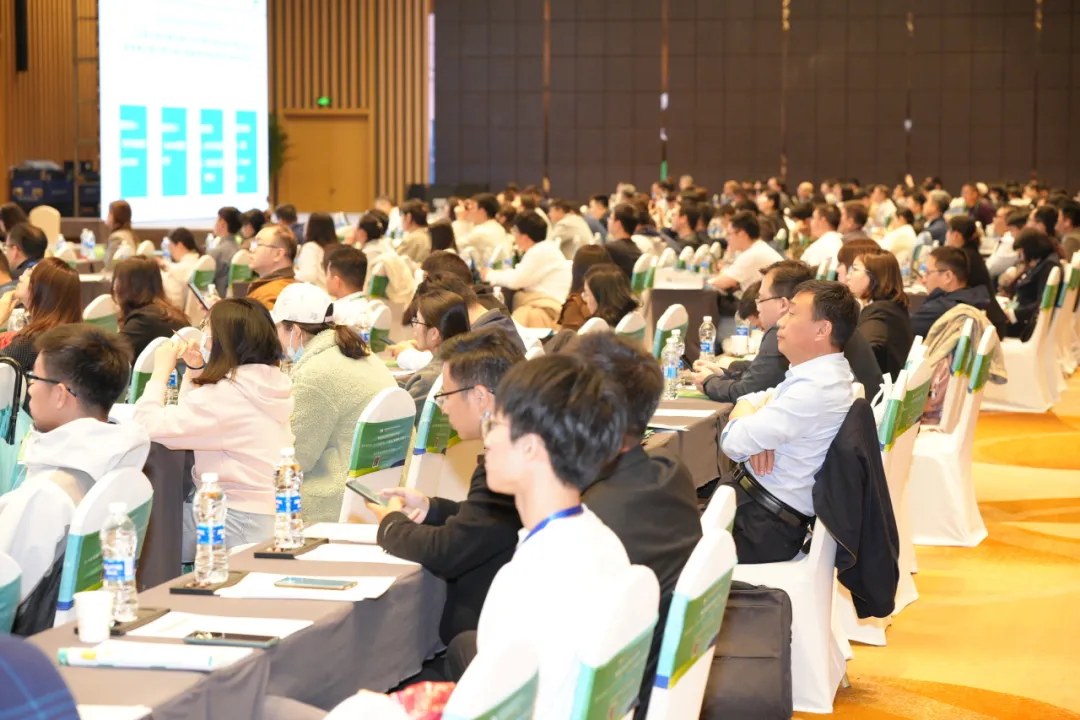
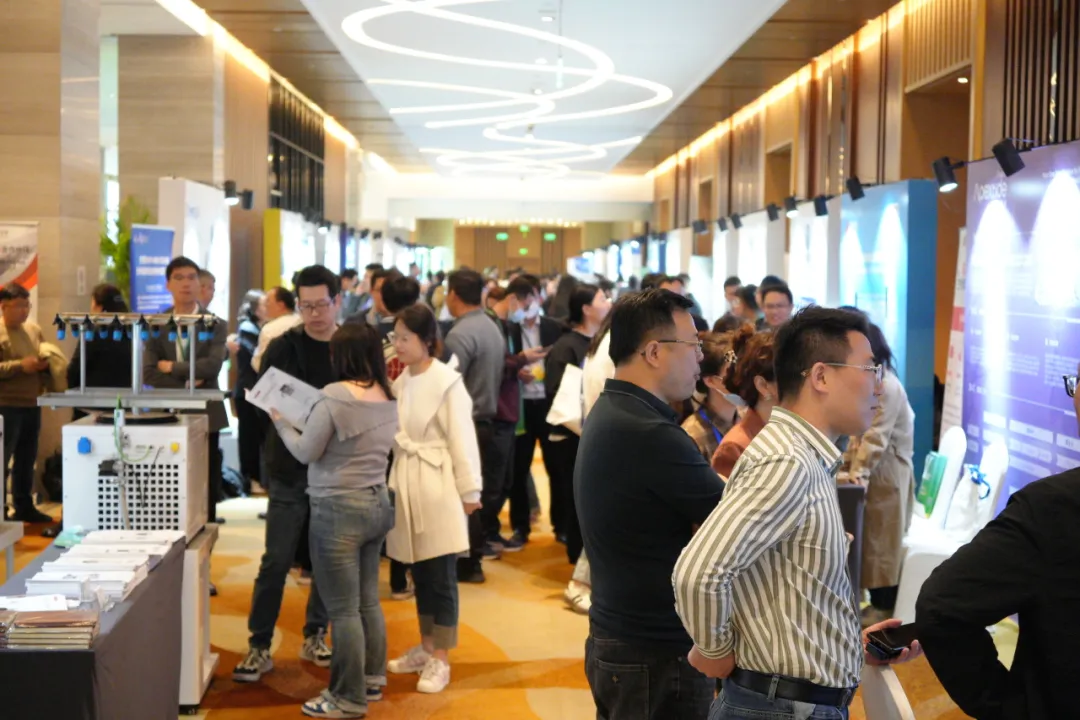
On April 12, 2024, the 3rd Frost & Sullivan Industry Development and Innovation Forum on Peptide and Nucleic Acid Drugs, hosted by E-P Pharmacy Garden and focusing deeply on peptide, PDC, and nucleic acid drugs, successfully opened by the lakeside of Gusu Lake. The conference, centered around the theme "New Core Technologies for Building New Peptides," gathered nearly 800 professionals and industry elites in the field of peptide and nucleic acid drugs in Suzhou.
Zhang Chenyang, Senior Consulting Manager of the Life Sciences Business Unit of Frost & Sullivan (Frost & Sullivan, abbreviated as "Frost & Sullivan") Greater China region, was invited to attend the forum and delivered a keynote speech on "Analysis of the Current Situation and Development Trends of the Global Peptide Drug Market."
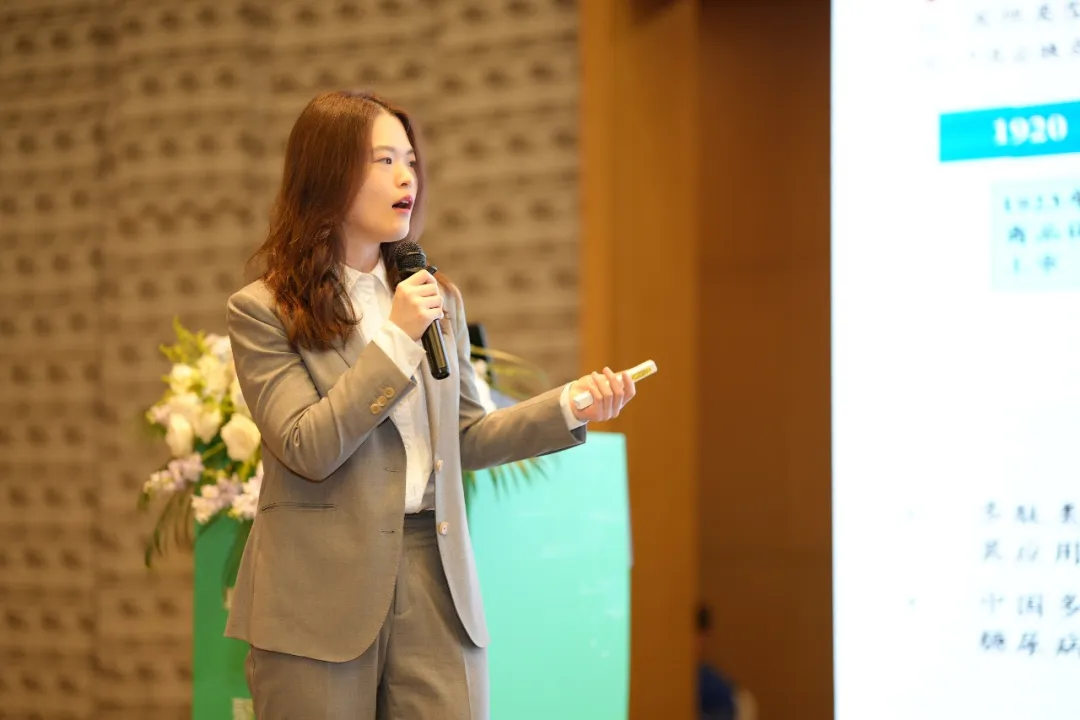
Zhang Chenyang, Senior Consulting Manager of the Life Sciences Business Unit of Frost & Sullivan Greater China region
Zhang Chenyang pointed out that peptide drugs were initially used in the field of diabetes treatment. However, with the development and innovation of new peptide drugs, their application areas have been continuously expanding. In recent years, they have gradually extended to the field of obesity, achieving an important transformation. Data shows that the global GLP1R peptide drug market has grown rapidly, with a rapid increase in sales as weight loss indications were approved, high consumer demand, reaching $254 billion in 2022, and it is expected to reach $908 billion by 2030. At the same time, the growth rate of the GLP1R peptide drug market has driven the rapid growth of the peptide drug market, reaching $754 billion in 2022. Under the continuous influence of GLP1R peptide drugs, it is expected that the overall peptide drug market will reach $2108 billion by 2030. Among them, the market scale of peptide drugs in China has also increased year by year with the global market scale, maintaining a proportion of about 15% in the global peptide drug market scale.
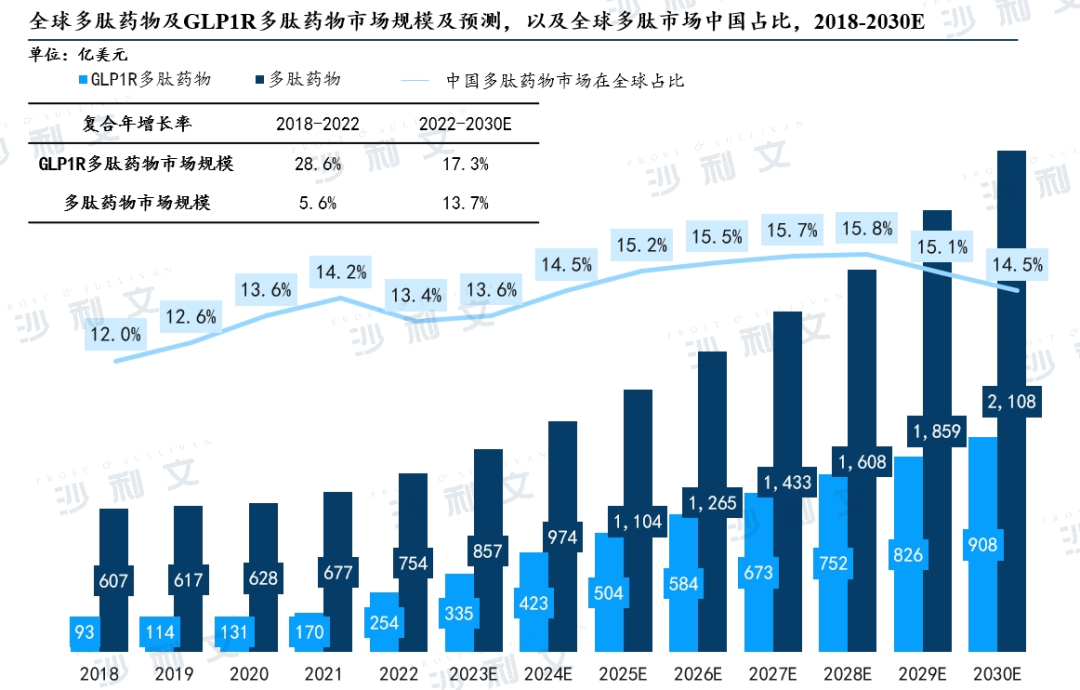
Source: Frost & Sullivan analysis
Zhang Chenyang said that the Chinese peptide drug market started relatively late. However, with the gradual improvement of China's peptide drug production industrial chain, the number of BE clinical trials for Chinese peptide drugs has risen rapidly, and many domestic generic drug manufacturers have encountered huge development opportunities.
“The aging trend in our country is becoming increasingly significant, accompanied by a significant increase in the demand for chronic disease treatment caused by population aging. At the same time, the acceptance of peptide drugs in clinical applications is constantly increasing, which has led to strong growth trends in both generic and innovative peptide drugs. In addition, a professional CRDMO model will also provide strong support for the vigorous development of China's peptide drug market. Looking ahead, the development potential of China's peptide drug market is huge and the prospects are broad.” Zhang Chenyang said.
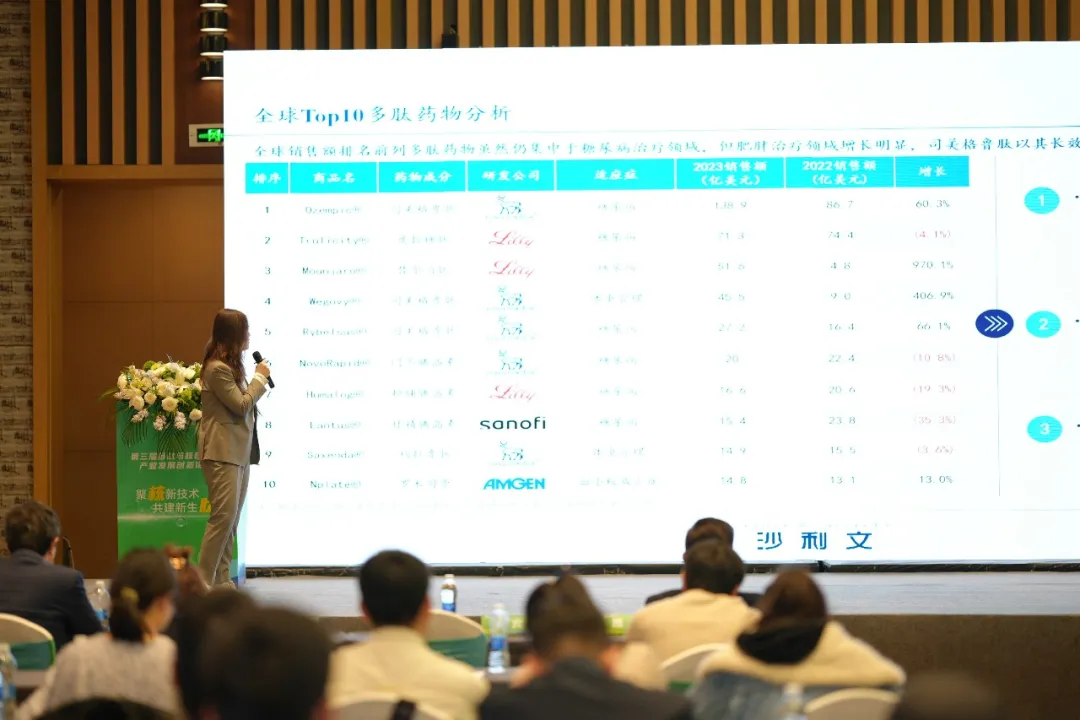
More highlights from the event
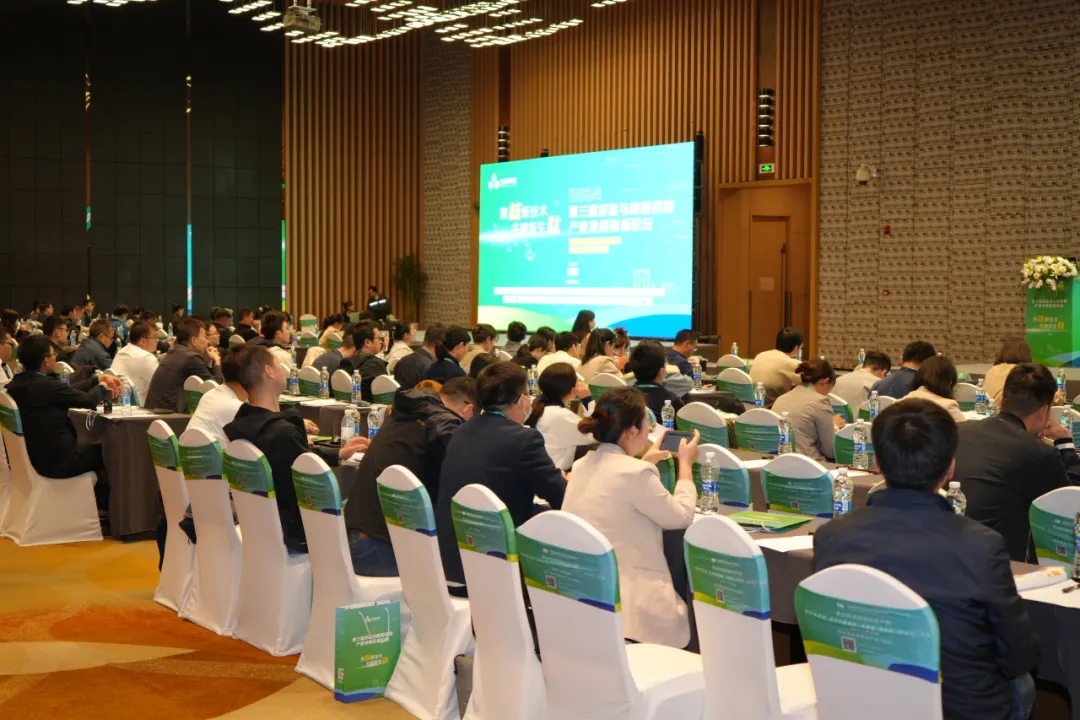

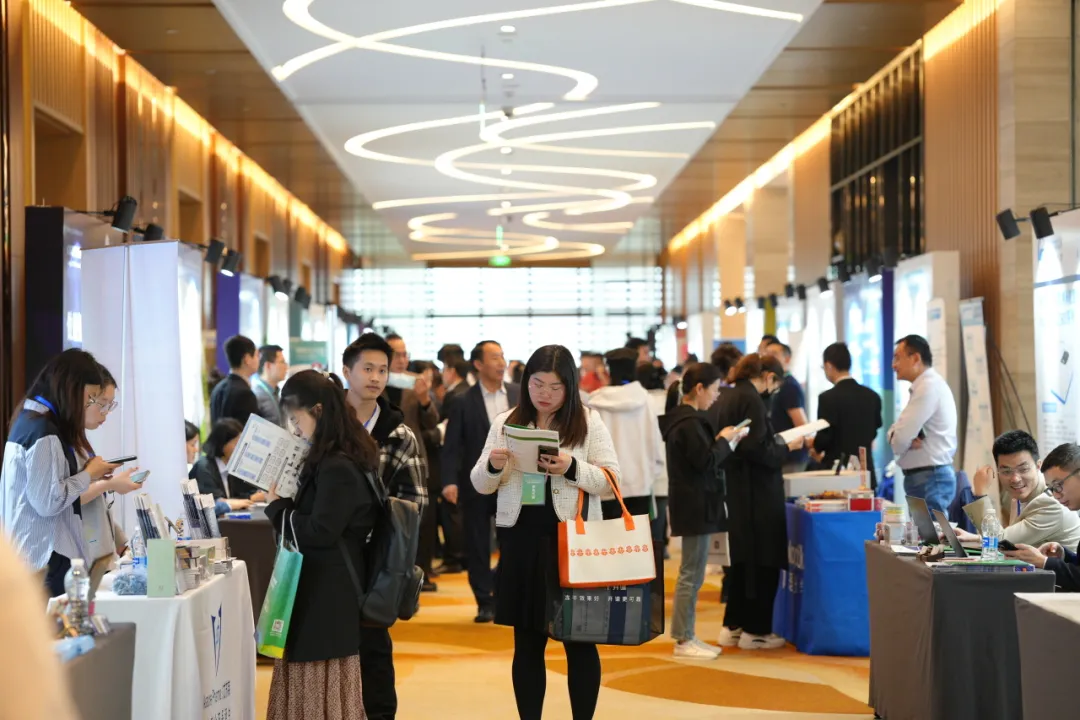
About the Life Sciences Business Unit of Frost & Sullivan
The Life Sciences Business Unit of Frost & Sullivan has professional analytical capabilities and rich project experience in the field of life sciences. Relying on Frost & Sullivan's global think tank resources and cross-industry business development platform in Greater China, the Life Sciences Business Unit of Frost & Sullivan has unique core advantages in life science industry investment and financing services. The Life Sciences Business Unit of Frost & Sullivan has a wide range of corporate clients in China and has established a vast customer network over the past 20 years, accumulating a large amount of project experience in various sub-sectors of life sciences.
Project types include knowledge center projects (in-depth content, promotional activities), Pre-IPO projects (DCF valuation, business plan services), IPO listing projects (industry consultants, clinical audits, fundraising writing), market research, market value management, and strategic consulting, etc., and cooperate with well-known domestic and international information platforms and investment and financing institutions to provide one-stop solutions for professional sub-sectors such as pharmaceuticals and medical devices for enterprises, attracting wide attention from investors.