From April 20th to April 21st, the Boao Forum for Asia International Health Industry Forum was held at the Beijing Economic-Technological Development Area. This forum is an event within the framework of the Boao Forum for Asia Global Health Forum and is organized by the Boao Forum for Asia and the Beijing Municipal People's Government, undertaken by the Organizing Committee of the Boao Forum for Asia Global Health Forum and the Management Committee of the Beijing Economic-Technological Development Area, and supported by relevant government departments of China as the host country, as well as international organizations and institutions such as the World Health Organization, Bill and Melinda Gates Foundation, and the Mérité Foundation of France.
As a strategic partner of the forum, Frost & Sullivan, together with the Organizing Committee of the Boao Forum for Asia Global Health, released 'Outlook 2030: A White Paper on the Development of China's Greater Health Industry' at the industry report launch event of the forum on April 21.Mr. Yang Xiaocheng, Partner and Managing Director of Frost & Sullivan Greater China, provided an in-depth interpretation of the report.
Mr. Yang Xiaocheng, Partner and Managing Director of Frost & Sullivan Greater China, and Professor Wang Yu, Expert Advisor to the Boao Forum for Global Health and a representative of the co-publishing party, participated in the report release ceremony.
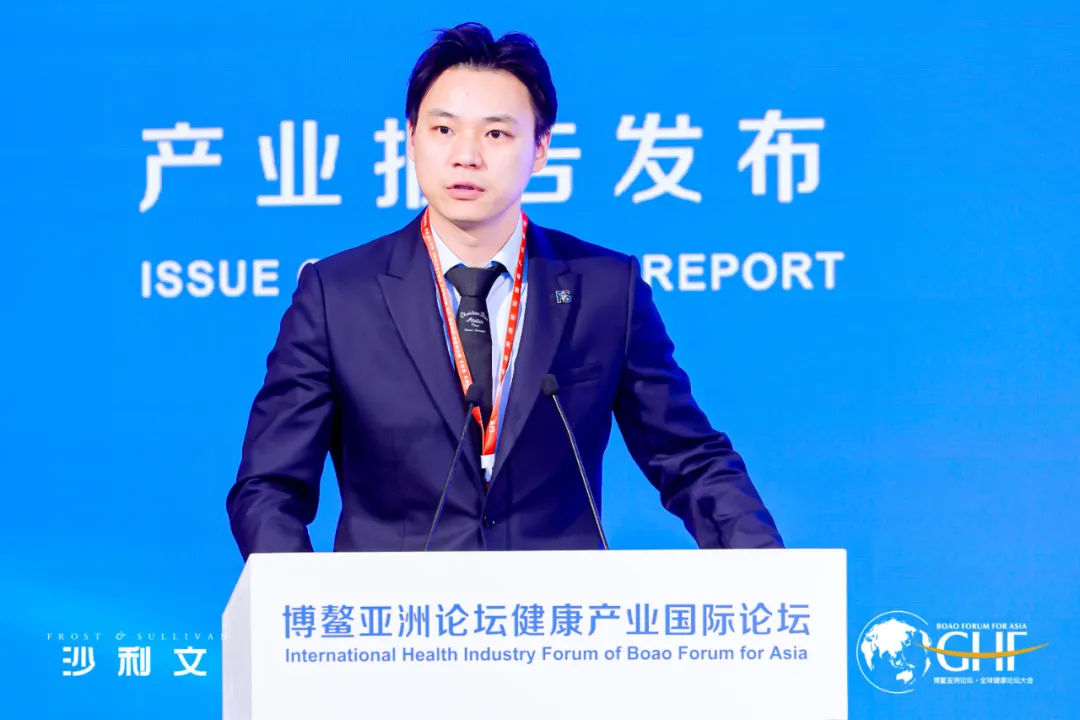
Yang Xiaocheng, Partner and Managing Director of Frost & Sullivan Greater China Region
Yang Xiaocheng stated that, against the backdrop of the current population structure, market environment, payment environment, etc., the Chinese government has made new top-level plans for the healthcare industry, clarifying the overall development roadmap for the industry over the next 5 to 15 years. With 2030 as the time node, some phased goals will be achieved. Based on this background, the speech will mainly revolve around three topics:1. The development background, current situation, and prospects of the synthetic biology industry with broad prospects. 2. Current developments related to rare diseases and tumor treatment in China. 3. The development background, current situation, and future prospects of the medical metaverse under the context of innovation-driven development and digital transformation.
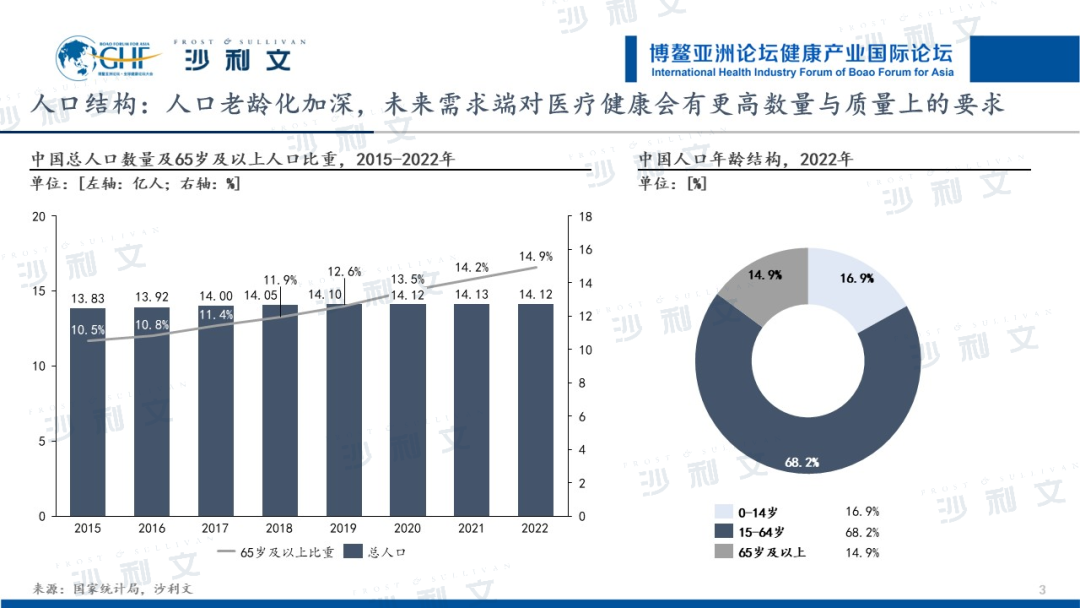
In terms of population structure, in 2022, the proportion of China's population aged 65 and above accounted for 14.9% of the total population, an increase of 4.4% compared to 2015. Against the backdrop of declining birth rates, continuous progress in medical technology and quality of life, China's average life expectancy will continue to rise, and population aging will intensify.Overall, the deepening of population aging means that in the future, the demand side will have higher demands for medical and health services in terms of quantity and quality.
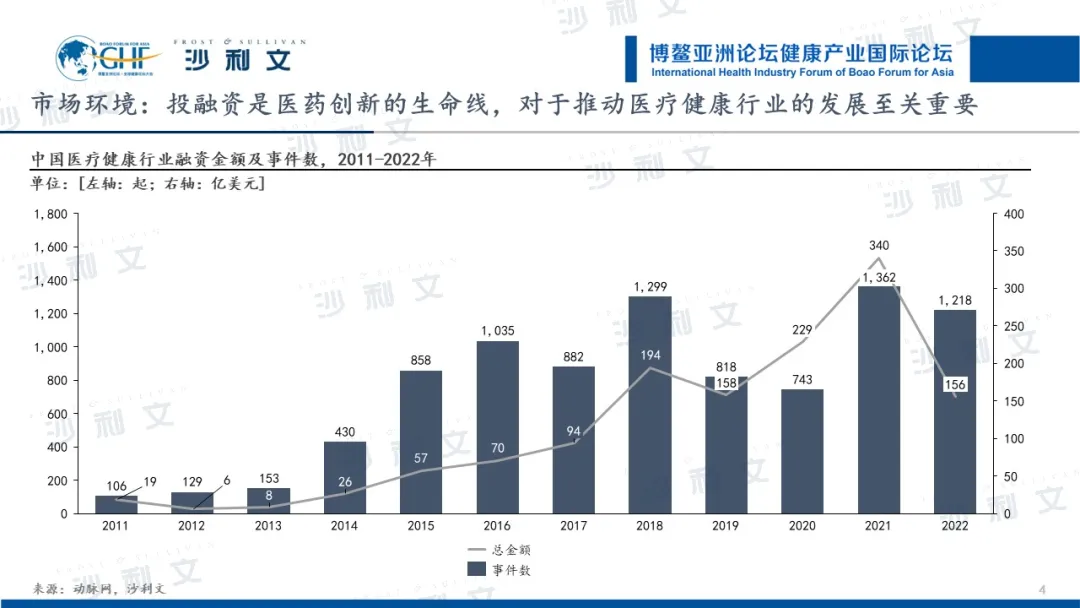
In terms of the market environment, Yang Xiaocheng pointed out that investment and financing are the lifeline of pharmaceutical innovation and are crucial for promoting the development of the healthcare industry.In 2022, due to geopolitical conflicts, the rise in US dollar interest rates, and the COVID-19 pandemic, there were a total of 1,218 financing events in China's healthcare industry investment and financing market, with a total financing amount of $15.6 billion, which was on average lower than that of 2021.Although the amount and number of incidents have decreased, it is beneficial for innovative companies to further penetrate into blue ocean markets where the pattern has not yet solidified.
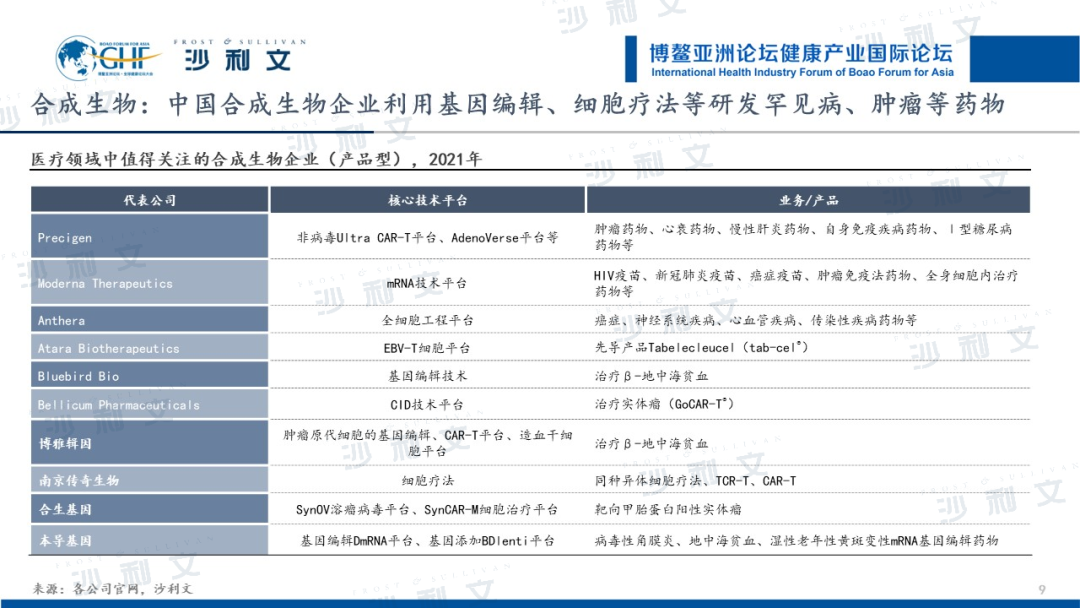
In terms of the payment environment, Yang Xiaocheng believes that medical insurance policies continue to promote pharmaceutical innovation, which is beneficial for truly innovative products.The average reduction in the payment standard for the seventh batch of negotiated drugs in 2022 was 48.0%. Preliminary estimates show that compared to the market price before negotiation, it has reduced the burden on patients by nearly 170 billion RMB, benefiting 100 million patients. From a policy perspective,At the demand side,The medical insurance fund will provide certain development space for innovative drugs that truly have clinical benefits and are still in the early stages of development, outside of centralized procurement.On the supply sideFor pipelines under development with significant homogenization and poor competitive landscape, more stringent policies are implemented to encourage practical and differentiated innovation.
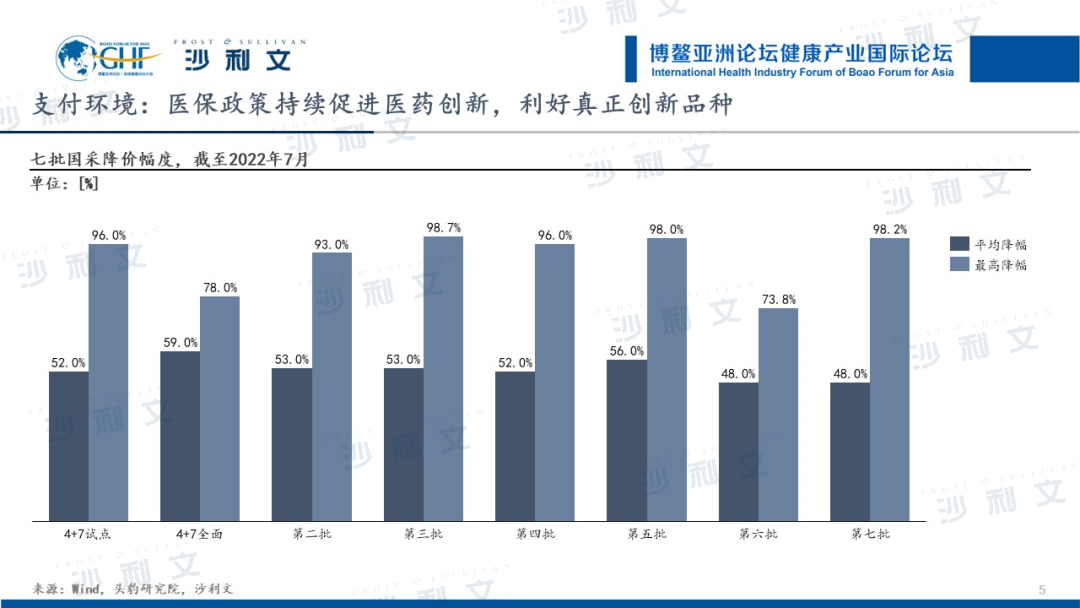
Next, Yang Xiaocheng conducted an in-depth analysis of the synthetic biology industry. First of all, he stated that China's synthetic biology industry is in a stage of rapid development, with the state continuously introducing policies to support industrial growth.Since the 13th Five-Year Plan, the country has listed synthetic biology as one of the disruptive technologies leading industrial transformation. Subsequently, the state has introduced a series of policies to support the development of synthetic biology, with the 14th Five-Year Plan particularly emphasizing the application of biotechnology. Against the backdrop of strong policy support, the synthetic biology industry has also embraced important development opportunities.
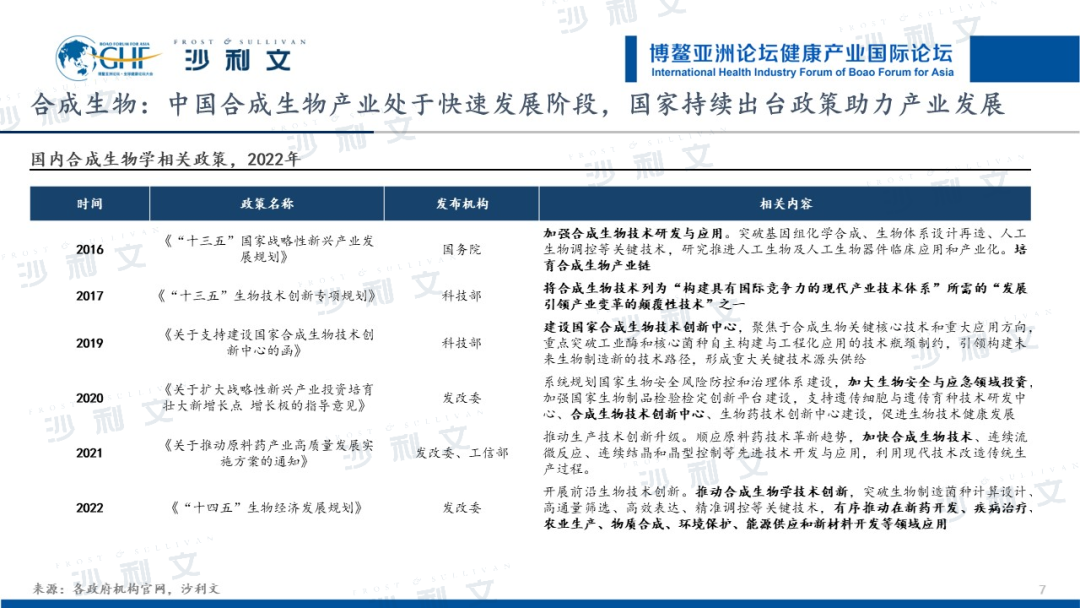
Secondly, synthetic biology is one of the tracks that capital particularly focuses on, with rapid growth in financing for synthetic biology in China.In 2021, there were 16 investment and financing events in synthetic biology in China, with an investment and financing amount of 2.3 billion RMB, a 10-fold increase and a 140 million RMB increase respectively compared to 2020. Among the 16 investment and financing events throughout 2021, each round of financing involved them earlier in the process, indicating that capital continues to pay close attention to the progress of domestic synthetic biology companies.From a comprehensive perspective of policies, investment and financing, technological development, etc., synthetic biology is in the industry's growth phase. With its broad application prospects in various fields, it is expected to drive the upgrading of production and manufacturing in the future, leading to a new round of industrial revolution.
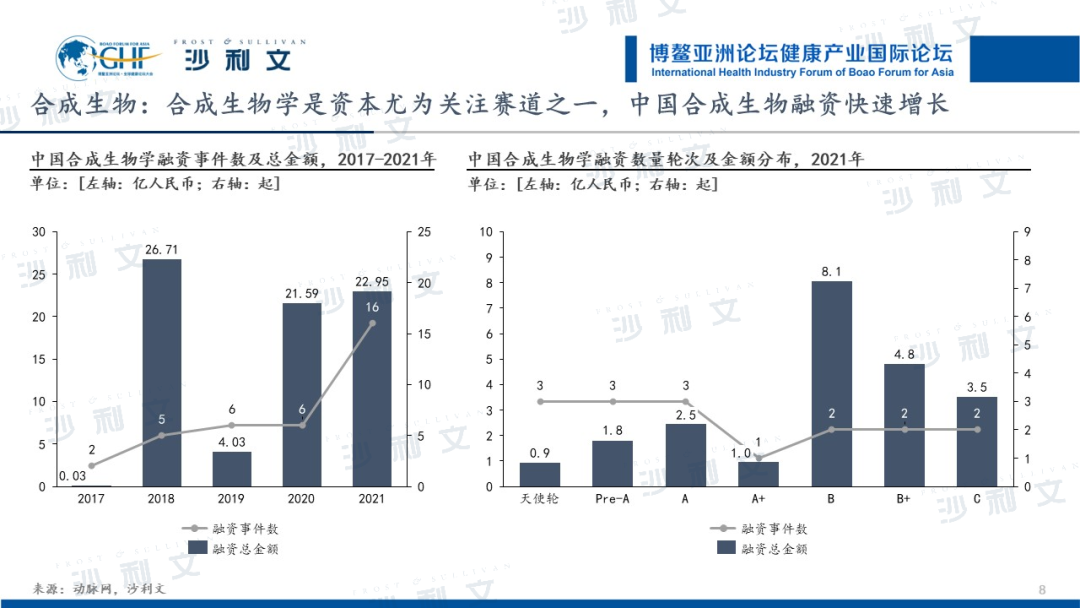
In addition, synthetic biology is widely applied in the field of healthcare. Chinese synthetic biology companies are using cutting-edge technologies such as gene editing and cell therapy to develop products related to rare diseases and solid tumors.Synthetic biology is widely applied in the field of healthcare, including cell immunotherapy, gene editing-related applications, pharmaceutical enzymes, and more. For example, using mRNA technology to rapidly synthesize vaccines artificially, treating genetic diseases with gene editing technology, and treating diseases by modifying microorganisms or synthesizing artificial bacteriophages.Looking at specific enterprises, Chinese synthetic biology companies are using gene editing technology and cell therapy to develop products related to rare diseases and solid tumors.
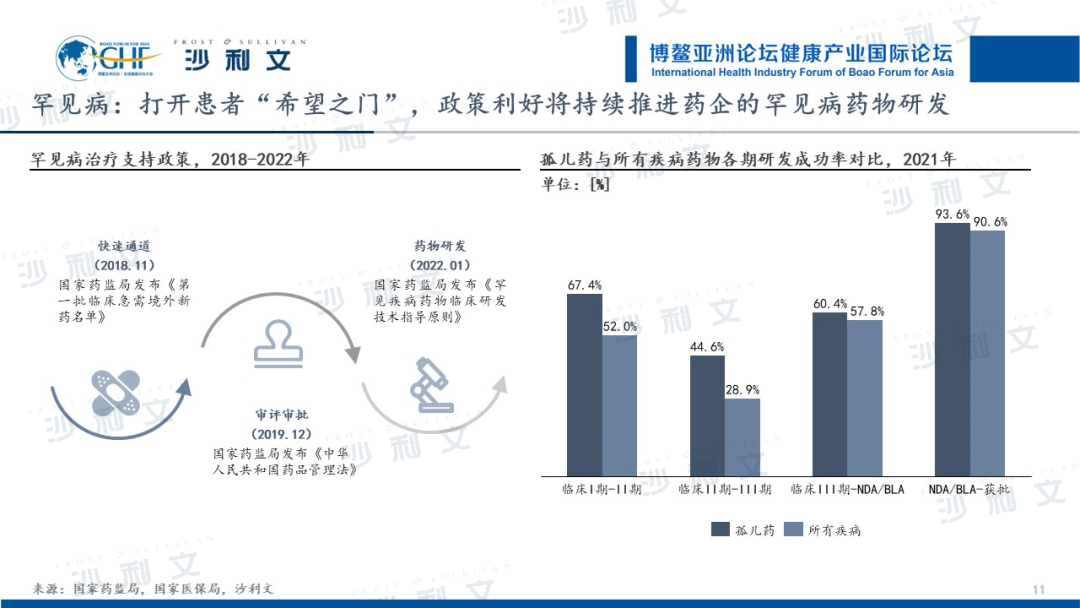
On the other hand, the development of the rare disease industry is also worthy of discussion and attention. Yang Xiaocheng pointed out that favorable policies will continue to encourage pharmaceutical companies to conduct research and development of rare disease drugs.In January 2022, the National Medical Products Administration issued the 'Technical Guidelines for Clinical Research and Development of Rare Disease Drugs', clearly stating that it is necessary to follow the general rules of drug research and development, while also closely integrating with the characteristics of rare diseases. On the basis of ensuring scientific rigor, more flexible designs should be adopted, making full use of limited patient data.The success rate of clinical research and development of rare disease drugs is higher than that of drugs for other diseasesFor example, the success rate of rare disease drugs from Phase I clinical trials to Phase II is 67.4%, while the success rate of all disease drug research and development is 52.0%.
Looking at the entire cycle from research and development to listingThe success rate from Phase I clinical trials to approval for rare disease drugs is 17.0%, while the success rate for all diseases in research and development is only 7.9%, which is half that of rare disease drugs.The higher R&D success rate of rare disease drugs will give pharmaceutical companies confidence in their research and development efforts. Moreover, against the backdrop of preferential policies for rare disease drug clinical trials, more pharmaceutical companies will engage in rare disease drug research and development in the future.
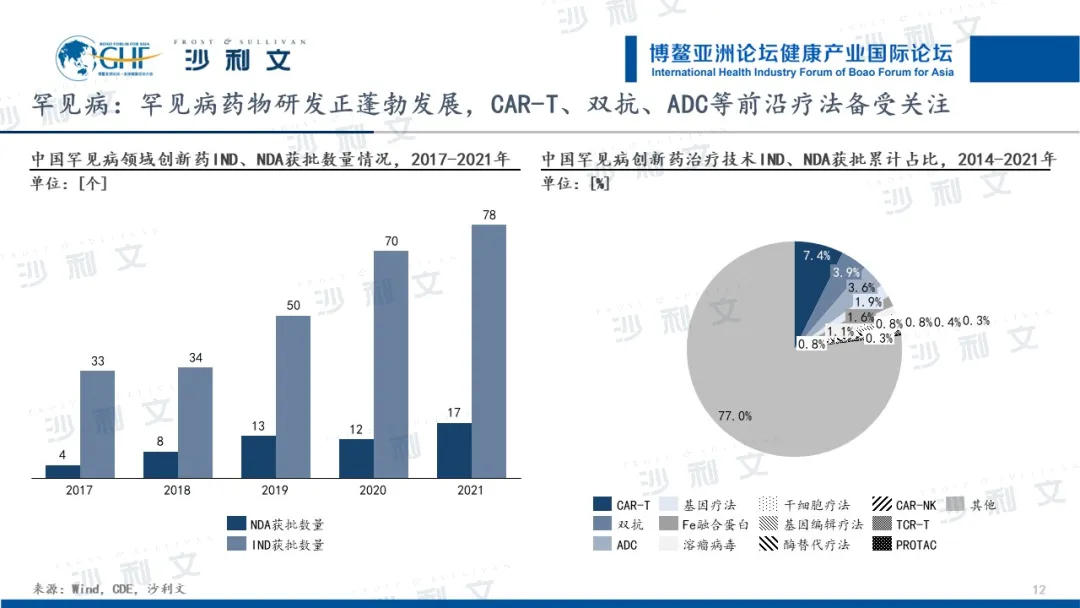
At the same time, rare disease drug research and development are booming, with cutting-edge technologies such as CAR-T, bispecific antibodies, and ADC therapies receiving significant attention.The enthusiasm for rare disease drug research and development is on the rise, with an increasing number of drugs coming to market each year and a stable growth rate. The number of innovative drugs (INDs) approved in China for rare diseases has increased from 33 in 2017 to 78 in 2021, while the number of new drug applications (NDAs) has grown from 4 in 2017 to 17 in 2021. From the perspective of the growth in IND numbers, it is expected that the number of new rare disease drugs coming to market will continue to rise in the future.The research and development of new drugs for rare diseases in China mainly focuses on three directions: CAR-T, bispecific antibodies, and ADCs, accounting for approximately 14.9% in total.Frontier technology therapies are receiving much attention in the treatment of rare diseases.
Yang Xiaocheng further pointed out that there are a large number of unmet clinical needs among the rare disease population in China, presenting broad market prospects.The EU has nearly 300 million rare disease patients, the US about 280 million, and China about 120 million. The number of rare disease patients is nearly four times that of the EU and the US combined. Among the 121 rare diseases included in China's 'First Batch of Rare Disease Catalogue', only 60% are treatable with drugs, leaving a large number of unmet needs.
In addition to rare diseases, cancer treatment issues in China remain prominent. Yang Xiaocheng stated that innovative therapies will revolutionarily change the effectiveness of cancer treatment and lead to a thriving industry in the future.
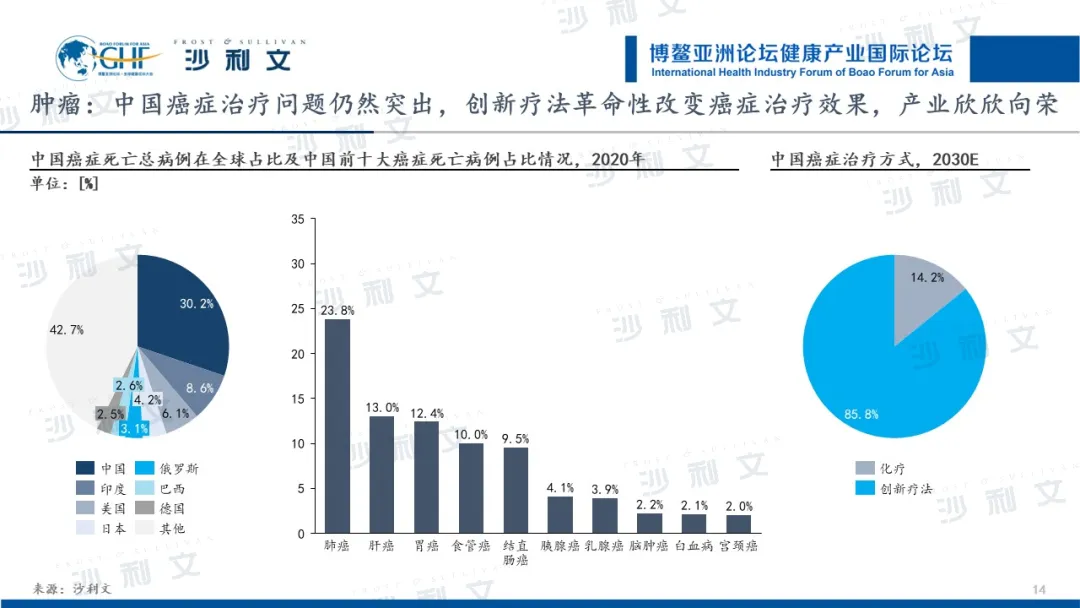
In 2020, the number of cancer deaths in China accounted for 30.2% of the global total, ranking first. In addition, the combined number of top ten cancer deaths in China accounted for 83.0%. Facing such a huge and concentrated number of cancer deaths, there is a huge unmet demand for tumor treatment. Innovative tumor therapies revolutionize cancer treatment outcomes and have broad industrial prospects in the future.With the launch of innovative tumor drugs, improved patient affordability, and policy promotion, it is expected that the proportion of innovative tumor therapies in China will reach 85.8% by 2030.
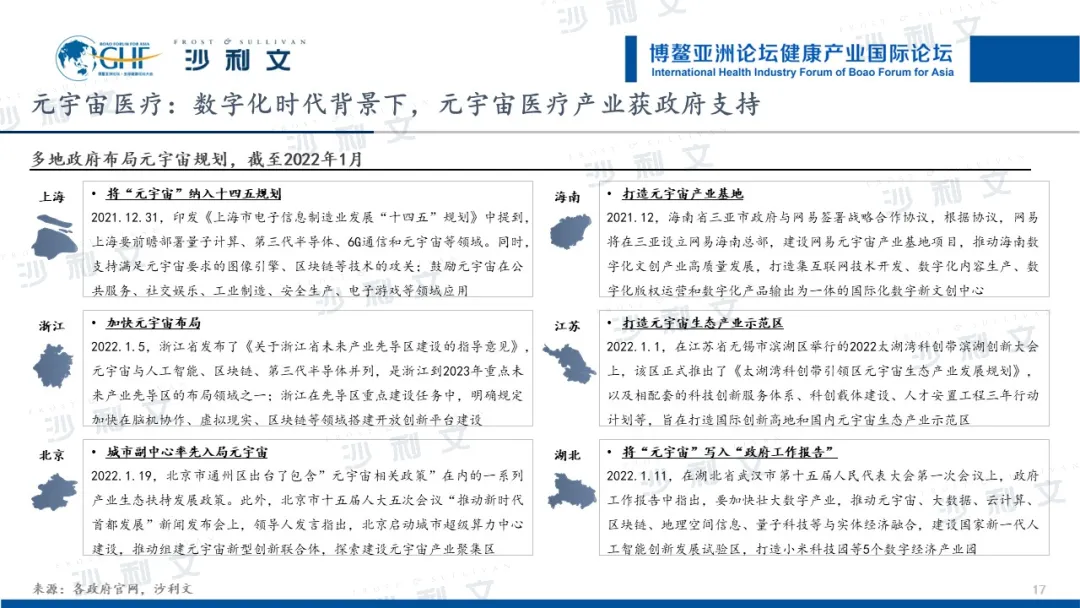
Finally, Yang Xiaocheng shared on the metaverse healthcare industry. Under the backdrop of innovation-driven development and digital transformation, leveraging the metaverse to accelerate urban digital layout and achieve a curve overtaking in the digital economy is a major pillar for governments to promote the metaverse.He said,With policy support, the healthcare metaverse is expected to promote diversified application scenarios and achieve deep integration of the digital economy with the real economy.For example, Shanghai has incorporated the 'Metaverse' into its '14th Five-Year Plan'. On December 31, 2021, the 'Shanghai Electronic Information Manufacturing Industry Development 14th Five-Year Plan' was issued, which highlighted the following:Shanghai should make forward-looking arrangements in areas such as quantum computing, third-generation semiconductors, 6G communication, and the metaverse. At the same time, it encourages the application of the metaverse in fields such as healthcare, industrial manufacturing, and safety production.
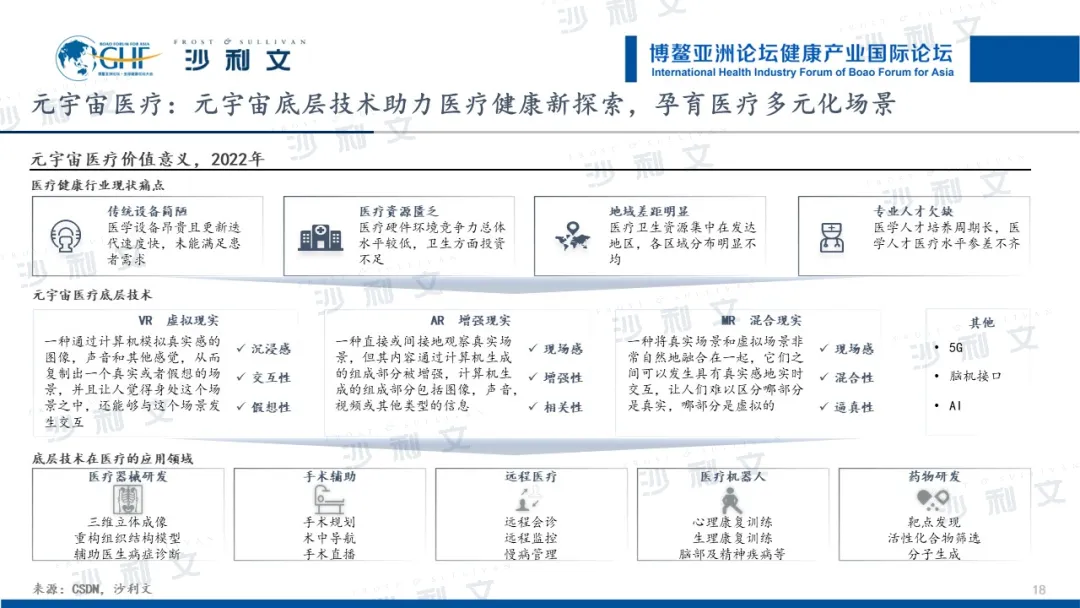
On the one hand, underlying technologies of the metaverse will assist in new explorations in healthcare, nurturing diverse medical scenarios.Virtual imaging technology represented by VR/AR/MR, brain-computer interfaces, and 5G technology have broken down the boundaries between digital virtual worlds and physical reality. Through intelligent wearable interactive devices, relevant information and corresponding solutions can be provided in a timely and accurate manner based on specific scenarios. Therefore,The medical metaverse has advantages in medical imaging, surgical assistance, telemedicine, medical robots, and drug research and development.It is conducive to optimizing traditional medical processes, improving medical outcomes, and reducing the workload of medical staff.
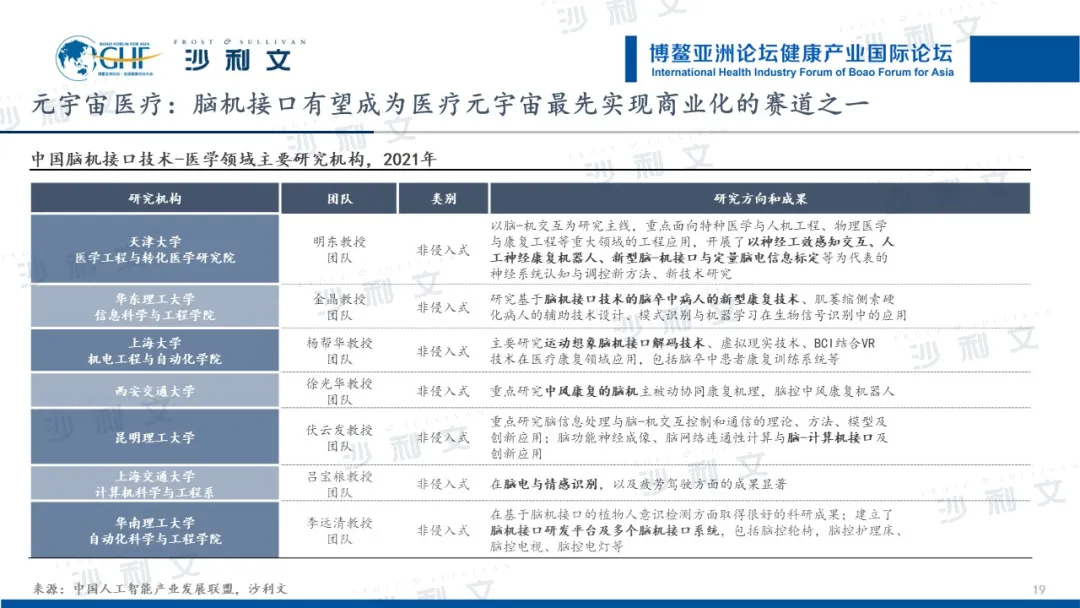
On the other hand, since brain-computer interface technology can directly achieve interaction between the brain and external devices, bypassing conventional brain information output pathways, it has broad application prospects in the field of healthcare. It mainly includes areas such as physical examination diagnosis, screening and monitoring, treatment, and rehabilitation for neurological and psychiatric system diseases.Looking ahead, Yang Xiaocheng pointed out that brain-computer interfaces are expected to become one of the first tracks in the medical metaverse to achieve commercialization.
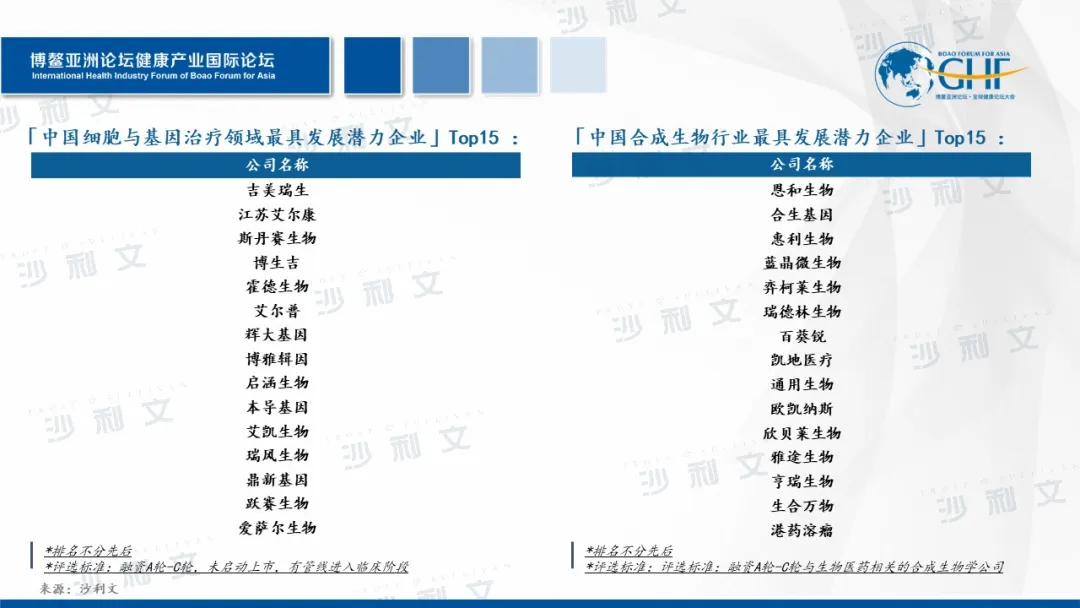
The white paper released this time also includes two lists. Frost & Sullivan focuses on technological breakthroughs in areas related to cell and gene therapy, synthetic biology, aiming to deeply explore the development potential of enterprises and help the health industry unleash new vitality. For emerging biotech companies in Series A to Series C financing,After comprehensive consideration from dimensions such as financing, BD and strategic cooperation capabilities, and innovative technologies, the top 15 'Most Potential Enterprises in China's Cell and Gene Therapy Field' and the top 15 'Most Potential Enterprises in China's Synthetic Biology Industry' were identified.
Finally, Yang Xiaocheng concluded by stating that standing at a new starting point, China's healthcare industry is facing new development opportunities and challenges. Among them, highly promising Chinese industries such as synthetic biology, rare disease and oncology treatment, and metaverse healthcare will ride on the wave of policy support. More stars from the medical field will emerge actively, and the industry will show a prosperous trend in the future. Frost & Sullivan will continue to place significant bets on the healthcare and big health sectors in China, and remain unwaveringly optimistic about the development of China's big health industry.