From April 20th to April 21st, the Boao Forum for Asia International Health Industry Forum was held at the Beijing Economic-Technological Development Area. This forum is an event within the framework of the Boao Forum for Asia Global Health Forum, hosted by the Boao Forum for Asia and the People's Government of Beijing Municipality, organized by the Organizing Committee of the Boao Forum for Asia Global Health Forum and the Management Committee of the Beijing Economic-Technological Development Area, and supported by relevant government departments of China as the host country, as well as international organizations and institutions such as the World Health Organization, Bill & Melinda Gates Foundation, and Médecins Sans Frontières (MSF) France.
As a strategic partner of the forum, Frost & Sullivan (referred to as 'Frost & Sullivan') jointly released a report with the Organizing Committee of the Boao Forum on Global Health and LeadLeo Research Institute at the forum's Industry Report Release Event on April 21.Mr. Li Zheng, Dean of LeadLeo Research Institute, provided an in-depth interpretation of the report titled 'The Heritage of Great Powers, Enduring Renewal: New Opportunities for the Modernization and Development of China's Traditional Chinese Medicine Industry'.
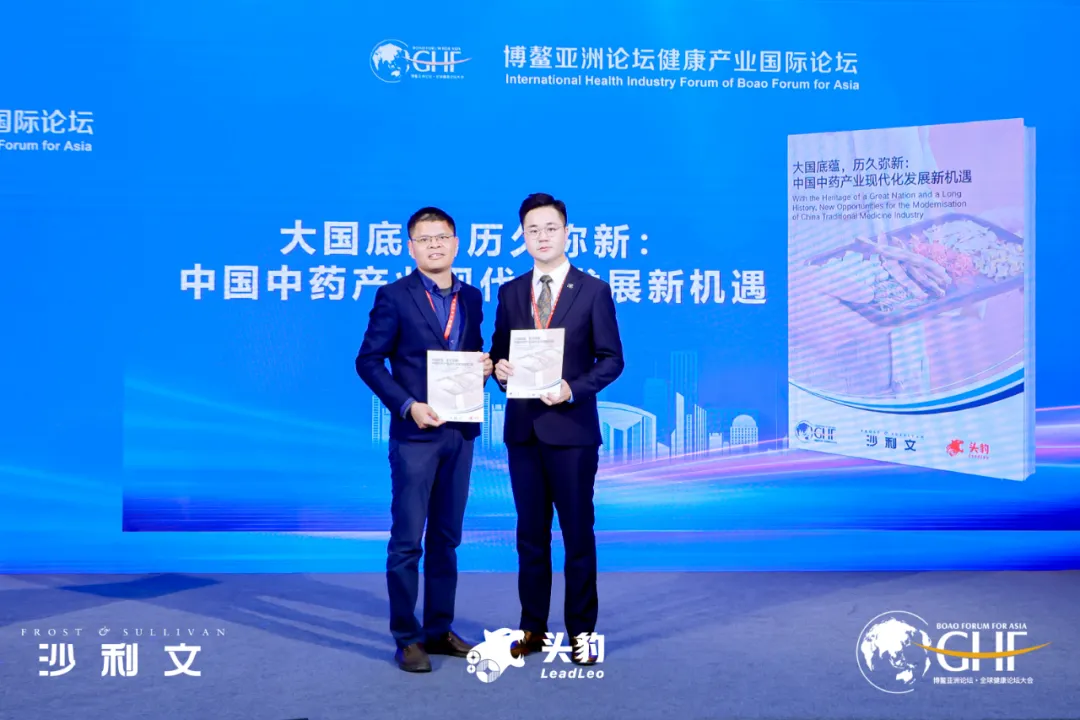
Mr. Li Zheng, Dean of the 'LeadLeo' Research Institute, and Dr. Wu Zhisheng, a specially-appointed researcher at Beijing University of Chinese Medicine and doctoral supervisor, jointly participated in the report release ceremony.
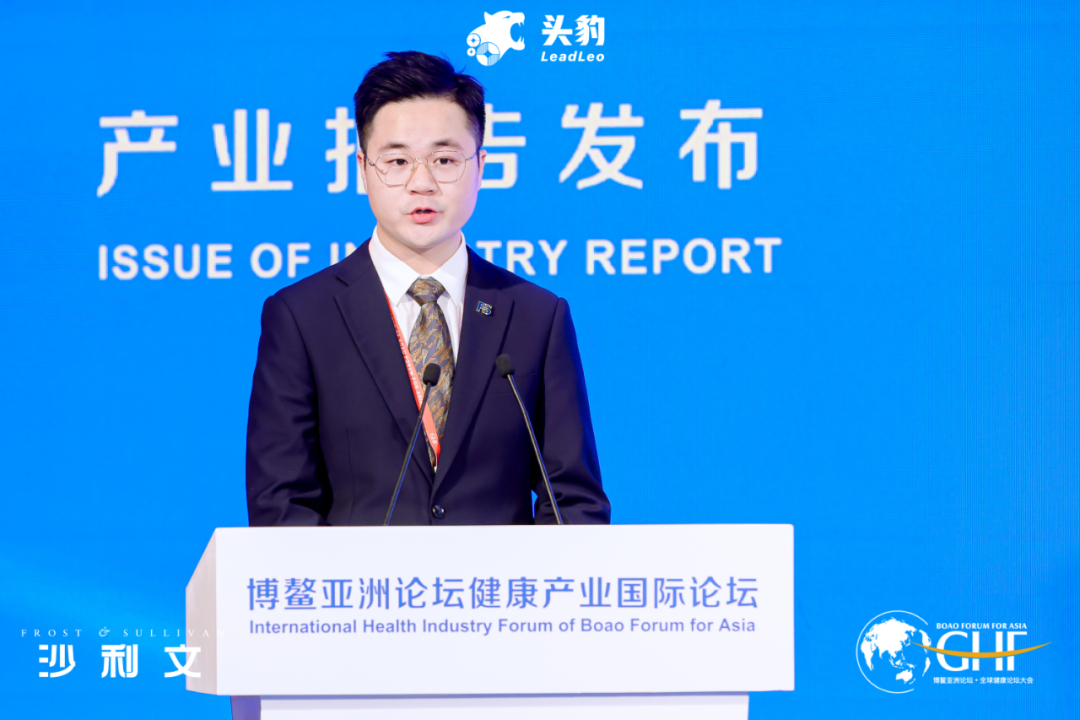
Li Zheng, Dean of LeadLeo Research Institute
Li Zheng stated that in recent years, the traditional Chinese medicine industry has been developing positively and presents various opportunities, which are mainly elaborated from two aspects.
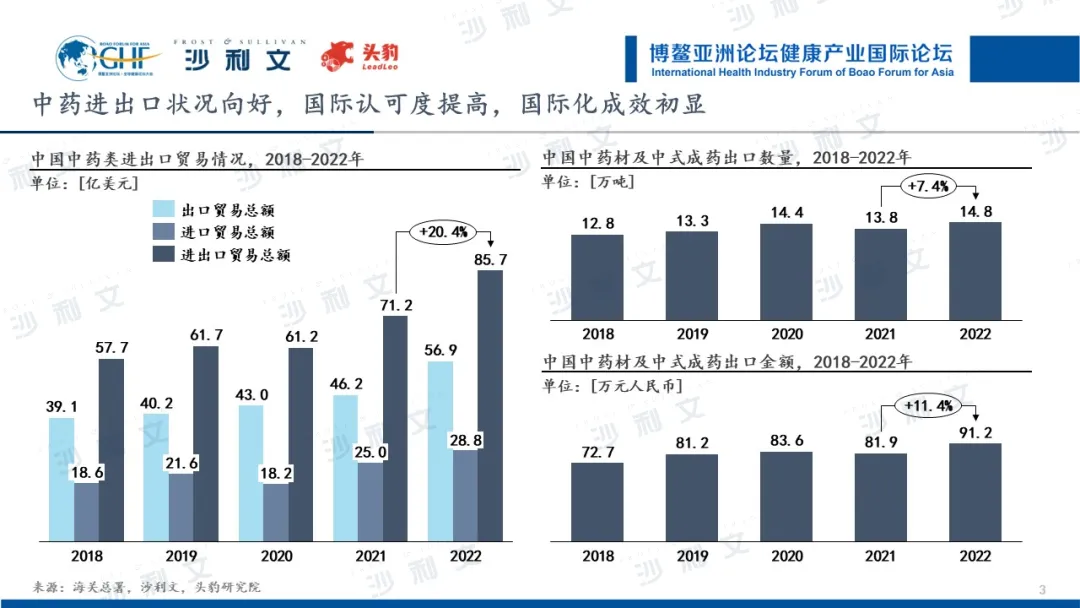
Firstly, in terms of traditional Chinese medicine (TCM) import and export trade, international recognition has been continuously increasing. Overall, the export trend of TCM products in China is positive, with both imports and exports thriving. The total value of TCM import and export trade in China increased from $7.12 billion in 2021 to $8.57 billion in 2022.Reflecting the initial effectiveness of traditional Chinese medicine (TCM) internationalization, future export volumes and amounts are expected to maintain rapid growth. In fact, since the outbreak of the COVID-19 pandemic in 2020, TCM has played a significant role in global epidemic prevention and control. The clinical efficacy of TCM in treating COVID-19 is remarkable, and it has been widely promoted both domestically and internationally.
In January 2022, led by the state, efforts were made to export traditional Chinese medicine culture and industry along the Belt and Road countries, promote cooperation in traditional Chinese medicine epidemic prevention and control, as well as scientific research and medical collaboration. Enterprises capable of going global are expected to find new development directions.Driven by policies, the export volume and value of Chinese herbal medicines and Chinese patent medicines both witnessed rapid growth in 2022. The export volume reached 148,000 tons, and the export value amounted to 9.12 trillion yuan.
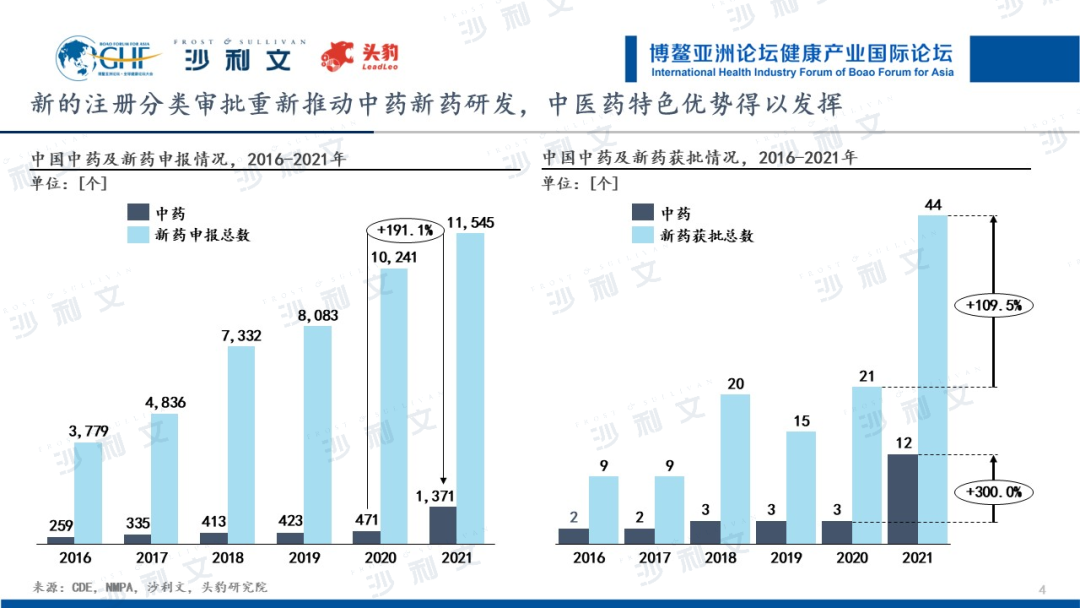
Secondly, the new registration category encourages innovative development of traditional Chinese medicine from a policy perspective. Li Zheng conducted a comparative analysis from two aspects: the status of drug applications and approvals.
He pointed out that in the past few years, quality issues, non-standard applications, and lack of evaluation have held back the development of new traditional Chinese medicine drugs.From 2016 to 2020, the number of traditional Chinese medicine applications or approvals was relatively low.On one hand, there are frequent risk accidents involving traditional Chinese medicine injections, and quality, technology, and safety issues have not been comprehensively improved. On the other hand, this is due to the incomplete traditional Chinese medicine review and approval system. Traditional Chinese medicine research and development is characterized by high innovation difficulty, unclear mechanisms and evaluation systems, long R&D cycles, and high investment risks, which have led traditional Chinese medicine pharmaceutical companies to adopt a cautious attitude towards new drug research and development.
In 2016, due to the strict investigation of new drug clinical data fraud by the National Medical Products Administration, only 259 traditional Chinese medicine (TCM) applications were submitted that year, and only two TCM products were approved. In 2020, with the proposal of new registration categories, the characteristics and advantages of TCM were better utilized to meet clinical needs. In 2021, the number of TCM applications increased to 1,371, a year-on-year increase of 191.1%; 12 TCM products were approved for marketing, four times that of 2020, exceeding the total from 2017 to 2020. With the continuous improvement of the registration process and approval efficiency, the approval time for TCM has shown a trend of decreasing year by year.
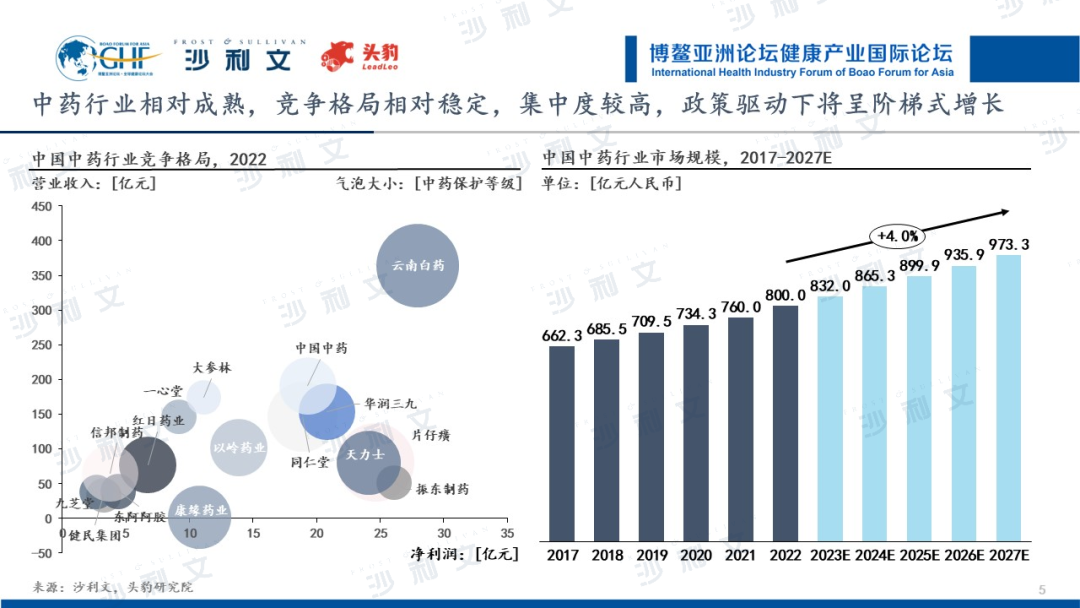
Li Zheng believes that, against the backdrop of favorable policies, the market scale of the traditional Chinese medicine industry is growing in a stepped manner.The traditional Chinese medicine industry is a relatively mature sector with a relatively stable competitive landscape and high market concentration. Leading companies include China National Medicine Group Co., Ltd., Baiyunshan Pharmaceutical Group Co., Ltd., China Resources Sanjiu Pharmaceutical Co., Ltd., Yunnan Baiyao Group Co., Ltd., Paidu Pharmaceutical Group Co., Ltd., and Tongrentang.The total market share is about 60%.Leading enterprises possess resources of authentic medicinal materials upstream, master classic prescriptions, have a long history and high brand value, as well as a complete sales system. These four aspects constitute their core competitiveness, which in turn gives them pricing power.
The market scale of the traditional Chinese medicine industry was determined through interviews with over 30 experts and subsequent calculations. From 2017 to 2022, the market scale of China's traditional Chinese medicine industry showed a slow growth, increasing from 66.23 billion yuan to 80 billion yuan.Since 2017, the state has been rectifying chaos in the traditional Chinese medicine industry by canceling licenses of non-compliant enterprises, revoking qualification certificates for substandard varieties, and tightening policies on medical insurance control and cost management, as well as key monitoring of adjuvant drugs and new drug approvals. These policies have led to slow industry growth.
It is expected that from 2023 to 2027, the market scale of China's traditional Chinese medicine industry will show a stepwise growth.2022 is the first year to implement policies supporting traditional Chinese medicine (TCM) in medical insurance, and it is expected that the use of TCM in medical institutions will increase. Industry policies such as the acceleration of the implementation of support for TCM and essential medicines in medical insurance, the reform of the registration classification standards for TCM, and the approval mechanism for TCM are being implemented.The growth in upstream raw material prices, strengthened supervision over the traditional Chinese medicine industry, research and development of new drugs, and population aging are all expected to drive the traditional Chinese medicine sector.Industry growth, therefore, the annual growth rate is expected to be about 4.0% over the next five yearsBy 2027, the market scale of the traditional Chinese medicine industry is expected to reach 97.33 billion yuan.
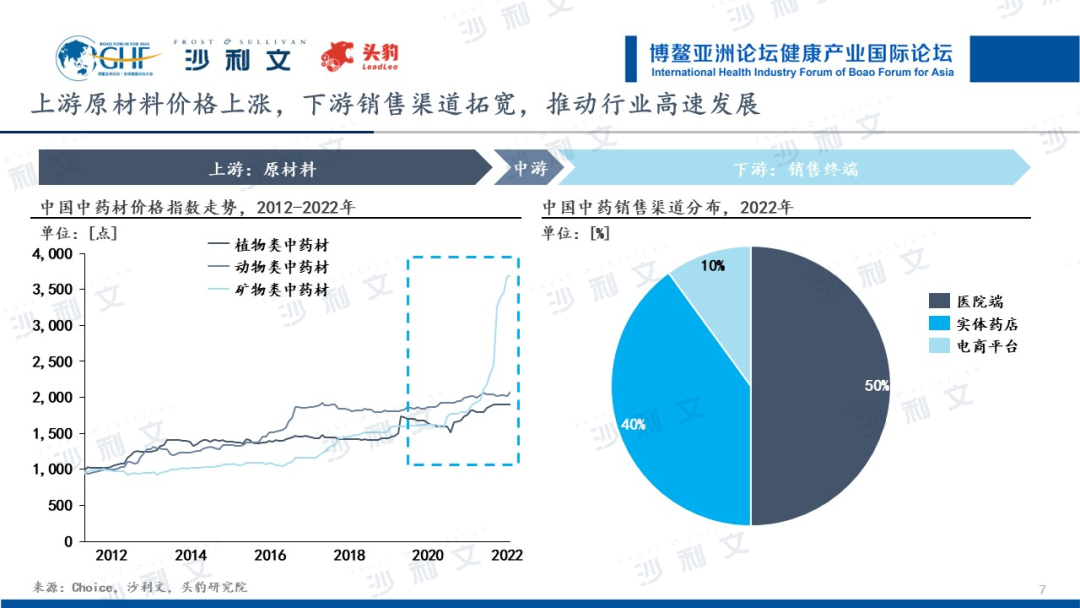
Li Zheng further pointed out that traditional Chinese medicine production has always relied on raw materials of medicinal herbs from the upstream.Improving industrial layout, promoting the transformation and upgrading of the supply chain, and ensuring its security and integrity are crucial. This helps to form an industrial chain supply chain that is more innovative, has higher added value, and is safer and more reliable.In the past 10 years, affected by weather factors and strengthened supervision of traditional Chinese medicine quality, the price index of Chinese medicinal materials has risen steadily and is currently at a high level. Since the second half of 2021, prices of various Chinese medicinal materials have shown significant increases, especially for mineral-based ones. Mineral-based medicinal materials, particularly fossilized ones, are scarce resource varieties, with most beingnon-renewable resourcesThe mining cost is relatively high,Driven up the price of mineral-based Chinese medicinal materials.
The downstream of the traditional Chinese medicine industry is the sales terminal.The opening of off-campus markets has made it possible to expand into lower-tier markets.With the implementation and enforcement of healthcare reform policies, medical insurance varieties, centrally procured varieties, and essential medicines will become the types used in hospitals. The number of traditional Chinese medicine (TCM) varieties that have lost their hospital access qualifications is increasing, shifting from within hospitals to outside them, opening up new markets. The expansion of the grassroots market will attract more mature market varieties and non-centralized procurement and non-medical insurance varieties from tertiary hospitals to the grassroots market. The grassroots market is expected to become a new growth point for TCM development. Additionally, the proposal of the 'dual-channel' policy makes it more convenient and faster for insured patients to purchase medications, allowing for more flexible and timely use. As can be seen from the chart, in 2022, among China's TCM sales channels, the hospital segment accounted for 50%, physical pharmacies 40%, and e-commerce platforms 10%.In the future, with the opening of off-campus markets, it is expected to enrich drug sales channels, increase the proportion of online pharmacy sales, provide patients with more convenient ways to purchase drugs, and further expand the sales scope.
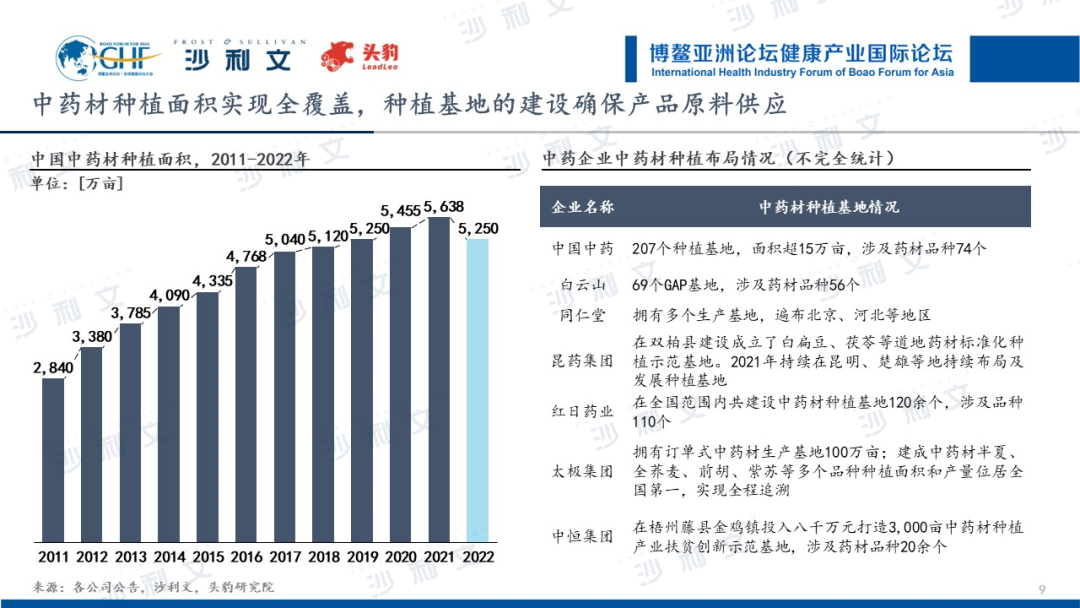
In terms of Chinese herbal medicines, Li Zheng said that driven by policy dividends, the planting scope of Chinese herbal medicines has been increasing year by year, and the planting areas have achieved nationwide coverage.Promoting the construction of authentic medicinal material bases helps to boost the development of characteristic agriculture.
Judging from the planting area of Chinese medicinal materialsIn 2020, the cultivation area of Chinese medicinal materials covered the entire country. In 2021, the planting area of Chinese medicinal materials continued to rise, reaching 56.38 million mu.In 2022, affected by policies, many regions vigorously implemented measures such as returning forests to farmland and re-planting with grain crops. The planting area of Chinese medicinal materials has been greatly reduced. Coupled with climate factors and rising planting costs, the general income of herbal farmers is not high, leading to a decline in planting area.
According to Li Zheng, the industrialization, commercialization, and moderate scale-up development of Chinese medicinal materials will promote the construction of advantageous and characteristic industrial clusters.A statistical analysis of some traditional Chinese medicine enterprises shows the distribution of their planting bases for medicinal materials in the following table.Many traditional Chinese medicine (TCM) enterprises, especially leading ones, have established layouts of TCM material planting bases, which to a certain extent ensure the supply of raw materials for their products through medicinal material cultivation.For example, China National Pharmaceutical Group Co., Ltd. has 207 GACP bases, covering 74 varieties of medicinal materials with an area exceeding 150,000 mu; Baiyun Mountain and its joint ventures have more than 60 GAP medicinal material bases; Tongrentang and its subsidiaries have multiple production bases located in regions such as Beijing and Hebei; Red Sun Pharmaceutical Group Co., Ltd. has more than 120 Chinese medicinal material planting bases, involving 110 varieties.
In terms of traditional Chinese medicine decoction pieces, Li Zheng introduced that the implementation of the first inter-provincial joint procurement of traditional Chinese medicine decoction pieces will guide the development towards high quality and high prices. In 2018, the state carried out a cleanup and rectification of the pharmaceutical industry, recovering a total of 224 GMP certificates.Among them, the traditional Chinese medicine decoction piece industry recovered 96 pieces, accounting for as high as 43% of the total.In 2020, the National Medical Products Administration issued the 'Implementation Opinions on Promoting the Inheritance and Innovative Development of Traditional Chinese Medicine', encouraging the development of traditional Chinese medicine. Driven by policies, traditional Chinese medicine decoction pieces have seen development opportunities. In 2021, the main business income of traditional Chinese medicine decoction pieces was 205.7 billion yuan, a year-on-year increase of 13.7%; the total profit was 24.93 billion yuan, a year-on-year increase of 106.9%. Compared to Chinese patent medicines, which account for about 70% of the market share, the growth rate of traditional Chinese medicine decoction pieces has an obvious advantage, reflecting a good growth momentum. The joint procurement of traditional Chinese medicine decoction pieces is more integrated with industry characteristics.The concept of 'ensuring quality, upgrading standards, and stabilizing supply' is proposed, with the primary goal not being price cuts but rather focusing on system and standard construction.
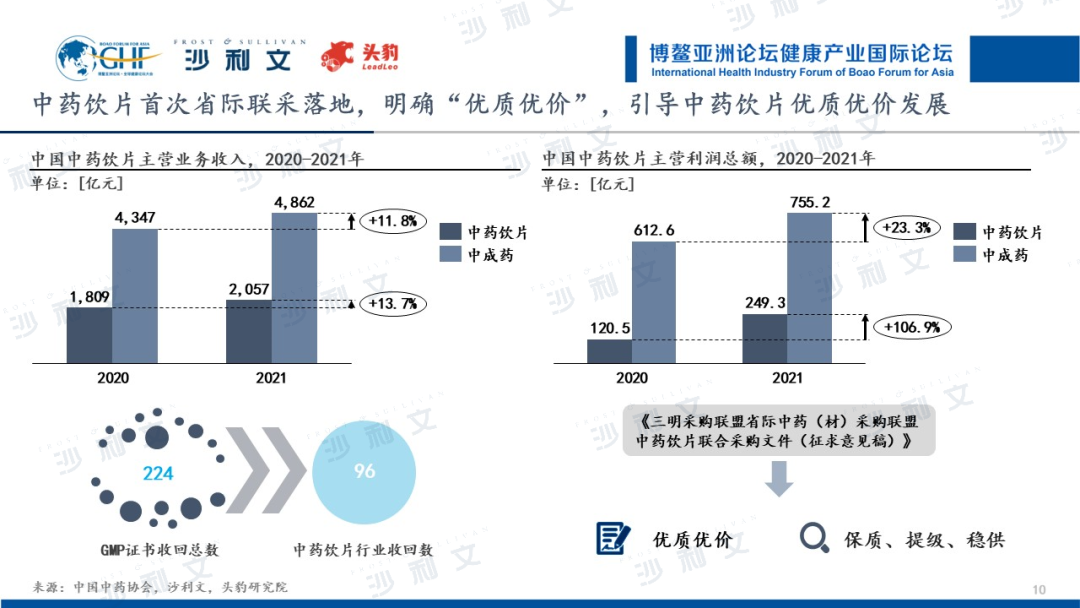
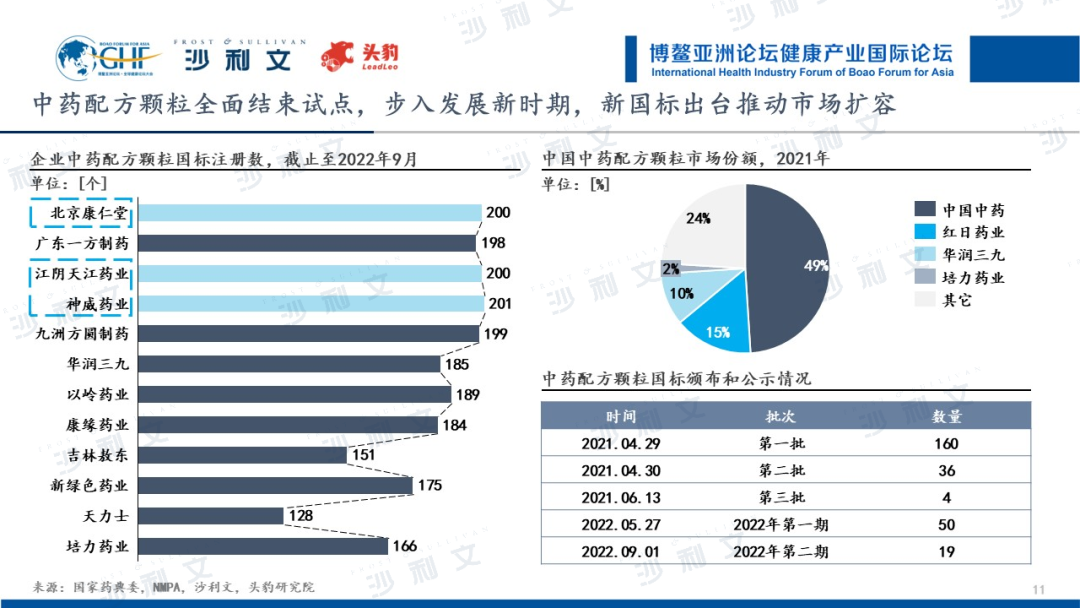
Regarding traditional Chinese medicine formula granules, Li Zheng believes that the introduction of the new national standard has accelerated the development of these granules.Leading enterprises have a first-mover advantage in formulating national standards and among suppliers, thus benefiting first.The new national standard for traditional Chinese medicine formula granules has established precise guiding standards around items, indicators, limits, etc.It particularly includes quality control in aspects such as raw materials, material transfer, stability, and safety.As of September 2022, the national standard filing progress for Kangren Tang, Jiangyin Tianjiang Pharmaceutical and Shenwei Pharmaceutical has reached 200 cases, with nearly 200 cases for leading enterprises such as China Resources Sanjiu and Yiling Pharmaceutical.It turns out that there are obstacles in the process of integrating enterprise standards with the new national standards, leading to rising costs. Therefore, it is an inevitable trend for enterprises to raise prices to cover costs.
For a long time, the domestic traditional Chinese medicine formula granule market has been monopolized by six major enterprises including Sinopharm and Red Sun Pharmaceutical.The competitive landscape will not change in the short term.For traditional Chinese medicine formula granule enterprises to achieve profitability, they need integrated scale advantages in aspects such as medicinal material procurement, process technology, production, quality control, and sales terminals. Leading enterprises have obvious advantages in channels, varieties, technology, and market access.
The National Healthcare Security Administration and the National Administration of Traditional Chinese Medicine encourage the procurement ofTraditional Chinese Medicine Formula GranulesIt has been included in the provincial medical centralized procurement platform for online transactions, promoting open and transparent trading. With the relaxation of policies, the number of insured varieties has gradually increased.
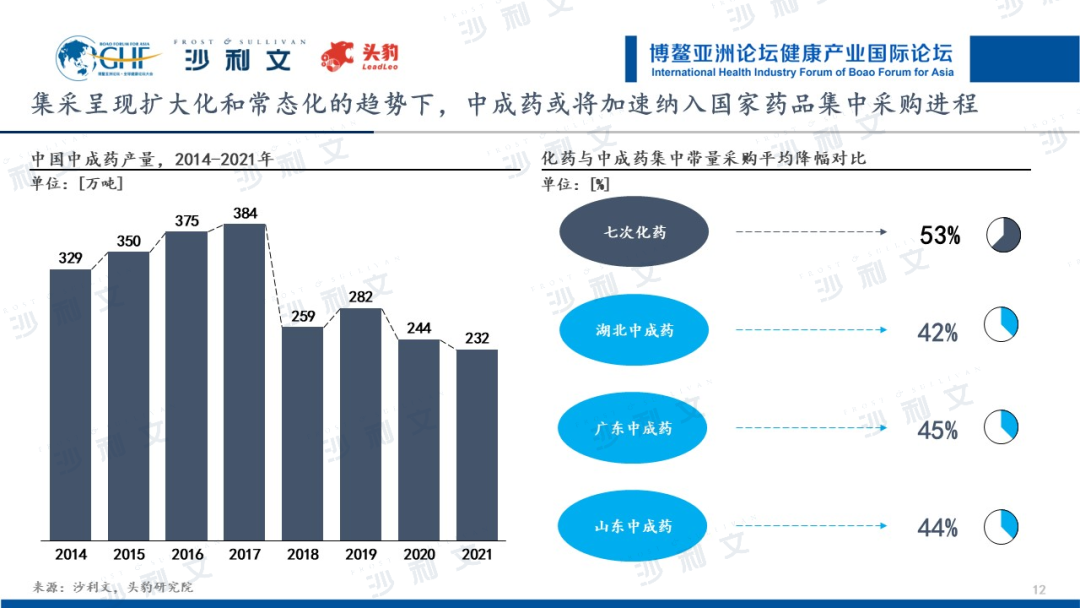
Li Zheng pointed out that in the future, Chinese patent medicines may accelerate their entry into the national centralized drug procurement process.In terms of production volume: From 2014 to 2021, the output of Chinese patent medicines showed a fluctuating trend. Starting from 2017, the production capacity of Chinese patent medicines continued to shrink.The reason is the negative news impact on Chinese patent medicine injections, as well as the reduced demand due to increased national supervision of traditional Chinese medicine.After being disrupted by the pandemic in 2020, the output in 2021 was less different from that of 2020.
From the historical process of centralized procurement: centralized procurement has shown a trend towards expansion and normalization, and traditional Chinese patent medicines may be accelerated into the national drug centralized procurement process. The price reduction rate for traditional Chinese patent medicine centralized procurement is moderate.The average price reduction in Hubei Province's centralized procurement was 42%, in Guangdong it was 45%, and in Shandong Province it was 44%. Compared to the overall average price reduction of 53% in the seven rounds of generic drug centralized procurement, the overall price reduction in Chinese patent medicine centralized procurement is relatively smaller.
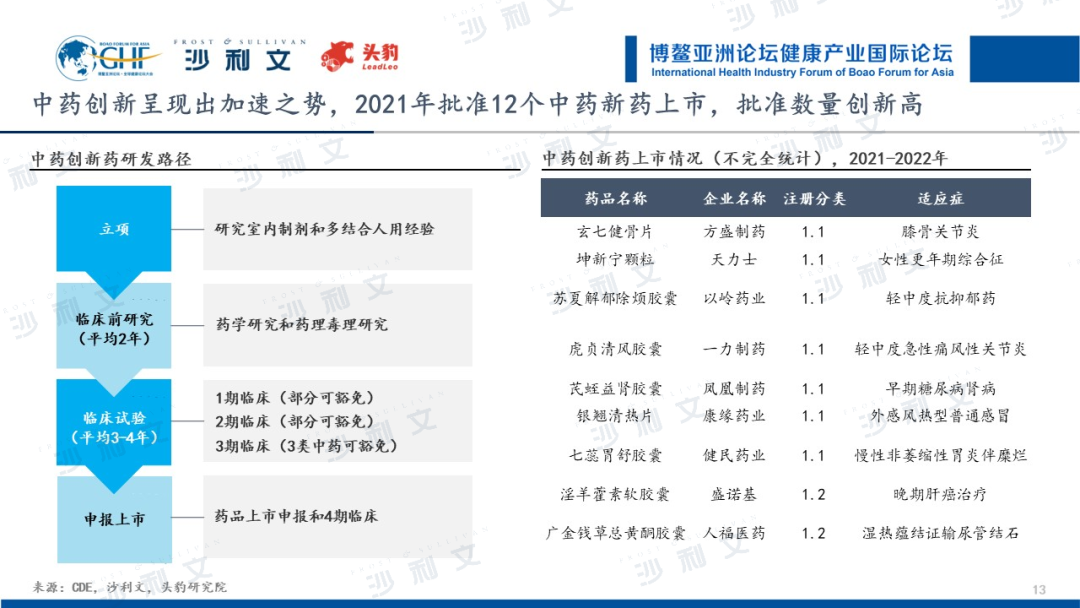
Regarding the innovation trend of traditional Chinese medicine, Li Zheng believes that with policy support, the innovation of traditional Chinese medicine is accelerating.In 2021, 12 new traditional Chinese medicine (TCM) drugs were approved for marketing, setting a new high in the number of approvals, including 9 Class 1 new drugs. In terms of clinical trial indications, TCM new drugs are mainly concentrated in five areas: psychiatry and neurology, respiratory medicine, gastroenterology, cardiovascular medicine, and gynecology, showing a trend towards diversified indications.Regulations and documents related to multiple new traditional Chinese medicine (TCM) drugs have been introduced one after another, and more systems that conform to the development path of TCM are being gradually improved. The R&D process for new TCM drugs is gradually becoming clearer and standardized.
Multinational enterprises entering the field of traditional Chinese medicine are expected to accelerate the launch of new varieties.Multinational pharmaceutical companies possess excellent promotional resources and technological advantages in R&D innovation, which can help the traditional Chinese medicine industry solve problems related to quality standards and pharmacological principles. To some extent, this can generate a 'catfish effect', driving the development and progress of the traditional Chinese medicine industry.
Finally, Li Zheng summarized that with strong policy support, corporate R&D advancement, and the gradual introduction of innovative traditional Chinese medicines, the traditional Chinese medicine market will be further stimulated, and the future development of the traditional Chinese medicine industry is promising.