The healthcare industry has undergone significant changes over time, driven by national policy guidance and capital favor. It has developed rapidly with the trend of 'technological innovation.' In recent years, it has made great industrial breakthroughs in various sub-sectors such as biomedicine, medical devices, and healthcare services. Leading enterprises continue to leverage their scale advantages, while innovative companies are accelerating growth. The resulting product iterations and technological innovations have invigorated the entire healthcare industry chain. Over the past year, the COVID-19 pandemic stimulated the 'highlighted' development of the healthcare industry, making it one of the hottest investment and financing tracks. In 2020, the total financing amount for the healthcare track increased by 43% year-on-year. At the same time, the implementation of the high-value consumables volume-based procurement policy has forced enterprises to transform and innovate, accelerating the reshuffle in the field of new drug research and development, and capital is concentrating on more innovative value-added enterprises.
Against this backdrop, the 2021 CHC & CITIC Securities Healthcare Conference and the Tenth China Healthcare Industry Investment & M&A CEO Summit, co-hosted by CHC Medical Consulting and CITIC Securities, were held in Shanghai. With the theme of 'Ten Years of Perseverance Witnessing a Golden Age of Healthcare, Accumulating Strength to Rekindle Capital's Glory', the summit featured three sub-venues for medical devices, biomedicine, and healthcare services. It covered policy discussions, hot topic analyses, and strategic thinking on breaking through in the 13 major sub-sectors including management forums, imaging diagnosis and treatment equipment forums, IVD forums, intelligent diagnosis and treatment forums, and innovative drug forums.
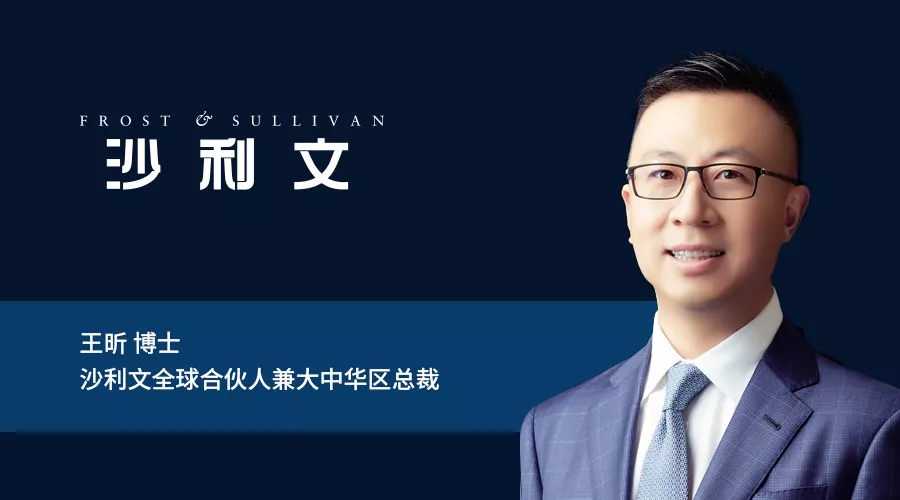
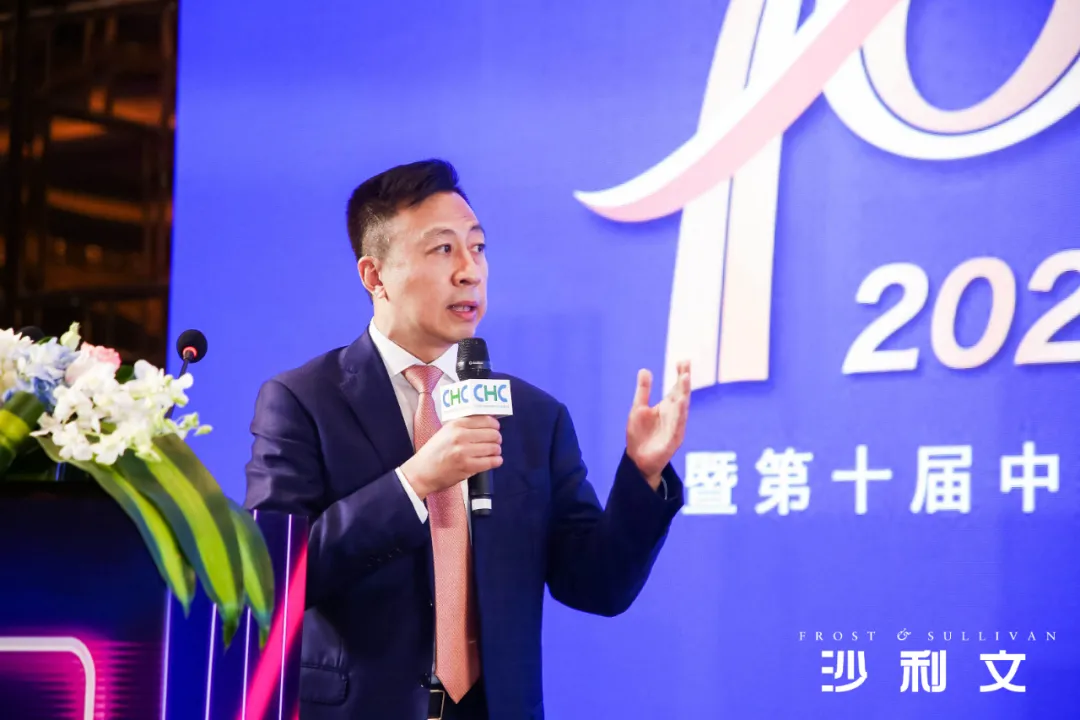
On the morning of April 8th, Dr. Wang Xin delivered a keynote speech at the Summit Investment Forum. Focusing on three major aspects: the current situation of China's biopharmaceutical market, prospects for potential development directions in the biopharmaceutical field, and capital market performance, he engaged in an in-depth discussion with the participating guests on the development trends of China's biopharmaceutical industry.
01
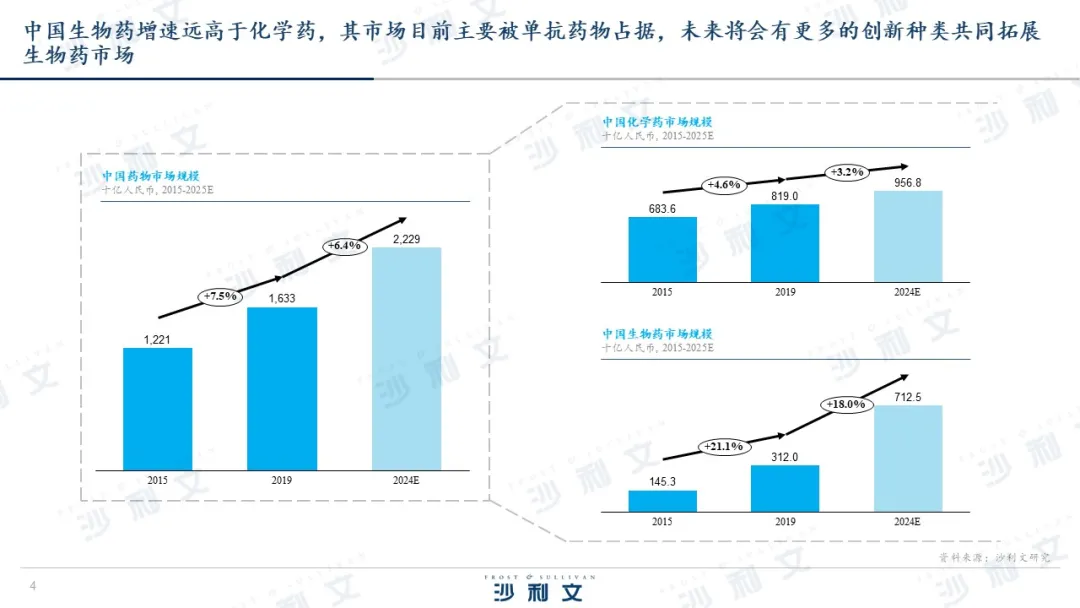
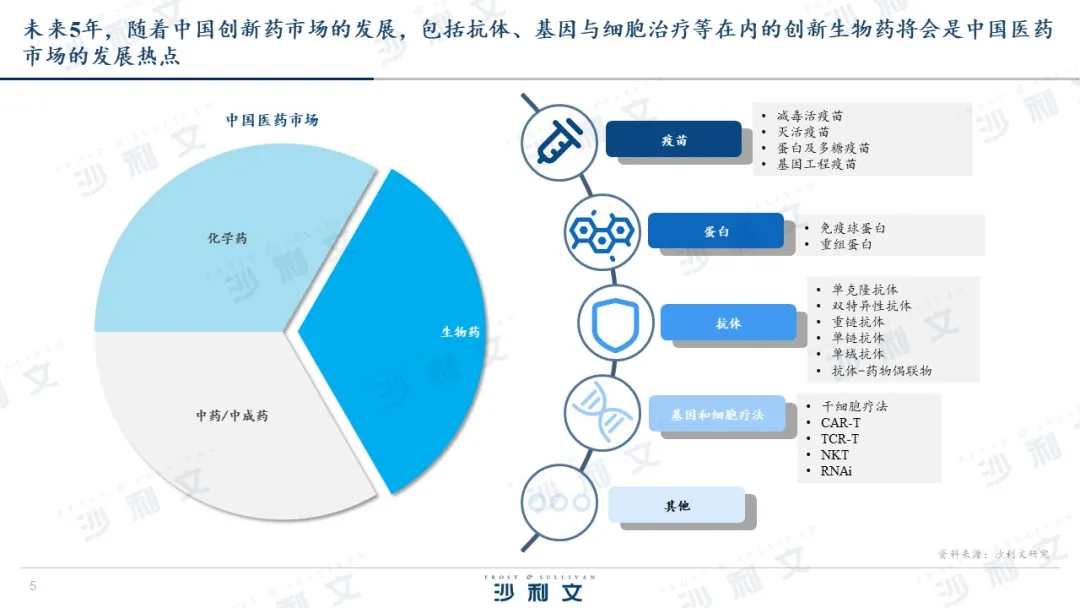
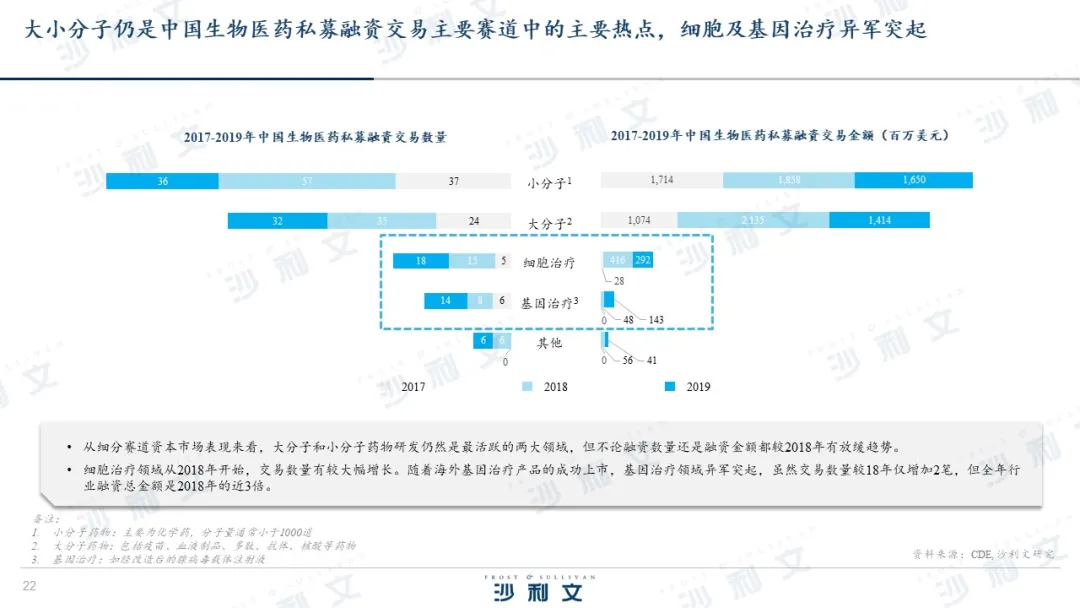
He pointed out that currently, the R&D and commercialization centers of the biopharmaceutical industry internationally are still located in Europe and America. China's biopharmaceutical sales volume still accounted for only 17% of the global total in 2020. However, the relatively early state of the Chinese biopharmaceutical market also implies more opportunities. China is in an era where first-mover generic drugs and international innovative drugs are rapidly following each other's footsteps, and the core competitiveness of the pharmaceutical industry is undergoing a transformation from marketing to R&D innovation. Biopharmaceutical companies with competitiveness and R&D strength will emerge faster in the Chinese biopharmaceutical market and gain a head start. In the future, there will be more types of innovation that will jointly expand the biopharmaceutical market."With the development of China's innovative drug market, in the next five years, innovative biopharmaceuticals, including antibodies, gene and cell therapies, will be a hot topic in the development of China's pharmaceutical market."

02
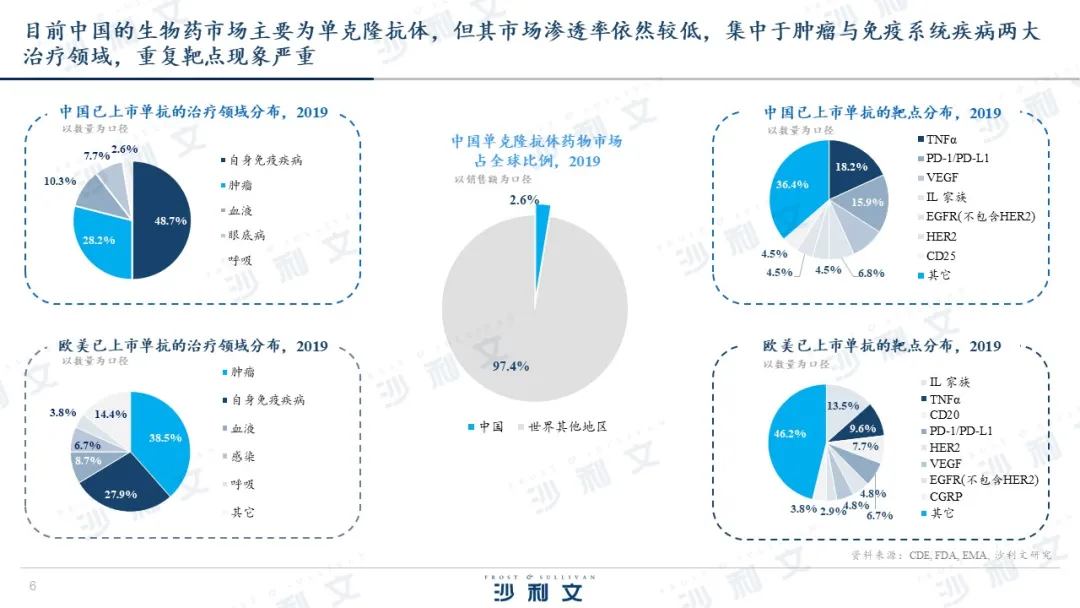
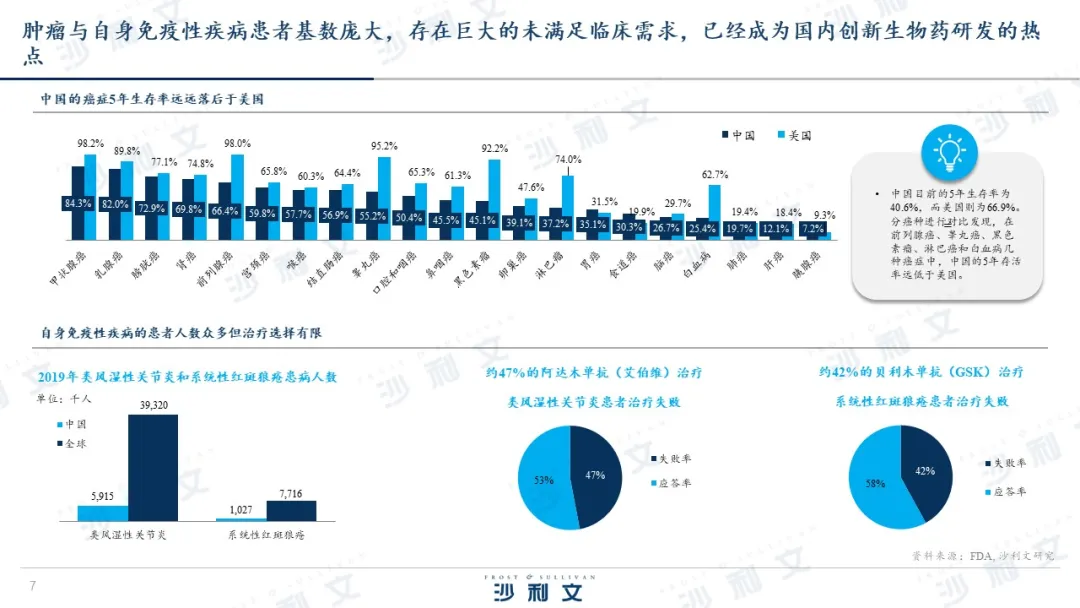
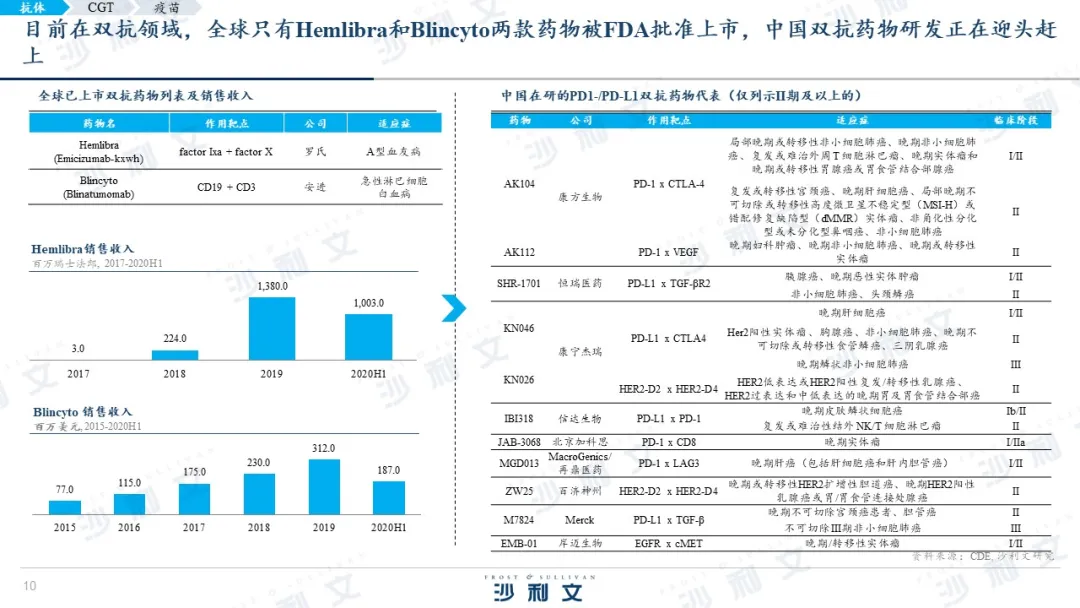
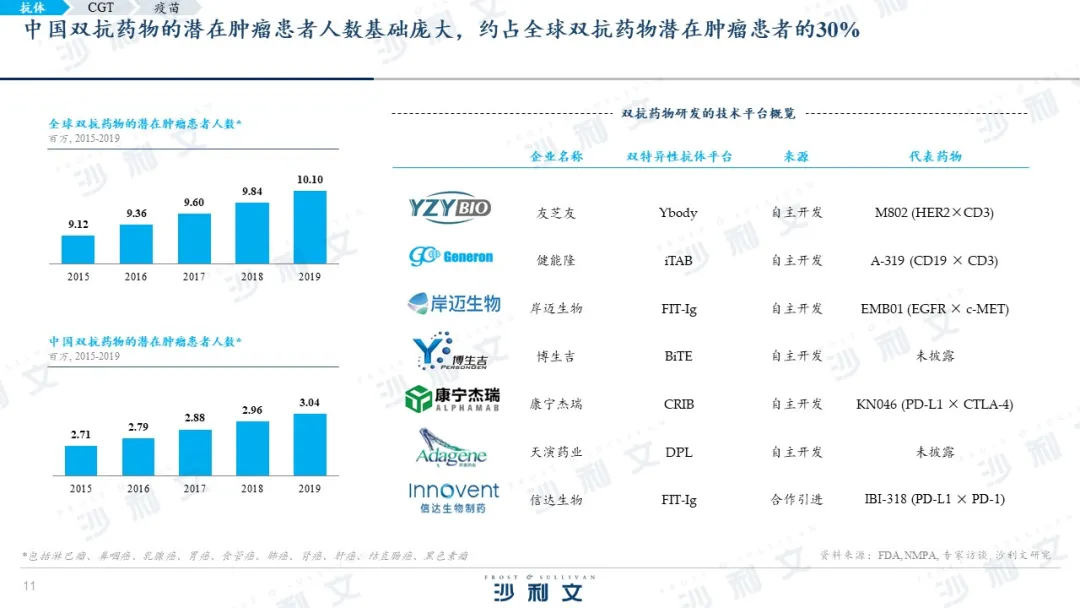
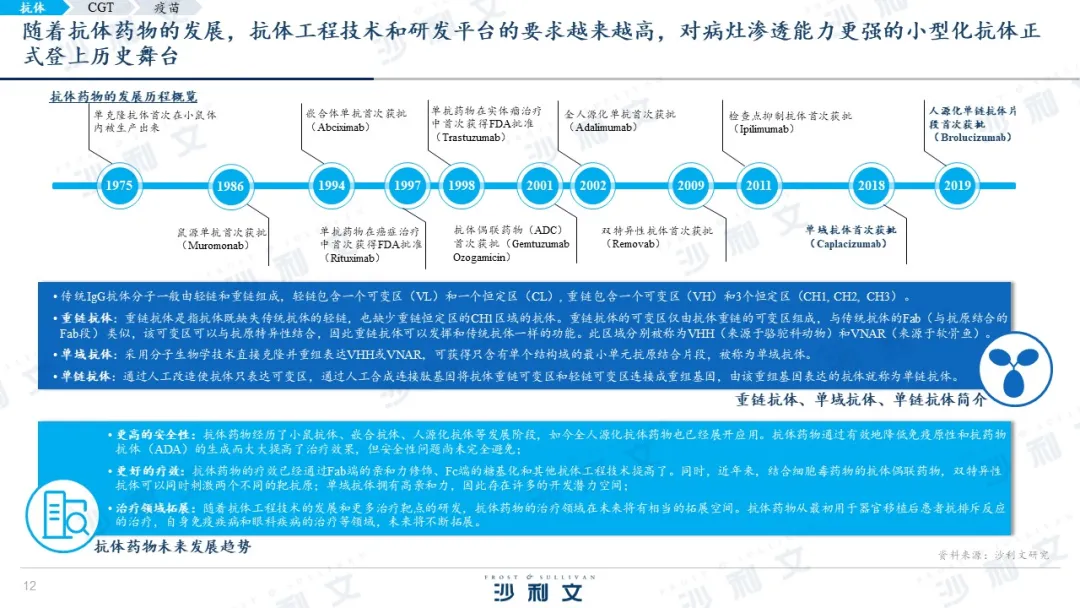
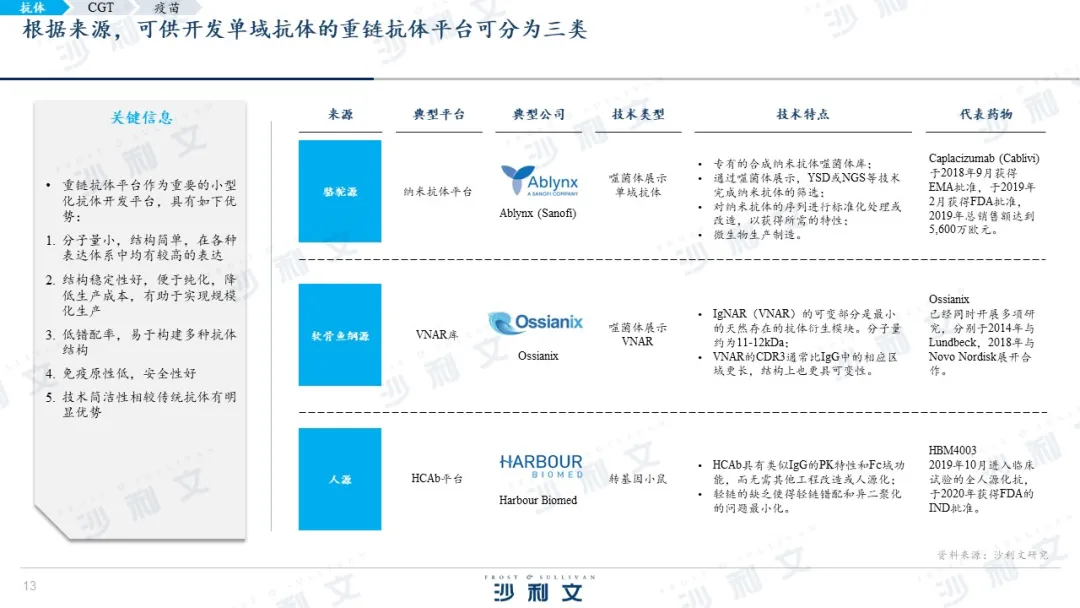
Taking antibodies as an example, he further analyzed that the current biopharmaceutical market in China is mainly monoclonal antibodies, but their market penetration rate remains low, concentrated in two major therapeutic areas: oncology and immune system diseases, with a serious phenomenon of duplicate targets.The future market is more optimistic about bispecific antibodies."The potential number of tumor patients in China who could benefit from dual anti-cancer drugs is vast, with a huge unmet clinical need. In 2019, the number of potential tumor patients in China who could be treated with dual anti-cancer drugs reached 3.04 million, accounting for about 30% of the global total." Currently, in the field of dual anti-cancer drugs, only two drugs, Hemlibra and Blincyto, have been approved by the FDA for marketing globally. The research and development of dual anti-cancer drugs in China is catching up.With the development of antibody drugs, the requirements for antibody engineering technology and R&D platforms are becoming increasingly stringent. Miniature antibodies with stronger lesion penetration capabilities will officially make their debut on the historical stage.

03
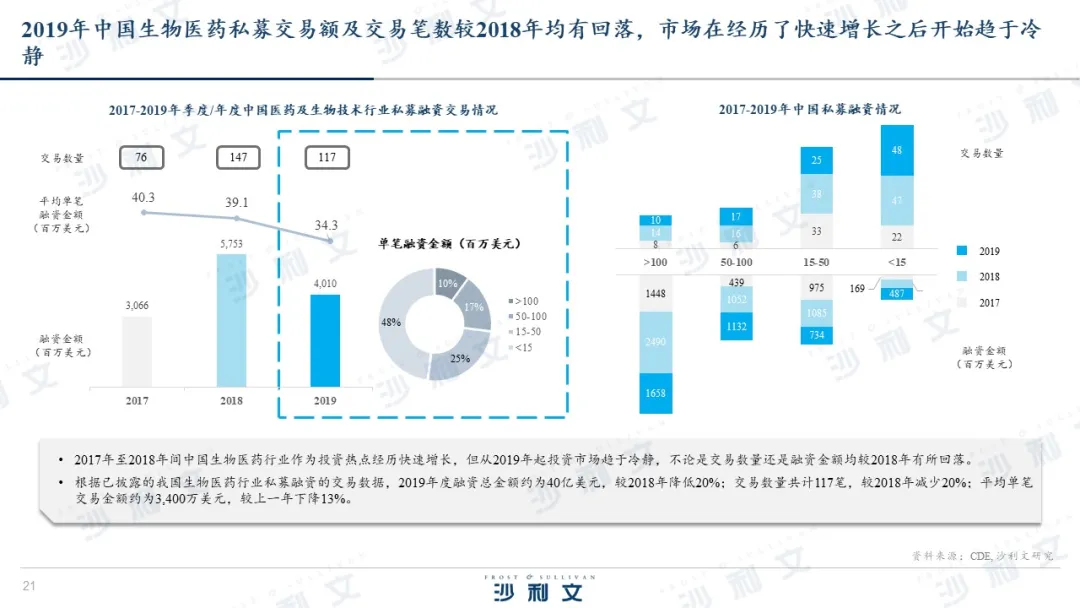
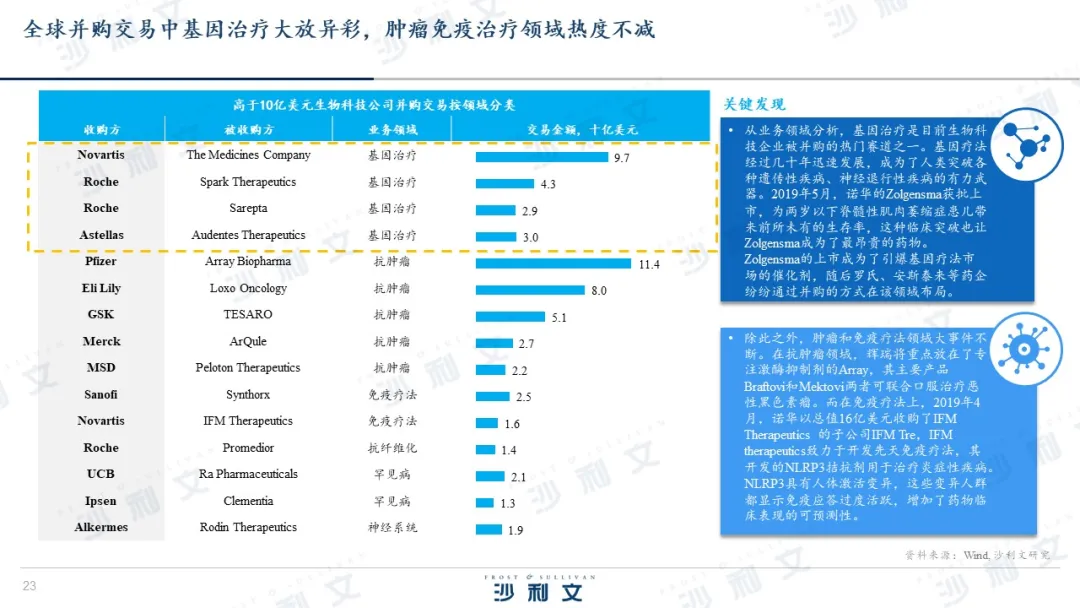
In the past decade, the investment environment for innovative biopharmaceuticals in China has undergone significant changes, and many people are no longer 'turning pale at the mention' of new drug investments. He said: 'Before 2010, when many investors mentioned new drugs, they would say 'new drug investment is a pitfall.' At that time, everyone believed that innovative drug investments had long cycles, high costs, low success rates, and great risks.' However, as regulatory authorities began to carry out bold reforms and align with international standards, such as the gradual introduction of policies to accelerate the review and approval of innovative drugs, and the addition of the National Medical Products Administration to ICH (International Council for Harmonization of Technical Requirements for Human Medicinal Products), it greatly inspired investors' confidence in Chinese innovative drugs.With the inclination of relevant national policies and the continuous improvement of R&D capabilities of local pharmaceutical enterprises, China's biomedical investment environment has been greatly improved.
04
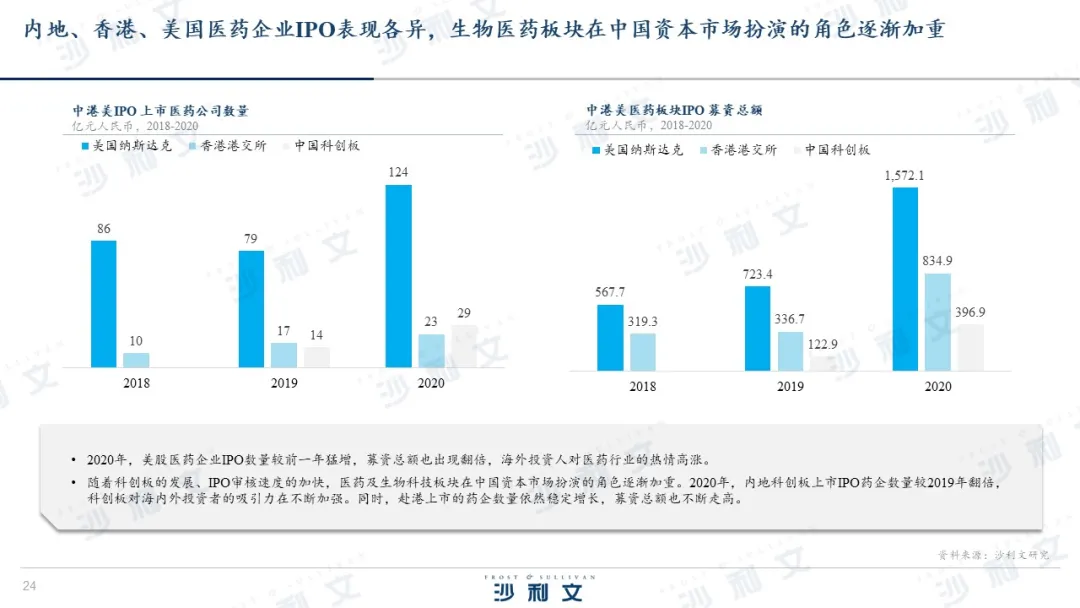
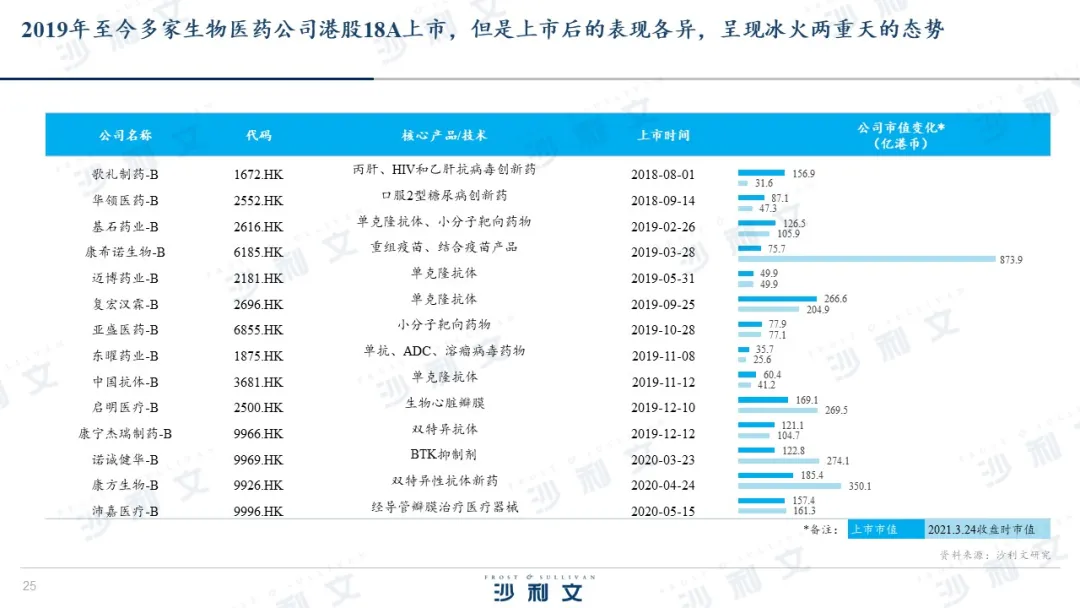
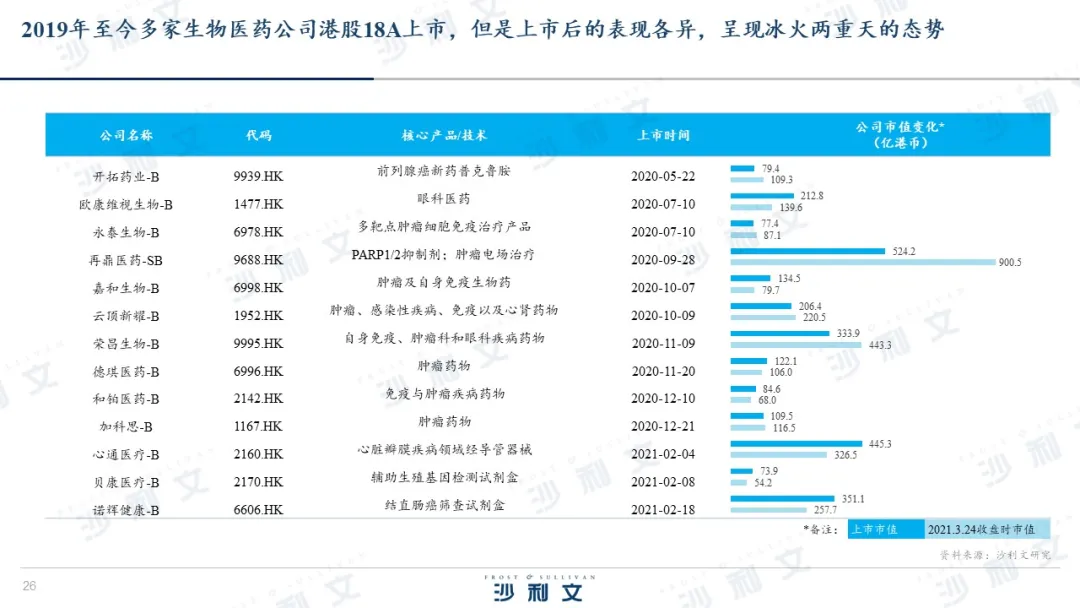
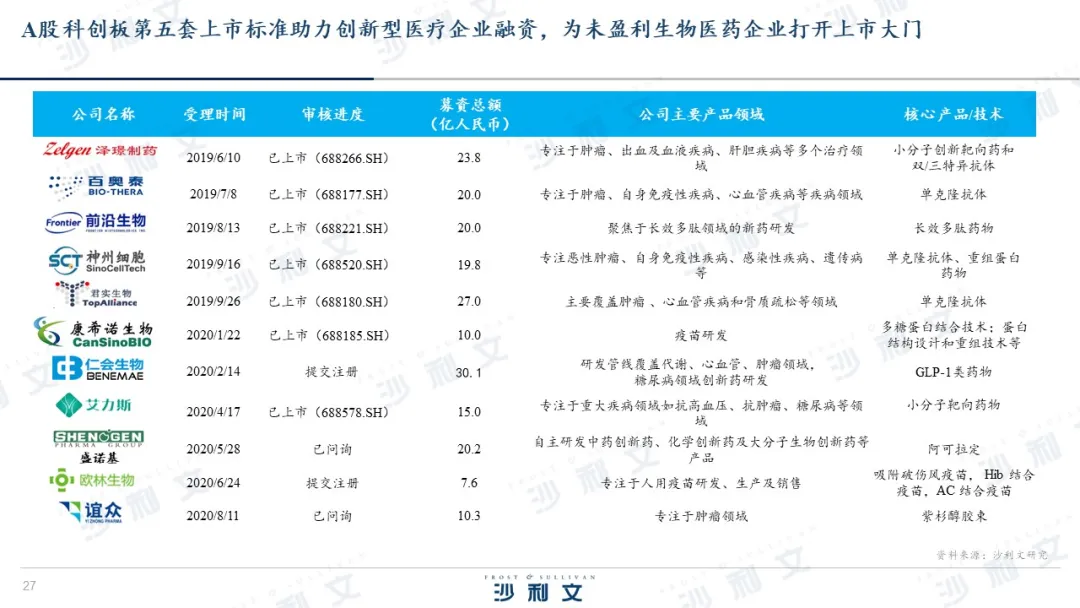
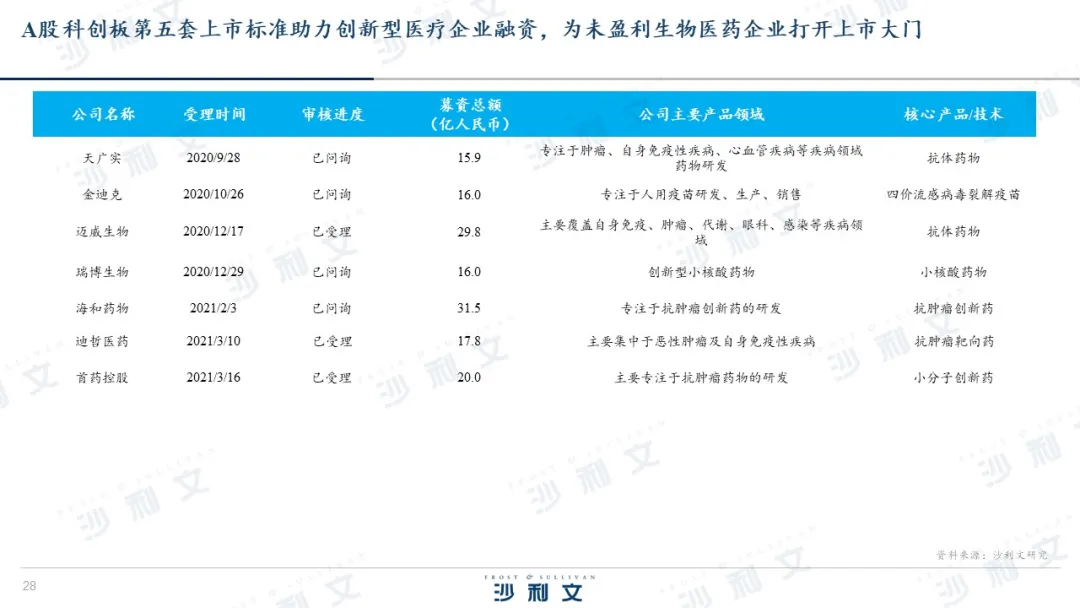
In terms of the performance of the capital market in China's biopharmaceutical sector, IPOs by pharmaceutical companies from the mainland, Hong Kong, and the United States are showing varying results. The role played by the biopharmaceutical sector in China's capital market is gradually increasing. In 2020, the number of IPOs by US pharmaceutical companies soared compared to the previous year, with total fundraising doubling, indicating a high enthusiasm among overseas investors for the pharmaceutical industry. With the development of the Science and Technology Innovation Board (STAR Market) and the acceleration of IPO review speed, the role played by the pharmaceutical and biotechnology sectors in China's capital market is gradually increasing. In 2020, the number of IPO-listed pharmaceutical companies on the mainland STAR Market doubled compared to 2019, and the attractiveness of the STAR Market to domestic and international investors is continuously strengthening. At the same time, the number of pharmaceutical companies listed in Hong Kong remains stable, with total fundraising also rising continuously.After experiencing rapid changes in policies, market, and investment environment over the past few years, China's independent R&D capabilities in the biopharmaceutical industry have rapidly improved, greatly promoting the high-quality development of this sector. He said: 'The next decade will be a golden period for the development of biopharmaceuticals.'
During the same period of this conference, the "2020 China Healthcare Industry Investment and Financing Honor Roll" was released, revealing the selection results for 17 awards including the "2020 Most Promising Investment Institution in Healthcare," the "2020 Best Newcomer Award in the Healthcare Industry," and the "2020 Best Listed Medical Device and Diagnostic Company." Dr. Wang Xin attended the award ceremony on April 7th as an honorary guest and presented trophies to the companies that were awarded the top 10 spots on the "2020 Most Investable Healthcare Enterprise & High-Value Consumables List."
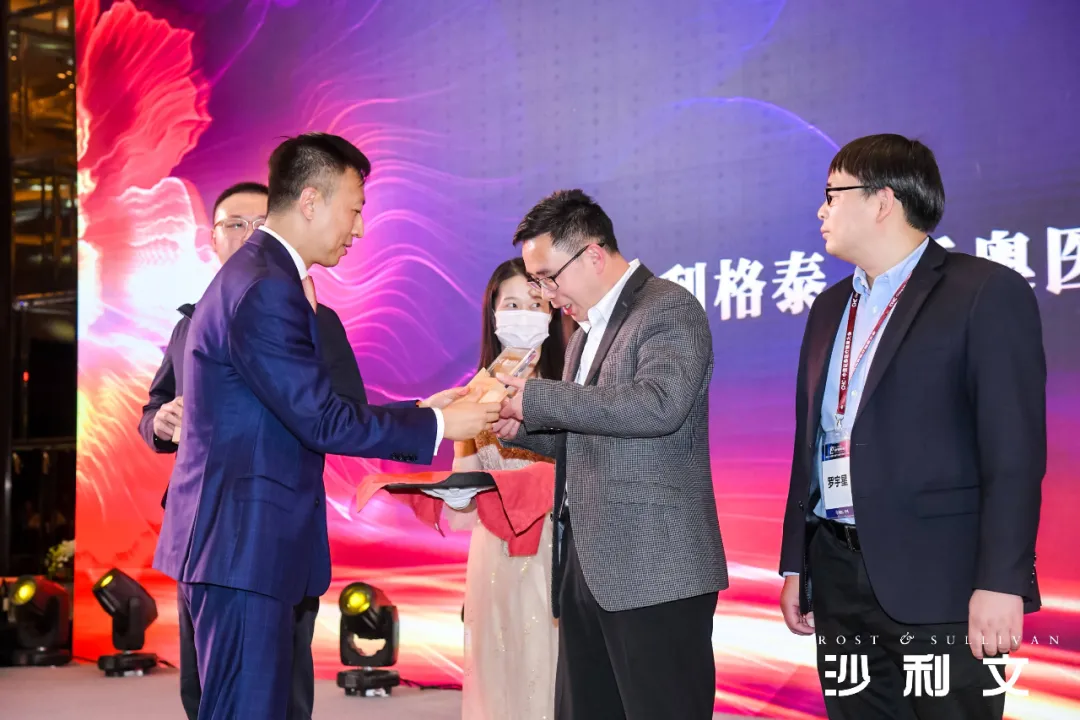
Dr. Wang Xin presented awards to the representatives of the winning enterprises
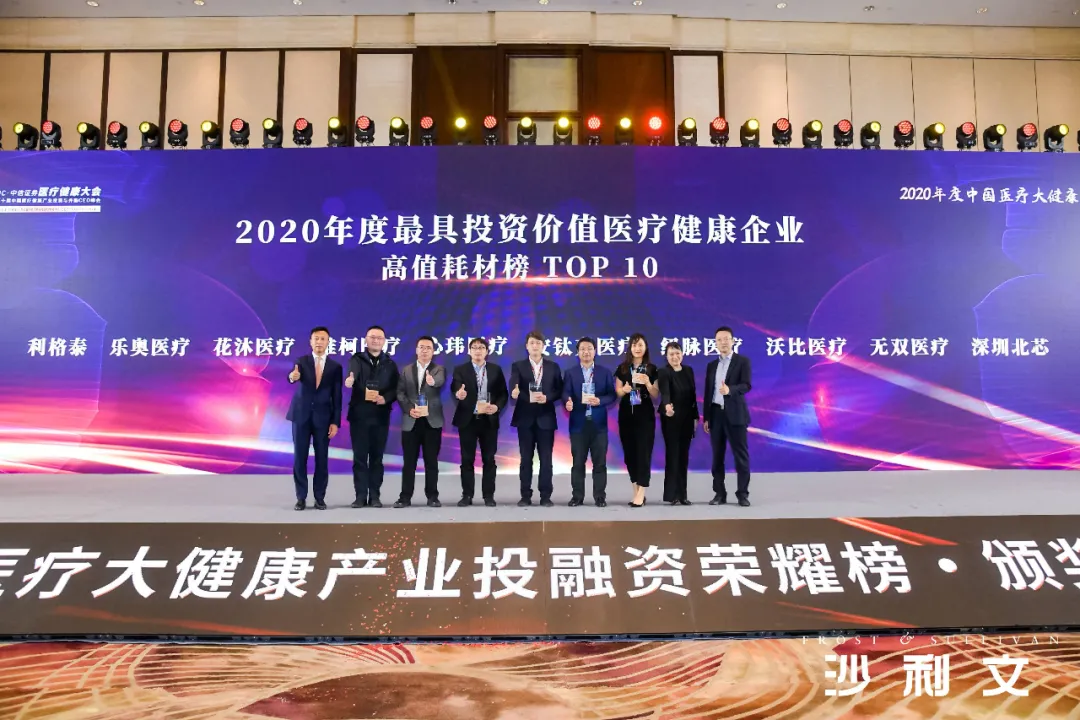
"The Top 10 Most Investment-worthy Healthcare Companies of 2020 — High-Value Consumables List" with the awarding guests