10month19On the same day, Hong Kong Exchanges and Clearing Limited (HKEX), a wholly-owned subsidiary of the Hong Kong Stock Exchange in China, published a consultation paper proposing to expand the existing listing system in Hong Kong by allowing technology-specific companies to list there. The consultation paper solicits public opinions on this matter. The technology-specific industry includes five major sectors: new-generation information technology, advanced hardware, advanced materials, new energy and environmental protection, and new food and agricultural technologies.
Currently, what is the development status of Hong Kong-listed technology-specific companies? Overall, what is the role and significance of these new rules? How do you view the new regulations, including commercial and non-commercial companies? Why were the above five technology sectors chosen? What role has the release of these rules played in attracting Chinese concept stocks? Frost & SullivanFrost & Sullivan,Dr. Wang Xin, Global Partner and President of Greater China at Frost & Sullivan (hereinafter referred to as 'Frost & Sullivan'), was interviewed by Securities Daily to jointly interpret the Hong Kong Stock Exchange18CZhang Consulting Document.

Securities Daily
10month19On the same day, Hong Kong Exchanges and Clearing Limited (HKEX), a wholly-owned subsidiary of the Hong Kong Stock Exchange in China, published a consultation paper proposing to expand the existing listing system in Hong Kong, allowing technology-specific companies to list there. The technology-specific industry includes five major sectors: new-generation information technology, advanced hardware, advanced materials, new energy and environmental protection, new food and agricultural technologies, etc.
"Connecting capital with opportunities is the core strategy of the Hong Kong Stock Exchange. For this reason, we are committed to further enhancing Hong Kong's status as the preferred listing destination for global innovation companies." said Kevin Lau, Chief Executive Officer of the Hong Kong Stock Exchange Group. The new proposal will increase the variety of listed companies in Hong Kong, allowing more different types of companies to enter this international market with depth and liquidity, while also bringing more choices to investors.
According to the consultation document, Tencent Smart Enterprise will be divided into two major categories: commercialized companies and uncommercialized companies. Among them, uncommercialized companies are subject to higher risks and stricter regulations.
In terms of listing qualifications, it mainly stipulates five aspects: the threshold for commercial revenue, the expected minimum market value at listing, R&D, minimum third-party investment, and the commercialization path.
"
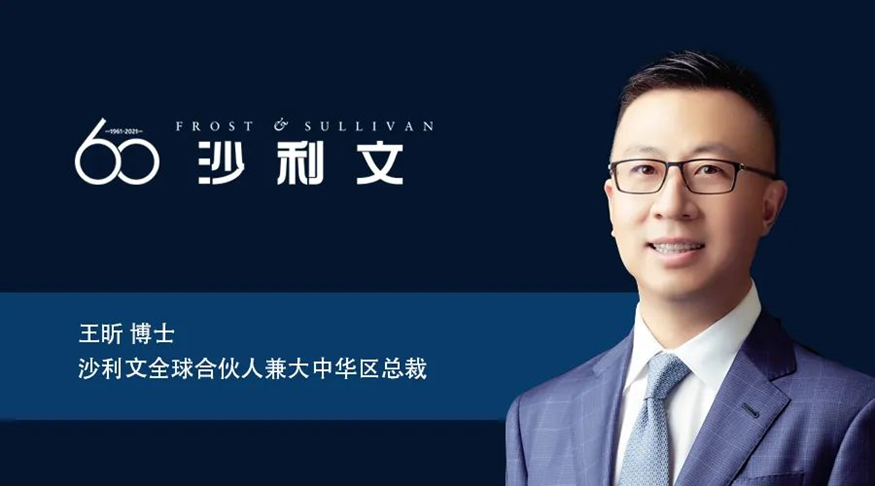
"The consulting document takes into account the unique role that technology plays in a company's business. Compared to the industries of other listed applicants, the development of the technology-specific industry is still in its infancy. The introduction of this regulation has significantly reduced the threshold for technology-specific companies listing in Hong Kong," said Wang Xin, Global Partner and President of Frost & Sullivan Greater China at a press conference with Securities Daily reporters.
Specifically, the threshold for commercial revenue is that the revenue generated from the company's special technology business in the most recent audited fiscal year is at least2.5HK$10 billion. A technology company that can reach the recommended commercialization revenue threshold upon listing is considered a commercially developed company, while those that do not are uncommercialized companies; the expected minimum market value at listing is80HK$10 billion (commercialized companies) or150HK$100 million (uncommercialized companies); in terms of research and development, all applicants must have been engaged in R&D for at least three fiscal years before listing, and the amount of R&D investment must account for at least15%(commercialized companies) or50%(Non-commercial companies): In terms of minimum third-party investment, listed applicants must obtain a significant amount of investment from senior independent investors; in terms of commercialization path, non-commercial companies must demonstrate and disclose in their listing documents a credible pathway that can reach the threshold for commercial profitability.
"
Wang Xin stated that the regulations this time classify technology-specific companies into 'commercialized companies' and 'uncommercialized companies'. Especially for 'uncommercialized companies', more emphasis is placed on their initial operational and financial risks, as well as information disclosure during the listing process.
"From the perspective of entry barriers, more emphasis is placed on R&D investment. Setting separate input ratio requirements for commercialized and non-commercialized companies is quite scientific and reasonable. This will also attract large technology companies in the special technology industry to list in Hong Kong," said Zheng Lei, chief economist of Samoy Cloud Technology Group, to the Securities Daily reporter.
"
Wang Xin believes that the special listing system established for consultation documents this time is aimed at promoting and facilitating more technology-specific companies to enter the Hong Kong market. It is conducive to expanding investment opportunities in the Hong Kong market, enriching the types of listed companies in Hong Kong, making the Hong Kong stock market more diversified, and further enhancing the competitiveness of the Hong Kong capital market.
"Overall, the new regulations have increased the attractiveness to emerging technology companies, which will promote the clustering of global technology enterprises and further consolidate Hong Kong's status as an international financial center," said Zheng Lei.
"The new regulations specify the listing conditions for technology-specific companies, providing clear expectations for eligible tech startups, facilitating financing for related enterprises, and helping to promote industry development and the aggregation of capital in the technology sector. The five major technology industries are in an early stage of development, with many being unicorn companies. They have clear business models, obvious technological advantages, broad development prospects, and represent the direction of emerging industries," said Fu Rao, Executive Director of the Hong Kong International New Economy Research Institute, to a reporter from Securities Daily.
*This article is reprinted from 'Securities Daily', with reporter Xing Meng. , Original title: The Hong Kong Stock Exchange plans to allow technology-specific enterprises to go public The competitiveness of the Hong Kong stock market is expected to further improve. ">
Frost & Sullivan Insight & Extended Readings
Reporter from Securities Daily: Currently, what is the development status of Hong Kong-listed technology-specific companies? Overall, what role and significance do these rules play?
Dr. Wang Xin: at2018After the Hong Kong Stock Exchange announced the introduction of the 'same-stock different rights mechanism and listing for biotech companies', Chinese mainland tech giants such as Xiaomi and Meituan have chosen to list in Hong Kong. Currently, the speciality technology companies listed on the Hong Kong stock market are developing well. Relying on Hong Kong's status as an international financial center and its interconnected connectivity with the mainland, it has attracted numerous investment institutions from both international and mainland sources.
This is following2018Annual Main Board Listing Rules of the Hong Kong Stock Exchange18AZhang: 'Allow biotech companies to go public',18BAfter the 'Special Purpose Acquisition Companies' (SPACs), the Hong Kong Stock Exchange has once again established a special listing system aimed at promoting and facilitating more technology-specific companies to enter the Hong Kong capital market. This 'Consultation Paper' expands investment opportunities in the Hong Kong market, enriches the types of listed companies in Hong Kong, makes the Hong Kong stock market more diversified, and further enhances the competitiveness of the Hong Kong capital market.
Securities Daily Reporter: How do you view the regulation that includes commercial and non-commercial companies?
Dr. Wang Xin: The Hong Kong Stock Exchange has taken into account the unique role that technology plays in a company's business, as well as the fact that the development of the industry for tech-specific companies is still in its infancy compared to other industries where listed applicants are based. The introduction of this regulation significantly reduces the threshold for tech-specific companies seeking to go public in Hong Kong.
However, this regulation classifies special purpose technology companies into 'commercialized companies' and 'uncommercialized companies' for separate management. Especially for 'uncommercialized companies', the Hong Kong Stock Exchange will pay more attention to their initial operational and financial risks. Therefore, for 'uncommercialized companies', the Hong Kong Stock Exchange will place greater emphasis on information disclosure during the listing process.
Considering the investment risks of 'uncommercialized companies', this 'Consultation Document' emphasizes that listed applicants need to disclose additional content on product research and development, product development details, commercialization risks, etc., based on industry information, R&D, intellectual property, pre-public offering investments and cash flows, current product and commercialization status, risk warning statements.
Securities Daily Reporter: Why were the above five technology industries chosen? What role has the release of these rules played in attracting Chinese concept stocks?
Dr. Wang Xin: The industries included in Hong Kong's special technology companies are those that currently enjoy high capital interest and have great potential for development in the future. For example, the new generation information technology industry encompasses cloud services and artificial intelligence; the advanced hardware industry includes robotics, semiconductors, and autonomous vehicles; and the new energy and environmental protection industry covers areas such as energy production and new green technologies. These fields are inBoth globally and in China, it is supported by policies and is also a key area for the development of various countries in the future.
The Hong Kong Stock Exchange has demonstrated its welcome attitude towards emerging industries and cutting-edge technologies this time, and will update the list of acceptable sectors for technology-specific industries as needed. The release of these rules provides more options for Chinese mainland technology companies regarding their listing path.