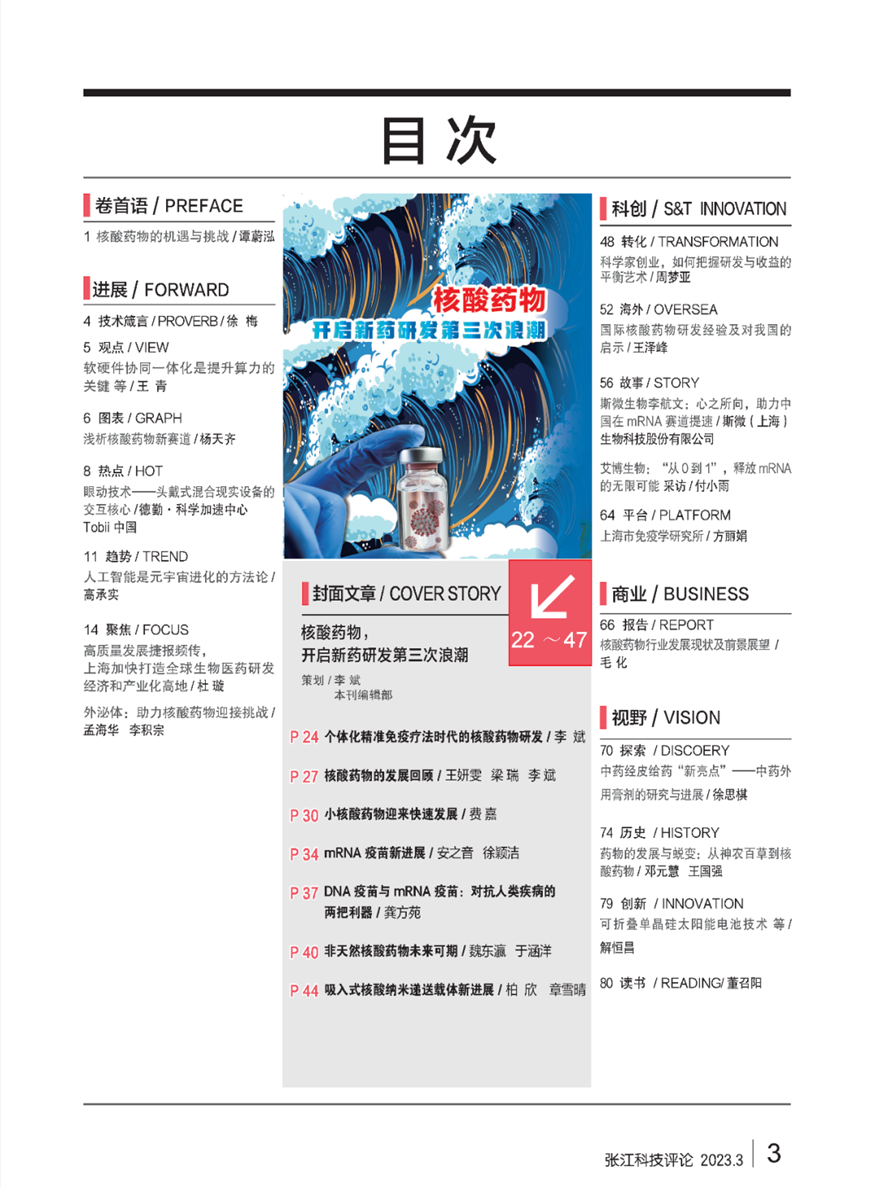
Nucleic acid drugs are widely used in the treatment of genetic diseases, tumors, viral infections, and other diseases, and are expected to become the third major class of drugs following small molecule drugs and antibody drugs. Frost & SullivanFrost & SullivanThe Life Sciences division of Frost & Sullivan (hereinafter referred to as 'Frost & Sullivan') has long been focusing on the field of nucleic acid drugs. Mao Hua, Partner and Managing Director of Frost & Sullivan Greater China, authored 'The Current Development Status and Prospects of the Nucleic Acid Drug Industry', which was published in 'Zhangjiang Science & Technology Review'.

Zhangjiang Technology Review

The development of nucleic acid drugs can be traced back to20century50Over the past few decades, the entire field has weathered storms and faced arduous development steps.2006The 2018 Nobel Prize in Physiology or Medicine went to small interfering RNAssmall interfering RNA molecule,siRNA),2018The world's firstsiRNAThe drug has been approved for marketing.2020The first messenger at the end of the yearRNA(Messenger RNA,mRNAThe approval and launch of the vaccine have provided the most important weapon for COVID-19 prevention and control over the past two years, allowing the world to see the tremendous potential of nucleic acid drugs.
Nucleic acid drugs are a type of therapy that regulates gene expression after transcription and before protein translation, acting upstream of protein synthesis. They can be mainly divided into small nucleic acid drugs andmRNAThere are two main categories. Compared to traditional small molecule drugs and antibody drugs, nucleic acid drugs have advantages such as simple design, short development cycle, strong targeting specificity, a wide range of therapeutic fields, and long-lasting effects. Currently, they are widely used in the treatment of genetic diseases, tumors, viral infections, and other diseases, and are expected to become the third major class of drugs after small molecule drugs and antibody drugs.
01
Big-shot Nucleic Acid Drug Products
The listing has set off a wave of R&D
"
Technological progress brings2016Post-New Year surge in nucleic acid drug approvals
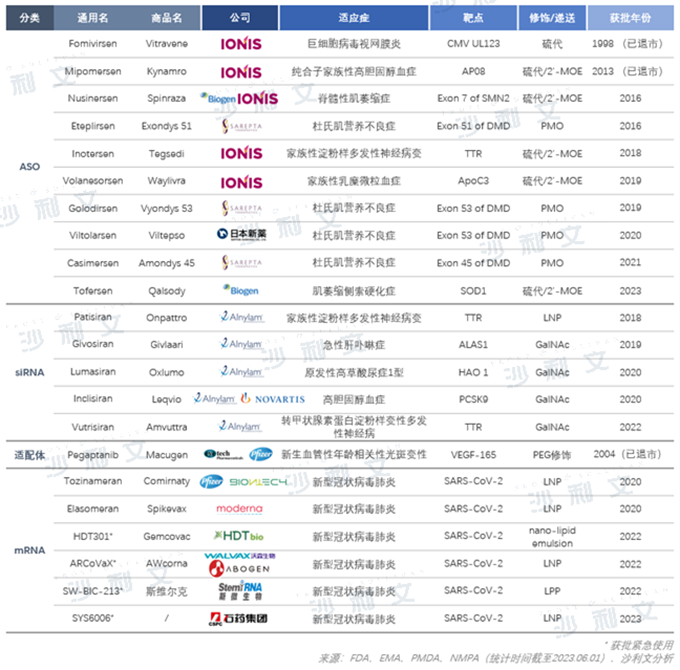
In recent years, with the advancement of related research and technology, nucleic acid drugs have seen rapid development, and the number of nucleic acid drugs launched globally has been increasing year by year, especially2020In [year], the approved quantity reached5amount. As of now, there has been22A nucleic acid drug has been approved for marketing (see Table1), including16small nucleic acid drugs, including10Antisense oligonucleotideantisense oligonucleotide,ASOmedications,5modelsiRNAMedications and1A nucleic acid aptamer, and6modelmRNAVaccines. Genetic diseases are currently the most approved indication category, among the marketed nucleic acid drugs12A program targeting genetic diseases,6The model is targeted at infectious diseases,2For ophthalmic diseases,1Atrial fibrillation, cardiovascular disease1A drug for metabolic diseases.
Global marketed nucleic acid drugs
"
Global clinical research and development of small nucleic acid drugs are in full swing, and China is expected to witness rapid development.
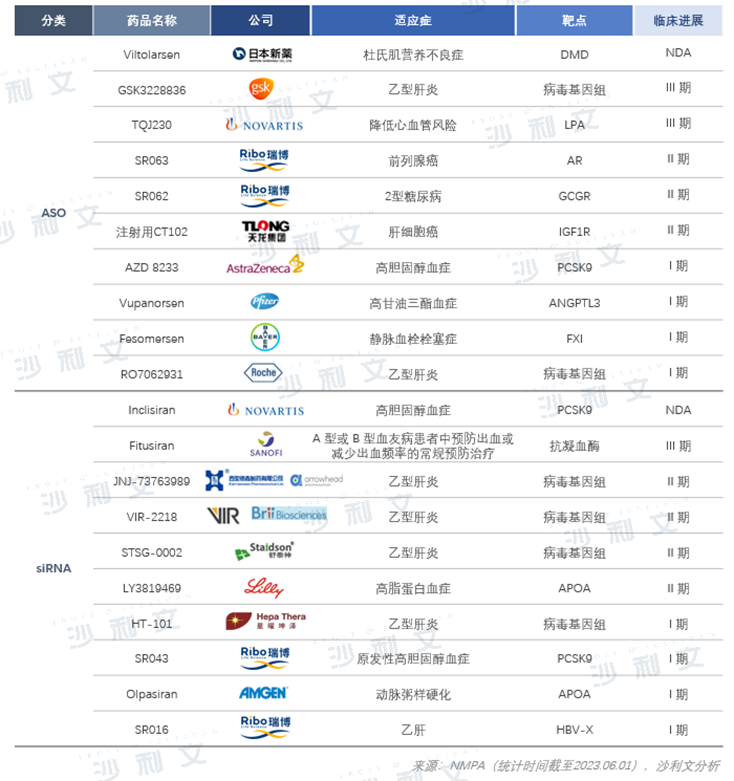
According to Frost & Sullivan analysis, there are nearly195one, of which is approximately11%Phase III clinical trials have been initiated, with most focusing on Phase I and Phase II studies. In terms of drug types,ASOandsiRNAIt is the small nucleic acid drug with the largest number of clinical research and development projects currently. In terms of indication distribution, tumors and genetic diseases account for the largest proportion in the clinical pipeline. Most of these genetic diseases are rare conditions, such as hereditary angioedema, Huntington's disease, congenital hyperparathyroidism, etc.
At present, there are20The research and development of small nucleic acid drugs has entered the clinical research phase, but most of these drugs are from foreign companies. Although the domestic small nucleic acid drug industry is still in its early stages of development, due to the large base of the patient population and significant market development potential, in the future, as the R&D capabilities of domestic small nucleic acid drug development enterprises improve, it is expected to gradually enter a stage of differentiated and breakthrough innovation, and the market for small nucleic acid drugs in China is expected to experience rapid development.
Clinical research pipeline of small nucleic acid drugs in China
"
globalmRNADrug clinical research and development are currently mainly in the vaccine field, with significant room for indication expansion in China.
Currently under developmentmRNADrugs can be mainly divided into three categories based on their use and type: preventive vaccines, therapeutic vaccines, and therapeutic drugs. According to Frost & Sullivan's analysis, globallymRNATotal number of drugs entering clinical pipelines132One, R&D is mainly concentrated in the vaccine field. In additionmRNAIn addition to the emergency launch of COVID-19 vaccines, most others are still in the early stages.mRNAIts application scope is extremely wide, and currentlymRNAMainly applied to3Major directions: immunotherapy, protein replacement therapy, and regenerative medicine therapies. Among them, tumor immunotherapy and the application of infectious vaccines in immunotherapy are the most numerous and mature areas, with ongoing research.mRNAThe pipeline mainly targets infectious diseases, tumor diseases, and rare genetic disorders.
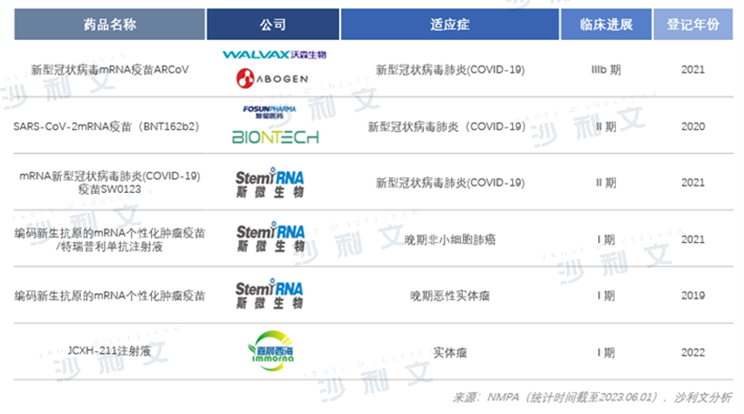
After the outbreak of the COVID-19 pandemic, listed pharmaceutical companies in China have gone through amRNAThe company is in the midst of a boom in vaccine co-development. In terms of COVID-19 vaccines, both Phase II and Phase III clinical trials are currently underway domestically; most other indication areas are in the early clinical stages. Currently, domesticallymRNAThe research areas are distributed across fields such as COVID-19 vaccines and oncology drugs. However, compared to the global level, domesticallymRNAThere is significant room for expanding future indications of drugs.
chinamRNADrug clinical research pipeline
02
The market scale of nucleic acid drugs is growing rapidly.
There is considerable room for future growth
"
The market scale of small nucleic acid drugs has been2016It has been climbing continuously since [start year], and will continue to grow in the future
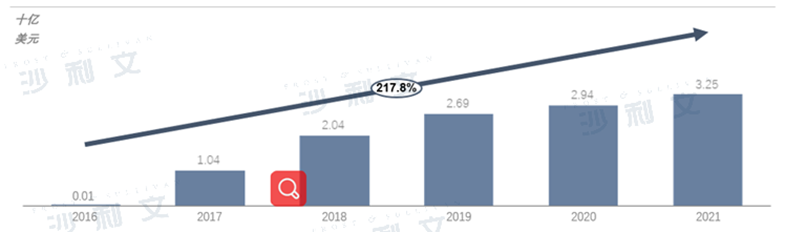
2016Two per yearASOThe launch of the drug has broken the silence in the nucleic acid drug market that had lasted for many years. The global market size of small nucleic acid drugs has grown from2016year0.1USD billion growth to2021year32.5billions, with an annual compound growth rate as high as217.8%In the future, the continuous launch of clinical-stage small nucleic acid drugs, especially those for indications targeting larger patient populations, such as potential curative drugs for hepatitis B, will further drive rapid market development.
Global market scale of small nucleic acid drugs
"
Driven by the COVID-19 pandemicmRNADrug sales, with development still promising after the pandemic
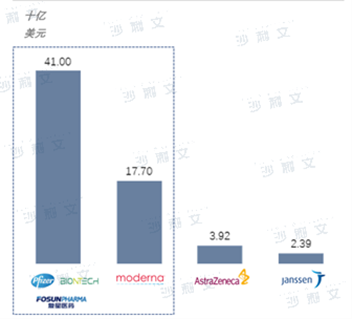
2020The year ismRNAA breakthrough year, led by PfizerPfizer) andBioNTechModernaModerna) Two products developed by the company respectivelymRNAThe COVID-19 vaccine has been granted emergency use authorization.2021years, twomRNAGlobal sales revenue from COVID-19 vaccines reached587Billion dollars, far exceeding the sales of other COVID-19 vaccines.
Global on the marketCOVID-19 pandemicVaccine revenue2021(year)
Expected future15In [year], preventive vaccines will mainly account formRNAProduct market. In the short term, the preventive vaccine market mainly stems from COVID-19 products; in the medium to long term, leveragingmRNAVaccines have advantages in target number, efficacy, safety, and production technology. The preventive vaccine market will expand to include the prevention of more infectious diseases, such as influenza virus vaccines, influenza respiratory syncytial virus vaccines, malaria vaccines, and other areas. In addition to preventive vaccines, immunotherapy for tumor treatment is also a currentmRNAResearch hotspots in technology. In the field of tumor treatment, there are a large number of patients and unmet clinical needs, which will continue to drive the market scale of therapeutic vaccines for tumors upwards in the future.
03
The R&D challenges of nucleic acid drugs remain,
Breakthroughs in key technologies drive development
"
Breakthroughs in core technologies drive the development of small nucleic acid drugs
Small nucleic acid drugs are unstable, have large molecular structures, carry a negative charge, are easily degraded by nucleases, and are difficult to penetrate cell membranes.2009till2013The year hit a low due to security issues and delivery system problems.
Different issues in the R&D process of small nucleic acid drugs require corresponding technologies to solve. According to the sequence of the small nucleic acid drug R&D process, core technologies are divided intoRNADesign, chemical modification, delivery, synthesis, and formulation technologies. The most critical core technology is the delivery technology of small nucleic acid drugs. With the technological breakthroughs in key delivery systems, the small nucleic acid drug industry has witnessed vigorous development.
"
Promoted by Key Technology InnovationmRNADrug development
mRNAThe drug targets are rich, not limited by the medicineability of target proteins, intracellular/external constraints.mRNAThe sequence design is simple, utilizing the patient's own cells to produce molecules, bypassing the challenges of chemical synthesis, and the molecules produced by self-induction have stronger pharmacological effects.mRNAThe production platform has strong scalability and replicability, making it suitable for large-scale production. However,mRNAThe pain points that technology still needs to solve include its immunogenicity, the efficiency of protein expression within the body, and ultimately large-scale production. Therefore, innovation in key R&D technologies such as sequence design, lipid nanoparticles (lipid nanoparticle,LNPThe synthesis design of delivery systems and the optimization of production processes can promotemRNAThe development of drugs.
"
Innovation in key technologies such as delivery systems drives industry development
Delivery system technology is key to ensuring the effectiveness and safety of nucleic acid drugs, and its role in protectingRNAStructuring, enhancing targeting capabilities, reducing dosages, and minimizing adverse reactions all play important roles. In pipelines entering clinical stages,N-AcetylgalactosamineGalNAcThe conjugated delivery system, with its excellent targeting performance for the liver, occupies a dominant position in small nucleic acid drugs.LNPthenmRNAThe most common delivery system in drugs.
Lipid nanoparticles are virtually non-toxic to most cells, but they can still cause adverse reactions in the liver under certain circumstances. Future delivery systems need further optimization. Innovative breakthroughs in delivery technology help promote the development of nucleic acid drug administration routes. Continuous research and development of nucleic acid drug delivery platforms, including conjugated delivery systems,siRNA/The different combinations of chemical drug conjugates, peptide ligands for tumor targeting, highly optimized combinations of nanoparticle carrier systems, and the use of respiratory delivery for disease treatment will drive the common development of delivery technologies and various routes of administration, including subcutaneous injection, intravenous injection, nebulization inhalation, intratumoral injection, etc.
04
The nucleic acid drug industry has a promising future
In the historical process of combating diseases, traditional drugs have used proteins as drug targets. However, many 'pathogenic proteins' in the human body are unattainable therapeutic targets, and many diseases lack effective treatment methods. To solve this problem, people have developed nucleic acid drugs along the central dogma, utilizing the translation or regulatory functions of nucleic acid molecules to address the unmet clinical needs brought about by 'unattainable' targets. In recent years, several blockbuster nucleic acid drugs have been introduced, demonstrating unprecedented application value in the treatment of metabolic diseases and the prevention of infectious diseases. The COVID-19 pandemic has attracted widespread public attention to nucleic acid drugs and led to rapid development, gradually becoming a focus of biopharmaceutical investment and a hot topic in pharmaceutical company research and development.
In recent years, small nucleic acid (SNNA) drugs have become a focus of research in the biomedical field due to their strong specificity, simple design, short development cycle, rich targets, and solid translational foundation. Several SNNA drugs have achieved commercial development, and the market for SNNA drugs still has good prospects in the future. It is worth noting that with the unique mechanism of action of SNNA, they have greater development potential and clinical value in many indications. Clinical trials for major diseases such as cancer, diabetes, and hepatitis B are not lacking in the pipeline, which will greatly compensate for the current weakness of commercial blockbuster drugs and support the future development of the SNNA drug market.
Currently,mRNATechnology stands out in the application of preventive vaccines, with rapid development speed and significant advantages in responding to sudden epidemiological crises. At the same time, the production capacity ramp-up is extremely fast, with batch output reaching hundreds of millions of doses. Compared to traditional vaccines,mRNAVaccines possess excellent immune activation capabilities. By endogenously expressing antigen proteins, they can induce more extensive and effective cellular and humoral immune responses, resulting in higher protection rates. Hundreds of millions of dosesmRNAThe vaccination against COVID-19 has provenmRNAThe security and effectiveness of technology.mRNAThe technological advantage is evident, making it an important choice for the development of new vaccines. It is also expected to expand into broader therapeutic fields such as tumor treatment and regenerative medicine.
In recent years, withmRNAThe continuous maturation of in vitro synthesis and delivery technologies,mRNAThe stability and translation efficiency of drugs have been significantly improved.mRNATechnology has developed rapidly. Meanwhile, driven by the emergence of a large number of biotech companies and the capital market investment boom, the futuremRNAThe pharmaceutical market will see rapid development.
*This article is published in 'Zhangjiang Science and Technology Review'. Author: Mao Hua Original title: Current Development Status and Prospect of the Nucleic Acid Drug Industry >> .
2023Frost & Sullivan's New Investment Conference

PHDI 2023