 2023The First Yangtze River Delta Biopharmaceutical Industry Conference
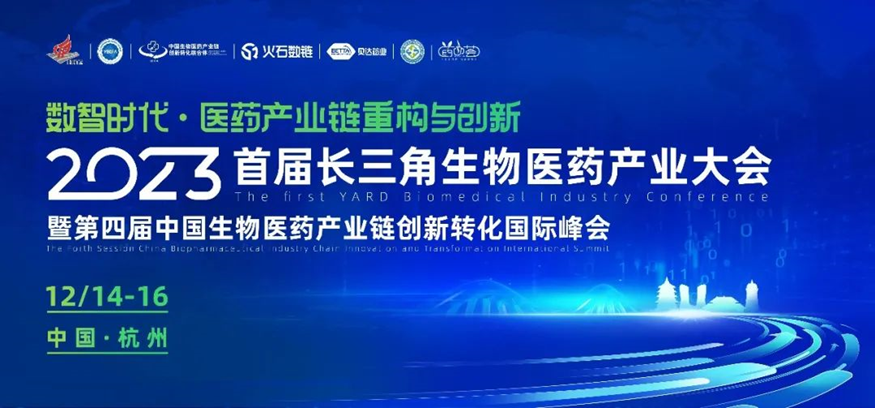
The 'Yangtze River Delta Biopharmaceutical Industry Conference', guided by the China Industry-University-Research Cooperation Promotion Association, Yangtze River Delta Entrepreneurs Alliance, Zhejiang Federation of Industry and Commerce, Shanghai Biomedical Science and Technology Development Center, and hosted by the People's Government of Binjiang District, Hangzhou City, Yangtze River Delta Data-Driven Innovation Biopharmaceutical Industry Chain Alliance, and China Biopharmaceutical Industry Chain Innovation Transformation Consortium, and undertaken by Huoshishi Digital Chain, BETA Pharmaceuticals, Nanjing Biomedical Industry Innovation Transformation Center, and Yaokahui, was held on2023year12month14 - 16The event was held at the Hangzhou Baosheng Water Expo Park Hotel on the day of the 1st.
The theme of this conference is "The Digital and Intelligent Era The event, themed "Reconstruction and Innovation of the Pharmaceutical Industry Chain", invited authoritative academicians and experts, including100+Keynote speakers, segmentation9Keynote speech at the Dafeng Forum, covering international multi-center clinical trialsBDSea-based businesses, digital transformation of enterprises, gene and cell therapy, antibody drugs, small molecule drugs, medical devices, and industry-university-research transformation projects for roadshows, attracting1000+Industry audiences are invited to sign up and participate in an interactive platform for collaborative communication among pharmaceutical and medical device enterprises in the Yangtze River Delta and across the country. Together, we will discuss the new future of the biopharmaceutical industry in the digital age.
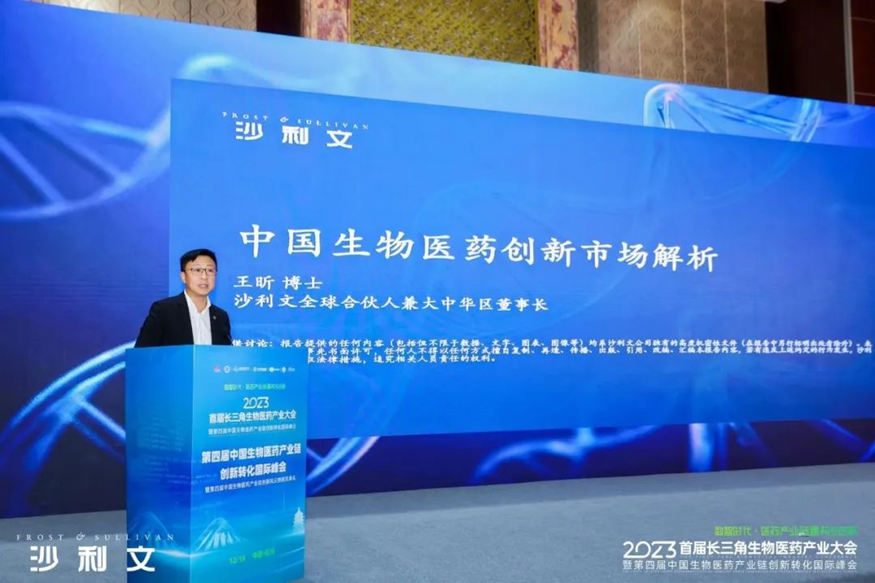
Frost & SullivanFrost & SullivanDr. Wang Xin, Global Partner and Chairman of Frost & Sullivan's Greater China Region, was invited to attend the conference.14On the same day, the China Biomedical Industry Chain Innovation and Transformation ConsortiumCBIITAAt the Executive Director (Expanded) Meeting, Dr. Wang Xin was appointed asCBIITAExecutive Director, Academician of the Chinese Academy of Sciences, Deputy Chief Designer of National Major New Drug Creation Technologies, former President of the Shanghai Association for Science and Technology, and Co-founder of the China Biomedical Industry Chain Innovation and Transformation ConsortiumCBIITAChairman of the Consortium, Editor-in-Chief of Advances in Pharmacy, Yangtze River Delta Data-Driven Innovation Biopharmaceutical Industry Chain AllianceYBDIAChen Kaixian, honorary chairman of the board, presented the letter of appointment to Dr. Wang Xin.
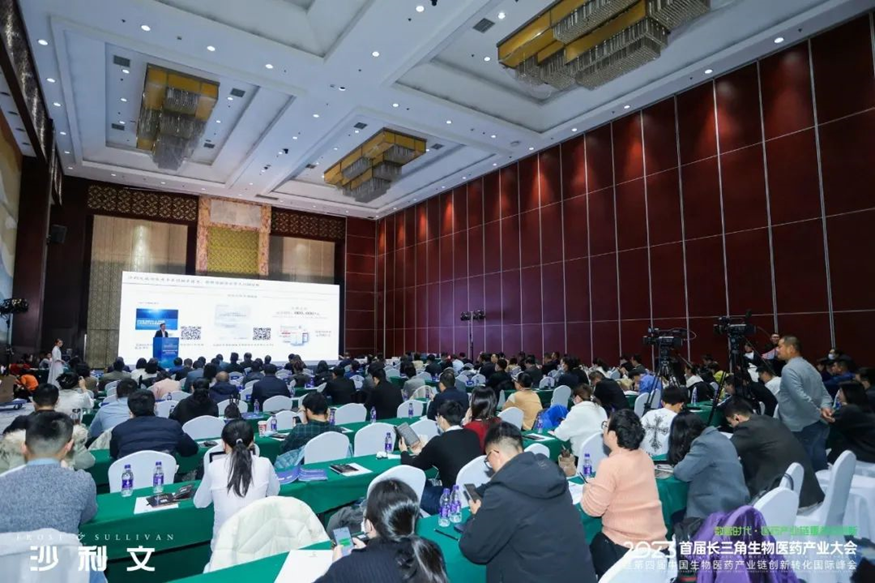
15On the same day, Dr. Wang Xin delivered a keynote speech titled 'Analysis of China's Biomedical Innovation Market' at the 4th China International Summit on Innovation and Transformation of the Biopharmaceutical Industry Chain. He joined hands with the conference chair, Academician Chen Kaixian of the Chinese Academy of Sciences, and Fu Daxu, President and Deputy Secretary of the Party Committee of Shanghai Institute of Biomedical Technology and other heavyweight participants to explore the development path of China's characteristic biomedical innovation market.

Global Partner and Chairman of Frost & Sullivan Greater China Region Dr. Wang Xin
Dr. Wang Xin first introduced in detail Analyze the current market situation of innovative drugs and related tracks.
According to its introduction, the life cycle of the pharmaceutical market can be divided into the startup phase, rapid development phase, maturity phase, and decline phase. Currently, constrained by the rapid development of generic drugs, centralized procurement, and medical insurance, generic drugs have entered a decline phase, with stable market demand and a relatively fixed competitive landscape; monoclonal antibodies, small molecule targeted drugs, and traditional biological macromolecular drugs are in the maturity phase, with fierce market price competition and the emergence of centralized procurement varieties, but product homogenization is severe; while bispecific antibodies,ADCAs antibody drugs enter a period of rapid development and blockbuster products begin to emerge, the number of competitors in the Chinese market will also increase, leading to fierce competition on the track. The R&D technologies for innovative therapies such as cell therapy, gene therapy, and nucleic acid drugs have high technical barriers, and the uncertainty of drug development is relatively high. The market is still in its early stages and has great potential for development in the future.

Looking at major economies, the US holds a leading position in the global pharmaceutical market, followed by China in second place. It is expected that by2030In [year], the US pharmaceutical market size will reach8,158US$10 billion, and the scale of China's pharmaceutical market will reach26,245Yi billion yuan. However, China's per capita drug consumption is still relatively low, leaving huge room for growth.2022In [year], China's per capita medical expenditure was163.6US dollar, per capita medical expenditure in the United States1,745.3The US dollar, of course, is China's10.7times.

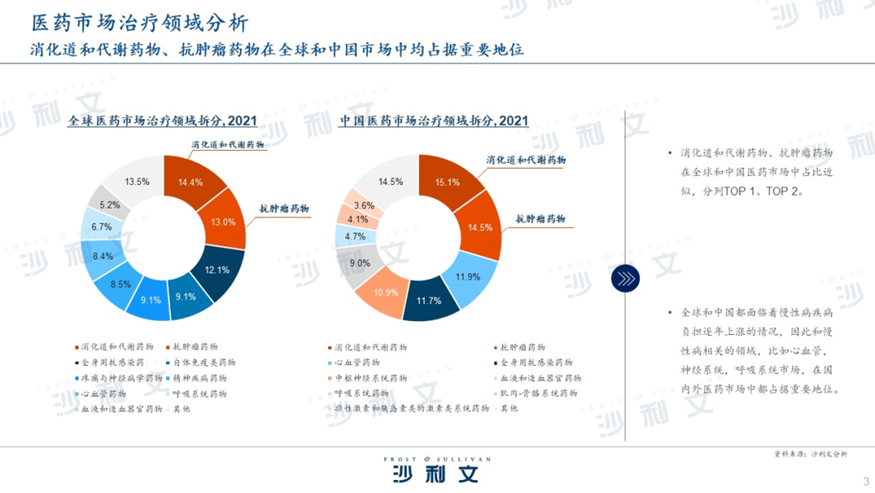
Looking at the therapeutic areas in the global and Chinese pharmaceutical markets, digestive and metabolic drugs, as well as anti-tumor drugs, occupy an important position in both markets, with similar market shares.Top 1,Top 2In recent years, both globally and in China, the burden of chronic diseases has been increasing year by year. Therefore, sectors related to chronic diseases, such as cardiovascular, neurological, and respiratory markets, also occupy an important position in the domestic and international pharmaceutical markets.
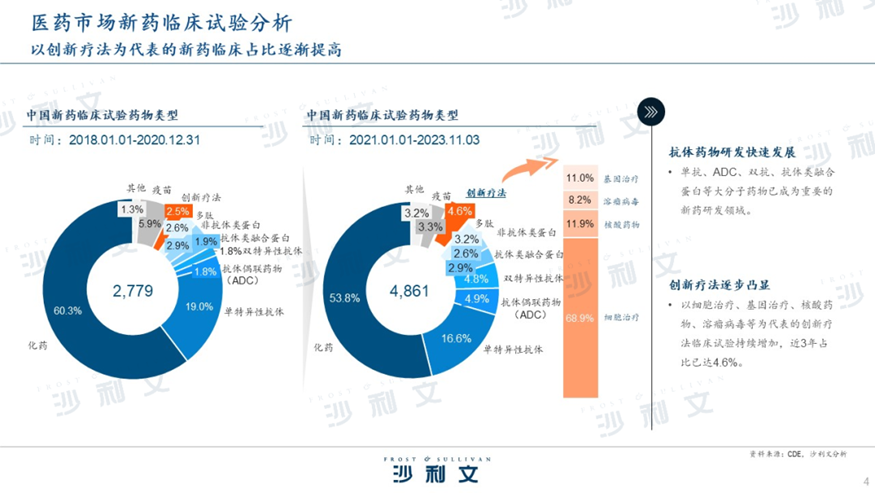
From the changes in China's new drug clinical trial data, it can be seen that compared with2018Year-end2020Drug types for new drug clinical trials in China in the past three years, monoclonal antibodiesADCLarge molecule drugs such as bispecific antibodies, antibody fusion proteins, etc., have become an important area in new drug research and development. Clinical trials of innovative therapies represented by cell therapy, gene therapy, nucleic acid drugs, and oncolytic viruses continue to increase, recently3The annual proportion has reached4.6%.
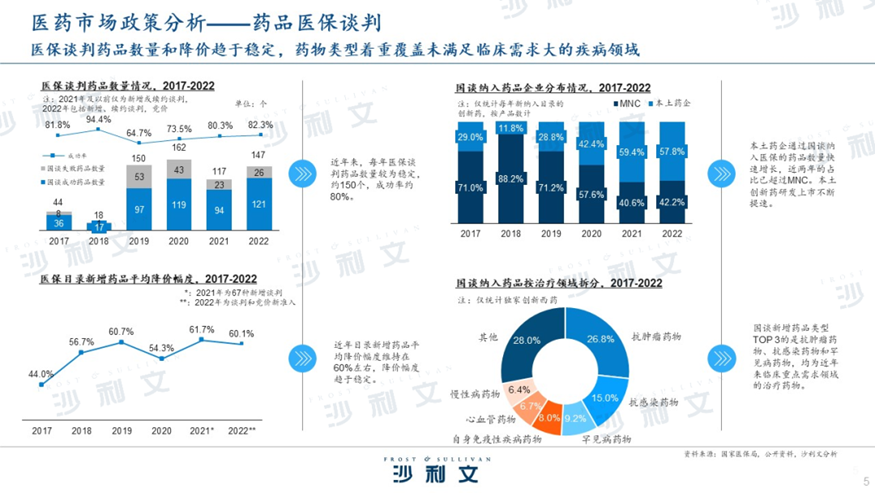
Judging from the situation of drug medical insurance negotiations, in recent years, the number of drugs negotiated for medical insurance each year has been relatively stable, about150one, with a success rate of about80%; In recent years, the average price reduction rate of newly added drugs in the catalog has remained at60%On the left and right, the number of drugs negotiated into medical insurance and their price cuts tend to stabilize. At the same time, the number of domestically produced drugs included in medical insurance through national negotiations has grown rapidly, accounting for more thanMNCNew drug types added to the National Drug Negotiation PlatformTop 3The drugs are anti-tumor, anti-infective, and rare disease medications, all of which are therapeutic drugs in key clinical demand areas in recent years.
In addition, the centralized procurement of drugs is advancing steadily, with the scope and proportion of procurement amounts continuously expanding. The state continues to advance the work of centralized drug procurement, issuing documents requiring the expansion of the variety of drugs included in centralized procurement and the proportion of procurement by public medical institutions, gradually making centralized procurement more normalized. Data shows that since the implementation of centralized volume-based drug procurement, the average price has basically maintained a decline of50%Left and right, the price cuts in the recent two batches of centralized procurement are close to each other60%The winning bid rate of drug centralized procurement enterprises is as high as95%Above, based on the continuous improvement of rules, enterprises have increased their enthusiasm for participating in centralized procurement after considering multiple factors such as market share. The cumulative number of winning varieties in centralized procurementTop 5The number of winning bids for enterprises all exceeded30Firstly, leading enterprises are increasingly demonstrating a clear competitive advantage in this market.

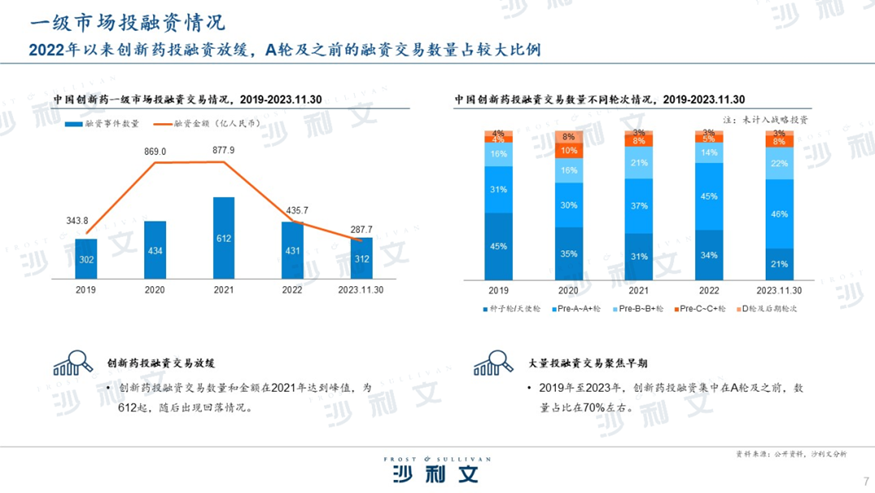
Looking at the investment and financing situation in the innovation field of capital markets, Dr. Wang Xin pointed out that the number and amount of innovative drug investment and financing transactions are2021Peaks are reached annually, reaching608Then there was a subsequent decline, 2022In the past year, investment and financing in innovative drugs have slowed down. In terms of investment and financing rounds, a large number of transactions have focused on the early stages.2019Year-end2023In [year], investment in innovative drugs was concentrated inAPrior to this, the proportion was70%left and right.
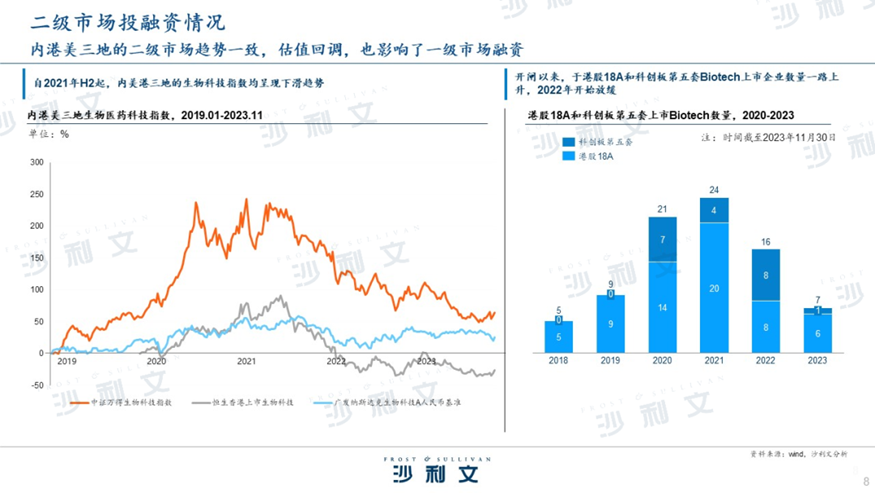
since2021Since the second half of the year, the biomedical technology indices in Hong Kong, Macau and Shenzhen have shown a consistent downward trend. The valuation correction has also affected financing in the primary market. Since the market reopened, through Hong Kong stocks18AThe number of listed biopharmaceutical companies on the Sci-tech Innovation Board's fifth batch has been rising all the way, from2019year9Home jumped to2021year24home, at2022The growth started to slow down at the beginning of the year. Regarding the performance of the secondary market, Dr. Wang Xin said that from2023Since the second half of the year, the Hong Kong stock market has become more active, with the current number of new project launches at a relatively high level, indicating that there may be more companies disclosing or going public in the future.
Subsequently, Dr. Wang Xin discussed antibodies and drugs,CGTA brief analysis was conducted on the three major hot tracks of nucleic acid drugs. He pointed out, Antibody drugs such as monoclonal antibodies and bispecific antibodies account for2022yearLicense-out of the MainlandMost of the events,2023The year isADC License-outTransactions continue to be a hot topic, with domestic manufacturers deploying differentiated and innovative antibody products.ADCIn addition, innovative antibodies such as bispecific antibodies have emerged, continuously driving technological transformation and continuously improving clinical efficacy and safety;
CGTThe sector has always been favored by capital,2021The annual financing amount reached a peak, from2022It started to decline at the beginning of the year, but2023yearCGTThere are still many large-scale financing events in the sector, in recent years in ChinaCGTThe field has made continuous breakthroughs, exploring forward in underlying technologies and original innovations. Technological innovation iterations have driven the rapid development of immunotherapy, gene therapy, and stem cell therapy;
In the field of nucleic acid drugs, the COVID-19 pandemic has driven rapid development of nucleic acid-based therapies.2021year and2022Year due tomRNAThe rapid expansion of the COVID-19 vaccine market has also driven the rapid upgrading of nucleic acid drug modification and delivery technologies. After the pandemic, the market scale of nucleic acid drugs will plummet, but during this period, many companies have quickly established nucleic acid drug modification and delivery technologies, which will drive the development of small nucleic acid drugs andmRNAThe fields such as tumor therapeutic vaccines have developed rapidly.


Subsequently, Dr. Wang Xin shared with the attendees the Frost & Sullivan's exploration of the development path of innovative drugs under the new circumstances.
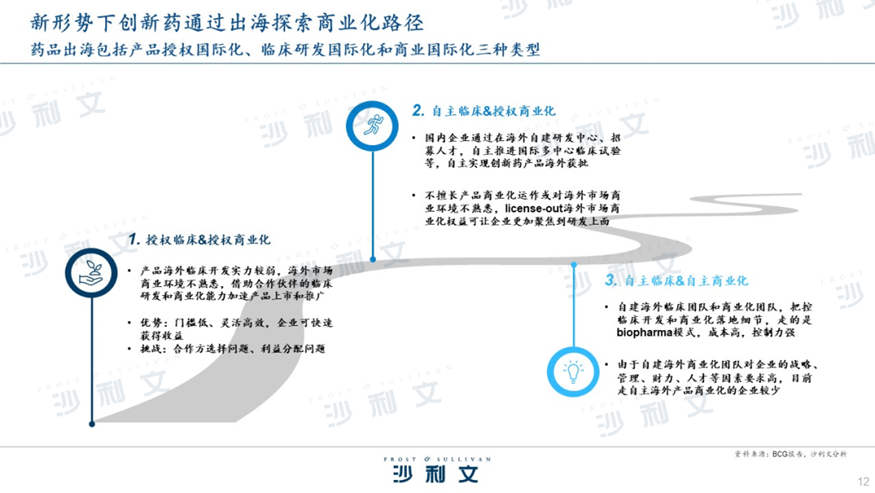
"In the new situation, innovative drugs can explore commercialization paths by going global," Dr. Wang Xin further stated. The export of drugs includes three types: internationalization of product authorization, internationalization of clinical research and development, and internationalization of business operations. Each method has its own advantages and disadvantages. Chinese biopharmaceutical companies are continuously enhancing their innovation capabilities and their strength in research, development, and commercialization. Companies should choose and formulate their own outbound strategies based on their own circumstances.
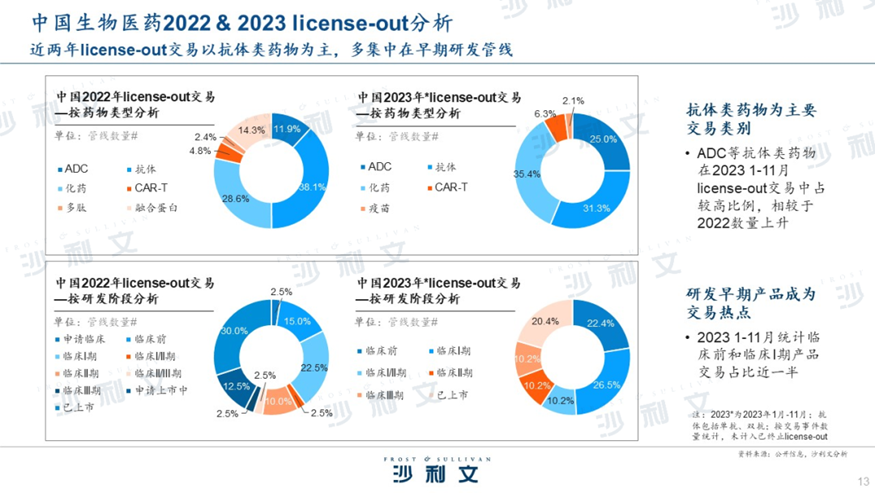
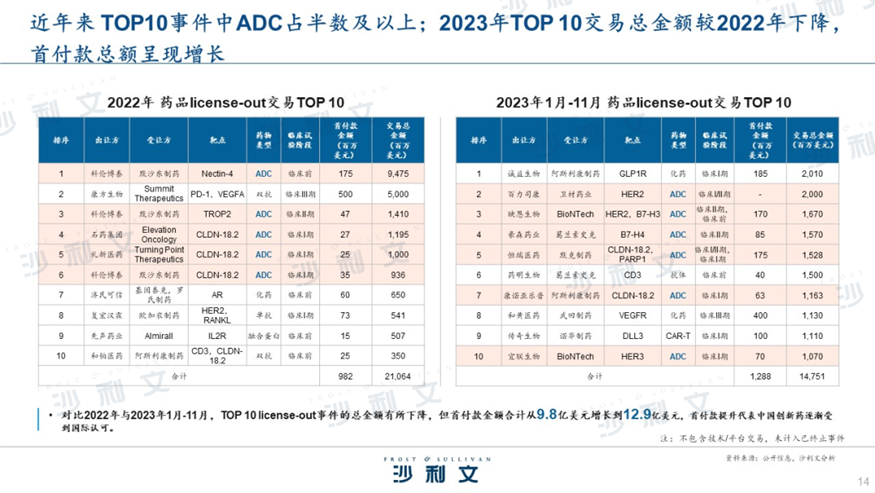
According to a study by Frost & Sullivan,2022year and2023Biomedicine in China inLicense-out of the MainlandTransactions mainly involve antibody drugs, mostly concentrated in the early R&D pipeline.2023year1 - 11Monthly statistics pre-clinical and clinicalIThe proportion of futures products in transactions has been nearly half. In recent years, pharmaceuticalsLicense-out of the MainlandtransactionTop 10eventADCMakes up half or more, although2023yearTop 10Total transaction amount2022The annual decline was observed, but the total down payment showed an upward trend. has been9.8USD billion growth to12.9Billions of dollars, with the increase in down payment representing that Chinese innovative drugs are gradually gaining international recognition.
Dr. Wang Xin pointed out that currently, there are multiple factors at home and abroad driving Chinese pharmaceutical companies to go global, including the potential of overseas markets, the gradual integration of domestic and foreign markets, the pressure to reduce domestic drug prices, the improvement in quality and efficiency of generic drugs, and the enhanced strength of innovative drug research and development. From an advantageous perspective, the globalization strategy helps to prove the company's R&D capabilities and product competitiveness, thereby enhancing the company's valuation; the vast overseas markets bring huge demand, helping local pharmaceutical companies break through the ceiling of domestic sales and expand their sales territories; at the same time, with fierce competition domestically, exploring emerging overseas markets can further release domestic pharmaceutical production capacity and obtain greater commercial returns; in addition, global markets place higher demands on corporate innovation capabilities, and companies continuously strengthen independent research and development and integrate industrial chain resources, which is conducive to increasing brand added value and brand influence.
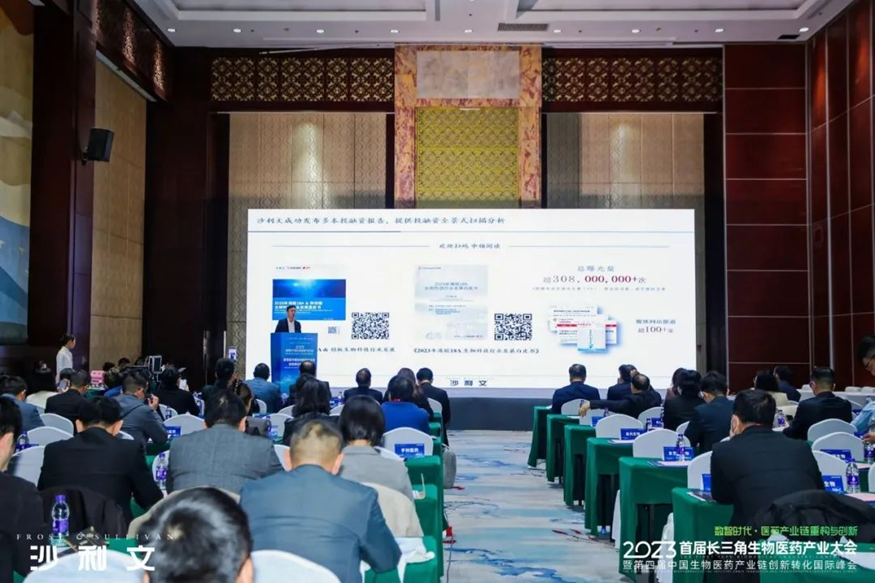
Finally, Dr. Wang Xin briefly introduced the consulting services of Frost & Sullivan in the life sciences field to the guests present. Dr. Wang Xin stated that this year marks the global establishment of Frost & Sullivan.62The anniversary is also the first time we have entered the Chinese market25Frost & Sullivan, a global growth consulting firm, has been deeply involved in global capital markets and corporate consulting services for over a decade. Through its pioneering 'All-Region Investment Management(Total Investment Management, TIMThe service system provides all-round investment and financing as well as various other professional consulting services for life science enterprises, and is a leading enterprise in the field of investment strategy consulting in China.
2014till2022In the year, Frost & Sullivan went public on the Hong Kong stock market in the niche consulting market,8Maintaining a leading position year-on-year, we have helped lead the market share of listed companies in our respective segments. In the life sciences field, Frost & Sullivan has an absolute advantage.2015till2023In the third quarter of 2019, in the Hong Kong stock market, Frost & Sullivan accounted for81.0%Market share (calculated based on the number of declared clients); from2019yearASince the launch of the Sci-tech Innovation Board, Frost & Sullivan's share has reached74.5%.

Based on its rich experience in the investment and financing sector, Frost & Sullivan has successfully released2023Hong Kong stocks for the year18A &Blue Book on the Development of the Biotechnology Industry on ChiNext2023Hong Kong stocks for the year18AMultiple investment and financing reports, including the 'White Paper on the Development of Biotechnology Industry', provide panoramic scanning analysis of investment and financing.

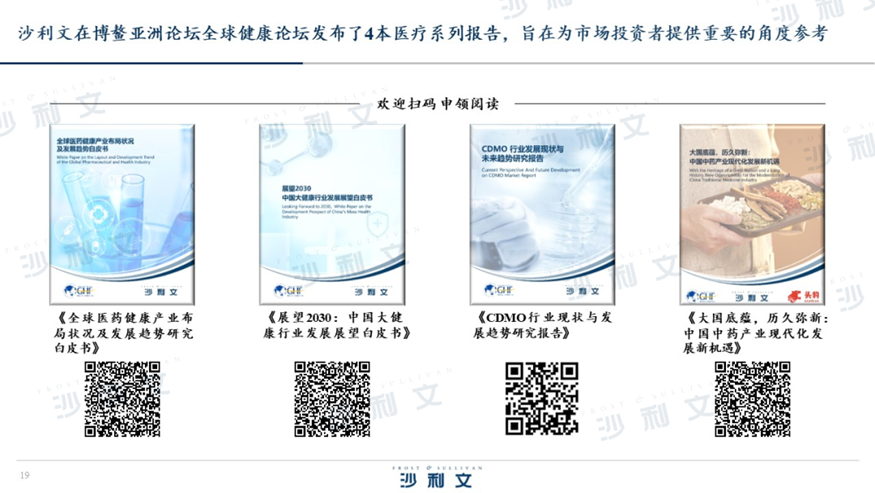
In the entire healthcare sector, based on its research into China's life sciences industry, Frost & Sullivan has successfully released 'ReorganisationsXVIICollagen Type I White Paper》, "Blue Book on the Development of China's Oncolytic Virus Industry", "Induced Pluripotent Stem CellsiPSCBlue Book on the Current Industry Situation and Future Development2023China Pharmaceutical Industry Digital and Intelligent Development Blue Book2023China Rare Diseases Industry Trend Observation Report》, Medical DevicesCRO firmSeveral blue books such as "Industry Current Situation and Development Trend Report" put forward their own industry insights and viewpoints, deeply summarizing and analyzing the current situation and trends of industry development. It is hoped that these can provide an important reference perspective for market investors, industrial development, and decision-making.

especially,2023year4month21On the same day, Frost & Sullivan released the 'Global Pharmaceutical and Healthcare Industry Layout Status and Development Trend Research White Paper' and 'Outlook2030White Paper on the Development Prospect of China's Big Health IndustryCDMO companyResearch Report on the Current Industry Situation and Development Trends and "The Heritage of a Great Nation, Everlasting Newness: New Opportunities for the Modernization and Development of China's Traditional Chinese Medicine Industry"4This healthcare series white paper aims to provide important perspective references for market investors.
"In the future, Frost & Sullivan will continue to work with LeadLeo Research Institute, SULLIVAN TELE-TREND CLOUD TECHNOLOGY, and YUAN CAPITAL to continuously provide customers with comprehensive and high-quality services," said Dr. Wang Xin.