In recent years, the global pharmaceutical industry has developed strongly, especially in the post-pandemic era, with the strategic development of biopharmaceuticals as a national priority. As a key area of biopharmaceuticals, the cell industry has brought hope for the cure of various refractory diseases.
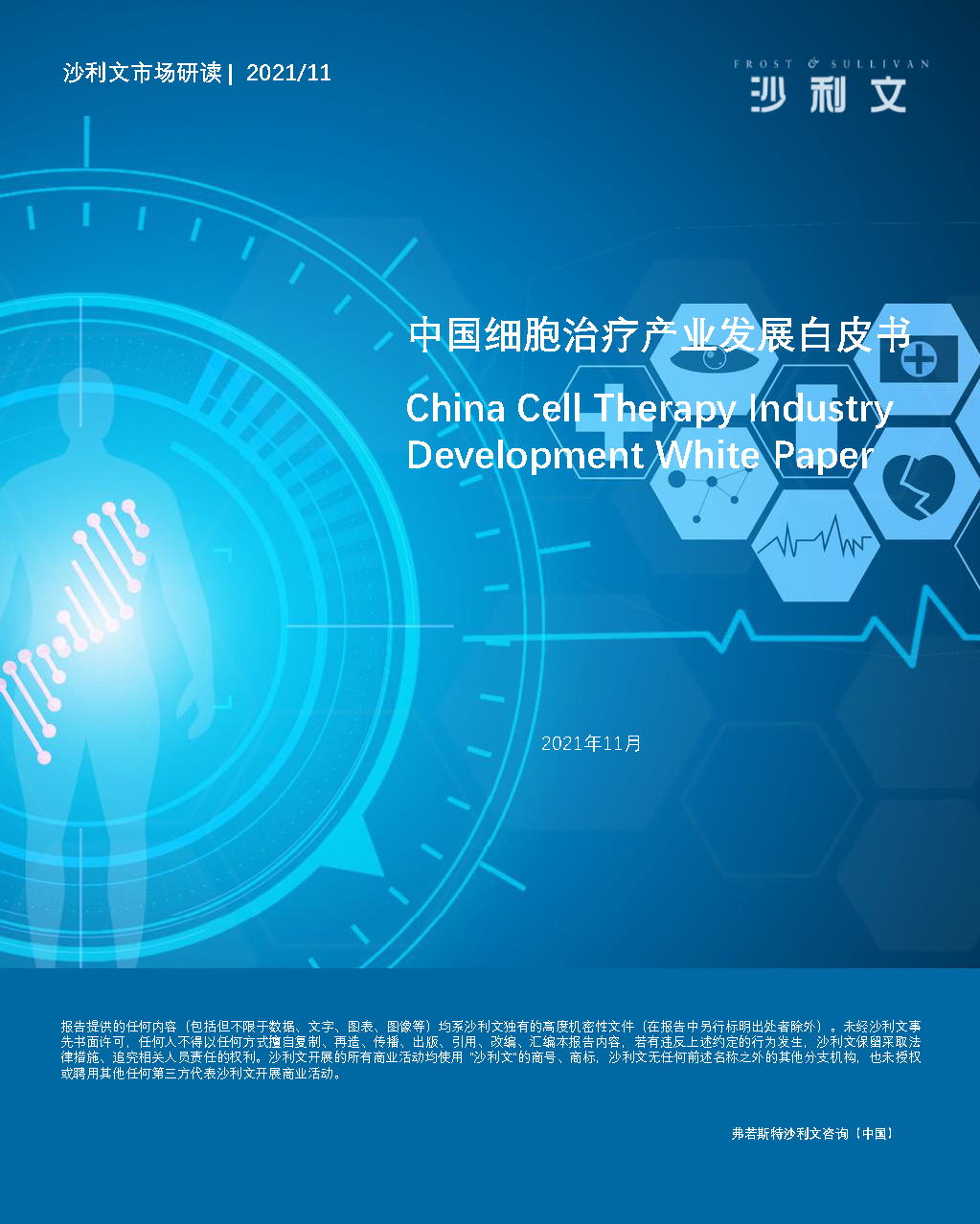
To further integrate high-quality cell biology industry resources across the country and promote exchanges, docking, and cooperative development within the cell biology industry, the "2021 Cell Biology Industry (Shanghai) Conference" was held in Shanghai from November 16th to 17th. Mao Hua, Partner and Managing Director of Frost & Sullivan's Greater China region, was invited to attend the conference and released the latest research findings from Frost & Sullivan— the "White Paper on the Development of China's Cell Therapy Industry."
In the third quarter of 2021, Frost & Sullivan conducted an analysis of the competitive landscape and driving forces for the development of China's cell therapy industry, reflecting past and future years' global and Chinese pharmaceutical R&D investment, cell therapy application areas, and industry development trends. Frost & Sullivan hereby releases the "White Paper on the Development of China's Cell Therapy Industry." This white paper aims to analyze the current status, characteristics, treatment areas, drivers, and development trends of China's cell therapy (Cell Therapy) industry, focusing on the market competition situation within the industry.
White Paper Abstract
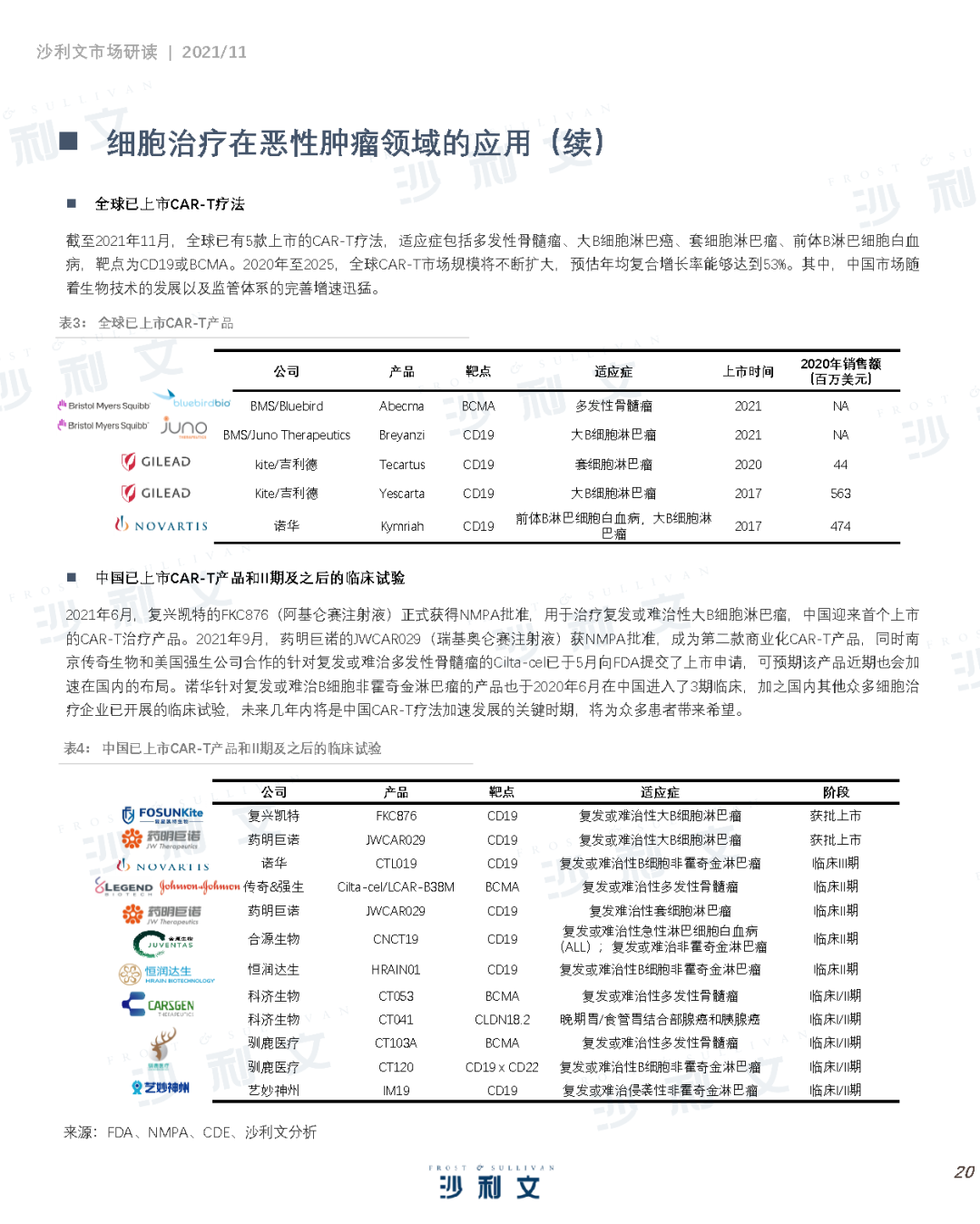
Since 2003, China has continuously introduced relevant policies and regulations for cell therapy, gradually building a comprehensive regulatory system. After 2010, cell therapy began to attract the favor of major pharmaceutical companies and research institutions. The Wei Ze Xi incident in 2016 led to some delays in the development progress of cell therapy pipelines, but subsequent government regulation of technical guidelines and support for the development of the cell therapy industry have accelerated the rapid development of cell therapy, significantly increasing the number of clinical trials. In 2021, Fosun Kite's axicabtagene autoleucel injection and WuXi AppTec's regicelumab injection were successively approved, bringing two commercial CAR-T products to China. Biotechnology companies are competing to layout the cell therapy industry, and clinical research and development in stem cell therapy, TCR-T, etc., are also making continuous progress, with cell therapy about to embrace broad prospects.
Patient demand and technological innovation boost the growth of the cell therapy industry
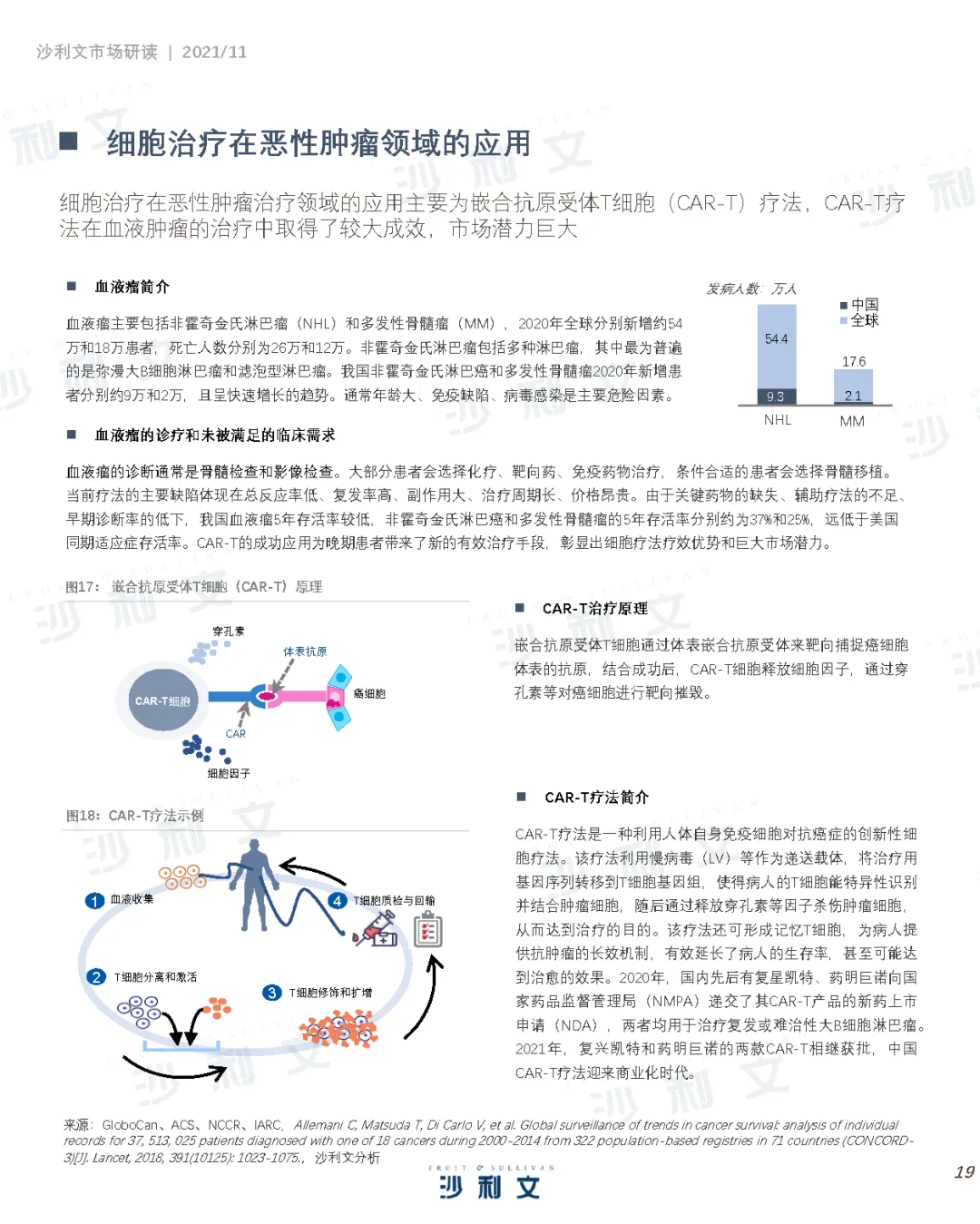
Cell therapy has achieved significant results in the field of malignant hematology, and other cell therapies bring hope to patients with solid tumors, cardiovascular, and neurological diseases. There are many unmet clinical needs in these disease areas, and the unique advantages of cell therapy are expected to bring long-term efficacy. Continuous iterative innovations in related technologies, including vector technology, gene editing technology, and scale-up, also contribute to the rapid development of the cell therapy industry.
Source: Frost & Sullivan Report
Development of CXOs drives the growth of the cell therapy industry
CXOs can provide necessary R&D facilities, GMP manufacturing plants, and related talent for small pharmaceutical companies, biotech startups, and virtual pharmaceutical companies. Their professional teams, rich production platforms, and strict quality inspection measures save costs, avoid risks, and shorten the R&D process for companies developing cell therapy products, promoting the enthusiasm of biotechnology companies for cell therapy R&D and facilitating the development of the cell therapy industry.
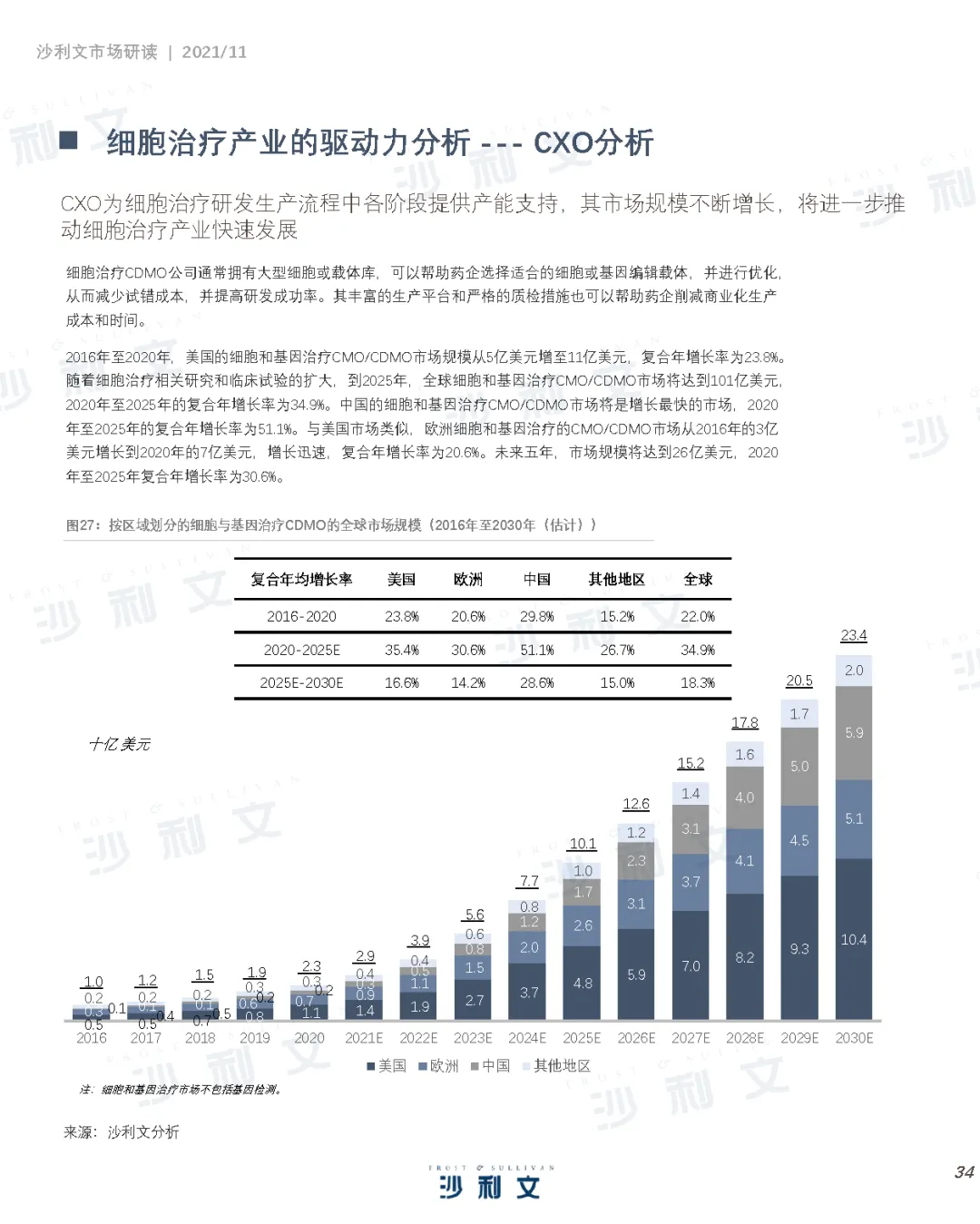
Source: Frost & Sullivan Report
Diversified payment models promote the commercialization of cell therapy
The diversified payment models in European and American countries have promoted the commercial development of cell therapy. From 2017 to 2020, the global CAR-T therapy market achieved a compound annual growth rate of 337%, and it is expected that China's diversified payment model will also pave the way for the commercialization of cell therapy. In the future, the scale of China's cell therapy market will maintain a rapid growth trend.
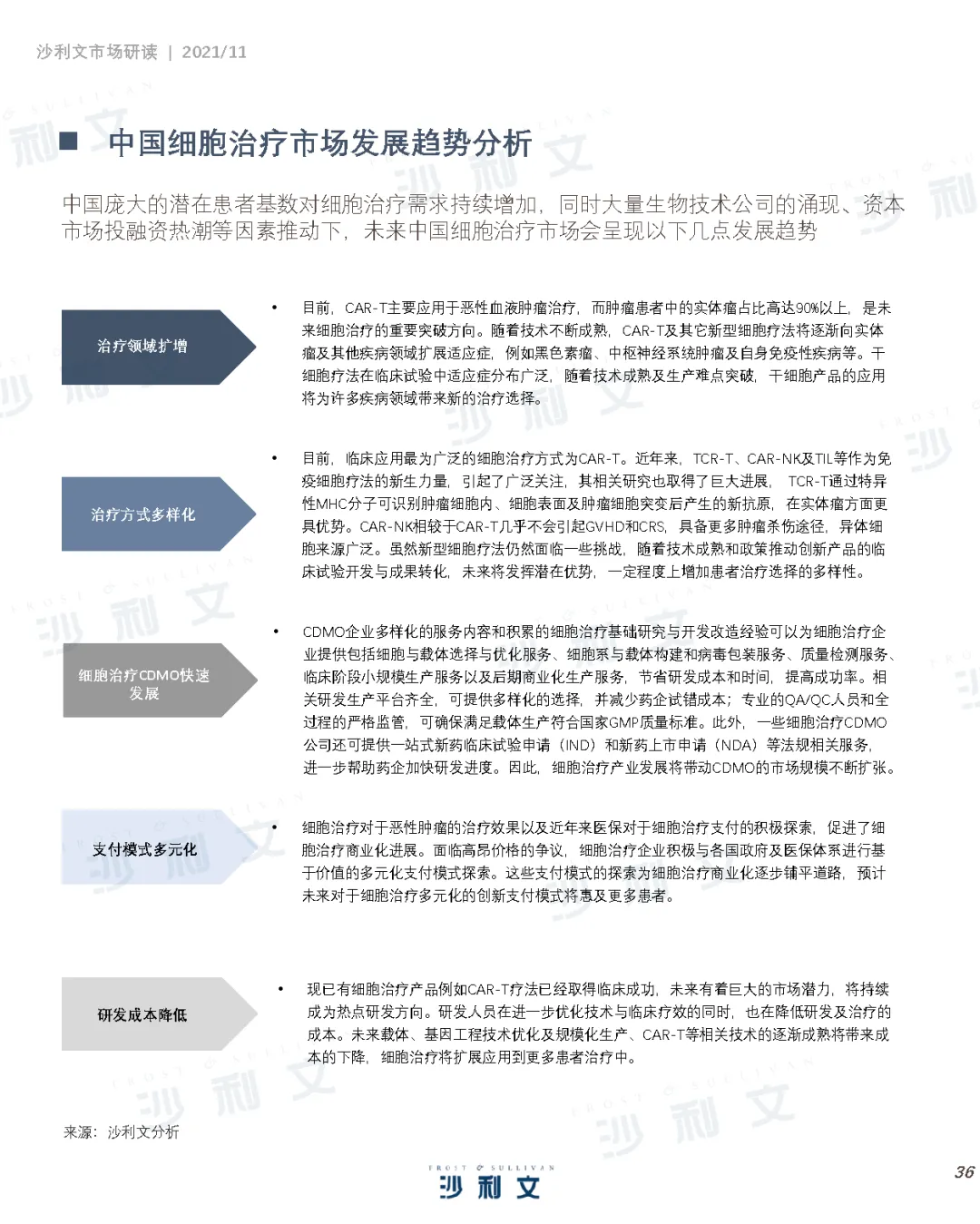
Source: Frost & Sullivan Report
The future of China's cell therapy industry is promising
Factors such as technological progress, R&D investment support, a large number of unmet clinical needs, and favorable government policies will effectively drive the development of China's cell therapy market:
(1) Scientific and technological progress and innovation build momentum for the development of the cell therapy industry;
(2) The government encourages R&D, with increasing R&D expenditures stimulating drug and therapy innovation;
(3) Single treatment with cell therapy brings long-term efficacy and has unique advantages compared to traditional drugs;
(4) There are many patients and many unmet clinical needs, providing new options for cell therapy;
(5) China's marketed cell therapy products are CAR-T products, but the clinical trial treatment areas are extensive, and in the future, cell therapy will shine in more disease areas;
(6) The gradual improvement of the government's regulatory system for the cell therapy industry brings more business opportunities.
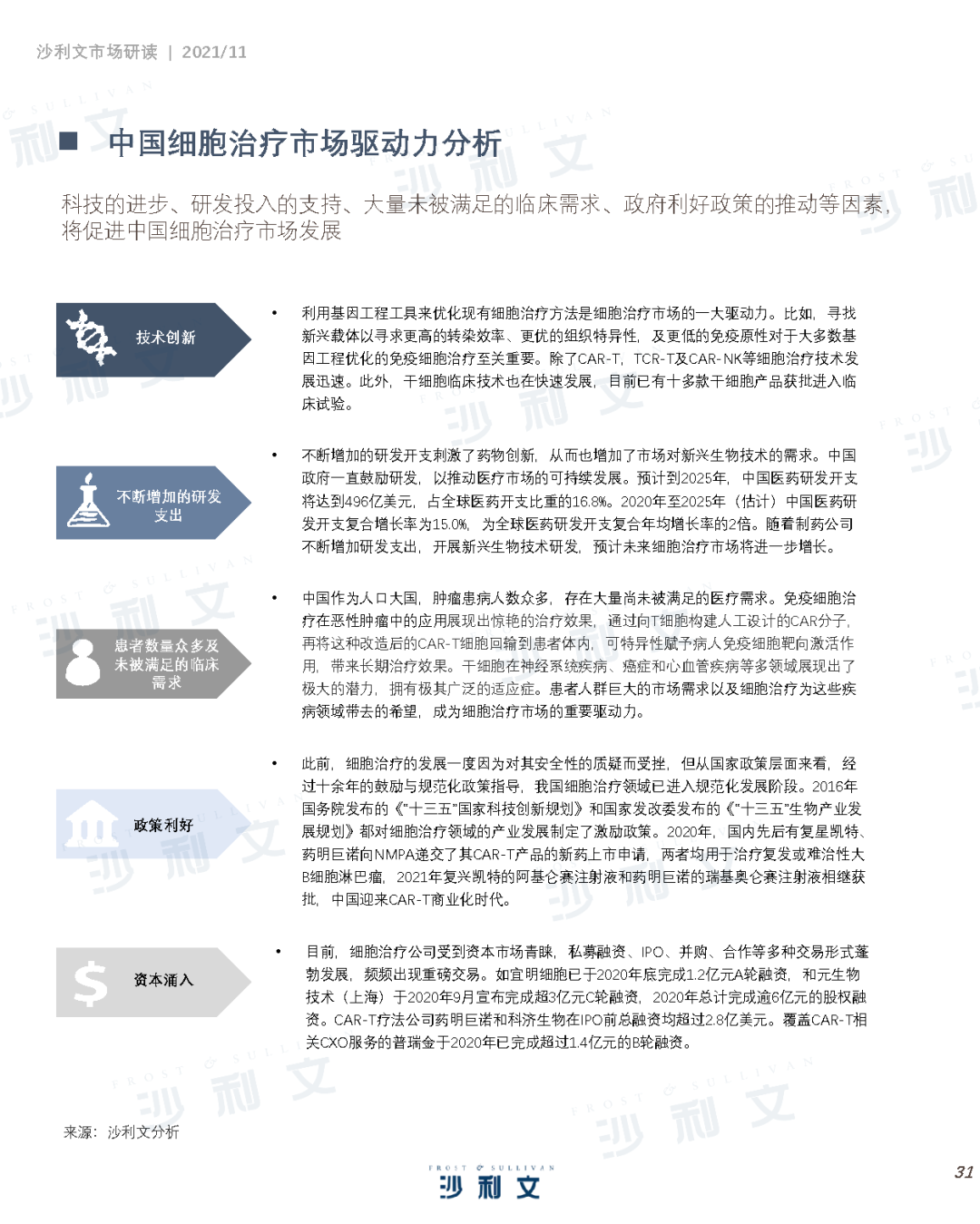
Source: Frost & Sullivan Report
Click on the bottom left cornerto read the original article,Read the full report now
Previously, Frost & Sullivan has released several industry development white papers, including "White Paper on the Development of China's Medical CXO Industry," "2021 White Paper on the Promotion of Health Management by China's Health Insurance," "White Paper on the Development of China's Oncolytic Virus Industry," "White Paper on the Development of China's Cell and Gene Therapy Industry," covering many sub-fields of the healthcare industry.
In the future, Frost & Sullivan will continue to closely follow the latest developments within biopharmaceuticals and the healthcare industry, continuously outputting its own industry observations and views. Mao Hua revealed: "Currently, 'White Papers on the Development of Small Molecule Targeted Drugs,' 'IVD In Vitro Diagnostic Industry,' 'Neuro and Peripheral Intervention Industry,' 'Surgical Robot Industry,' 'Medical Imaging Industry,' etc., have all entered the preparation and writing stages, and will be gradually released to the market in the future. Everyone is welcome to keep an eye out for them."