Digital Lighting Path
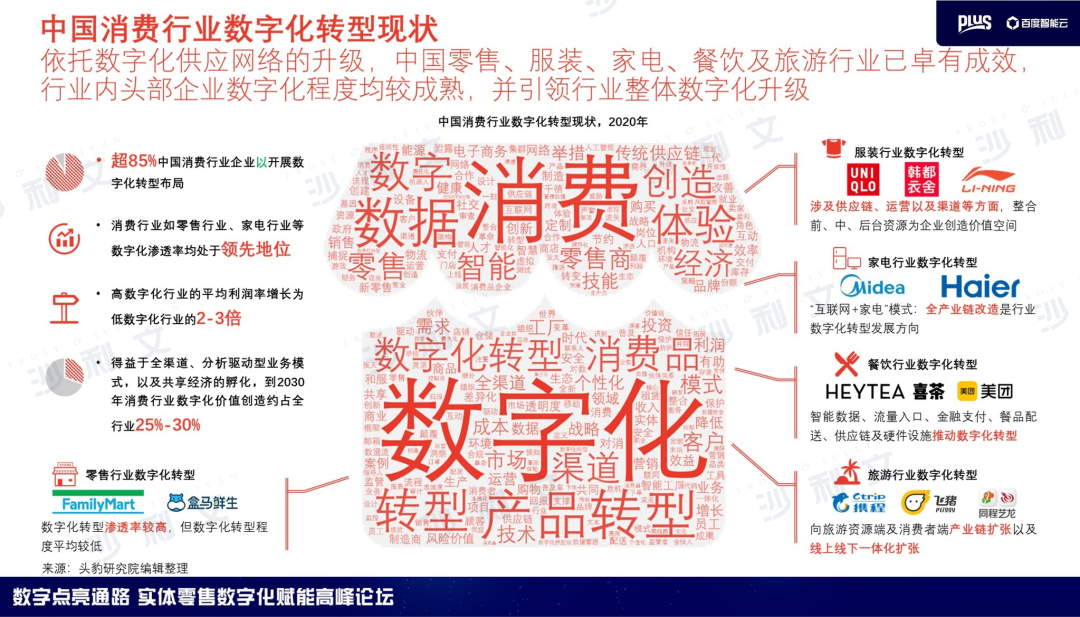
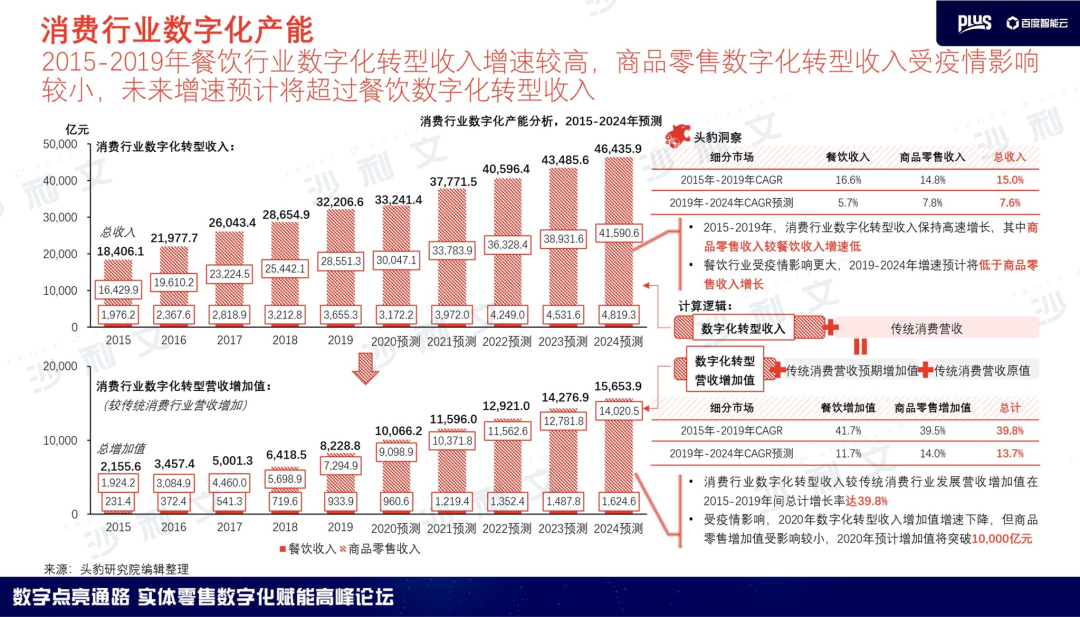
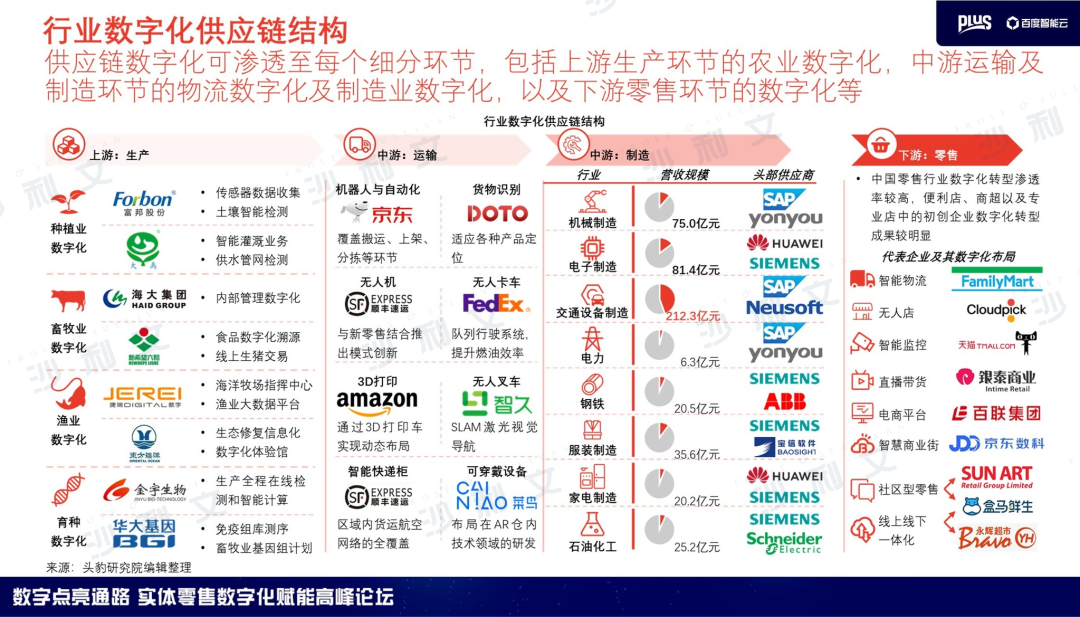
Ding Zhuowen stated that, relying on the upgrade of digital supply networks, China's retail, clothing, home appliances, catering, and tourism industries have achieved remarkable results. The leading enterprises in these industries have a relatively mature level of digitization and are leading the overall digital upgrading of the industry. The report shows that over 85% of Chinese consumer industry enterprises have initiated digital transformation strategies. Retail and home appliance industries lead in terms of digital penetration rates, with average profit margins in highly digitalized industries increasing by 2 to 3 times compared to those in less digitally advanced industries. Thanks to omnichannel, analytics-driven business models, as well as the incubation of the sharing economy, by 2030, the digital value creation of the consumer industry will account for about 25%-30% of the total industry value.
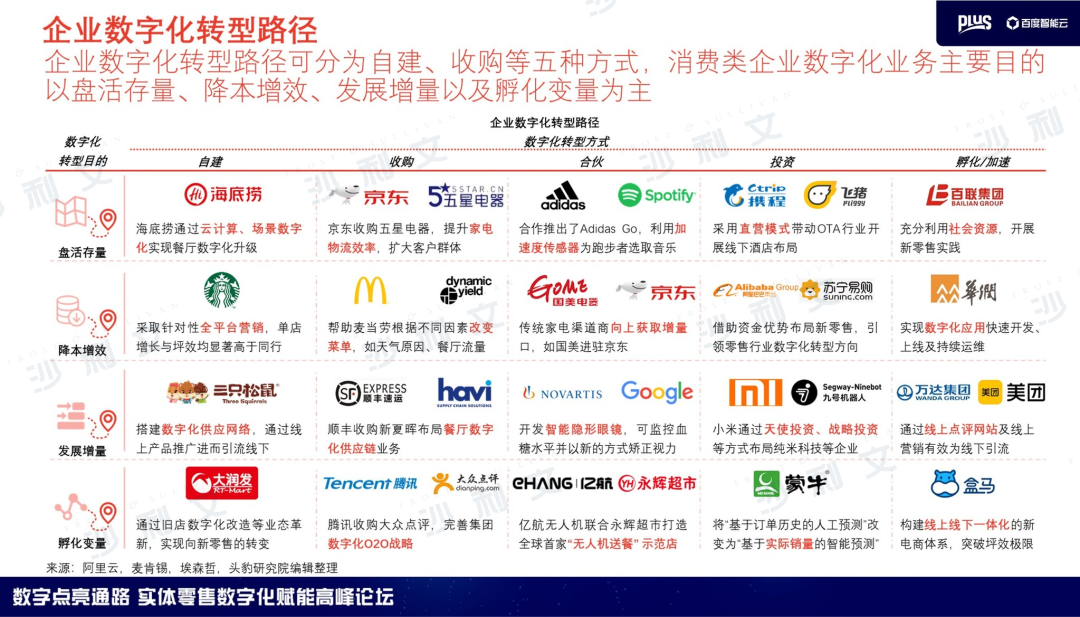
Subsequently, Ding Zhuowen introduced that the main paths for enterprise digital transformation can be divided into five methods: self-establishment, acquisition, partnership, investment, and incubation. The primary objectives of consumer enterprises' digital business are mainly to revitalize existing assets, reduce costs and increase efficiency, develop new increments, and incubate variables. For example, JD.com acquired Wuxing Electric Appliance to improve home appliance logistics efficiency and expand customer base; iFlytek drones joined hands with Yonghui Supermarket to create the world's first 'drones delivering meals' demonstration store; Xiaomi has deployed pure rice technology and other businesses through angel investments, strategic investments, etc.; Starbucks has adopted targeted omnichannel marketing, achieving significantly higher single-point growth and per square foot efficiency than its peers.
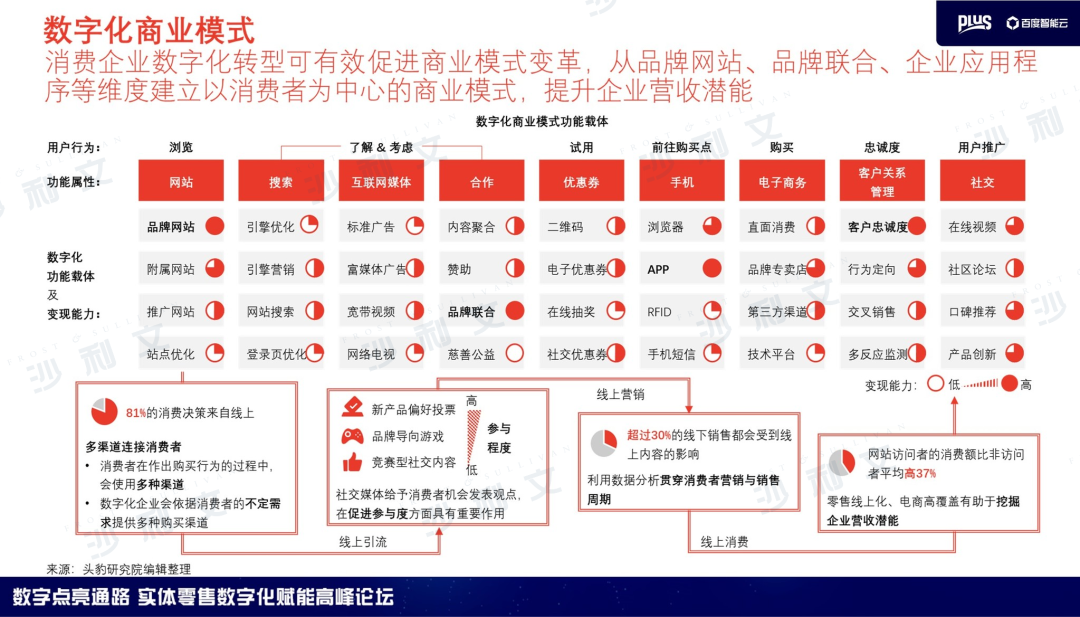
When discussing digital business models, Ding Zhuowen believes that the digital transformation of consumer enterprises can effectively promote business model changes. By establishing consumer-centric business models from dimensions such as brand websites, brand collaborations, and enterprise applications, companies can enhance their revenue potential. Research has found that 81% of consumer decisions come online. During the purchasing process, consumers use multiple channels, and digital enterprises provide various purchase channels based on consumers' unpredictable needs. In addition, over 30% of offline sales are influenced by online content. Companies can use social media to give consumers opportunities to express their views, use data analysis throughout the consumer marketing and sales cycle, and the online retailing and high coverage of e-commerce help to tap into corporate revenue potential.
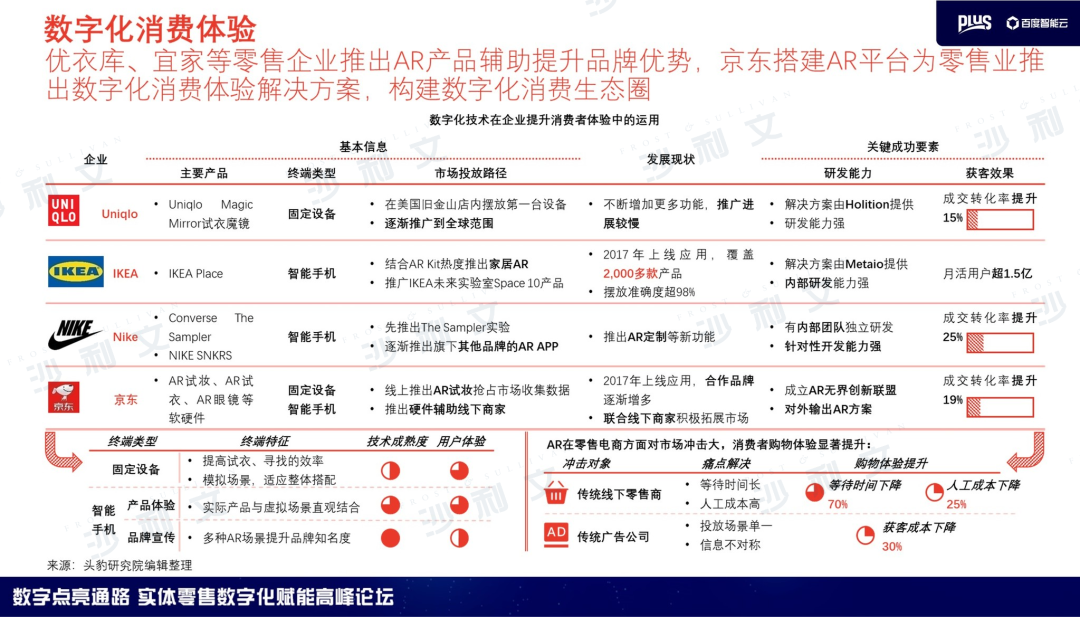
When discussing digital consumer experiences, Ding Zhuowen took retail enterprises such as Uniqlo and IKEA as examples to further elaborate on how these companies have launched AR products to assist in enhancing their brand advantages. Uniqlo placed the first Uniqlo Magic Mirror in its store in San Francisco, USA, and subsequently added more functions, gradually expanding it globally, increasing transaction conversion rates by 15%. IKEA launched an application called IKEA Place in 2017, covering over 2,000 products of various brands with an accuracy placement rate exceeding 98%, and combined with the popularity of AR Kits, introduced home AR, promoting IKEA's Future Lab Space10 products, with app monthly active users exceeding 150 million. Practice has proven that AR has a significant impact on the retail e-commerce market, mainly targeting traditional offline retailers and traditional advertising companies. It reduces consumers' waiting time by 70%, significantly improves their shopping experience, and also reduces retailers' labor costs and customer acquisition costs.
Subsequently, Ding Zhuowen analyzed three carriers for the digital transformation of the consumer industry: consumer data, experiential economy, and omnichannel retail.
Consumer data can serve as an effective carrier for enterprises' digital transformation, helping them enhance customization in the production process, marketing precision, and consumer experience. It forms a transaction loop, improves the value chain of consumer enterprises, and allows them to build a digital business model centered around consumers. Tmall Home furnishing has redefined the design store experience through innovative design thinking and disruptive retail element restructuring. By using intelligent means and digital services, it has enhanced the effectiveness of backend operations, achieving a 60% increase in average order value.
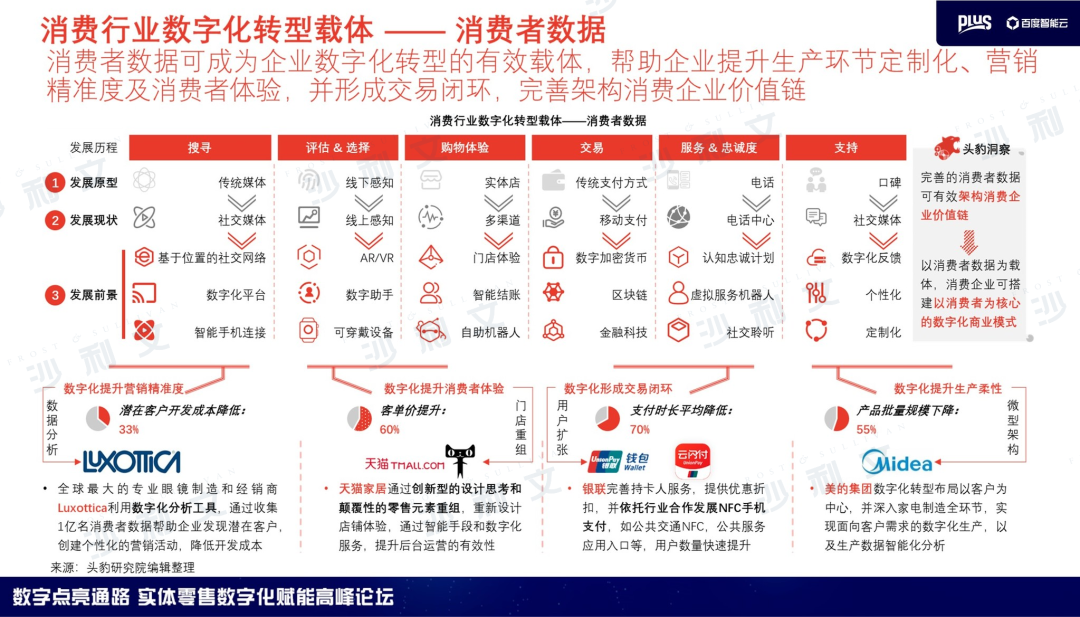
The experience economy model includes personalized product portfolios, retail experiences, product customization, and service experiences. Taking Midea as an example, digital production is tailored to customer needs, integrating production data for intelligent analysis, reducing rework costs by 50%-60%, and shortening the procurement process by 25%.
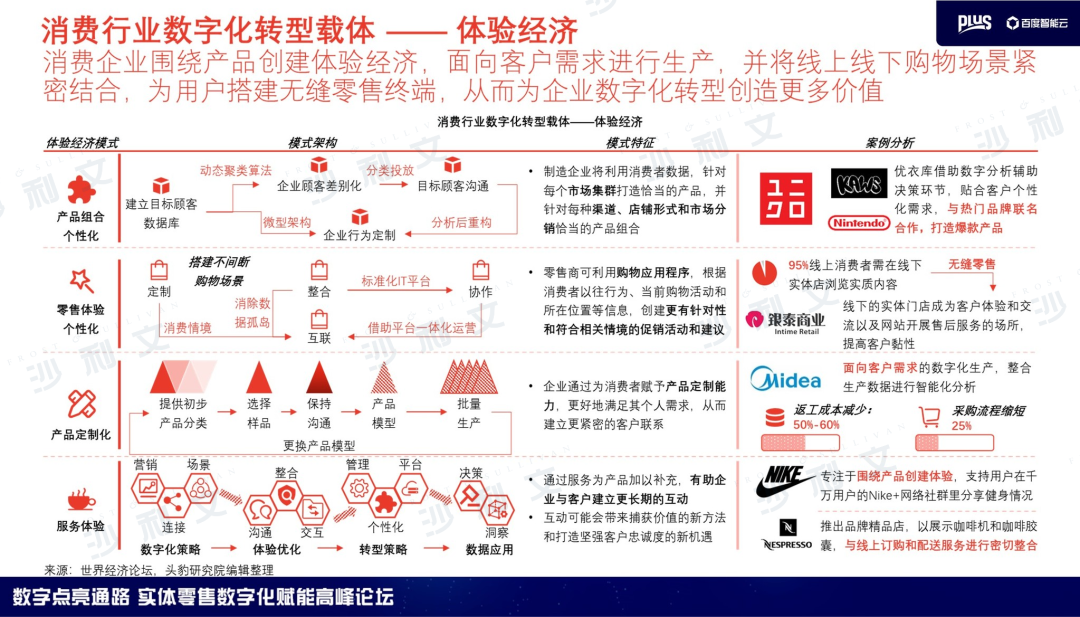
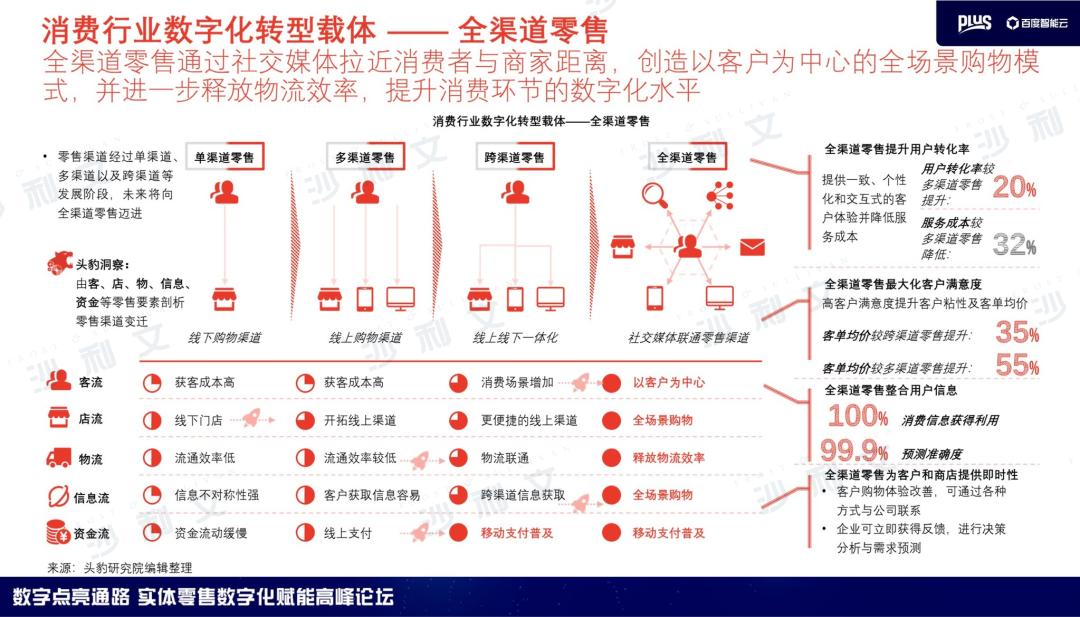
Omni-channel retail provides a consistent, personalized, and interactive customer experience while reducing service costs. The user conversion rate is increased by 20% compared to multi-channel retail, and service costs are reduced by 32%. Omni-channel retail maximizes customer satisfaction, which effectively enhances customer stickiness and average order value (AOV). The AOV is increased by 35% compared to cross-channel retail, and by 55% compared to multi-channel retail.
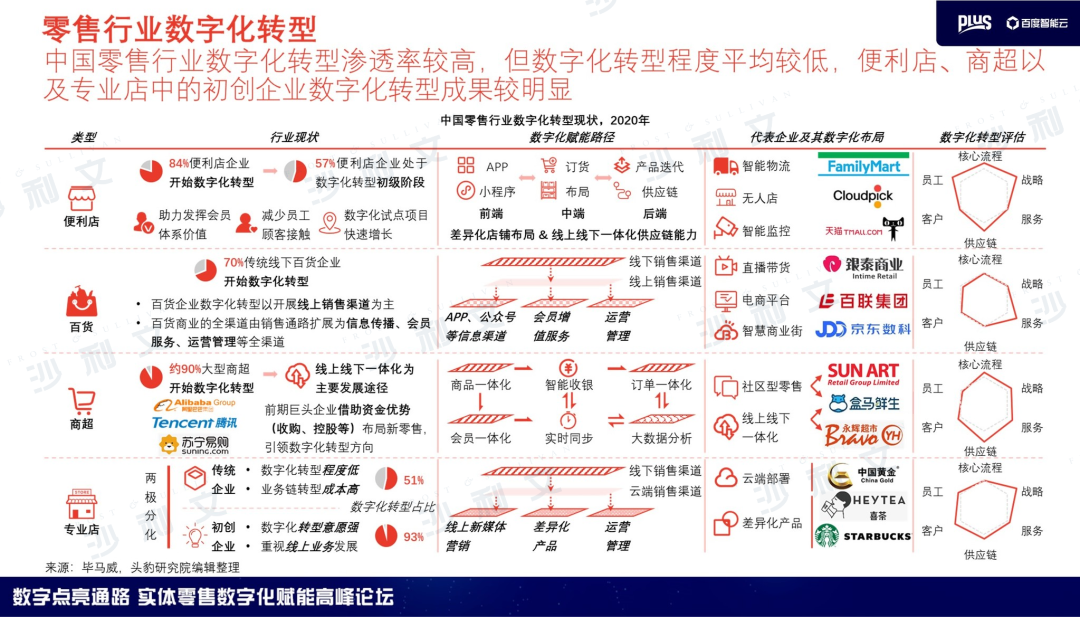
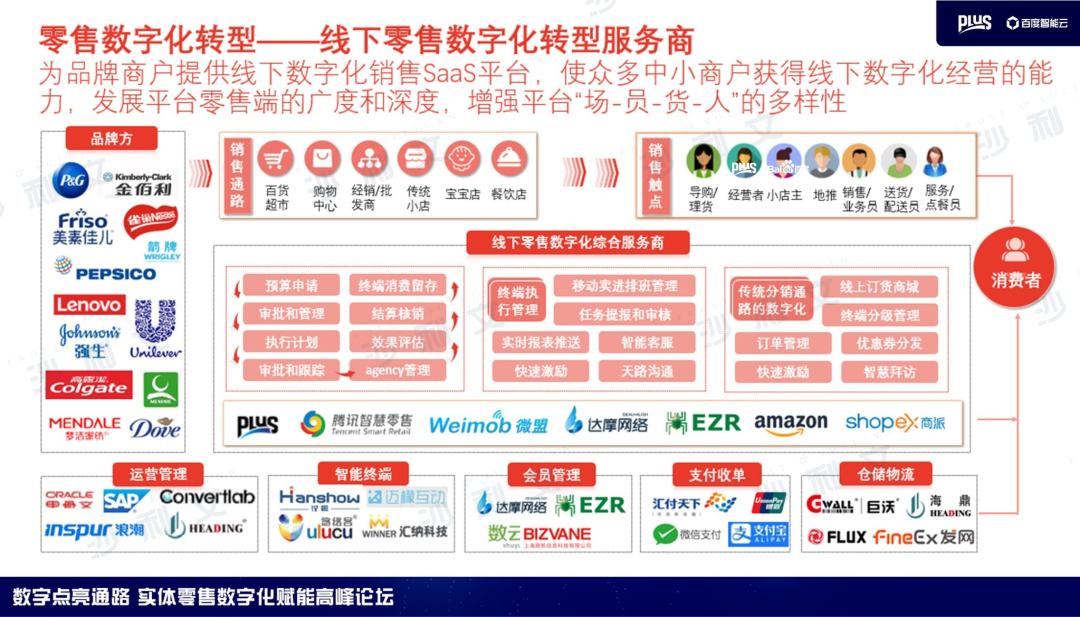
At the end of his speech, Ding Zhuowen summarized that among many industries, the retail industry has a relatively high penetration rate of digital transformation, but the average level of digital transformation is lower. The digital transformation achievements of startups in convenience stores, supermarkets, and specialty stores are more evident. Offline retail digital comprehensive service providers and offline digital sales SaaS platforms are powerful tools for consumer retail enterprises' digital transformation, enabling them to acquire digital operational capabilities, explore the depth of digital transformation, enhance the diversity of place-person-item-person, and Plesstech is an outstanding, representative, and rapidly growing company on this track, worthy of long-term tracking and research.
In addition, Ting Zhuowen revealed that in December this year, PLS will jointly release the 2021 offline sales white paper with Frost & Sullivan and LeadLeo. Stay tuned.

With the development of social economy, the digital penetration rate of the three major industries is increasing day by day, and traditional retail is also constantly evolving towards new retail. The application innovation of digital technology is of great significance for the future. The development process of digitization is being greatly accelerated, and the transformation and upgrading of digital technology, empowering the physical retail industry and its large-scale application, marks humanity's full entry into the data era. In the future, it is expected that more and more enterprises will embrace digitization, achieve digital transformation, and promote industry change.