 2021The year is epoch-making in the history of cell therapy development in China, as two domestic products arrivedCAR-TApproval of the product,CAR-TThe therapy is moving towards a new era of commercialization. At the same time, there are frequent good news reports about the exploration of generic and solid tumor targets.TCR-T,CAR-NK,I just learnedMultiple therapies compete on the same stage, and the immunotherapy industry continues to develop and grow, bringing new hope for treatment to patients.
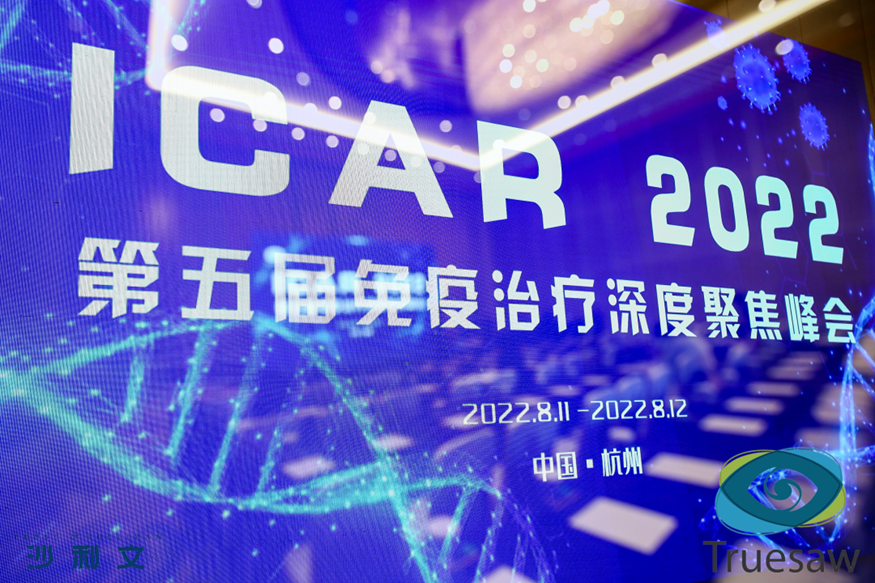
Against this backdrop,2022year8month11day-12dayI-CAR 2022The 5th Cell Immunotherapy Deep Focus Forum was held in Hangzhou, Zhejiang Province. Frost & SullivanFrost & SullivanMr. Mao Hua, Partner and Managing Director of Frost & Sullivan's Greater China Region, was invited to attend the event and participate in a roundtable forum to discuss the industrialization process of cell therapy.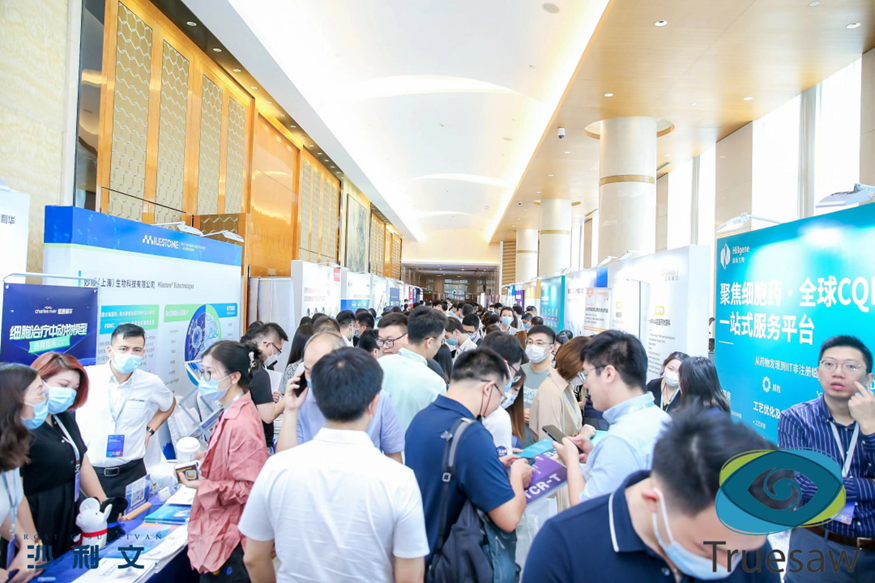
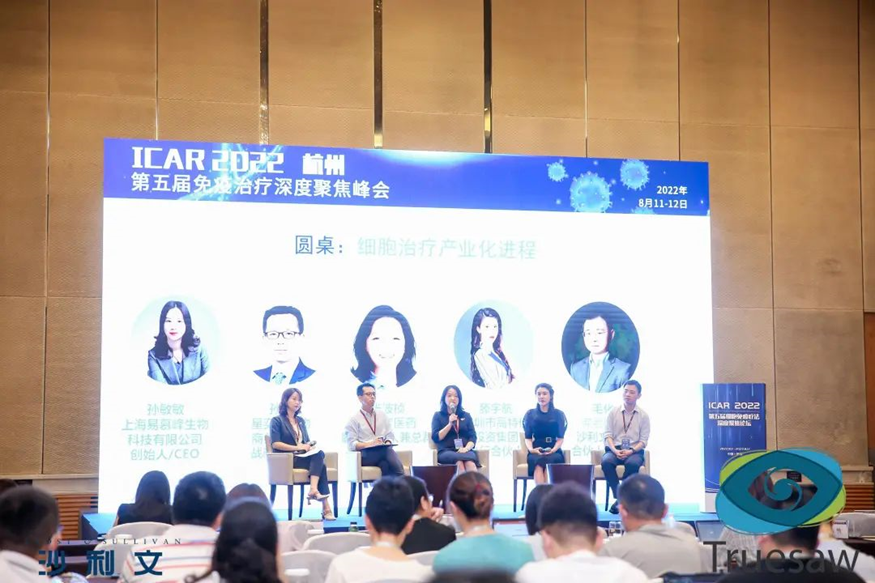
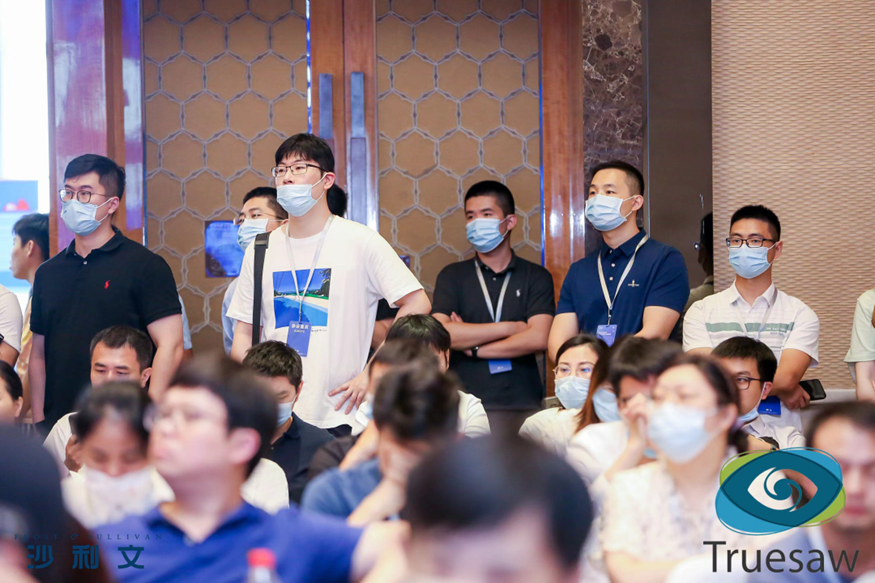 The roundtable session was moderated by the founder of Shanghai Yimufeng Biology&CEODr. Sun Minmin served as the host, with Mr. Mao Hua and Dr. Sun Mu, Vice President of Business Development and Strategy at Xingyinang Biotech, Zhang Bozhen, co-founder and President of Biosentech, and Teng Yuhang, Executive Partner at Shenzhen Gaotekai Investment, joining forces to discussCAR-TThe discussion covered topics such as the dilemma of transforming treatment research into drug development, the current stage of industrialization of cell therapy in China, the challenges faced by the industrialization process, how enterprises and capital parties can cooperate to accelerate the industrialization of cell therapy, as well as the market development prospects and investment predictions for the domestic cell therapy industry.
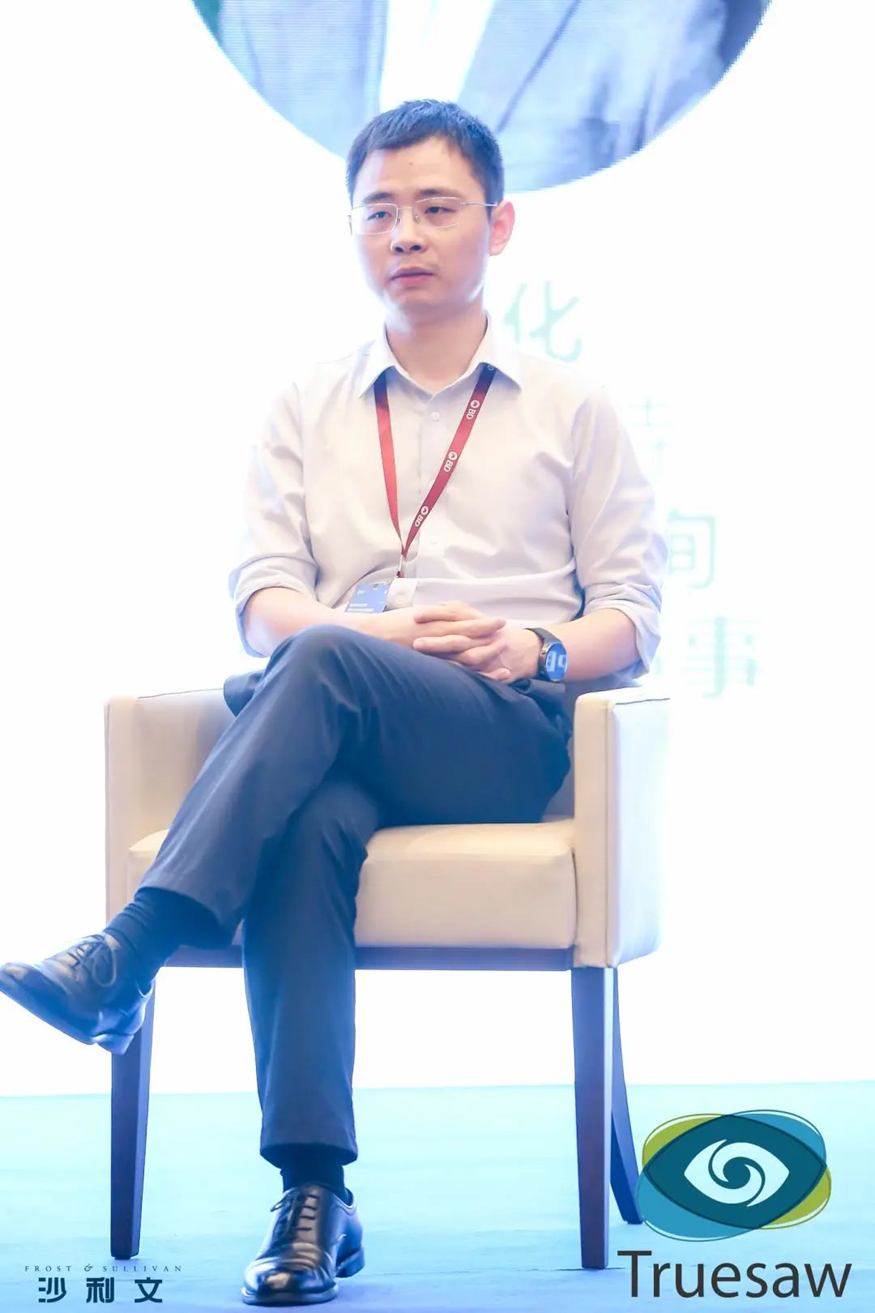 Partner and Managing Director, Greater China, Frost & Sullivan fattening
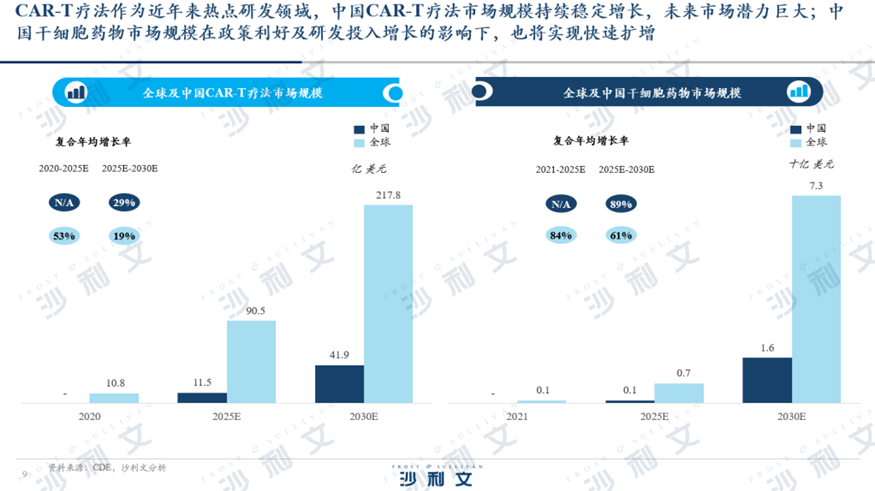
Under the general trend of rapid growth in the global cell therapy market size, cell therapy has also shown tremendous development potential in China. According to data analysis by Frost & Sullivan, ChinaCAR-TThe market is expected to be at2025The annual market scale reached11.5billion dollars, in2030Annual achievement41.9billion US dollars; the market scale of stem cells in China is expected to be at2025year2030The annual targets are expected to reach0.7billion dollars and15.5billion dollars.
Mr. Mao Hua said that against the backdrop of continuously maturing gene editing technology and cell processing techniques, as well as national policy support for innovative medical technologies and comprehensive clinical guidance principles, China's cell therapy industry has entered a virtuous and orderly period of rapid development. Cell therapy has become one of the hottest areas in China's biomedical research and development field.
Immunocyte therapy, as the fourth tumor treatment method following surgery, chemotherapy, and radiotherapy, is one of the most promising development directions in the field of tumor treatment today, opening a new era for tumor immunotherapy strategies. The main types of immunocyte therapy includeCAR-T,TCR-T,I just learnedandCAR-NKIn terms of clinical progress, as of2022year6month6Today, in the field of immunotherapy cell therapy in China,CAR-TThe number of ongoing clinical trials for therapies has reached12one, followed byTCR-T,I just learnedandCAR-NKAccording to the indications, the currently conducted clinical trials are mainly focused on hematological malignancies, accounting for approximately66%The number of clinical studies in solid tumors is approximately34%. Mr. Mao Hua said,CAR-TTherapies have brought hope to patients with malignant blood tumors in our country. As more cell therapy products targeting solid tumors enter the clinical research and development phase, research work will yield even more fruitful results, and it is expected that we will be able to overcome the fortress of solid tumors in the future.
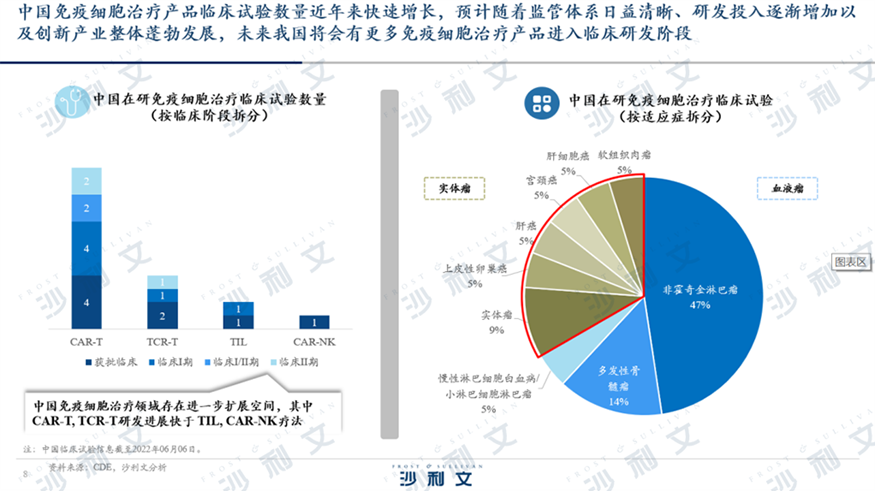
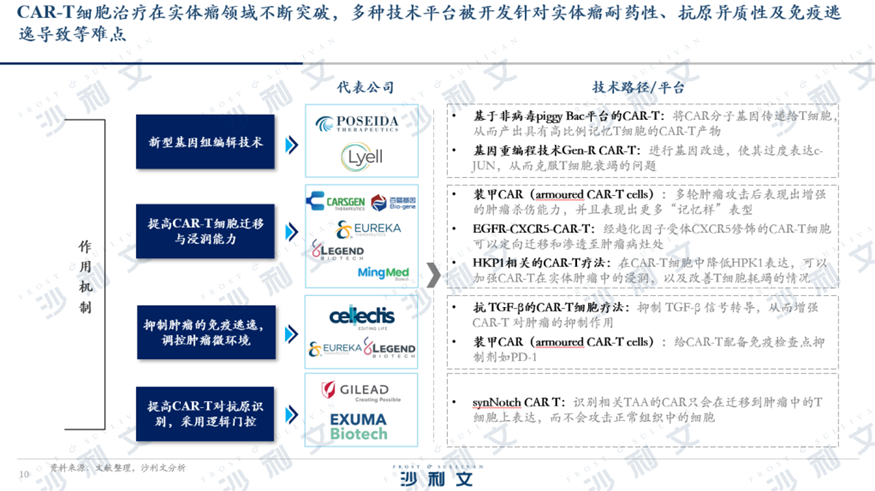
CAR-TTherapies have made continuous breakthroughs in the field of solid tumors, but there are still technical challenges such as drug resistance, antigen heterogeneity, and immune evasion that need to be addressed and optimized urgently. To address various challenges in clinical exploration, biotechnology companies have developed and built a variety of innovative technology platforms. The mechanisms include the use of novel gene editing technologies, improveCAR-TCell migration and infiltration ability, inhibiting tumor immune evasion, regulating the tumor microenvironment, and enhancingCAR-TAntigen recognition ability.
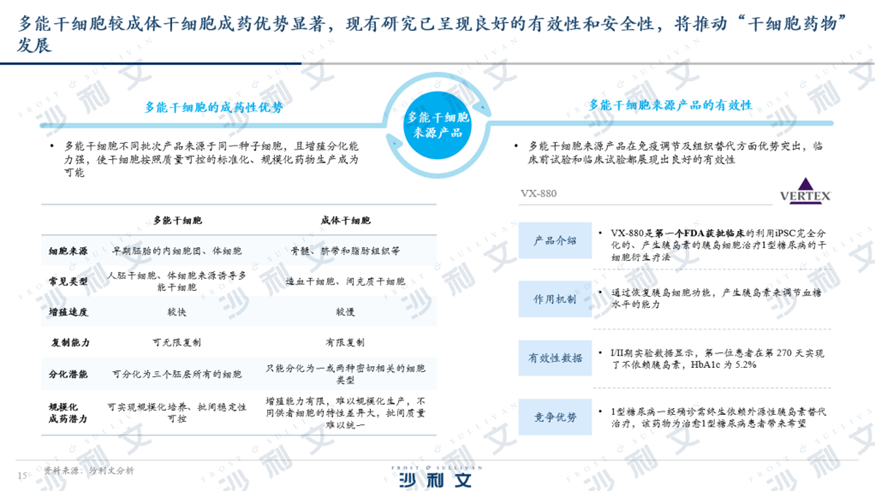
Currently, therapeutic stem cell products that have entered clinical trials are mainly divided into two sources: adult stem cells and pluripotent stem cells. It is reported that more than a dozen stem cell products have been approved for marketing in different countries worldwide, but they all originate from adult stem cells. Stem cell products derived from adult stem cells have issues with process stability between batches. In contrast, pluripotent stem cell products from the same batch come from the same type of progenitor cells and have strong proliferation and differentiation capabilities. The upgrade and iteration of in vitro culture and induction differentiation technologies have promoted the directed differentiation of pluripotent stem cells.Successful functional cells have made it possible to produce stem cells in standardized, large-scale drug production with controllable quality. "The pluripotent stem cells have demonstrated good pharmaceutical advantages, clinical effectiveness, and safety, which will drive the development of 'stem cell drugs'," said Mr. Mao Hua.
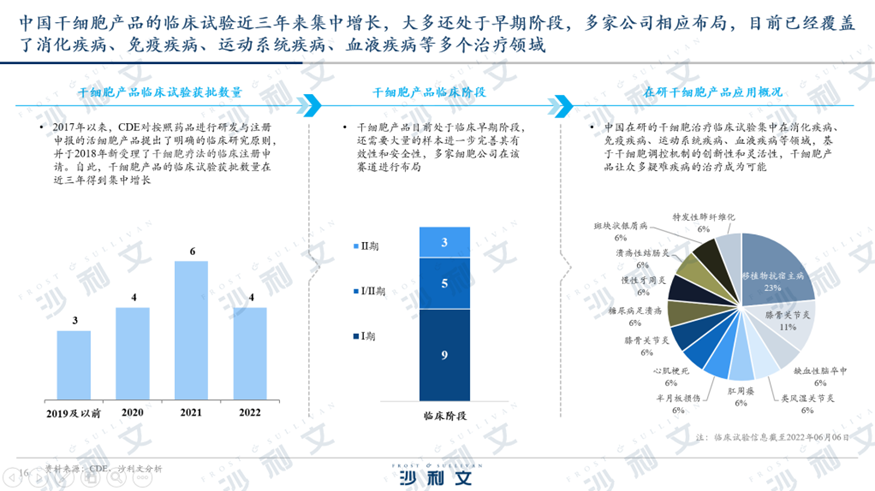
2017yearCDEClear clinical research principles were proposed for live cell products developed and registered as pharmaceuticals, and2018In the year, new clinical registration applications for stem cell therapy were accepted. With the adjustment of policy supervision and the increasing attention paid by the state to the development of stem cell technology and industry, the number of clinical trial approvals for stem cell products in China has significantly increased.2019A total of only3A clinical trial, and2020year2021The number of clinical cases in each year reached4one and6Currently, there are no approved products in China on the market, and clinical progress is still in its early stages. Based on the innovation and flexibility of stem cell regulatory mechanisms, the pipeline involves a wide range of disease treatment areas, bringing therapeutic possibilities to some refractory diseases. It has currently covered multiple treatment fields such as digestive diseases, immune diseases, musculoskeletal system diseases, and blood diseases.
Mr. Mao Hua pointed out that compared to developed countries in Europe and America, China started cell therapy relatively late, but China has already been very proactive in following up on this frontier field. Against the backdrop of multiple factors such as technological innovation, policy support, capital boom, and the emergence of biotech companies, which have contributed to the advancement of cell therapy, with the increasing accumulation of clinical practice experience, research and development achievements will be transformed and implemented more frequently and rapidly. In the near future, China's cell therapy industry is expected to enter a golden development period.
Frost & Sullivan has rich research experience in the field of cell therapy, and recently20For many years, the Frost & Sullivan team has provided financing and financial advisory services to several outstanding domestic and international biopharmaceutical companies.IPO listingIndustry consulting, strategic consulting, management consulting, and other services, including: WuXi AppTec, Hengyuan Biology, BiotechHillgenePharmaceutical giants such as WuXi AppTec, Yongtai Biology, and Zhehui Biotech.