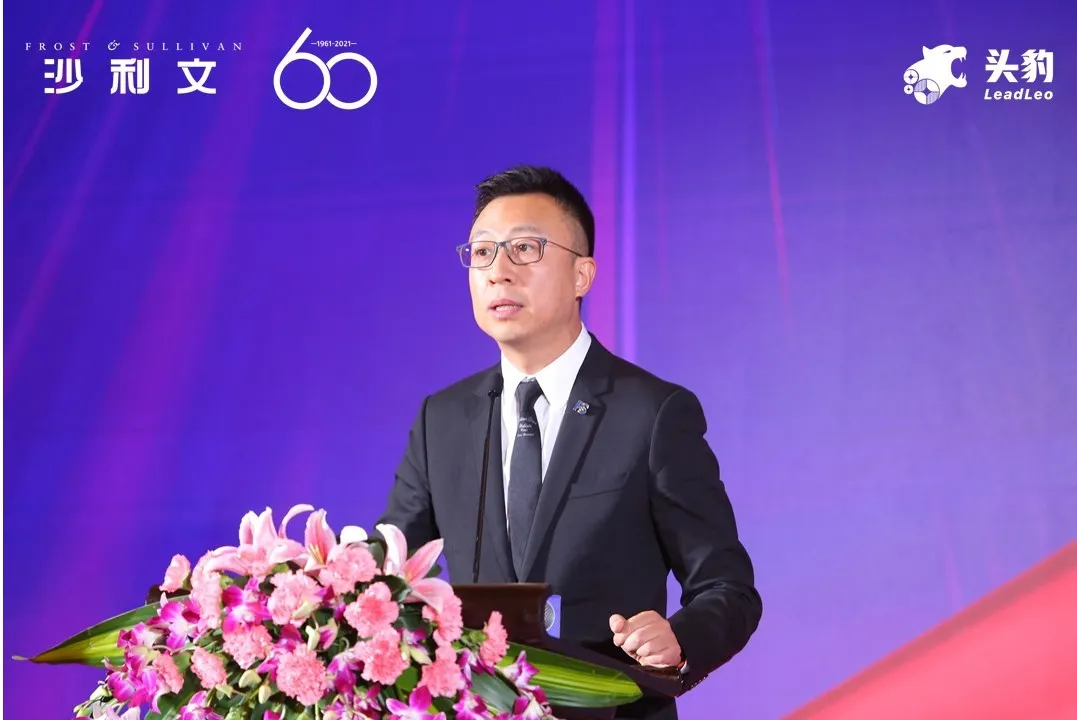
Dr. Wang Xin, Global Partner and President of Greater China at Frost & Sullivan (hereinafter referred to as 'Frost & Sullivan'), Founder and Chairman of LeadLeo, was invited to attend the conference and deliver a keynote speech at the main forum: 'Keep Going, the Future is Promising - Insights into China's Industrial Trends for the Next Fifty Years'.
It is reported that the main forum of this event gathered top experts. Zhao Xiaoguang, vice president and director of the research institute at Tianfeng Securities, delivered an opening speech. Mr. He Yafei, former vice minister of foreign affairs, Mr. Wang Zhongmin, former vice chairman of the National Social Security Fund Council and chairman of the Shenzhen Financial Stability and Development Research Institute, Academician Wang Xujin, dean of the Microelectronics Research Institute and Semiconductor Manufacturing Research Institute at Shenzhen University, Dr. Liu Yuhui, a specially invited economist from Tianfeng Securities, Mr. Xu Biao, deputy director of the Tianfeng Research Institute and chief analyst of asset allocation strategies, Mr. Jiang Guoyun, chairman of Times Bole, and many other heavyweight experts and industry leaders gathered together to share their in-depth insights and wise judgments on prospects for 2022 and beyond from different perspectives, presenting a top-level intellectual feast.

According to Dr. Wang Xin, 2021 was a great year. This year marked the 100th anniversary of the founding of the Communist Party of China. Over a century, through trials and tribulations, nine hundred thousand heroes have risen to lead the way. Under the correct leadership of the Communist Party, remarkable achievements have been made in the development of Chinese society, from science, education, culture, and health to clothing, food, housing, and transportation, as well as in the capital city.
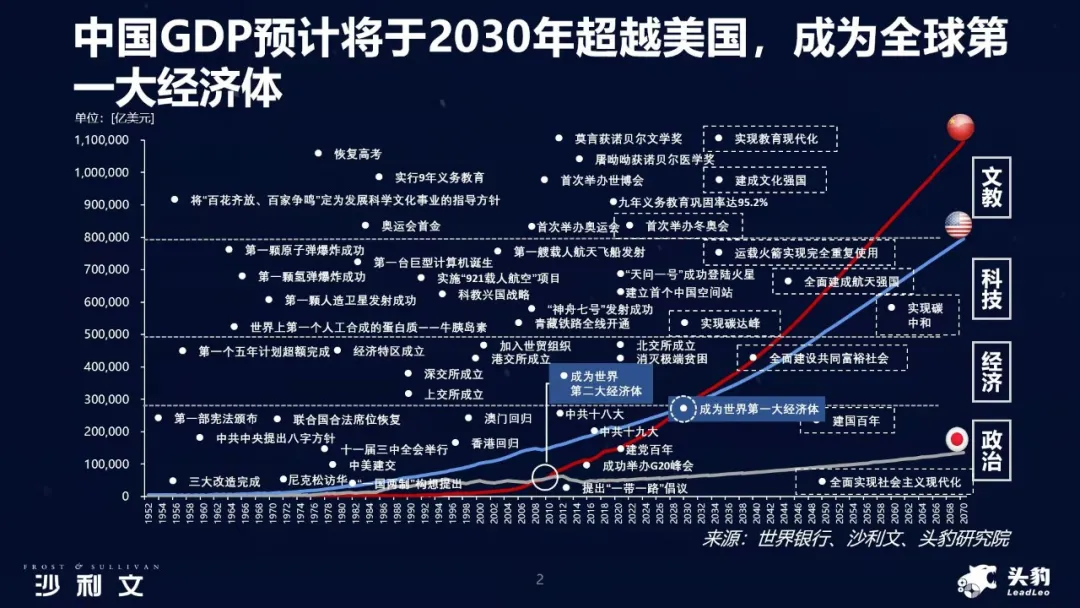
From having only 18 countries establishing diplomatic relations with China in the early days of the founding of the People's Republic to becoming the world's second-largest economy, from "patching things up for another three years" to building a space station and landing on Mars, since the reform and opening-up, the working people of all strata in China have worked hard and started businesses arduously, creating "world-shocking" historical development achievements. China's contribution rate to global GDP has increased from 2.3% to nearly 17%, and it is expected to surpass the United States to become the world's largest economy by 2030. Especially under the complex situation where the COVID-19 pandemic ravages the globe and the world economy falls into severe recession, China has achieved a leading recovery and high growth that are ahead of the global pace.
Recently, Vice Premier Liu He wrote in People's Daily that achieving high-quality development is the unity of history, practice, and theory in China's economic and social development. It is the fundamental path to embark on a new journey towards building a modern socialist country in all respects and to achieve the second centenary goal. Therefore, high-quality development has become an important theme during the 14th Five-Year Plan period and for the long-term goals through 2035. To achieve high-quality development, it needs to be integrated into all aspects and links of social development such as the economy and people's livelihoods.
At the meeting, Dr. Wang Xin interpreted the development trends and opportunities of China's five core industries—consumption, healthcare, artificial intelligence, manufacturing, and carbon neutrality—in the next 50 years from an industry perspective.
Consumer sector
Firstly, in terms of the economy, Dr. Wang Xin stated that as the main engine of economic growth, China's consumption growth has generally shown a thriving trend and possesses vast potential for expansion. To date, about half of China's population still does not have access to ordinary flush toilets, and 1 billion people have never taken a flight. These real figures mean that stimulating domestic demand, expanding consumption, and increasing income are not only a powerful driving force behind the vitality of the Chinese market but also a significant advantage.
According to recently released data, the resilience of China's consumer market continues to be evident. In October 2021, China's total retail sales of consumer goods reached 4,045.4 billion yuan, approximately 632.1 billion US dollars, while in the same period, the United States was at 638.2 billion US dollars. The scale of retail industries in both countries is almost on par. China's retail consumption market size is at a high point of development in 20 years. From 2001 to 2021, China's total retail sales of social consumer goods increased by more than 1,100 times, whereas in the United States it only increased by just over one time. China is catching up with the United States at a tenfold rate.

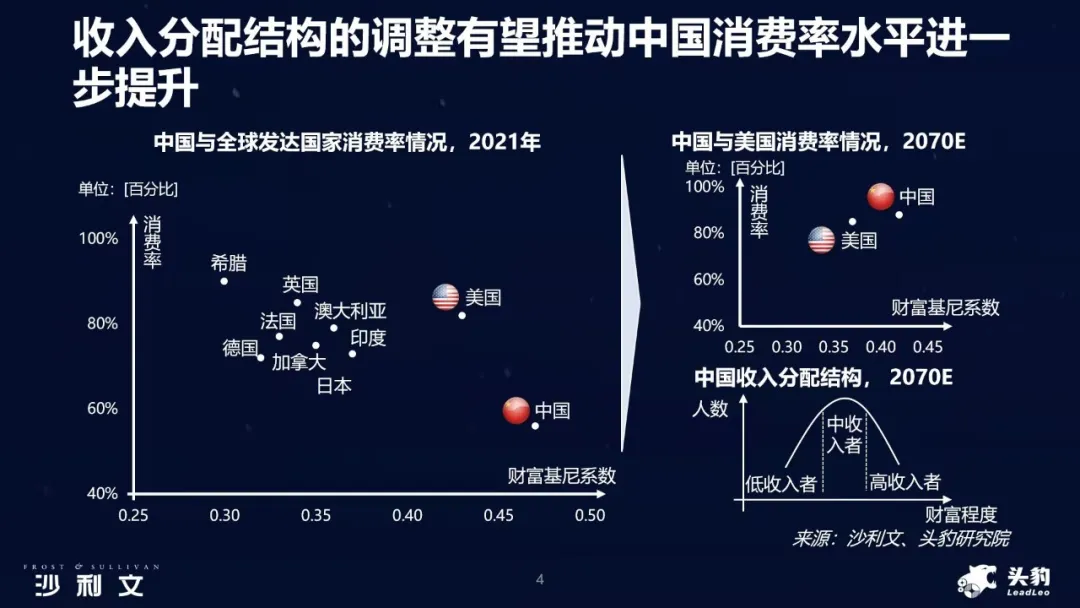
Dr. Wang Xin pointed out that, from the perspective of income distribution structure, there is still a significant gap between China's consumption rate and that of developed countries. To further enhance China's consumption level and promote the transformation of the Chinese economy into a consumer-driven one in the future, it is crucial to improve residents' income levels.
The recently held Sixth Plenary Session of the 19th Central Committee also emphasized the need to promote common prosperity. The key to achieving common prosperity is to form an 'olive-type' income distribution structure. Currently, there is a significant gap in disposable income between high- and low-income groups in China. Compared with major developed countries, China's income distribution structure is still far from being 'olive-type'. Against the backdrop of common prosperity and the long-term vision plan for 2035, as the main force of consumption, the middle-income group will drive consumption growth by realizing an 'olive-type' income distribution structure in the future, helping China complete consumption upgrading, technological innovation, and achieve high-quality development.
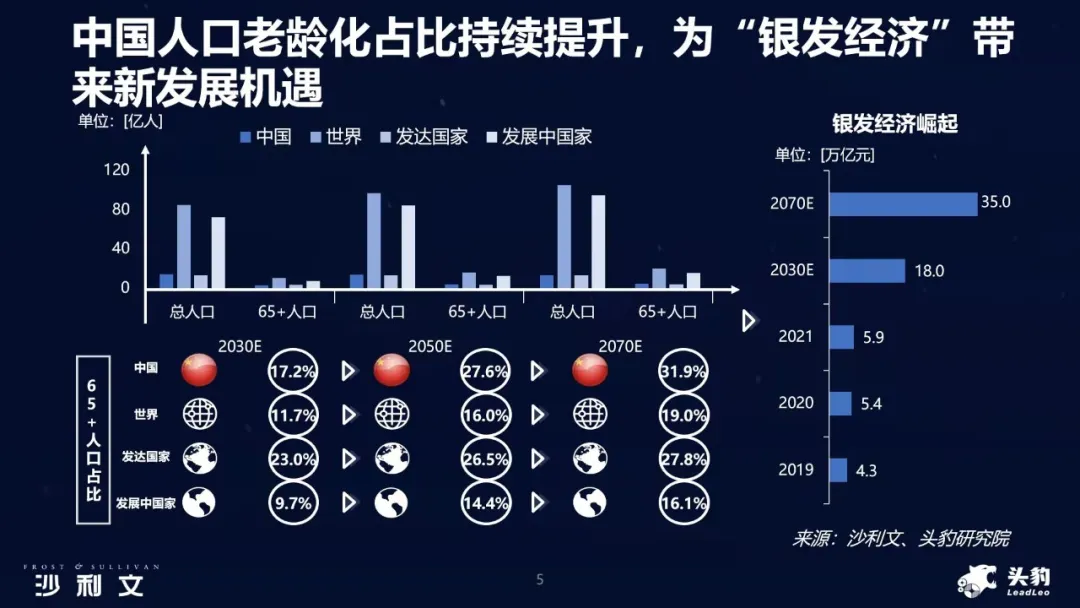
Dr. Wang Xin introduced: 'From an investment perspective, the opportunities in the consumer market may lie within the elderly population against the backdrop of China's macroeconomic changes. The aging problem in China is becoming increasingly prominent, and with the increase in the elderly population, related industries to elderly services and products will become key consumer markets.'
At the current stage, the 'silver-haired generation' has become the main driver of growth in the consumer market. From 2016 to 2021, the scale of the silver-haired economy developed at a high rate with an annual growth rate of 25.6%. By 2070, China's elderly population is expected to exceed 400 million, and the potential market for this group will reach 35 trillion yuan. With the continuous improvement of China's elderly care industry, under the backdrop of favorable national policies and increased corporate investment, the trillion-level blue ocean market of the 'silver-haired economy' is promising for the future.
medical field
Dr. Wang Xin continued: 'Next, let's look at people's livelihoods. When it comes to people's livelihoods, we cannot avoid talking about healthcare. Healthcare is not only related to the well-being of people but also an active industry where technological innovation keeps emerging.'
Looking back, over the 72 years since the founding of New China, China's health and wellness sector has achieved historic accomplishments. In terms of the three main international indicators for measuring residents' health, China's average life expectancy has increased from 35 years before the founding of New China to the current 77 years; the maternal and infant mortality rates have dropped from 1 in 1,500 and 1 in 200 respectively in 1949 to 1 in 16.9 and 1 in 5.4 in 2020. Overall, China's residents' major health indicators are better than the average level of middle- and high-income countries, achieving the United Nations Millennium Development Goals ahead of schedule.
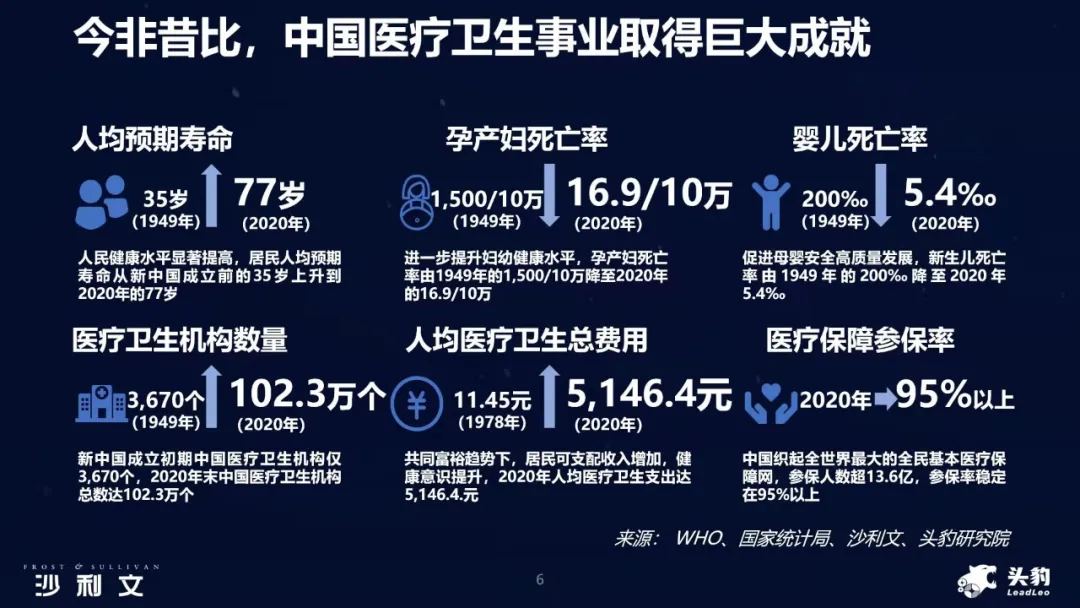
Based on the current development goal of common prosperity, with the continuous increase in fiscal revenue and residents' income, China's total health expenditure has been growing.
Dr. Wang Xin stated that compared with developed countries, China has achieved steady growth in healthcare costs. In deepening medical reforms, the efficiency of using total health care expenditures has been steadily improved, continuously enhancing the level of medical security, improving drug accessibility, and ensuring fairness in medication.
"Like the recent hot search topic of medical insurance negotiations, 'soul-slicing pricing'," said Dr. Wang Xin. "Medical insurance negotiators, after eight rounds of negotiations, managed to secure a deal for rare disease drugs that were originally priced at over 50,000 yuan per bottle, down to just over 30,000 yuan per bottle, insisting on 'not giving up on any small group.'"
In 2021, China entered the beginning year of the '14th Five-Year Plan' period. The '14th Five-Year Plan' will ensure that people's health is a top priority for the country. Currently, the regulatory environment in the healthcare industry is favorable, and the industry structure is continuously upgrading. It is expected that by 2030, China will become the world's largest healthcare powerhouse.
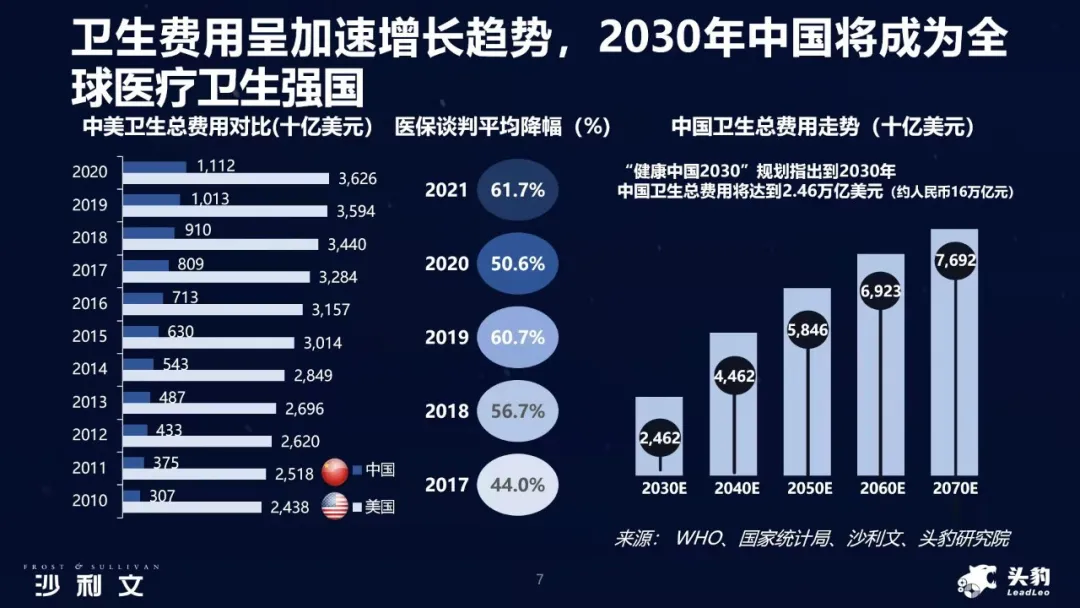
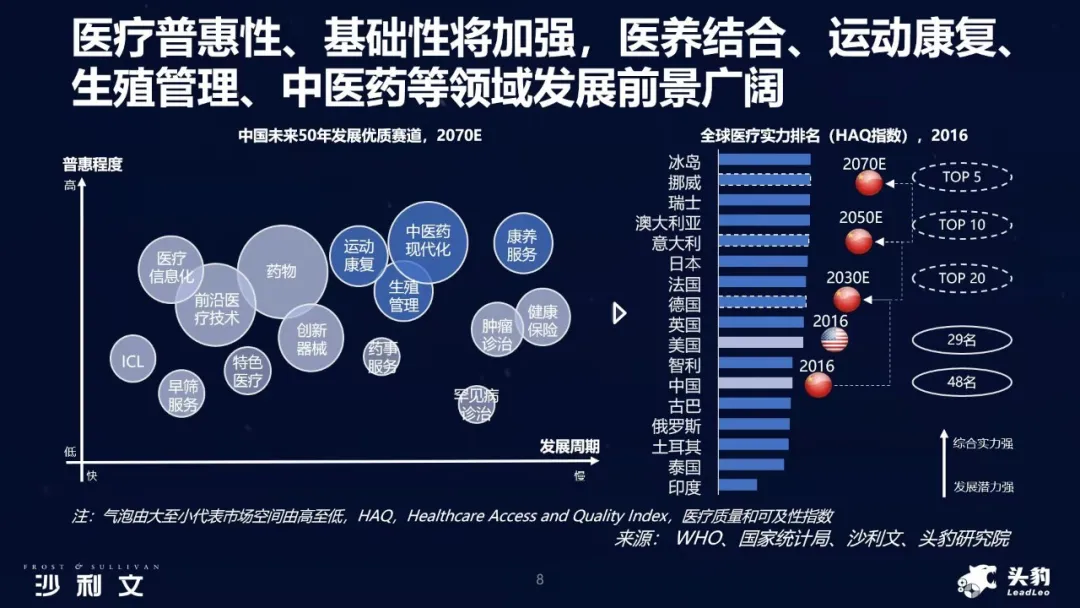
Looking ahead, innovation in the healthcare industry will continue to be active, and China is expected to remain at the forefront of medical strength. Over the past 16 years, China has become one of the countries with the fastest growth in global medical strength, with a rate of 24.6%. The accessibility of healthcare in China will continue to improve, fully realizing a healthcare service system that ensures access to medical care for all and support for the elderly. Industrial tracks with preventive concepts and national characteristics such as health care services, sports rehabilitation, assisted reproduction, and modernization of traditional Chinese medicine will embrace strategic opportunities, jointly promoting the richness and diversification of medical scenarios.
Dr. Wang Xin pointed out that in the next 50 years, China's medical strength will continue to improve and break through, entering the ranks of the top 20 countries in terms of medical strength, overtaking the United States and becoming one of the world's leading medical powerhouses.
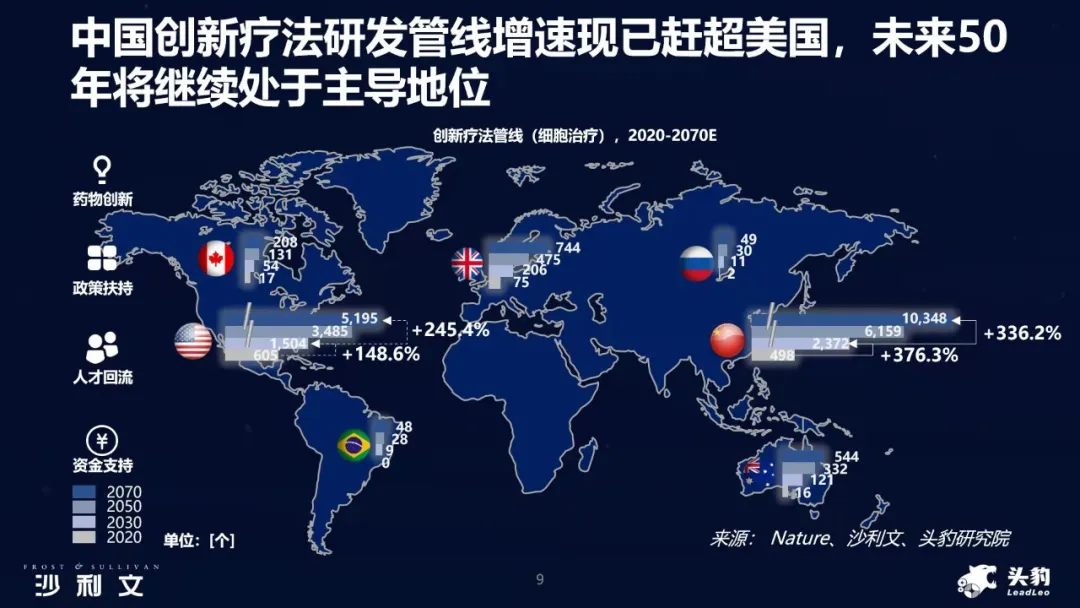
The first strength of China's medical industry lies in medical innovation. In November 2021, the CDE issued the 'Guiding Principles for Clinical Research and Development of Antitumor Drugs Oriented towards Clinical Value', implementing a patient-centered research and development philosophy and encouraging clinical research and development value. In 2020, the number of cell therapy R&D pipelines in China reached 498, one order of magnitude ahead of other countries and regions. The growth rate from 2019 to 2020 was 40%, exceeding the US' 30.7%. It is estimated that by 2030, the growth rate of R&D pipelines in China can reach 376%.
Dr. Wang Xin introduced: 'We are delighted to see that China's favorable policies, talent pool, and capital are accelerating the attraction of institutions from around the world. In the next 50 years, society as a whole will develop a genuine atmosphere that respects the value of scientific research and continue to hold a dominant position.'
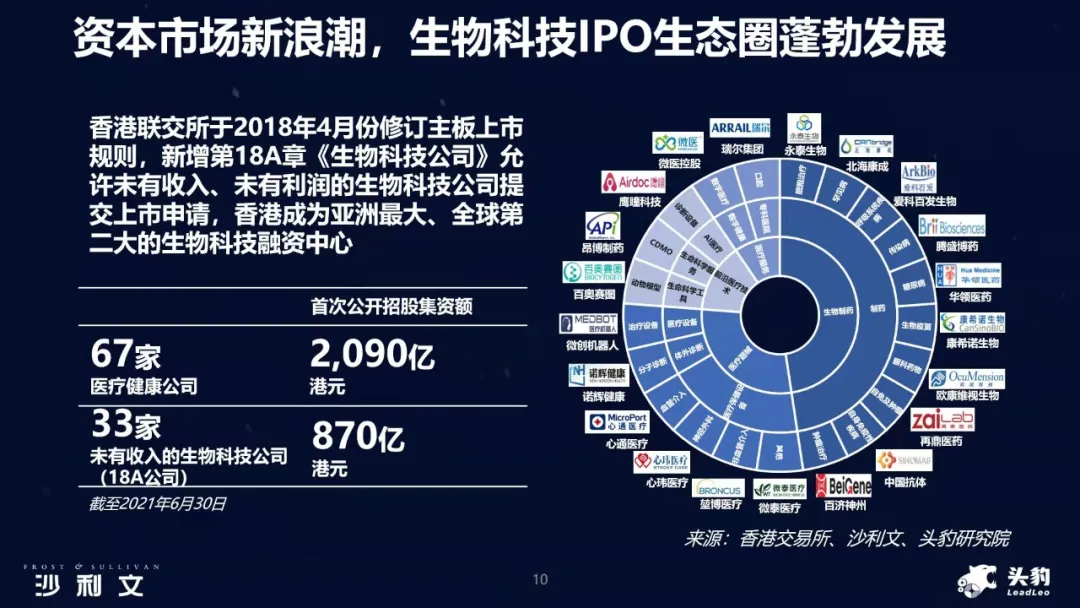
The second strength of China's healthcare industry lies in the capital market. Since the Hong Kong Exchange implemented listing reforms in 2018, it has become the preferred listing destination for more and more biotech companies. The Hong Kong market has been continuously developing in all aspects and becoming increasingly mature. Various emerging health care sub-industries, especially smart healthcare, are on the rise, making Hong Kong the largest biotech financing center in Asia and the second largest globally.
As one of the important service institutions for companies listing in Hong Kong, industry consultants are particularly crucial for companies seeking to list successfully and raise funds in industries with high technical barriers such as healthcare.
Dr. Wang Xin stated that Frost & Sullivan, as an industry advisor, has maintained its leading position in the market share of Hong Kong IPO industry research advisors for 2014-2021, continuously ranking first. It is deeply involved in both early-stage investments and later-stage listings in the healthcare sector, making it an indispensable choice for healthcare companies seeking to go public in Hong Kong. Frost & Sullivan and LeadLeo will unswervingly follow the national pace, remain rooted in China for the long term, delve into global capital markets and corporate consulting services, and empower economies, industries, sectors, and countries with their professional knowledge.
Artificial Intelligence field
Innovation is not only reflected in healthcare but also in technology. With the advent of the AI era, as a powerful driving force behind a new round of technological revolution and industrial transformation, the development of the AI industry is showing a vibrant trend.
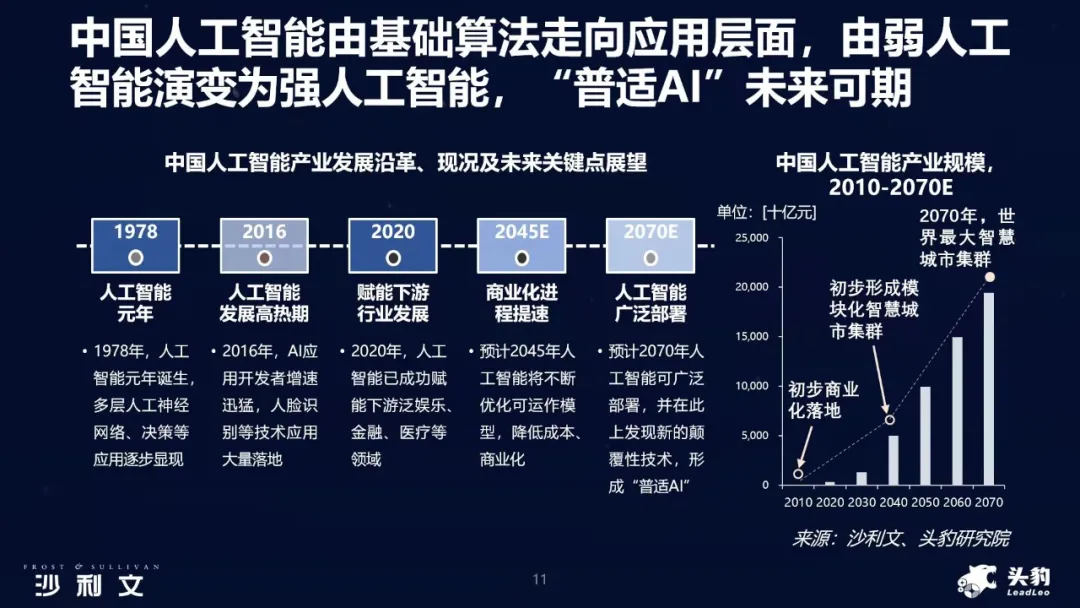
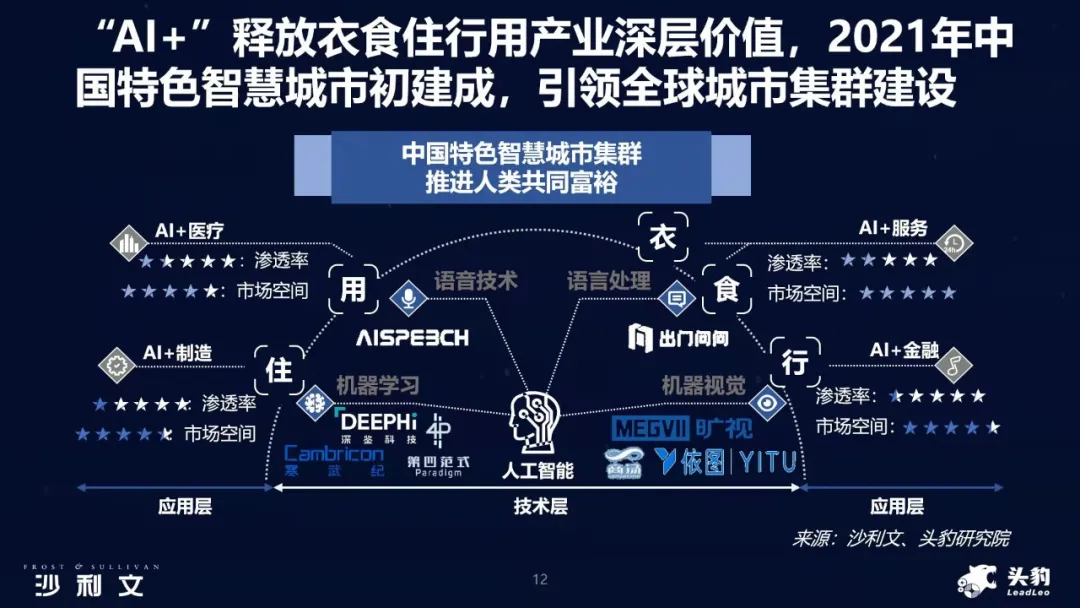
According to Dr. Wang Xin, from 1978 to 2020, artificial intelligence became a track in China where it could stand on par with world powers. The leaders of China's AI industry have promoted the integration of smart technologies with civilian industries across multiple dimensions such as clothing, food, housing, and transportation. By 2070, China will build the world's largest smart city cluster, empowering dynamic urban systems with AI technology and liberating human productivity.
Dr. Wang Xin stated that in 2021, the penetration rate of artificial intelligence technology in China's three major industries—government affairs, finance, and telecommunications—all reached over 30%. This year, the number of AI startups from China accounted for 15% of the global AI institutions. Relying solely on these enterprises, China has received nearly 50% of global AI industry investment.
At the same time, from the development of Chinese enterprises, it can be seen that outstanding technology companies such as Huawei, ZTE, and SMIC are intensively deploying efforts in multiple areas where China's current development is 'held back'. In the field of AI chips, there are excellent brands like Huawei HiSilicon and Fudan Microelectronics.
Although China's AI layout started later than that of the United States, with the support of national policies and the advancement of localization, China's AI industry's production capacity has been highly unleashed in the past decade, with growth potential exceeding that of the US. By 2070, China's AI production capacity will increase by more than six times, contributing significantly to global GDP growth far surpassing that of the US.
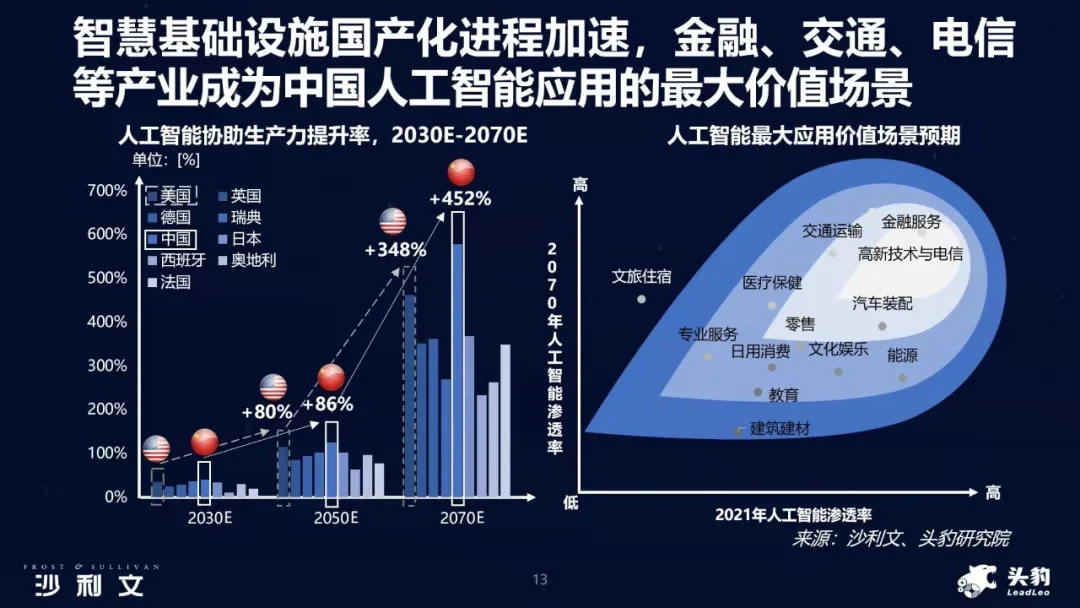
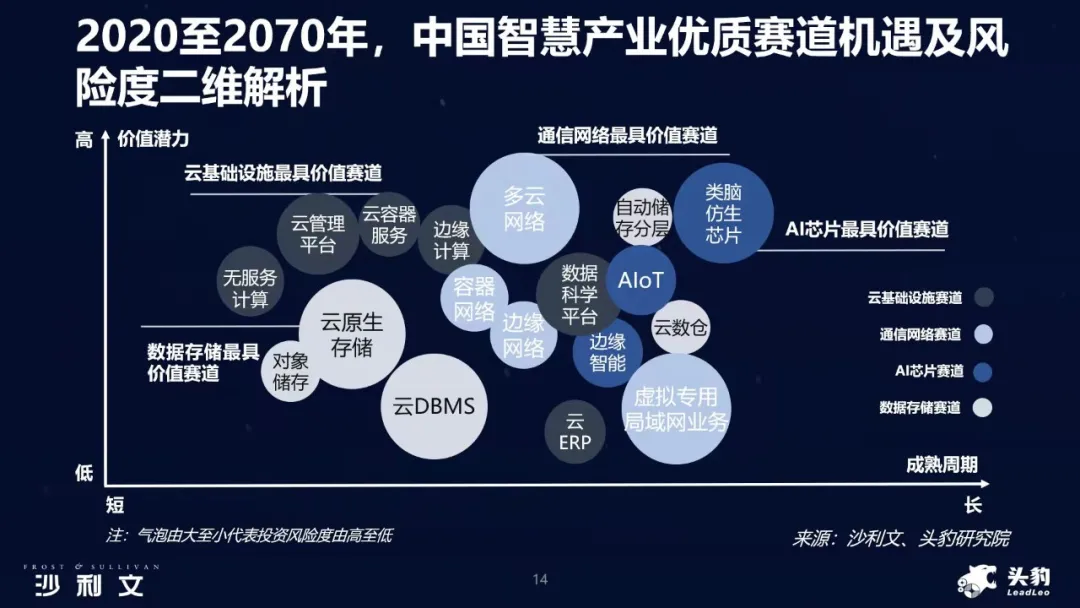
Dr. Wang Xin further stated: 'From an investment perspective, related technologies represented by brain-like chips will be the best investment track for China's smart industry. It is estimated that by 2070, the penetration rate of brain-like chips in China will reach as high as 70%, while in the United States it is less than 33%. Smart city clusters in China will provide more application scenarios for brain-like chips. The upgrading and replacement of databases, communication networks, and cloud computing will also accelerate the overall construction of the smart industry.'
Manufacturing sector
Next, Dr. Wang Xin spoke: 'As we mentioned earlier, the development of technology is providing a core driving force for social production, and China, as a manufacturing powerhouse, is at an important juncture of innovation and upgrading.'
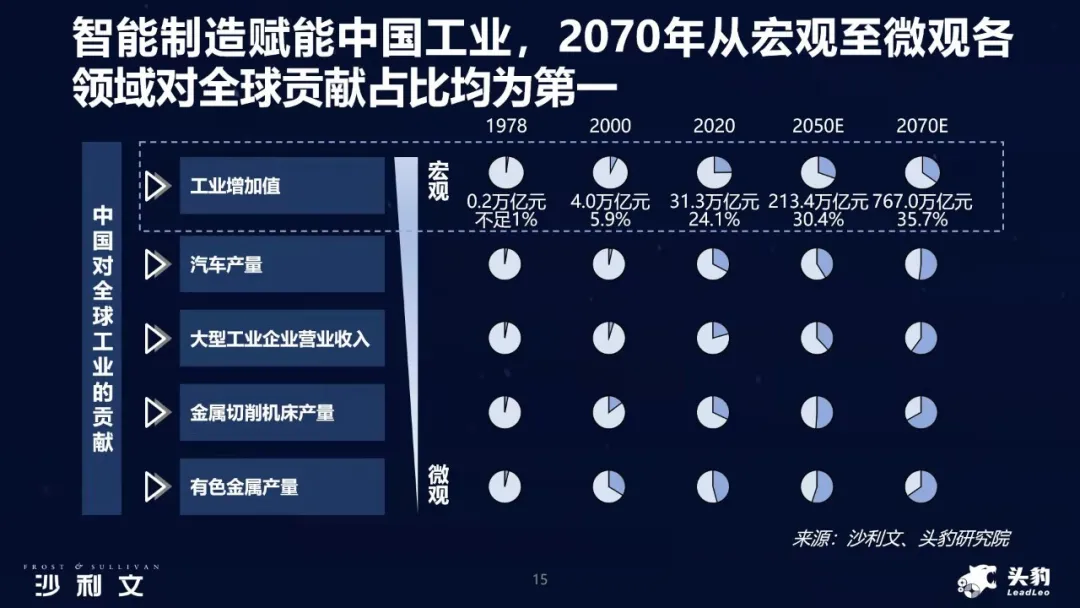
Dr. Wang Xin pointed out that since the beginning of the 21st century, China's industrial structure has been continuously optimized. Currently, China's manufacturing sector is the most complete in the world and has deeply integrated into the global industrial division of labor system. How to deeply integrate the rapidly growing secondary industry with artificial intelligence is an important way for China's manufacturing sector to upgrade and transform. Against this backdrop, the importance of intelligent manufacturing becomes prominent. Under the new vision of the 'Silk Road Economic Belt' and the '21st Century Maritime Silk Road', intelligent manufacturing continues to empower China's industry. China's industrial added value increased from less than 1% of the global total in 1978 to 24.1% in 2020, maintaining first place globally for 11 consecutive years. Remarkable achievements have been made at all levels of the industrial system, from macro to micro.
Taking automobiles as an example, from January to October 2021, the cumulative sales of new energy vehicles in China reached 2.542 million units, which is 5.2 times that of the United States. In October, the penetration rate of new energy vehicles was 16.4%, while it was only 5.2% in the United States. Therefore, from the perspective of new energy vehicle manufacturing, China's level of intelligent manufacturing and green manufacturing practices are already ahead of those in the United States.
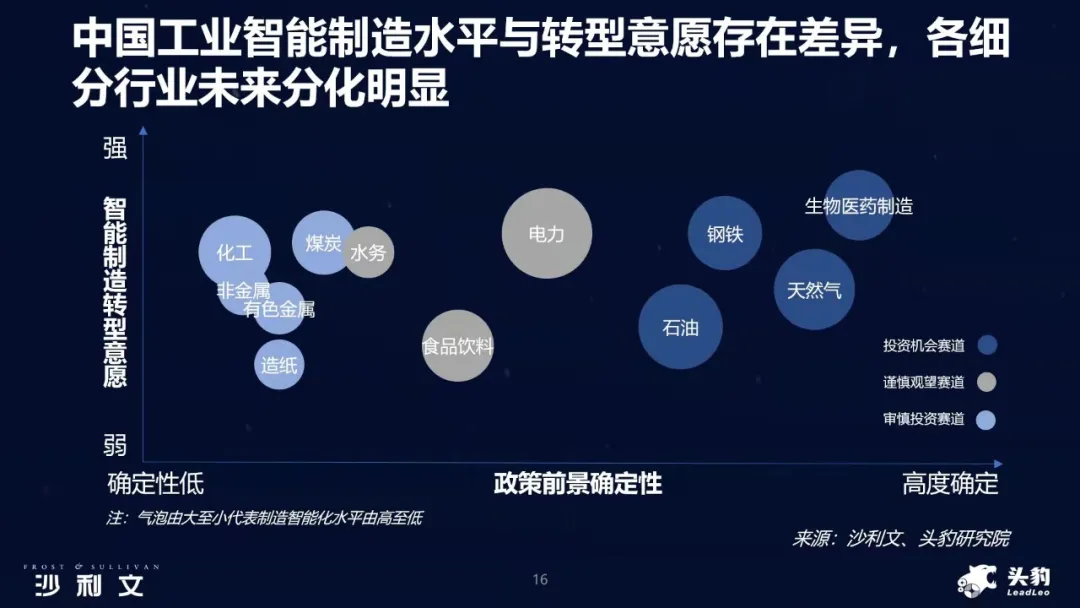
Dr. Wang Xin stated: "In terms of intelligent manufacturing transformation, Chinese industry has a solid foundation and advantages in this area. However, there is significant differentiation among various sub-industries in the process of intelligent manufacturing, with notable differences in levels of intelligent manufacturing. The LeadLeo Research Institute conducted offline and online surveys of over a thousand manufacturing enterprises, and based on multiple dimensions such as manufacturing intelligence level, willingness to transform, and compliance with China's 2025 plan requirements, identified four most valuable investment tracks: steel, petroleum, natural gas, and biomedicine. In the future, more attention can be paid to related industries."
In the view of Dr. Wang Xin, green development will become one of the important trends in China's manufacturing industry in the future. While China is accelerating its industrialization process, it has also consumed a large amount of resources. Against the backdrop of global climate change, shaping green manufacturing has become a trend. Last Friday (December 3), the Ministry of Industry and Information Technology released the '14th Five-Year Plan' for Industrial Green Development, which clearly states that China has achieved remarkable results in five major areas: steel capacity reduction and promotion of green factory construction.
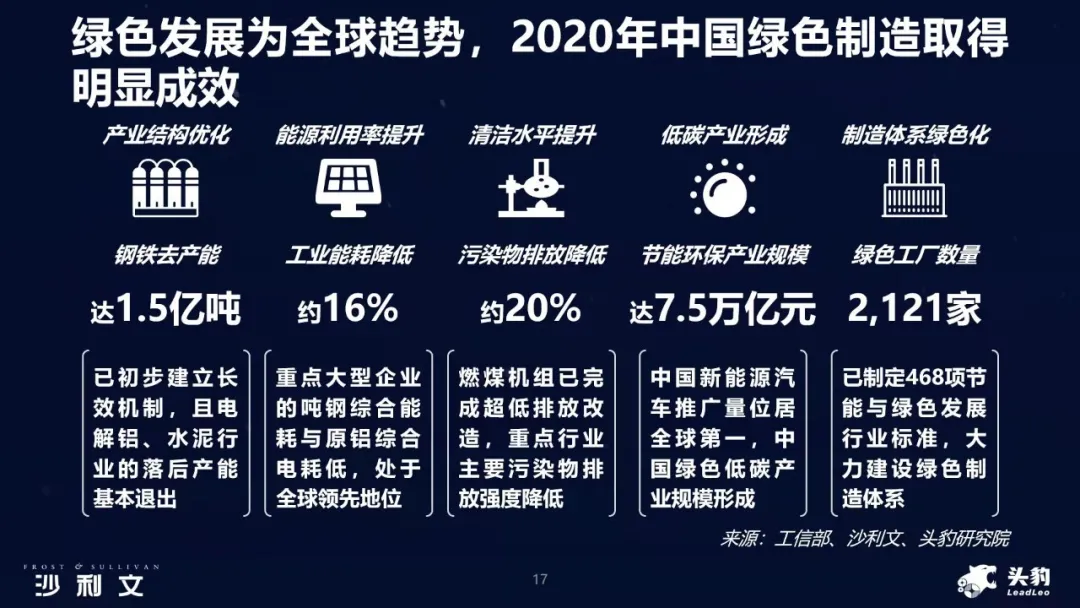
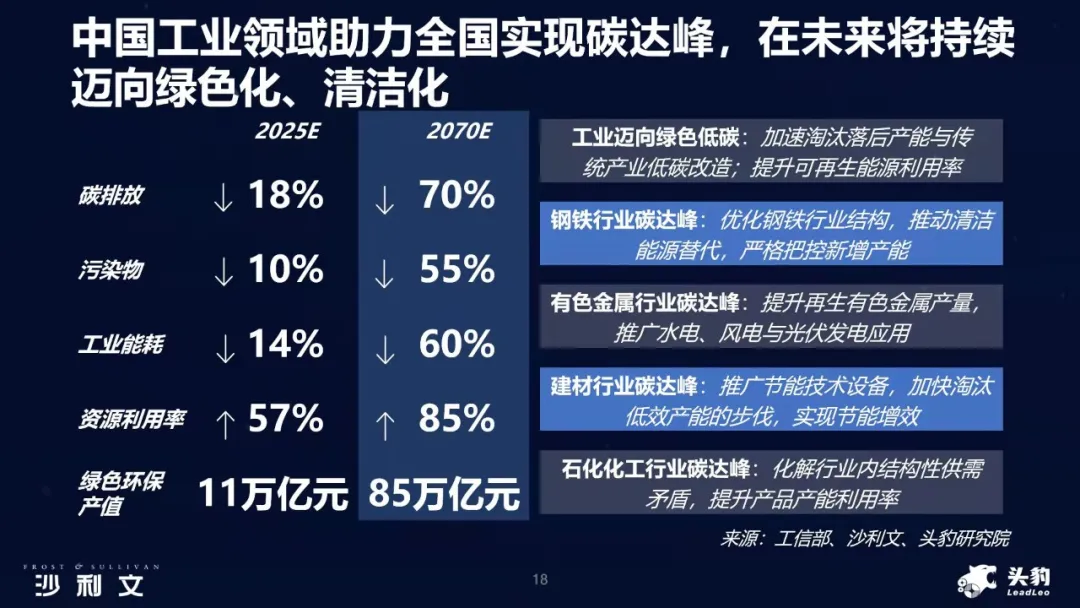
According to Dr. Wang Xin, 'green' and 'clean' will be key keywords in the industrial sector. China's industrial structure, the pace of green and low-carbon transformation, and the utilization rate of energy resources are expected to develop well by 2025. The carbon emission intensity per unit of industrial growth value will decrease by 18%, and the pollutant emission intensity will reduce by 10%. The overall scale of the green environmental protection industry is expected to exceed 80 trillion yuan by 2070. Industries represented by steel and non-ferrous metals will take the lead in achieving carbon peak emissions, laying the foundation for China's overall goal of carbon peak.
Carbon neutrality field
On September 22, 2020, at the 75th session of the United Nations General Assembly, President Xi Jinping solemnly announced: 'China will increase its national autonomous contribution, adopt more effective policies and measures, strive to peak carbon dioxide emissions by 2030, and achieve carbon neutrality by 2060.'
Dr. Wang Xin pointed out that the setting of carbon neutrality targets is an important measure to avoid catastrophic changes in the global climate, an inevitable choice for China and other countries to take concrete actions to protect the only home of humanity, and a solemn commitment to building a community with a shared future for mankind.
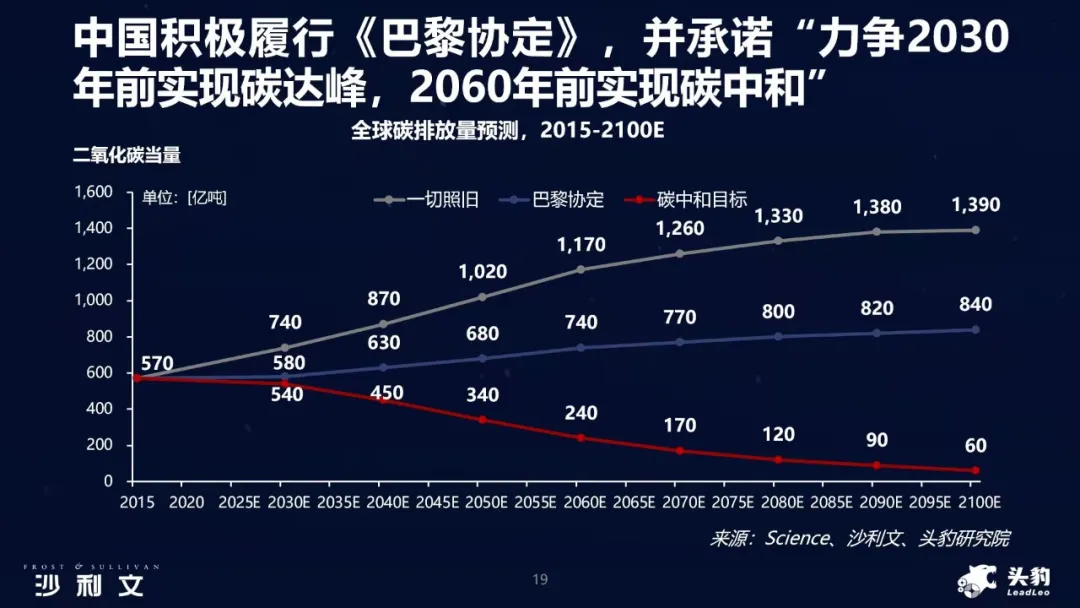
In Dr. Wang Xin's view, first of all, China has a tight schedule to achieve 'dual carbon goals.' Compared with developed countries, the task of achieving 'dual carbon' targets in China is more arduous. By 2030, China's carbon dioxide emissions will peak and then stabilize with a gradual decline, and significant achievements will be made in the comprehensive green transformation of economic and social development. By 2060, China will have fully established an economic system for green, low-carbon, circular development and a clean, low-carbon, safe, and efficient energy system. Energy utilization efficiency will reach international advanced levels, ecological civilization construction will yield fruitful results, and a new realm of harmonious coexistence between humanity and nature will be created.
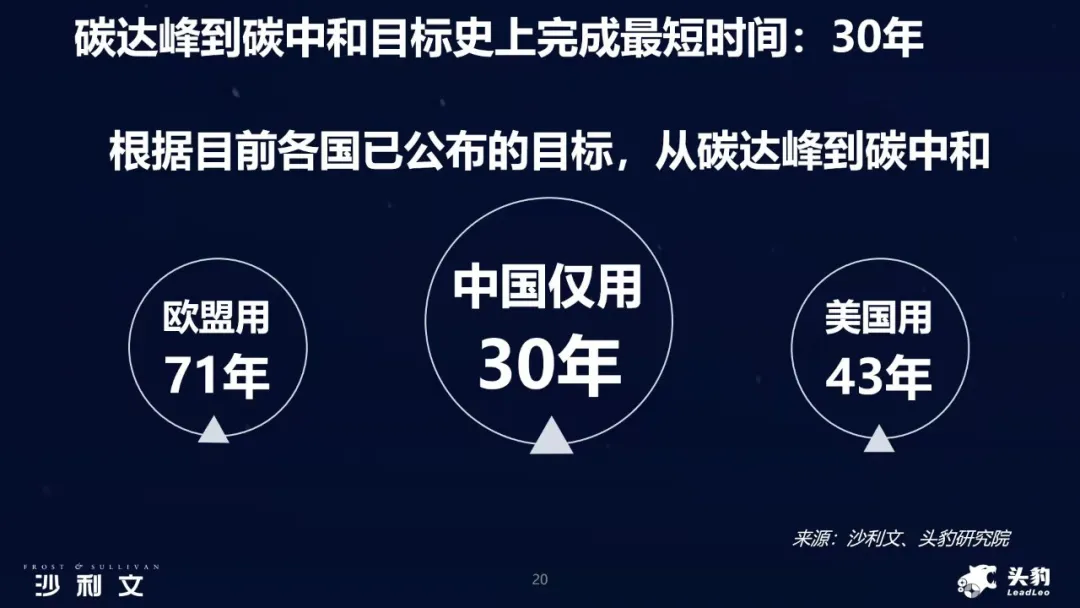
The United States achieved carbon peak in 2007, and it took up to 43 years to transition from carbon peak to carbon neutrality. In contrast, China has promised to complete this task in just 30 years, demonstrating China's responsibility and commitment as a major world power. It also proves that China has the ability, obligation, and determination to stand on the world stage and take on more responsibilities, playing a greater role.
Dr. Wang Xin also stated that 'dual carbon' has provided new opportunities for China's industrial development. In the future, China's industrial transformation and upgrading will be faster, more intense, and of better quality. Currently, our country is mainly promoting carbon neutrality through the development of clean energy, energy conservation and efficiency improvement, carbon capture and storage, etc. The development of renewable energy and new energy sources is a key link in the top-level design of carbon neutrality, which directly gives rise to numerous emerging industries and investment tracks, such as photovoltaic power generation, hydropower generation, hydrogen power generation, etc.
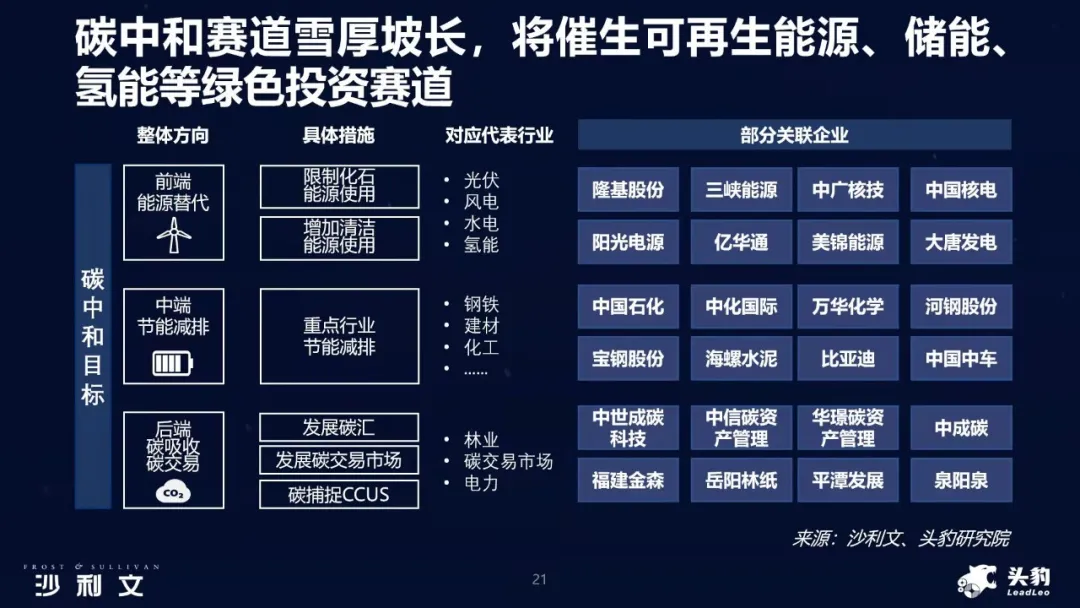
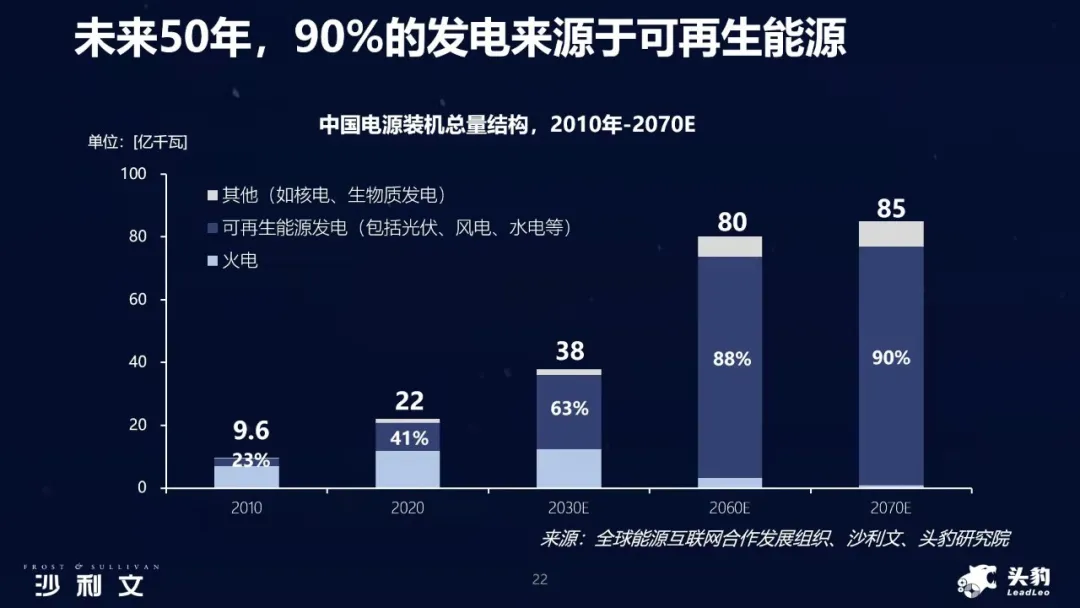
Against this backdrop, we believe that China will rapidly develop renewable energy generation technologies mainly based on wind and photovoltaic power in the future. It will play a fundamental role in ensuring hydropower supply and reduce dependence on thermal power. It is expected that the proportion of installed renewable energy capacity in China will rise from the current 41% to 88% by 2060. By 2070, thermal power will basically withdraw from the market, with renewable energy generation such as photovoltaic and wind power taking a dominant position.
"What is the significance of China's achievement of its carbon neutrality goal for all of humanity?" Dr. Wang Xin answered: "For every 1°C increase in global average temperature, sea levels may rise by 2 meters, which could lead to a gradual reduction or even disappearance of coastal areas with lower elevations such as Bali and Maldives. If the global average temperature rises by another 2°C, 99% of coral reefs worldwide will disappear, nearly half of Mexico's frozen soil will thaw permanently, water resources will become extremely scarce, and countless lives will suffer greatly."
Dr. Wang Xin further pointed out that if China achieves its carbon neutrality goal by 2060, it will lower the temperature control target set by the Paris Agreement, which requires global average temperatures to rise no more than 2 degrees Celsius above pre-industrial levels, by 0.2 to 0.3 degrees Celsius. This would advance the time for global carbon neutrality by 5 to 10 years and play a crucial role in promoting global climate governance.
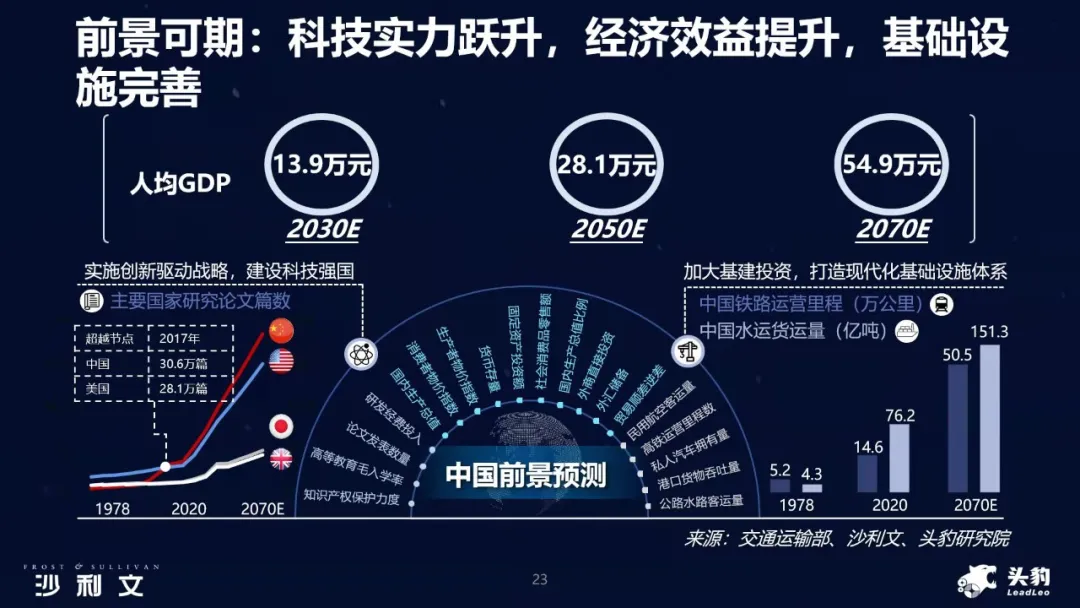
As the speech came to an end, Dr. Wang Xin summarized: "Through the introduction of the previous research findings, we can see that China's economic situation has changed rapidly, with many industries undergoing qualitative development from scratch and then to excellence. In the foreseeable future, we believe that China's economic strength, scientific and technological capabilities, as well as infrastructure capacity, will continue to rise significantly."
Dr. Wang Xin further looks ahead to China's development over the next 50 years, stating that in terms of the economy, China will surpass the United States to become the world's largest economy. The per capita GDP will reach 139,000 yuan by 2030 and 549,000 yuan by 2050.
In terms of technology, China surpassed the United States to become the world's leading country in the number of published papers in 2017. It is expected that in 50 years, China will fully surpass the US in areas such as R&D expenditure, paper publication, patent grants, and international cooperation.
In terms of infrastructure, China's highway mileage has exceeded 160,000 kilometers, far surpassing the United States, which ranks second in the world. The high-speed rail mileage is even more than the total of other countries in the world combined. In the future, China's infrastructure demand will remain high, continuously supporting people's livelihoods and unleashing the huge potential for high economic growth in China.
At the end of his speech, Dr. Wang Xin introduced that looking back, 2021 can be considered a milestone year. It marked not only the 100th anniversary of the founding of the Communist Party of China and the year of building a moderately prosperous society in all respects, but also the beginning of China's implementation of the '14th Five-Year Plan' and its pursuit of becoming a pioneer in socialist modernization.
Dr. Wang Xin expressed with confidence: "Standing at the historical intersection of the 'Two Centenary Goals,' looking back on a century of magnificent struggle and looking ahead to the prospects of great rejuvenation, we are resolute in our actions. The future is promising. We have full confidence in China's development. We firmly believe in and support the original driving force of the Chinese economy, persisting in research-driven strategies and investing heavily in China. This is a choice of timing and circumstances, not only our strength and confidence but also our determination and belief. 'A hundred boats vying for the current, the one who rows vigorously takes the lead.' 2021 marks the 60th anniversary of the establishment of Frost & Sullivan. As an important witness and participant in the development of the global and Chinese economic landscape, Frost & Sullivan has always been optimistic about the future development of China's industries."


*Some of the content and data shared this time are derived from three research findings based on our insights into China's and global industries.
They are "Insights into China's Industrial Trends for the Next Fifty Years", "The 60 Technologies Driving Global Growth", and "Forward-looking Outlook on Global Technology and Application Trends". You can go to the mini-program below to read the complete reports.
It is reported that this 'Baize China' Outlook 2022 Annual Strategy Meeting, supported by an expert think tank team, big data team, and national-level think tanks, invited over 60 experts, gathered more than 600 listed companies on both the A-share market and overseas, and featured in-depth speeches by over 50 analysts. Together, they created a strategy meeting that was profound, professional, resonant, and fruitful.
About Frost & Sullivan
Frost & Sullivan, a global growth consulting firm, integrates 60 years of consulting experience across the globe. Over the past 23 years, it has dedicated itself to serving the booming Chinese market with a global perspective, helping clients accelerate their business growth and achieve benchmark positions in growth, innovation, and leadership within their industries.
Frost & Sullivan specializes in global capital markets and corporate consulting services, providing comprehensive investment and financing as well as various other professional consulting services for enterprises. These include due diligence services, valuation services, assessment services, strategic consulting, management consulting, planning consulting, technical advisory, financial advisory, industry advisory, and more.
The investment and financing business of Frost & Sullivan Greater China has achieved full industry coverage of the Chinese national economy, including a high level of attention to all economic hotspots such as the new economy and new infrastructure. It covers sectors such as biomedicine, consumer retail, internet and technology, entertainment media, financial services and fintech, education and training, machinery manufacturing, energy and power, infrastructure, automotive travel, logistics transportation, rail transit, ship shipping, aerospace, ecological protection and environmental management, agriculture, forestry, animal husbandry and fisheries, industrial materials, construction engineering, metallurgy and mining, real estate property, etc.
Since the Frost & Sullivan team began providing investment and financing advisory services to corporate leaders and their management teams, it has helped nearly a thousand companies successfully list on the Hong Kong and overseas stock markets. It is a leading enterprise in the field of domestic investment strategy consulting. From 2014 to 2020, Frost & Sullivan maintained its leadership position as the industry's number one market research advisor for Chinese companies going public overseas; moreover, in recent years, Frost & Sullivan reports have been widely cited in the prospectuses, secondary market research reports, and other capital market disclosure documents of leading A-share listed companies in the industry.
For over 60 years, Frost & Sullivan has helped a large number of clients (including Fortune Global 1000 companies, top domestic and international financial institutions, and other leading enterprises) achieve strategic goals by conducting due diligence, valuation analysis, third-party evaluations, and other work through its nearly 50 offices around the world. This is done using powerful databases and expert libraries, as well as rich professional knowledge and consulting tools.
About LeadLeo
LeadLeo is a leading original corporate research content platform and new type of enterprise service provider in China. Focusing on the core goal of 'assisting enterprises to accelerate the exploration, enhancement, and dissemination of capital value', LeadLeo has developed a series of products and solutions, including database services, corporate research report services, microvaluation and micro-discovery automation products, financial advisory services, PR and IR services, as well as other corporate growth consulting services.
Currently, LeadLeo has over 50,000 registered users, over 5,000 industry-specific research outputs, over 1 million original data elements, over 500,000 collaborating experts, and over 2,000 live broadcasts and video content. LeadLeo's users cover more than 70% of investment and financing institutions, financial institutions, and capital market service providers. We sincerely welcome elites from all walks of life to communicate and cooperate with LeadLeo. You can send an email or call for consultation.
Customer Service Email: CS@leadleo.com
Consultation Hotline: 400-072-5588